
About a week ago, Microsoft broke the silence about upgrading to Windows 11 on incompatible hardware. For a while now, people have used various methods to install Windows 11 on unsupported hardware, and while Microsoft has tried its best to stamp out the practice, it hasn't had the best success in thwarting tools like Rufus. So, in response, Microsoft warned people running Windows 11 on incompatible hardware, saying that making the upgrade would only mean bad things for people.
Here's the thing: Microsoft's warning doesn't hold much water.
3 Windows 10 PCs are likely past their warranty already
You can't lose what you don't have
As a refresher, let's check out Microsoft's warning:
This PC doesn't meet the minimum system requirements for running Windows 11 - these requirements help ensure a more reliable and higher quality experience. Installing Windows 11 on this PC is not recommended and may result in compatibility issues. If you proceed with installing Windows 11, your PC will no longer be supported and won't be entitled to receive updates. Damages to your PC due to lack of compatibility aren't covered under the manufacturer warranty. By selecting Accept, you are acknowledging that you read and understand this statement.
First of all, I'm not 100% sure what kind of damage can happen to someone's PC if they install Windows 11 on incompatible hardware. However, even if it does damage hardware, how likely is it that a warranty still covers it? Perhaps for individual parts, but if someone purchased a computer or a laptop before Windows 11 became the norm, there's a good chance the warranty is now long gone.

The Windows 11 2024 Update is now available — here's what's new and why it's not Windows 12
The Windows 11 2024 Update will bring a ton of changes to the operating system, including better support for Arm devices.
2 People dodging Windows 11's requirements will find ways to update their PCs
You can't take away what people can get themselves
Another argument Microsoft makes for not installing Windows 11 on incompatible hardware is that Microsoft won't update your operating system anymore. And it's true; if you go the unsupported route, Windows won't download the big feature updates on your PC.
People have found their own ways of updating Windows 11 without the need for automatic downloads. In fact, you can grab Windows 11 24H2 using Rufus—you know, the tool people likely downloaded to get the operating system up and running in the first place. Some could even argue that updating Windows 11 using Rufus is more beneficial than letting Microsoft do it automatically.

Windows 11 update tracker: Download and install the latest update
We're tracking all the Windows 11 updates for you.
1 People dodging Windows 11's requirements aren't going to buy hardware for it
Warn them all you like; they're not budging
So, why are people dodging Windows 11's system requirements in the first place? There's a whole spectrum of reasons, but one of the main ones is that people have hardware that works perfectly well and can handle Windows 11's demands. It's just that something doesn't align with the strict rules that Microsoft set with Windows 11. More often than not, this will be the TPM 2.0 requirement that the Redmond giant demands your CPU has before you can upgrade (and it's something the company is not backing down on).
Microsoft is missing the point by telling people they're missing out on "a more reliable and higher quality experience" because their CPU isn't modern enough. If people wanted that experience, they would have spent some money on an upgrade and brought their system up to speed. But doing so is massively wasteful for all the perfectly good hardware that is powerful enough to run Windows 11 but doesn't hit that TPM 2.0 requirement, which would doom them to landfills simply because Microsoft declared it obsolete.
Let's be honest here; people are making the jump because they want to keep using their older hardware, but they're worried that Windows 10 has less than a year's worth of support left. Yes, they're not getting that "higher quality experience" as Microsoft intended. Still, when the alternative is shelling out thousands for a new PC just because Microsoft asked them to, people will make do with a subpar experience.
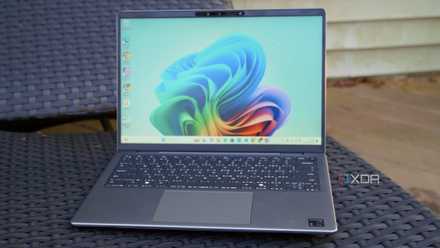
Dell Inspiron 14 5441 (Qualcomm) review: The entry-level Windows on Arm laptop to buy
There were a few compromises made to hit this appealing price, however.
Microsoft's warning is falling on dear ears
I get why Microsoft made the warning. With everyone dodging Windows 11's system requirements, it needs to make a statement to confirm what people should and shouldn't expect if they take that route. However, the arguments it makes for purchasing a new PC versus using Windows 11 on incompatible hardware don't hold much water.
People are using past-warranty hardware, with methods to keep their PCs updated even if Microsoft won't do it for them, and they refuse to dump their hardware just because Microsoft asked them nicely. And with Microsoft declaring that it won't remove the TPM 2.0 requirement from Windows 11, these users will likely be an issue the company will have to tolerate for years to come.