
Thermal design power (TDP) is a measurement used by manufacturers of PC components to represent how much heat is produced by a specific part. You'll typically see the TDP listed for graphics cards and processors, but it can also be found on other components. Measured in watts (W), the TDP shows how much heat the part will generate when operating as designed by the manufacturer. The higher this metric, the more heat will be produced, but it can often result in better performance for gaming and other resource-intensive tasks.
3 Factoring higher power draws
The higher the TDP of a component, the more power it should draw. This can result in better performance if compared against other parts on an even playing field for efficiency, but this isn't always the case. For instance, an Intel Core Ultra 285K is among the best-performing desktop processors in many benchmarks and tests, but it falls short of an AMD Ryzen 7 9800X3D for gaming, yet has a slightly higher TDP. Generally speaking, higher TDP components can perform better, especially when overclocked.
The more watts you can throw at a component such as a GPU, the better the results should be under the right conditions though it's not a guarantee and your mileage will vary. Instead, focus on framerates for GPUs and gaming, or benchmark scores and real-world testing for productivity to determine how fast a component is. TDP can be more useful when comparing laptops where cooling constraints are imposed on the design.

Best CPUs in 2025
Trying to build your next PC for gaming or work? Here are the best CPUs you can buy for a new machine or if you're looking for an upgrade.
2 More heat to deal with
Parts with a higher thermal design power will often produce more heat. This makes TDP a useful metric when factoring in cooling for your PC. CPU coolers often come with a TDP rating to show how much heat the cooler will be able to dissipate. I always recommend buying overkill cooling, especially for the CPU. More thermal capacity opens doors to lower fan speeds, quieter operating, and scope for overclocking. As a rule of thumb for AIO liquid kits, go for one with at least a 240mm radiator.
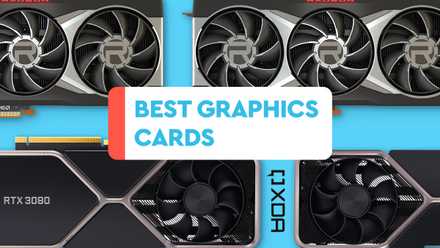
Best GPUs in 2025: Our top graphics card picks
Picking the right graphics card can be difficult given the sheer number of options on the market. Here are the best graphics cards to consider.
1 Purchasing the right PSU
Getting the power supply right for your PC is vital to ensure you have enough reliable power delivered to all your components. Not having enough capacity will result in the PC not performing as it should. The TDP of components can be used to factor in power requirements. Although it doesn't equate to the power draw of that specific component, a processor can (and will) pull much higher from the socket, it can help with estimating PSU draw.

How do I select the right PSU for my PC?
Choosing the right PSU for your PC will save you a lot of wasted time and money
Keep the TDP in mind when building a PC
TDP isn't the most important measurement for building a PC but it can be a useful reference to ensure you have ample cooling. Moving to higher TDP components without considering the additional heat load being placed on not only the active cooling attached to the part, such as a CPU cooler, but also the entire PC case can lead to heat-related issues such as thermal throttling.