
Data privacy isn't just a buzzword. It should be the default state for your information as you navigate the digital realm. But in practice, everyone and everything is tracking you while you're online or using most, and Windows 11 is no different. Microsoft collects a ton of data from its various telemetry systems, partly to improve the operating system or its features, but also to serve targeted ads and ensure your version of Windows is genuine. Some of it is probably useful to have, but the sheer amount of categories of data being collected gives me pause, and I know I'm not alone in wanting to stop Microsoft from siphoning off so much of my data.
Tired of Windows 11 being filled with junk? Here's how to remove it
Get rid of the bloatware
4 I'm not comfortable with the amount of data being collected
Seriously, Microsoft, it's a LOT, and I'm terminally online, so I'm used to it
I'm not exactly what you'd call a privacy advocate, as I have been extremely online for years, but I still try to limit how much personal data I share. I don't have any issues with some of the telemetry data that Microsoft gathers when it is related to improving app and driver quality and the user experience. I've been a Windows Insider for years; I'm part of maybe a dozen other beta testing programs, and I regularly let companies get diagnostic data and specific troubleshooting steps from my computers. But especially with Windows 11, I'm not happy about the amount of data that is going out.
In the video below, you can see how many different websites and other sources a freshly installed version of Windows 11 and Windows XP tries connecting to (and/or sending data to). Note that this is essentially a first-boot situation, and crucially, the web browser was not opened before Wireshark was running to capture packets.
Now, some of this is going to be relevant to keeping Windows 11 working. But, some of these URLs go to advertising companies, other third-party websites and companies, and plenty of URLs that are on the uBlock blocklist for being advertising-related. Microsoft's TechNet page for required diagnostic events for Windows 11, version 24H2 is so long that it stalls my browser for minutes while it loads into memory, but it's mostly things about the hardware installed so that Microsoft can ensure smooth operation of your chosen hardware configuration.
The list of optional telemetry isn't as long, but neither is it anywhere near in-depth on the types of data it's collecting. The broad categories of optional data include:
- Common data extensions (diagnostic header information)
- Device, Connectivity, and Configuration data
- Product and Service Usage data
- Product and Service Performance data
- Software Setup and Inventory data
- Browsing History data
- Inking, Typing, and Speech Utterance data
Take the second category, Connectivity. It has the IP addresses of your hardware, your network, your Wi-Fi details, and more. It's a privacy nightmare even if nobody gets hold of it for malicious purposes. The rest of the categories are even worse, with data fingerprinting your use of Windows and the apps and websites that you looked at or searched for. The typing and voice data category might be the worst one, but some of the product and service usage data includes things like phone call data if your device has cellular connectivity or, presumably, if you used Phone Link with your smartphone tethered to Windows.
It's an absolute chunk of personally identifiable data, and I don't trust anyone to anonymize it enough that it doesn't eventually track back to me.

4 tools to monitor and control devices on your home network
Optimize your home network with these must-have tools
3 Even anonymized data can be used to track you
Accessing several datasets makes it fairly trivial to track anyone
Companies like to tell us that they anonymize our data, that it's been sanitized and can't be tracked back to individual users, and that they do everything they can to keep user privacy at the forefront of their operations. Except, it's mostly empty promises. In 2019, The New York Times had a huge project across its newsroom to investigate, analyze, and dissect the so-called state of privacy in the world, and what they found was shocking.
With one singlebut sprawling data file, they were able to track over 12 million Americans via over 50 billion smartphone location pings. These pings were collated from many smartphone apps that require precise location access to work, likeweather, local news, and coupon saving. And this file is by no means exhaustive. It was limited to "a period of several months in 2016 and 2017," with each section of the file representing a single smartphone. Like the one that you and I carry in our pocket every day.

ChatGPT and Google Bard are privacy nightmares
If you want to use an LLM, what does that mean for your data?
The reporting around this, and the many, many other datasets collected by data brokers, led to Apple implementing sweeping privacy reforms on macOS and iOS. Google joined in with new limits on location gathering from Play Store apps, and mobile operating systems have put privacy features at the top of any events when they used to be footnotes if mentioned at all.
But this location tracking is only one part of the overall privacy concern. App usage, web browsing histories, search terms, and more all build up a fingerprint of who you are online and, to some extent, offline as well. The NYT showed that location data alone was enough to identify an individual positively. After all, we travel from our homes to our workplaces on most days, and that's easily recognizable on location maps.
The other thing? The reporters didn't use other sources of data to accomplish their tracking. Microsoft and other advertisers have access to mobile advertising IDs that are associated with many different types of online activities, demographic information that's freely available for a small fee, or advertising lists of phone numbers or emails. If that information gets cross-referenced to location data? The analyst knows you almost better than you know yourself.
2 It gives some performance back
This depends on the power of your computer, but it's not nothing
Along with the other telemetry-gathering tools inside Windows, Microsoft Compatibility Telemetry (MCT) can often slow down your system while it gathers in-depth performance data to send back to Microsoft, ironically, to improve your Windows experience. As with many Windows services, it sometimes takes up more CPU cycles than it should and needs a reset, or the service is limited to certain times of the day or even turned off entirely. Turning off telemetry in Windows Settings should stop this service from running, but it's good to know where to find it in case of issues.

Here are a few ways to keep the Microsoft Compatibility Telemetry process from hogging your CPU resources
Some simple troubleshooting methods to reduce CPU usage.
1 I don't like targeted advertising
Stop trying to sell me things based on my search history👁 Windows search using Google Search
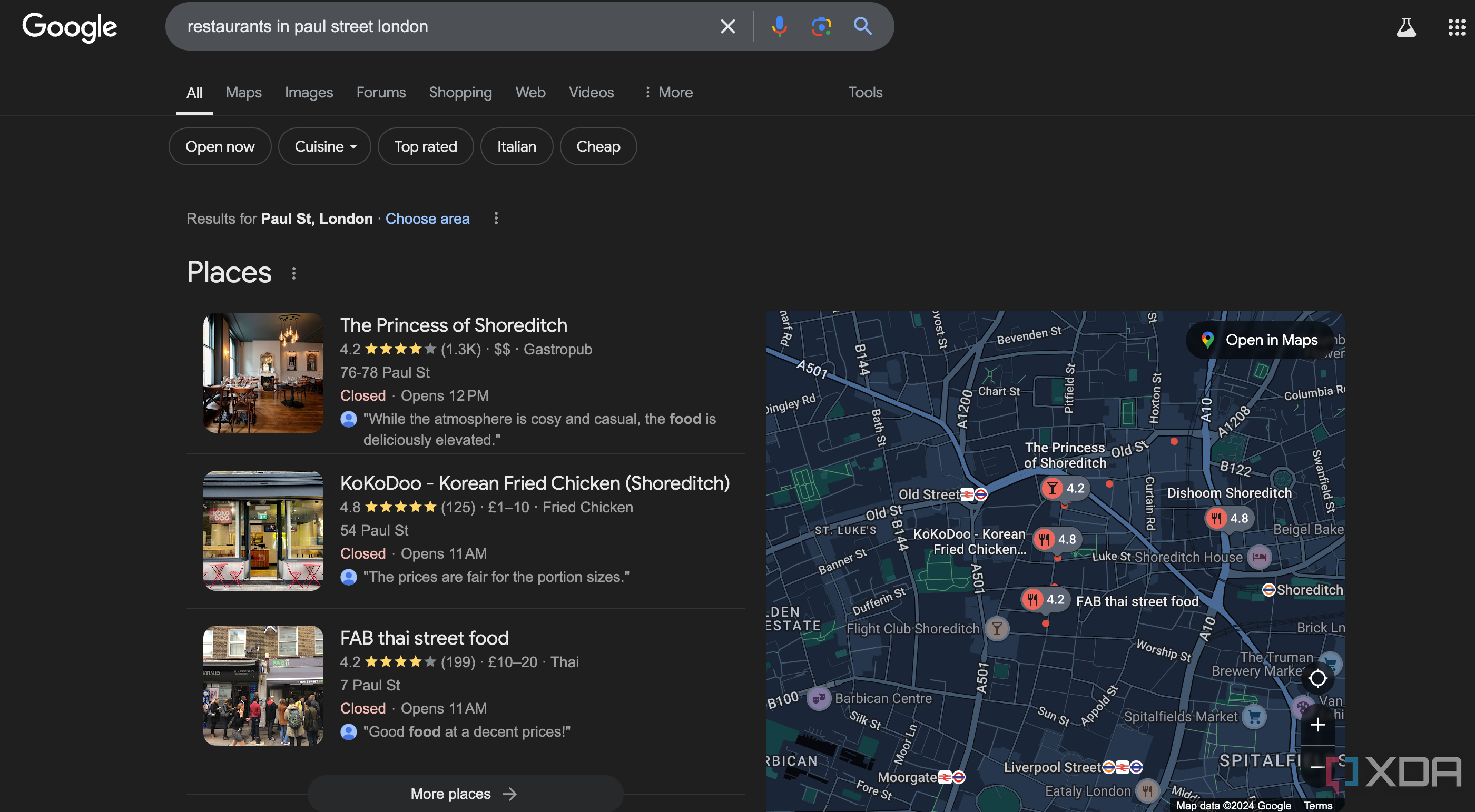
It's almost impossible to get away from advertising, but that doesn't mean you shouldn't try. Microsoft's telemetry collection talks about personalized experiences but also about recommending other Microsoft products or services or promoting services or products inside first-party Microsoft products or services. Some recent examples of this include ads in the Start menu, ads in File Explorer, ads in the Settings app, ads in the Weather app, and suggested notifications to buy games from Microsoft-owned game studios, like the recent Black Ops 6.
It's honestly disgusting, and it's the kind of monopolizing behavior that has gotten Microsoft in trouble with regulators the world over. It's also a sign of the times, as Google Chrome is changing to Manifest V3, so many popular ad blockers won't work, and YouTube is experimenting with detecting ad blockers and restricting user access to the site after so many infractions. It's an arms race between blockers and the advertising companies, and it's going to get worse until governments do something about it.
Just for the record, I'm not against advertising. I'm also not against learning about potentially useful tools or services that could help make my job easier. But I'm absolutely against the trend of stuffing advertising wherever it can fit and poorly run advertising networks that serve low-quality advertising or, in some cases, outright malware. I don't see how to balance user safety and online revenue streams from advertising without the ad networks cleaning up their act.

People are reporting even more ads in Windows 11 after the latest update
Have you heard about Black Ops 6? You will soon.
Windows telemetry is out of hand—keep hold of your data
To be clear, I'm not saying Microsoft is involved in any schemes to track me, you, or our devices for anything other than what their documentation says. But there's a lot of data that they do collect, and even the most secure servers can be hacked. I'd rather not have to deal with the fallout of someone being able to digitally recreate my life, so I limit the types of data I share with the services I use.