
It's been over 7 years since I installed Windows 10 for the first time. I was building a gaming PC after 3 years, AMD's first-ever Ryzen CPUs had just come out, and I was using a GTX 1050 Ti — sounds like a different era. Since then, I've loved my time with Windows 10, never feeling the urge to "upgrade" to Windows 11.
Microsoft's older Windows does everything for me, and even though it might become outdated in 2025, I'm confident I'll never voluntarily switch to Windows 11. Windows 11 is always getting new features, but somehow, Microsoft keeps taking the OS one step forward, then two steps backward. So, here are my personal reasons for why I'll stay with Windows 10 until the end of the line.

Microsoft should stop pretending that Windows 10 users don't know Windows 11 exists
Microsoft has tried teaching the Windows 10 crowd, but it hasn't done much. Now it needs a reason for people to upgrade to Windows 11.
5 Too many ads and Copilot+
Is it even possible to save Win 11 at this point?
I don't need to tell you how bad the ads and privacy situation is with Windows 11. Most of you may be daily-driving Windows 11, and have experienced it first-hand. For those like me who are still on the fence, Microsoft has been pushing more and more advertisements on Windows 11, and in places you wouldn't even expect. From the lock screen and Start menu to the Settings screen, Windows 11 ads are everywhere.
Besides the privacy concerns here, the OS is just too annoying to use. When you can't escape ads, "suggestions," and "recommendations" anywhere you navigate within your OS, something needs to change. Another thing keeping me away from Windows 11 is Microsoft's huge focus on stuffing Copilot+ features into the OS. I've still not seen any feature that would be game-changing enough to make me switch to the latest Windows version.
At this point, I've been alienated by Microsoft's general direction with Windows.
Lastly, Microsoft seems to be making it impossible for anyone to use Windows 11 without a Microsoft account. Even the workarounds are getting removed or more complicated than ever. At this point, I've been alienated by Microsoft's general direction with Windows. I'm still waiting for the day when my gaming PC encounters an issue that is serious enough to even consider moving to Windows 11.

5 ways Windows has gotten worse
Windows has been in a difficult place for a while now, and while it's improved in some ways, in others it's gone seriously downhill
4 I keep hearing complaints from Win 11 users
Unexpected functionality and compatibility issues
It's not just the bad press Windows 11 is getting from online publications, even existing users on Reddit and other forums seem to hate it with a passion. Whenever a new update for the OS drops, I see dozens of comments on every related XDA article pointing out the features it has broken. Sometimes, it's driver compatibility or customization issues, while in other instances, some applications stop working, throwing random BSODs.
While these issues might be easily ironed out soon, this entire conversation steers me away from Windows 11.
Even the latest 24H2 update for Windows 11 has brought a slew of bugs, as pointed out by Redditors in multiple posts. While these issues might be ironed out soon, this entire conversation steers me away from Windows 11. I'd rather keep using Windows 10, where I've not experienced any major performance or functionality issues in years.

Before you install Windows 11 24H2, beware of these known issues
Like any new Windows 11 release, version 24H2 comes with some known issues
3 I tried it for a while... and hated it
My secondary Win 11 experience was a mess
Despite the negative sentiment and user experiences surrounding Windows 11, I gave it a try on my secondary SSD. I was forced to do it for work, since I needed screenshots for Windows 11-related articles. Whatever the reason, I was finally using Windows 11 after avoiding it for years. However, the experience was far from ideal, or even what I'd consider comfortable.
Even if I could spend a few minutes bringing everything back to "normal," there was no escaping the bloatware Microsoft was adamant about pushing down my throat.
My first set of frustrations came from the things I missed after using Windows 10 for years. The Start menu was different, context menus had missing options, and familiar Windows settings had disappeared. Even if I could spend a few minutes bringing everything back to "normal," there was no escaping the bloatware Microsoft was adamant about pushing down my throat.
Another annoying habit of Windows 11 was every other update undoing all the changes I had made to make it feel like Windows 10. Many users share the sentiment that Microsoft simply wants to monetize every aspect of Windows, and doesn't care about improving the user experience at all. I'm beginning to see the reasons behind this feeling.
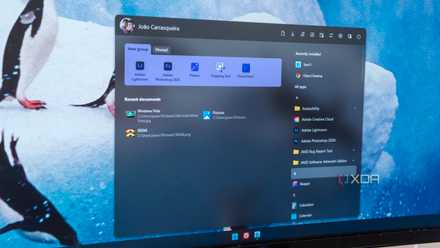
Windows has gotten stale — here's how I make it my own
You can still have fun with your PC
2 I'm wary of future bugs on Windows 11
Considering recent events
Another big reason why I'm avoiding Windows 11 so fervently is a fear of the unknown. I can handle a few minor bugs, but certain weird problems have started appearing with the latest Windows 24H2 update. The biggest of them is the tendency of computers with certain WD SSDs to experience crashes soon after upgrading to 24H2.
There are always workarounds for such issues, but I prefer not messing with the registry unless absolutely essential.
Several users found that the common link between systems facing these crashes was a small set of WD SSDs, which included the popular WD SN770 and SN580. As I happen to have the former as my primary SSD, I'm naturally averse to risking a Windows 11 installation. There are always workarounds for such issues, but I prefer not messing with the registry unless absolutely essential. Besides, moving to Windows 11 is certainly not essential in my book.
Considering such strange behavior with the latest Windows update, I'm worried about what kind of issues future updates will bring. Jumping to Windows 11 24H2 for the gaming performance improvements alone doesn't seem worth it. Even the slightly better performance of features like DirectStorage is a tough sell to Windows 10 users with reasonably high-end systems.

3 reasons Windows 11 24H2 might finally encourage people to upgrade from Windows 10
Microsoft needs a way to convince Windows 10 users to upgrade, and the 24H2 update may be it.
1 I'm too comfortable with Windows 10
Frankly, this is the biggest factor
I'm a creature of habit, and many of my fellow holdouts might feel the same when it comes to leaving Windows 10 behind. After 7 years of using Windows 10, I'm extremely comfortable with how my gaming PC feels. I don't feel any gaping need to switch operating systems either. In fact, after seeing how Windows 11 users react after making the switch — and after trying it out myself — I appreciate what I have even more.
After 7 years of using Windows 10, I'm extremely comfortable with how my gaming PC feels.
The Start menu functions as it's supposed to (since my Windows XP days), settings and features aren't hidden behind multiple clicks, and Windows search is much more useful. Even little things like changing default apps, less stringent hardware requirements, and the lack of forced Microsoft account usage make it worth it to skip Windows 11 altogether.
Maybe Microsoft mends its ways with a potential "Windows 12," but we might never get a whole new Windows for a long time, with Windows 11 receiving major yearly updates for years to come.

6 things that represent my love-hate relationship with Windows 11
It's been a complicated relationship with Windows 11 for me, so I decided to look into the things that define it
I know the clock will eventually run out on Windows 10
As it happens with every new iteration of Windows, people try to remain on the older version for as long as possible. Even though I feel the objections about Windows 11 are much more valid compared to those we had with Windows 10, the outcome will be the same. At some point, staying on Windows 10 will become pointless.
For me, this will happen either due to Windows 11 providing a night-and-day difference in gaming performance, or due to the security risk of the older OS becoming too big to overlook. Personally, I'm planning to fight it out till the very end, even risking the security of my PC. However, this isn't really advisable for most users, so we'll probably see a big increase in Windows 11's market share by the end of 2025.

8 ways to fine-tune Windows 11 for optimal performance without the bloat
You can squeeze more performance out of Windows 11 with these steps