
Summary
- Windows still has the most exclusive apps
- Most games are still made for Windows first and foremost
- Switching operating systems may be difficult due to hardware limitations and familiarity with Windows.
Everyone likes to hate Windows 11, and many times, it's for good reason, Microsoft makes a lot of strange decisions at times that hurt the user experience or don't add much value. I'm no exception to that, but when it comes down to it, the fact is most people are going to keep using Windows, no matter how much we like to complain.
Why is that? Well, switching platforms isn't as easy as it might seem, and Windows is kind of a winner by default by virtue of being the most popular platform out there. Let's take a look at a few reasons Windows will remain the most popular OS choice for quite some time.
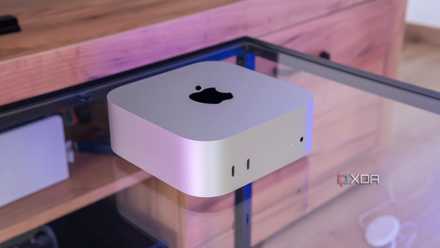
7 reasons I'm not going back to Windows after using the Mac Mini
It didn't take long to convert me
6 It has all the apps you want
It's kind of hard to rival
Whenever you talk about apps or programs for computers, 95% of the time, you're probably talking about WIndows apps. Yes, a lot of apps are also available on macOS, and some are also on Linux, and for the ones that aren't, it's also true that you can often find alternatives to them.
But alternatives are just that — workarounds for things that you already use and know how to do. You can learn how to use that alternative, sure, but that's a learning curve you don't necessarily want to deal with. Some features you're used to may just not work, or not function in the same way. What's more, if you're working in some fields, there's a good chance you spent money on tools that may no longer work, and you may need to invest money again to get new tools on that new platform. Bought into Microsoft 365? It won't run on Linux, so that money is gone.
Even for the apps that are on multiple platforms, support for each one may not always be as robust. Windows is the most popular OS, so it often gets the most attention. It's not easy to move away.

5 macOS apps I use to help me transition from Windows
Learning macOS can be a challenge, but this helps
5 Gaming
Well, at least for now
I don't want to speak too soon with this one, but Windows is still clearly the dominant platform for PC gaming, and developers kind of make sure of that. Every game that comes out on PC is on Windows first, and many times, it's Windows exclusive, at least in an official capacity. macOS gaming is still a bit of a joke, despite Macs being technically capable of running demanding games.

I tried gaming on the M4 Mac Mini — here's how it went
It's good when it works
It has to be mentioned that Linux gaming has seen something of a meteoric rise in the past few years, though, with the launch of the Steam Deck, which runs SteamOS, a Linux-based platform. There are more Linux gaming machines out there than ever before, and with Lenovo also joining the fray with the Legion Go S, that number is going to keep going up.
But it's going to be very hard to knock Windows off its stand when it comes to official support. Games are very complicated pieces of software thatr are hard to adapt to different platforms, and some developers have outright blocked Steam Deck owners from playing their games online. It's still a bit of an uphill battle.
4 Hardware support
It's always a gamble
While we're on the topic of things supporting other operating systems, it's also worth mentioning that your peripherals may only be designed to work with Windows. A lot of the morew basic tools like mice, keyboards, and even webcams may work just fine on any operating system, but a lot of fields have very specific hardware you may need, and it just may not work for you.
As an example, the colorimeter I use for reviews is the SpyderX Pro, and if you go onto Spyder's website, the software only exists for Windows and macOS. My Razer BlackShark V2 headset that I use for streaming is only configurable through the Razer Synapse app, which is exclusive to Windows. The headset works on my Mac Mini, but if I want to change the properties of the microphone, for instance, I need a Windows PC to do it.
There are a lot of things like that to cause you trouble, and switching platforms may just not be viable.
3 Installing other operating systems is hard
Most people don't want to deal with that
Alright, so you're an XDA regular, which probably means you're pretty comfortable installing operating systems and doing all kinds of tinkering. I get it, I do. But for the vast majority of people, installing a different operating system is way more work than anyone wants. Creating installation media, backing up your files, splitting partitions (if you want to dual-boot)... it's a lot to go through for someone who just wants their computer to get work done.
I mean, macOS is straight-up impossible to install on anything that doesn't come with it preloaded. And Linux, on top of all the work of actually installing the OS, has a lot of other things to consider, like drivers, which are managed in very different ways from Windows. Most manufacturers also don't provide official support for Linux, so if something goes wrong, you may just be out of luck getting help.
Every article we write where Microsoft does something wrong (and even when it doesn't), there is someone in the comments telling you to switch to Linux and how it's so easy to do. But it isn't.
2 Macs aren't cheap
It's a big barrier
Say you want to avoid the hassle of installing another OS and just buy a Mac that comes with macOS out of the box. A solid option, sure, but the thing is, Macs aren't cheap computers. Windows laptops can get pretty expensive, too, but there are a ton more budget-friendly options compared to the Mac world, and what's more, a lot of Windows laptops get huge discounts relatively frequently. There's rarely a time when you can can go shopping on Best Buy and not see at least one laptop with hundreds of dollars slashed off their price tags.
With Macs, that just doesn't happen. The Mac Mini is a relatively cheap PC for sure, but anything beyond that is a firmly premium product. And to make matters worse, the base models of most Apple computers are designed to make you want to upgrade. 16GB of RAM and 256GB of storage is not a lot for a $1,100 laptop. And Apple charges you $200 for every storage or RAM upgrade, so at that point, that laptop becomes very pricy for what you get.
And if you're thinking of buying a Linux PC... well, good luck finding one. Your options are extremely limited there.
1 You don't want to learn something new
Why fix what's... only slightly broken?
Even disregarding all the barriers to even starting the process of switching to a new operating system, there's quite a bit more to consider. Windows has been the primary platform for so long that you already know what to expect from it. Some things may change, but the basic paradigms are fundamentally the same. You open the Start menu from the taskbar at the bottom of the screen, it has a search bar, the option to close and minimize windows are big buttons in the top right corner of the app, some apps have menus built into them that are shown along the top, and so on.
These are all things we've gotten used to over the years, but they're not all established across the board. When I reviewed the Mac Mini last November, I had a lot of trouble getting used to macOS for the first couple of weeks. Scrolling was reversed, app menus are all forced onto the menu bar at the top of the screen, the launchpad takes up the entire screen, and installing or uninstalling apps feels very different. And for Linux, every distro is a different flavor, so your mileage can vary a lot. Some experiences may be closer to Windows, but others will have big differences, and a lot of Linux does expect you to get comfortable with the terminal, which isn't for everyone.

10 things that drove me mad using macOS for the first time
macOS is a learning experience
No matter what, you're going to have to adapt quite a bit, and most people just want their computers to do what they've always done. At the end of the day, Windows may introduce some annoyances here and there, but if you just need a work tool, going through the trouble of setting up and learning a whole new operating system is a huge waste of time.
Complaining is good, but we have to be realistic
All of this isn't to say we should give Windows a pass or that there aren't legitimate reasons to want to use other platforms. I mean, I use a Mac Mini as my daily driver these days and I'm very happy with it. But the truth is Windows is and will likely continue to be the most popular choice, and there are good reasons for that too. And Microsoft will likely keep gong back and forth between fixing things and making them worse, giving us just enough hope to keep using Windows a little while longer.