
Summary
- Semiconductors are excluded from new tariffs for now, protecting PC hardware prices.
- Expect tariffs on other PC hardware materials like aluminum to increase prices.
- Finished products from countries like Vietnam may see price hikes due to tariffs.
One minute after the stock market closed on Wednesday, President Trump introduced sweeping tariffs on nearly all major U.S. trade partners. The new tariffs include 34% on China, 46% on Vietnam, and, most worrying for the PC market, 32% on Taiwan, where the majority of semiconductor manufacturing happens. However, according to a Reuters correspondent (via Tom's Hardware), semiconductors are part of a small list of exclusions. Tariffs reportedly won't apply to semiconductors manufactured in Europe, Japan, South Korea, Taiwan, and even China, which is a bright spot in a bad situation for PC hardware prices.
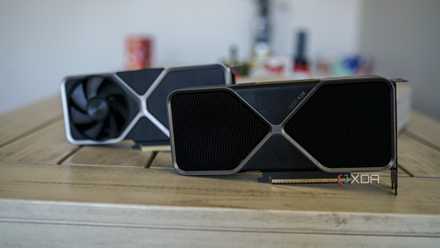
Semiconductors are being spared for now, but the future is uncertain
Other tariffs still apply to PC hardware
The vast majority of semiconductors are made in Taiwan at TSMC, at least when looking at PC and mobile hardware. The exemption should help keep the prices of PC hardware at bay, particularly for fabless semiconductor companies like AMD, Nvidia, and Qualcomm who largely use TSMC to manufacture their chip designs. Although that's great news for PC hardware, the exemption only concerns the chips themselves. Tariffs on other materials used in PCs, such as aluminum, still apply and will likely push PC hardware prices up.
Semiconductors aren't completely safe, though. According to Reuters correspondent Max Cherney, the Trump administration is preparing separate tariffs on semiconductors, along with other categories, such as copper. There's no indication right now if that means the tariffs will be lower or higher in these categories, but for the sake of everyone's wallet, let's hope it's the former.
One of the more concerning tariffs is on Vietnam. Short of minor trade partners like Sri Lanka and Laos, Vietnam has the highest rate of tariffs at 46%. Following the trade war with China in the first Trump administration, multiple tech companies moved manufacturing to Vietnam to dodge the tariffs. That includes Nintendo, which just revealed the Nintendo Switch 2, as well as Intel, which confirmed its Arc B580 graphics card is made in Vietnam. Although semiconductors are separated from the tariffs announced yesterday, these finished products are not.
That's where the majority of price increases in the U.S. will likely come from; finished goods imported from other countries rather than raw materials. It's hard to say now where prices will end up, though it won't likely be one-to-one with the tariffs. We're already seeing the impact now, though. For instance, the upcoming Nintendo Switch 2 costs $100 less in Japan.