
Summary
- ESP32 spins an HC-SR04 on a stepper to create a continuous 360° ultrasonic radar.
- Angle and distance pairs are streamed over TCP to a Processing UI that plots a live radar on a PC.
- ESP32 runs everything; source code is clear and documented — read it instead of just copy-pasting.
For years, tinkerers have helped us answer the age-old question: what's going on around us? Okay, sure, you can just turn your head and look, but that's neither as cool nor as fun as making a device that does the looking for you. As such, we've seen all kinds of projects, from motion sensors to security cameras, to help us see more than we usually can.
But what about the humble sonar? Can you build one of those at home? Well, as it turns out, you can; all you need is an ESP32, some motors, batteries, and a rotating platform, and you have something that looks like the scanners from Alien.
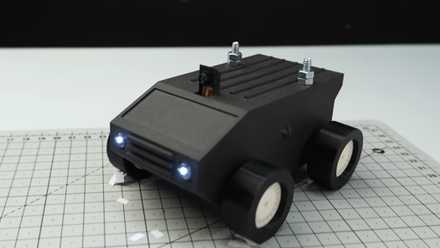
This $30 ESP32 project lets you drive a tiny spy car with a live camera
You can do a lot with a microcontroller and a 3D printer
This ESP32-powered 360° ultrasound radar keeps an eye out for you
It even has its own pair of "eyes"
This cool project was the idea of SciCraft, who uploaded a YouTube video showing how to get it built and what it looks like when it's operational. They were also kind enough to upload the source code and instructions on GitHub, so you can follow along if you want to make one at home.
Here's how SciCraft describes the project:
This is not a fancy sensor fusion project. It's a clean, minimal system that answers one question: where are objects around me, at every angle?
The ESP32 drives a stepper motor that rotates an HC-SR04 ultrasonic sensor in a continuous 360° sweep. At regular angular intervals, it reads the distance and transmits
angle,distancepairs over a TCP socket to a Processing-based radar UI running on a PC. The UI plots those readings in real time, giving you a live radar display.
The creator also says that the ESP32 handles everything you see in this project. No secondary boards are working as backup; everything's running off the microprocessor, which is really nice to see.
Fortunately, the developer also laid out their source code in a way that's easy to read. They also took the time to explain each part of the code on the project's GitHub page, so you can understand what each part is doing and why. While the creator understands if you just copy-paste the code and move on, they recommend getting to grips with what it does so you can better solve issues and adapt it to different sensors or motors.

6 projects you can complete in a weekend with the $5 ESP32
The ESP32 is affordable and powerful, and there's a lot you can do with one.