
When a device connects to your home local area network (LAN), it is provided an internet protocol (IP) address, which allows all other devices (and external servers) to send and receive data without mistakenly communicating with some other device on the network. A router will usually use the Dynamic Host Configuration Protocol (DHCP) server to assign dynamic IP addresses to devices on the network. A static IP address is a device that wants the same IP address when communicating with the DHCP server.
Using DHCP will usually hand out the same IP address to devices, but the router can end a lease and use that same IP address for a new device, since there's a finite number of these addresses available. Static IPs are a way to assign the same IP address to the device for easier connections, which can prove useful for servers and other instances where you need the IP to remain constant, but static IPs aren't the best way to achieve this. Instead, you should use your router to reserve specific IP addresses for devices.

Why you should use a static IP address in your home network
Make local networking easier with dedicated IPs
Why static IPs can be a good (and bad) idea
I'm telling you to stop setting static IPs, but I also believe them to be a good idea for any home network, so what gives? It's all about how you assign these IP addresses. If it's done through the client, this is where issues can arise. It's easy to log into your PC (or any devices) and configure the IP as a static one, requesting it from the router. If available, your device will be assigned that IP address and will continue to request it whenever the initial network handshake is carried out.
That's great until your PC requests 192.168.1.4, but it has already been assigned to another device on the network. Whoops! The thing is, your router doesn't care for what static IPs are configured on a per-device basis. When a client connects to the router and asks for an IP, the router may carry out this request, but that solely depends on IP address availability. If it's already gone, your PC will need a new one configured within its network settings and unless you already know all the assigned IPs, you're essentially guessing.
If your PC or some other device has a static IP address configured, it may attempt to ask for the same IP when connecting to another network. This can be problematic, depending on how that LAN is set up. But static IP addresses (or those that don't change) are great for various tasks. You can configure servers, network-attached storage (NAS), printers, and other hardware to all use the same IP each time they connect to the network, so everything works as is and doesn't need recalibration.
It's how you go about assigning these static IP addresses that makes all the difference, which leads me onto IP address reservation and leasing.

How to configure static IPs on your LAN
My favorite method to assign static IPs for various hardware is to use leases and reserved addresses on the router. Most routers will support this feature, including many from internet service providers (ISPs). All that's required is to log into the router and navigate to the section that governs DHCP and IP address allocation. You can usually one-click reserve specific addresses to the devices they're assigned to, but further configuration may be required if you wish to assign a specific IP to a MAC.
The router will use the device's Media Access Control(MAC), which is unique to that client, allowing the router to remember the device and only assign that IP when connected. As touched on above, doing so is great for configuring your network and making it easier to handle all the clients and other equipment hooked up to your router. I have all my networking gear assigned to IPs between 192.168.1.1 (for the gateway) and 192.168.1.10, including switches, access points, and anything else network-related.
Servers and other devices running self-hosted services can also be assigned specific IPs, which will help with reverse proxies and clients needing to connect to them from within or outside the network. Using a VPN on your router for blanket protection can also be configured using assigned IPs and aliases, reserving a group of IPs for VPN-only connections or to avoid the VPN touching specific hardware. This is especially handy for playing online games, getting around search engine restrictions or avoiding a VPN altogether.
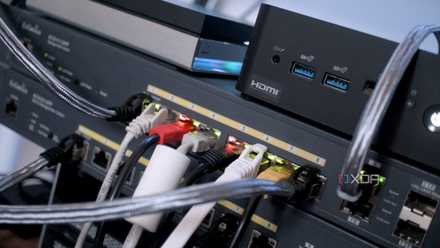
9 things to avoid when building your dream OPNsense firewall
Building your own firewall can be incredibly rewarding, but here are some things to watch out for.