
CES 2025 is almost here, and we're expecting Nvidia to unveil the RTX 5000 series, AMD to show us what the next generation of Radeon GPUs will be called, and a bunch of other PC hardware that'll be ripe for upgrading to this year. It should be a wonderful time with the future of PC gaming on display with everything consumers will be able to buy later on in stores. But this year isn't normal, and really, no technology release for a while has.
We've seen leaked pricing for some Nvidia graphics cards that made my wallet weep. Naming schemes from AMD could be a carbon copy of the names used by its GPU rivals. Stock levels are always an issue, and prices for everything have been trending upwards. It couldn't be a worse year to upgrade your PC for most users.
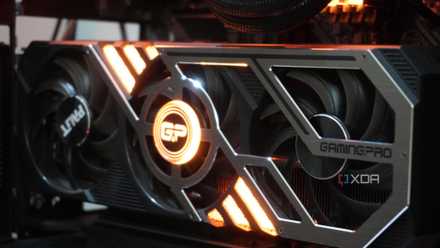
5 reasons I have mentally given up on upgrading my gaming PC
Upgrading my gaming PC isn't my focus anymore, and I have a lot of reasons for it
5 GPUs are going to be expensive
There's no way around this one if you want the flagship
Enthusiasts are not going to enjoy this year because the leaked pricing so far for the Nvidia GeForce RTX 5090 is going to hurt. The US price could be as high as $2,200 (or even more), as Chinese pricing is going to be around $2,600. When you remember that US prices never show how much you'll pay in additional taxes, expect a similar price tag at the register. The next-most affordable Nvidia card will be the RTX 5080, and that's going to be expensive as well.
Aha, you might think, but what about AMD and Intel. Well, you might ask that, but AMD has given up on the enthusiast market, so the next Radeon cards will be competing against the Nvidia GeForce RTX 5070 instead. Intel gave up trying to compete even at the midrange, and the second generation of Arc GPUs is firmly aimed at the budget crowd.
That leaves Nvidia with assuming the performance crown, and gives them license to charge whatever the market will pay for it. With no viable competition, who can blame them really, and the shareholders will probably be happy because enterprise sales for AI will be astronomical, both in sales figures and in cost.

3 reasons why right now is the worst time to upgrade your GPU
Waiting just a little while longer will pay dividends for your future GPU upgrade
4 Arrow Lake is still a mess
AMD is the smart play for new CPUs but they're too popular
When upgrading your PC, one of the most common upgrades is a new CPU. That often means a new motherboard as well, since CPU sockets change every few generations. Until we get Arm-based CPUs on the desktop, that means a choice between AMD Ryzen and Intel's Core ranges. Except, Intel is now in its third generation of CPUs with issues, and AMD keeps going from strength to strength.
We've written extensively on Intel's issues with 13th and 14th Gen CPUs, which had a tendency to increase the internal voltage and degrade before they were supposed to. Arrow Lake was supposed to fix things, and to be fair it did fix the overheating, power, and (so far) degradation issues. But it came with its own issues, with memory compatibility being a huge problem, expensive motherboards, and lackluster performance in both gaming and professional uses.
That means it's very difficult to recommend buying anything but an AMD CPU these days, and that's a problem on its own. Some users had issues in the Bulldozer days and refused to listen to anything that wasn't from Intel. Others have different reasons, but the lack of effective competition means AMD will have trouble keeping stock on shelves for those who want to upgrade, because the number of options has decreased. Expect frustration with whichever CPU manufacturer you choose in 2025, but for different reasons entirely.

Don't buy an Intel Arrow Lake CPU, get one of these instead
Intel's new Arrow Lake CPUs are here, but they're not quite ready for prime time. If you're building a PC now, check out these CPUs instead.
3 Impending tariffs
Everything in tech is about to get much more expensive for the consumer
The US has a new administration in a few short weeks, and one of the major policies floated is large tariffs on pretty much anything that's not made in the US. Which is just about everything technology-based because of decades of outsourcing manufacturing to countries with cheaper labor costs. If these get enacted, expect every single PC component to jump in price, and prebuilt PCs, PC gaming handhelds, TVs, consoles, and anything else that plugs into the wall.
It's going to stifle the expansion of the PC market after years of high gains driven by the work-from-home push during the pandemic years. Market research firm Canalys thinks PC prices could rise up to 46% and stagnate the market, with a predicted growth of only 2 percent in 2025. 2024's market grew by around 7%, with laptops outperforming that trend with a 9% increase.
It could even be worse, or maybe we'll be spared some of the tariffs if they end up being a bargaining chip instead of a serious thing. Either way, expect PC hardware upgrades to cost more this year.
2 Stock issues
The first few months after any tech launch are a terrible time
If there is one maxim you could say about every major tech release in the last five years or so, it's that availability is a struggle. Whether it's scalpers botting sales to get ahead of regular consumers, paper launches when the stock really isn't ready, or popularity and reviews causing products to go out of stock early, it's been a bad time for consumers.
This year isn't going to be any different, and we've already seen signs that stock levels are going to be low everywhere. The last few big releases have all had stock issues, from the AMD Ryzen 7 9800X3D selling out online within days, to Intel's B580 Battlemage GPUs selling out, and low stocks of Intel Arrow Lake CPUs to choose from.
With a stacked calendar of releases ahead of us in the next few months and beyond, that bodes ill for being able to buy the upgrades you've been waiting for. Checking stock tracking sites will be helpful yet again, as they helped with everything from PlayStation 5 and Xbox Series X|S restocks to PC gaming handhelds and more.

How I made my own notification system with Python to track stocks, the weather, and more
You can build your own tracking systems with Python, and it's surprisingly easy.
1 Confusing naming schemes
It's about to get even worse when deciding what to buy
The long history of PC hardware used to have multiple players for most major components, but attrition and mergers have left us with two or sometimes three alternatives. When the playing field only has two viable options, naming conventions tend to mimic each other, as companies feel direct naming comparisons help consumers pick out a product.
Except, that hasn't worked too well for any major brands, ever. There are many cola brands, but how many can you name by their distinct name? Two, right? And you can differentiate them by their branding color as well. AMD and Intel both make CPUs, and they both have tiers at 3/5/7/9 to show a clear progression between performance levels. But then the rest of the numbering scheme is confusing, to show the generation the processors are from and also a second level of tiers of performance.
Graphics cards also have the same problem, with AMD and Nvidia being the main manufacturers and Intel now offers a third option to choose from. Consumers are so used to how Nvidia differentiates its GPU tiers, with the RTX 5090 coming from the 5000 series and the 90, aka flagship tier, that AMD is going to copy that naming scheme for RDNA 4. This time, the rumored AMD flagship will be the 9070 XT, which is supposed to be a direct competitor to the GeForce RTX 5070.
I don't particularly like this change, as it makes it look like an even decision between the two cards for each tier. Except, we know it won't be, because AMD puts more VRAM on its cards at every tier than Nvidia, while Nvidia has better performance in ray tracing and other features. I'd rather see exciting GPU names than see everything go down the same road CPU branding has gone, but maybe this will play out better in sales.
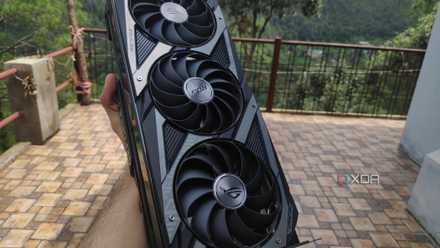
5 tech products with terrible naming conventions
From tongue-twisting monitor names to the extremely confusing USB standards, here are five tech products that could do with simpler names
2025 looks dire for upgrading your PC, but maybe it won't be that bad
It might look like there's a perfect storm of bad prices, bad naming choices, and a lack of meaningful competition, but this is mostly based on rumors, projections, and some hands-on knowledge. Until we see actual prices and third-party benchmarks for the PC hardware that's being released this year it's hard to make any concrete analysis. That is, except to say that upgrades are probably going to be more expensive this year anyway, because even without potential tariffs, prices have been trending in that direction for some time. And that might be all the reason to skip a generation if your PC is still putting out decent frame rates.