
CES 2025 is well underway, and one surprise that came from the show was confirmation from Valve that the company wants SteamOS to run on everything. It's been kind of expected for a while, but a direct confirmation of it along with a promise for more devices to come with it isn't necessarily something most people had on their bingo cards for the show. What it means is that you'll be able to install SteamOS on your PC or your gaming handheld, without a need to worry about dealing with Windows.
SteamOS is paving the way for gaming on Linux
2025 is the year of gaming on Linux, for real this time
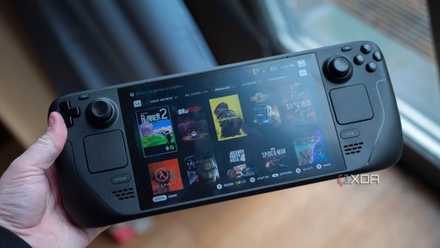
There's been a long, long running meme that "X year is the year of gaming on Linux", but I truly believe that Valve is setting out to make that a reality. SteamOS is paving that way, by making it incredibly easy to play Windows-based games on Linux, whether or not they support it natively. Thanks to Proton, a translation layer that handles everything at runtime, most games run completely fine on the Steam Deck, to the point that some games like Elden Ring actually run better on the Steam Deck in SteamOS than they do on the same device running Windows.
Valve's efforts are likely held up by a few key motivations for the company. Valve is clearly trying to push people away from relying on Windows, and part of that incentive might be Microsoft's own game store that can be accessed from within Windows. Plus, Linux being an open platform and SteamOS being distributed by Valve means that the company can make the changes that it wants to without worrying that an update from Microsoft might break something or change behavior. Windows is an operating system aimed at everyone, whereas SteamOS is an operating system aimed at gamers.
Of course, that doesn't mean you have to be a gamer or you have to be gaming all the time to use SteamOS. The robust desktop mode available on the Steam Deck enables all kinds of modifications, including the ability to install plugins and third-party software, and the company doesn't prevent you from using third-party game launchers such as Epic Games, either. It's making gaming on Linux as accessible as possible, and a full SteamOS release that consumers can install might make it the case that people finally make the switch.
The one major roadblock to Linux adoption will be those who play competitive games like Valorant or Counter-Strike. A lot of modern day anti-cheat software uses a kernel-level driver to facilitate its own detection mechanisms, and while Counter-Strike itself doesn't do that, third-party competitive matchmaking services in the game like FaceIt do. If more and more gamers make the switch, it may force those companies to find an alternative to bring back those players, which might include supporting a Linux-based anti-cheat.
How to install and use Moonlight on Steam Deck
Moonlight is a great way to make more games playable on your Steam Deck, and it only takes a few minutes to set up.
How will SteamOS on other devices work?
It'll be in beta at first
Valve didn't provide any details on how SteamOS will be installed on other devices, aside from saying that the Lenovo Legion Go 2 (shown as a prototype at CES and launching as a Windows-only handheld) will still be able to run SteamOS in the future if a user wants to install it themselves. Valve said that the beta will be coming soon for users to to install themselves, but keep in mind that it is a beta. That means it might not necessarily be up to scruff straight away, and given that Valve's efforts have previously been focused on AMD, it might not work as well on Nvidia and Intel-based machines.
The beauty of SteamOS is that Windows simply isn't made for gaming handhelds, and it's been an Achilles heel of the ones that have launched with it. While the Steam Deck is relatively underpowered, it manages to rise above the rest thanks to its great user interface and experience, which make it akin to a console capable of PC gaming. With powerful gaming handhelds potentially being capable of running SteamOS too, then that means you can get the best of both worlds, though you will lose out on some of the titles that only run on Windows.
What this also might signal is the return of Steam Machines, especially with rumors of "Fremont" being on the horizon. Steam Machines were Valve's initiative that saw people be able to build their own gaming consoles that run SteamOS, but it's not the SteamOS we know today. It was based on Debian and used Steam's Big Picture mode to facilitate big-screen gaming, rather than being built as a fully gaming-based operating system. While Valve may have been ahead of the curve at the time, they were arguably too ahead of the curve, as Proton was still in its infancy and gaming on Linux wasn't truly tested yet.
When Valve does release SteamOS for users to install on their own devices, it's important to note that it will be a beta. It may not fully work, it may have compatibility issues, and it might not be a worthy Windows replacement on most devices just yet. However, it's certainly a start, and I'm so excited to get to try SteamOS on my other gaming handhelds, like the Ayaneo Kun or the original Lenovo Legion Go.