
Summary
- AIO water cooling systems may lower CPU temps, but high-end air coolers like Noctua NH-D15 offer similar performance without the risk of leaks.
- Custom water cooling loops can provide better cooling, but void warranties and require enthusiast-level expertise.
- For most users, investing in an air cooler like the Noctua NH-D15 is a safer and quieter option over AIO water cooling systems, unless style is a top priority.
As a PC enthusiast, I have a water cooling setup in my PC. It's not anything super high-end, but when I built my PC with an i7-12700KF a few years ago, I purchased a Corsair iCUE H150i to go with it. It looks cool and keeps my temperatures on the lower side, but the truth is that for most people, water cooling is completely a gimmick.
That's not to say that you shouldn't invest in it, of course. There are benefits to water cooling if you plan to overclock or you really want to keep your PC cool, but even overclocking isn't really worth it anymore. Watercooling just doesn't really make sense for most PC users, especially if they're looking to invest in an all-in-one, or AIO.
The problem with water cooling for most users
They're never "leak-proof," but "leak-resistant"
Liquid is bad for electronic components, and I think that everyone can agree on that. An AIO transfers heat from your CPU to a heatsink that's air-cooled, using properties of water to transfer that liquid throughout your system. It uses a pump to do that, and the fans in the heatsink (that aren't on your CPU) are what cools your CPU. An AIO typically distributes the heat across a larger heatsink which means that the temperature is further removed from your CPU.
Because of those properties of an AIO, people will typically experience lower CPU temperatures with one, leading them to applaud its capabilities and say how it's cooling their PC better than an air cooler. While largely true, a good air cooler like the Noctua NH-D15 will manage to achieve very similar levels of performance to a 240mm AIO. Plus, if something breaks in an air cooler, you can just get new fans; the heatsink is obviously fine. Meanwhile, an AIO can leak, and at that stage, there's nothing you can really do about it.
The best argument for water cooling is that a custom loop can provide much better cooling than an AIO, but that's an even more enthusiast-level project. If you direct die cool with a custom loop, you can keep your CPU temperatures much lower than usual, but at the cost of voiding your CPU's warranty. A custom loop will also tend to be quieter than an AIO, as AIOs can be quite loud too.
Best CPU coolers in 2025
Buying the best CPU cooler is just as important as buying any other core component. Here are some of the best CPU coolers on the market.
Just go with an air cooler
Unless you're going for style points, of course
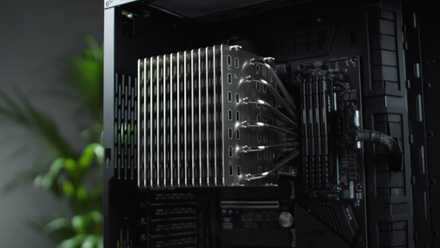
If you're looking for a new cooler for your PC, then just buy a Noctua NH-D15. It's one of the best air coolers out there, and it's capable of going up against liquid AIO solutions while also supporting all major Intel and AMD processors. The only thing you lose out on is style points, as there's no RGB lighting or fancy design elements. Noctua coolers are known for being rather dull in their designs, and this one is no different.
Air coolers are great, and they get a bad rap from people who have used cheaper, less capable air coolers who then went on to use a water cooler instead. Do your research on different air coolers that are designed to withstand the higher TDP of high-end processors, and you'll be amazed at what they're truly capable of.
Water cooling is a gimmick for most people, but that's not a bad thing, and AIOs still have their place. I still use one and I'm not going to change it as I value the aesthetics, but there are undoubtedly benefits to just using an air cooler and calling it a day.