
While they may be the number one choice for gamers now, it wasn’t that long ago that AMD was in some really deep trouble in the CPU space. After steadily losing ground to Intel year after year in performance, they needed to gain some more ground in multithreaded workloads, and the FX series was supposed to do just that. It was AMD’s first major architectural redesign, and hopes were high after AMD’s marketing set lofty expectations. So, what ended up happening with AMD’s FX CPUs?

This 15-year-old AMD Radeon GPU has no active cooling and can still play today's games
Look, ma! I have no fans!
Red Team wasn’t completely out of it
They had some compelling value
Just to set the stage, AMD was no longer the number one choice for enthusiast processors. That title went to Intel, and while they may have been power-hungry, chips like the Q6600 were still slightly better than AMD’s flagship CPUs, and that’s how it was for most of the late 2000s. AMD often offered slightly better value, and maybe a little bit better efficiency, especially once they figured out quad-core processing. The trouble really started to brew once they released the FX line of CPUs, starting with the Bulldozer architecture.
Bulldozer was the initial release of AMD’s first major processor redesign in the 2000s. This series of processors, helmed by the FX-8150, was intended to excel in multi-threaded workloads, and boasted high core counts to go along with its high frequencies. AMD’s marketing during this time was extremely aggressive, making claims of big performance gains over Intel, and specifically claims that it could go head-to-head with Sandy Bridge. This was one of the most anticipated launches of the 2010s, and had tons of community hype around it.
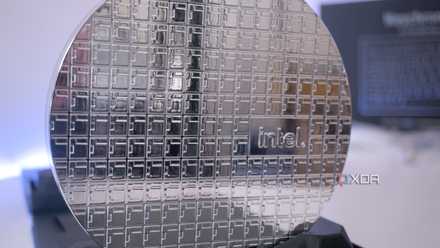
5 things Intel needs to get right with Nova Lake
Intel needs to get the Nova Lake launch right to keep up with AMD.
A complete embarrassment for AMD
Bulldozer crashed and burned
Bulldozer released to very little acclaim. On paper, the processors certainly sounded competitive, but in practice, AMD’s flagship could barely best an i5, and would sometimes be bulldozed by its own predecessor. Even in best case scenarios for the “8-core” processor, it would still lag behind. Besides being under-cooked in its own right, the industry simply didn’t have workloads that could properly take advantage of so many cores. This, combined with low IPC and laughable cooling requirements, made the FX series DOA.
The later revision of Piledriver would show some performance gains, but it simply wasn’t enough. The architecture was fundamentally flawed, and, unfortunately for AMD, they’d have to ride it out for the next few years. AMD would lose over a billion dollars in 2012, and the FX series of processors would push the company to the brink. Meanwhile, Intel’s Sandy Bridge and Ivy Bridge architectures had much greater advancements in single and multithreaded workloads. Year over year, Intel was seeing more gains over its previous generations of products, while AMD couldn’t even beat its own Phenom II.
To make matters even worse, in 2015, a class-action lawsuit was filed against AMD for false advertising of the Bulldozer chips, claiming they weren’t “true” multicore CPUs. AMD ended up settling for over $12 million years later in 2019. Many thought they would declare bankruptcy during the FX era, but they managed to stay afloat long enough to release their Zen architecture, which would set the groundwork for what we have today.

3 things that make the AMD Ryzen 7 9800X3D the best gaming CPU
The AMD Ryzen 7 9800X3D is the best gaming CPU, and these are some of the reasons why.
AMD’s bounce back was impressive
While they were once at the brink of bankruptcy, AMD is now manufacturing chips like the 9800X3D, the number one choice for gaming, as well as growing rapidly for data center use cases. Intel also seems to be poised to make some gains with their new processing node. Competition is great for the industry, and I hope that AMD can replicate the same kind of success they had with Ryzen with the upcoming RDNA 4 launch in March.