
So, one of the best open-world games of all time just got a new remaster, and I can't really say it's finally on par with the 2025 PC experience (because it's not), but for the first time in fifteen years, it's finally closer than ever. Red Dead Redemption just received a native remastered version on PS5, Xbox Series X/S, Nintendo Switch 2, and even Android and iOS.
The console version of the game finally comes with 60 FPS, and 4K resolution among other QoL features. You may be inclined to think that the best part about this is that it's a free upgrade for existing RDR1 players, but truly the best thing about this remaster is how it took me back to a better time, making me realize just how much modern open-world games have changed, and not for the better.
Bewilderment is a feeling we don't design for anymore
I won't ever feel true open-world wonder again
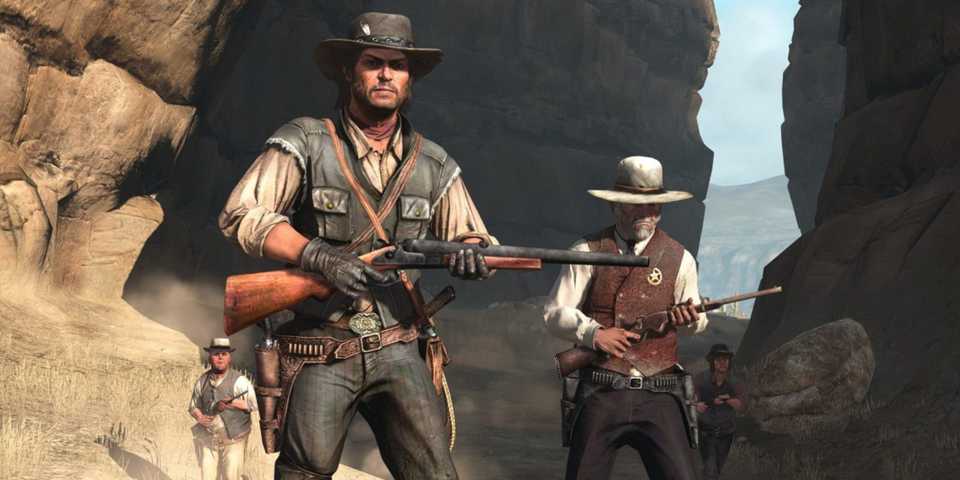
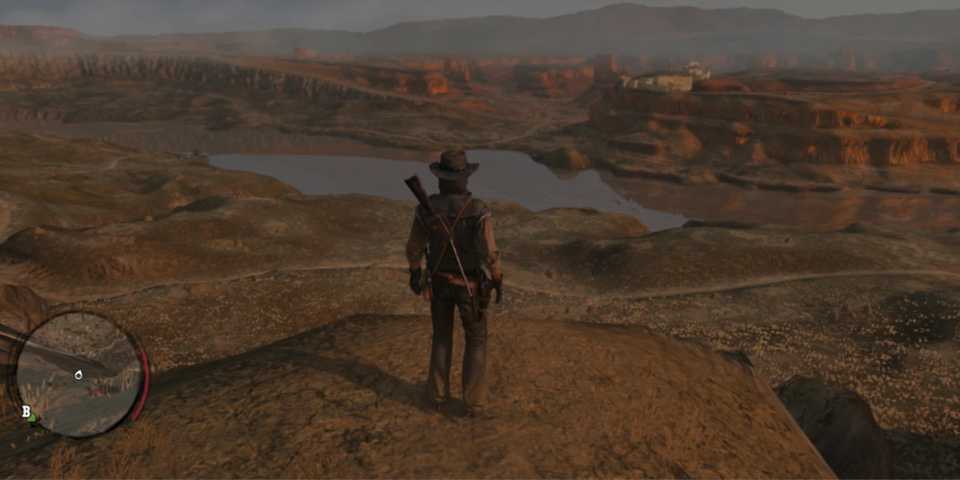
Booting up Red Dead Redemption again felt like time travel, and no, I'm not saying it to make a point about nostalgia, but rather about bewilderment. Fifteen years ago, RDR presented us with an open world that existed completely on its own. NPCs weren't just quest-givers, but they had routines, moods, grudges, and a startling ability to just... ignore you entirely. You could ride into town, do absolutely nothing and stand there, and you'd still feel like the world was busy being itself. That was a "holy hell, how is this real?" feeling, and I can't remember the last time in well over a decade that I've felt something like that.
The hard truth, however, is that this feeling can't really be recreated on command. It's not because studios are lazier now, but because wonder itself is an incredibly finite resource. Once you've seen a world breathe on its own, the trick is known. You start looking for the seams, you become familiar with the systems, and the result is that modern open worlds, despite being bigger, denser, and prettier, are rarely bewildering now.
Today, open worlds are made to be understood and mastered quickly, but Rockstar built theirs in RDR to just be believable, immersive, and grounded.
RDR1 didn't care if you understood it right away. Sure, even I couldn't recreate my sense of wonder since I was playing the game for the third time overall (after my initial run on the Xbox 360 and a recent replay on PC with all the mods in the world). This world is still incredibly amusing to revisit because I couldn't help but remember just how impressed it had left me all those years ago. The game trusts you to get lost, to misread people, and to ride for minutes on end with nothing at all happening. That trust is what makes the world feel alive, because whether or not a bobcat attacks you on the way to a mission is entirely up to the game. Today, I'd say open worlds are made to be legible, designed to be understood quickly and mastered efficiently, while Rockstar built this one to be nothing but believable. There's a difference, and we definitely seem to have lost something precious in the process of choosing clarity over mystery.
When did single-player open-world games require live-service elements?
Why can't an open world simply exist by itself anymore?
Earlier this year, I got to play and review Assassin's Creed Shadows, which is, without any exaggeration, the epitome of the modern AAA open-world experience. It looked and played great, but the contrast from that game to the remaster of a 2010 title was... uncomfortable. It wasn't because Shadows is bad (it isn't), but because it genuinely represents the problem with the modern open-world playbook. There are systems layered on systems, engagement hooks, and immersion-breaking live-service elements that keep asking me to log back in tomorrow, because the game just isn't confident that I would want to do that of my own accord.
RDR, on the other hand, has none of that. Sure, the updated lighting and visuals on my PS5 looked amazing, but they couldn't possibly hold a candle to the fantastic lighting of the Anvil Next engine I saw in AC Shadows. Still, Rockstar's masterpiece has something far more valuable — confidence. It begins. It unfolds, and then, it ends. There was no seasonal cadence, no meta-currency being shoved down my throat, and no pressure to keep going back in for weekly checklists. Everything in RDR exists to serve John Marston's story in this version of America. It's authored with intent from the first boot to the final ride, and when it's over, the game... lets you go. No guilt or timers here, and definitely no dangling carrots.
Even when live-service elements are technically optional in modern open worlds, they're still palpable in the design philosophy.
Modern open worlds often feel like they're afraid of being finished. Even when live-service elements are technically optional, they shape the design philosophy. The world becomes a place you return to instead of one you can just fondly remember and look back at. RDR understands that endings and closure matter. Even today, it respects my time by not asking for more of it indefinitely. The constant engagement loop we see in more modern titles has genuinely become exhausting. That's why it feels almost radical that a game from fifteen years ago can just say, "This is the experience. Take it or leave it."
Slowness used to be a feature, not a flaw
Let your new worlds breathe, man
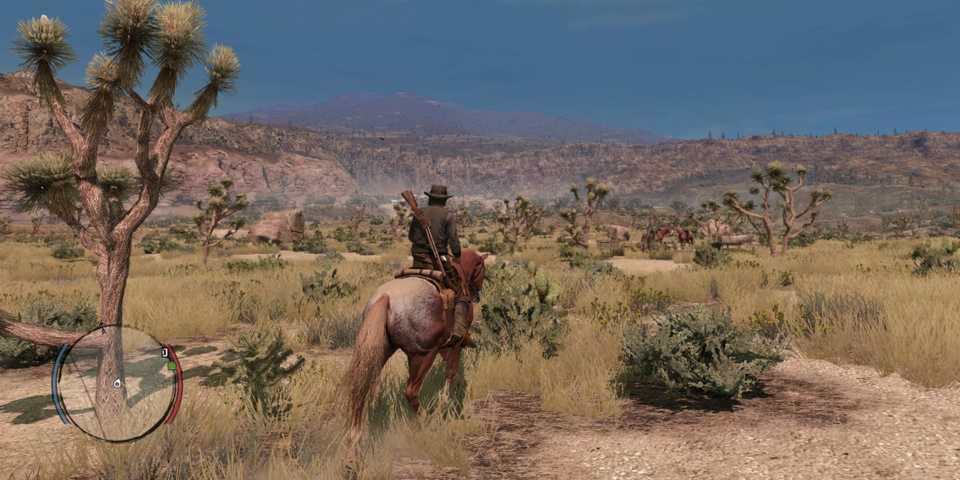
Here's the thing modern design seems to be intent on denying: slowness can genuinely be immersive, and both the RDR games are a testament to that. Red Dead Redemption, especially on a revisit, is unapologetically slow. In this game, horse rides take time, conversations breathe and characters pause between sentences to think. Travel feels like travel, and somehow, none of it feels like wasted time. In 2025, however, downtime is treated like a bug to fix. If nothing's popping, blinking, or rewarding you every thirty seconds, the design must be fixed. I was clearing out an entire mansion in AC Shadows and the game just wouldn't stop telling me to go loot special chests that gave me Helix Credits – a currency for the live-service element in the game.
In fact, RDR still manages to stand supreme against something like Mafia: The Old Country, where the game wasn't pushing live-service elements down my throat. Even though Mafia: The Old Country did let me enjoy the rides from one place to another, every single car ride in this 2025 AAA rendition of Sicily is boring as hell. RDR's version of America, meanwhile, feels real because it manages to remain a game while still being a grounded and believable world where you'll come across animals you need to hunt, or robbers trying to jack your horse.
RDR genuinely felt like it understood immersion, and it's more about rhythm than it is about density. Quiet moments make loud ones land harder, and slow scenes make action sequences a lot more meaningful. Modern open worlds often sprint from highlight to highlight, terrified that you'll look at your phone, and that's not something Rockstar's 2010 masterpiece ever bothered with. It assumed you were already invested, and it rewarded you for staying present.

-
👁 Placeholder Image
OpenCritic Reviews - Top Critic Avg: 79/100 Critics Rec: 74%

- Released
- May 18, 2010
- ESRB
- M For Mature 17+ Due To Blood, Intense Violence, Nudity, Strong Language, Strong Sexual Content, Use of Drugs
- Developer(s)
- Rockstar San Diego
- Publisher(s)
- Rockstar Games





WHERE TO PLAY


America, 1911. The Wild West is dying. When federal agents threaten his family, former outlaw John Marston is forced to pick up his guns again and hunt down the gang of criminals he once called friends. Experience an epic fight for survival across the sprawling expanses of the American West and Mexico, as John Marston struggles to bury his blood-stained past, one man at a time.
Red Dead Redemption is a Western epic, set at the turn of the 20th century when the lawless and chaotic badlands began to give way to the expanding reach of government and the spread of the Industrial Age.
- Genre(s)
- Open-World, Adventure
Playing RDR's new remaster showed me what we've left behind
It's important to look at this new remaster as a mirror instead of talking about its resolutions or frame rates.
It's become rather clear what we've quietly left behind over the years since Rockstar first gave the world Red Dead Redemption's game-changing (literally) open world. We've traded mystery for metrics, patience for retention, and slowness for safety. Look, none of this has happened out of malice, but it's happened nevertheless, because the industry has just changed.
Sometimes, a remaster isn't about resolution or frame rates or enhanced lighting, because this one nails all of those things flawlessly. Instead, it's more important to look at this recent remaster as a mirror. RDR holds one up today and makes me realize that I don't really miss older games, as much as I miss older priorities in games.