
There has been an ongoing debate for several years now about whether VR will take off as the next big thing, or if it will crash and burn like 3D TVs. After years of technological improvements, we are finally at a point where VR looks really good. Unfortunately, it seems that average consumers are not interested anymore.
An April 2023 survey indicated that 29% of teenagers own a VR headset, but only 4% of those who own a headset actually use it daily. That is a pretty grim reality for VR, but not that surprising if you own a headset, or even know someone with one. But what is holding people back from using and adopting what was once thought of as the future of computing? Today, we're taking an in-depth look to find out what went wrong!
1. Complicated computer requirements
VR headsets require top-of-the-line computers to run games smoothly👁 A full Lenovo computer setup to the right, custom RGB backlighting desktop with wallpapers on the wall, a Lenovo laptop to the left, and the Legion Go is in the middle under the computer monitor
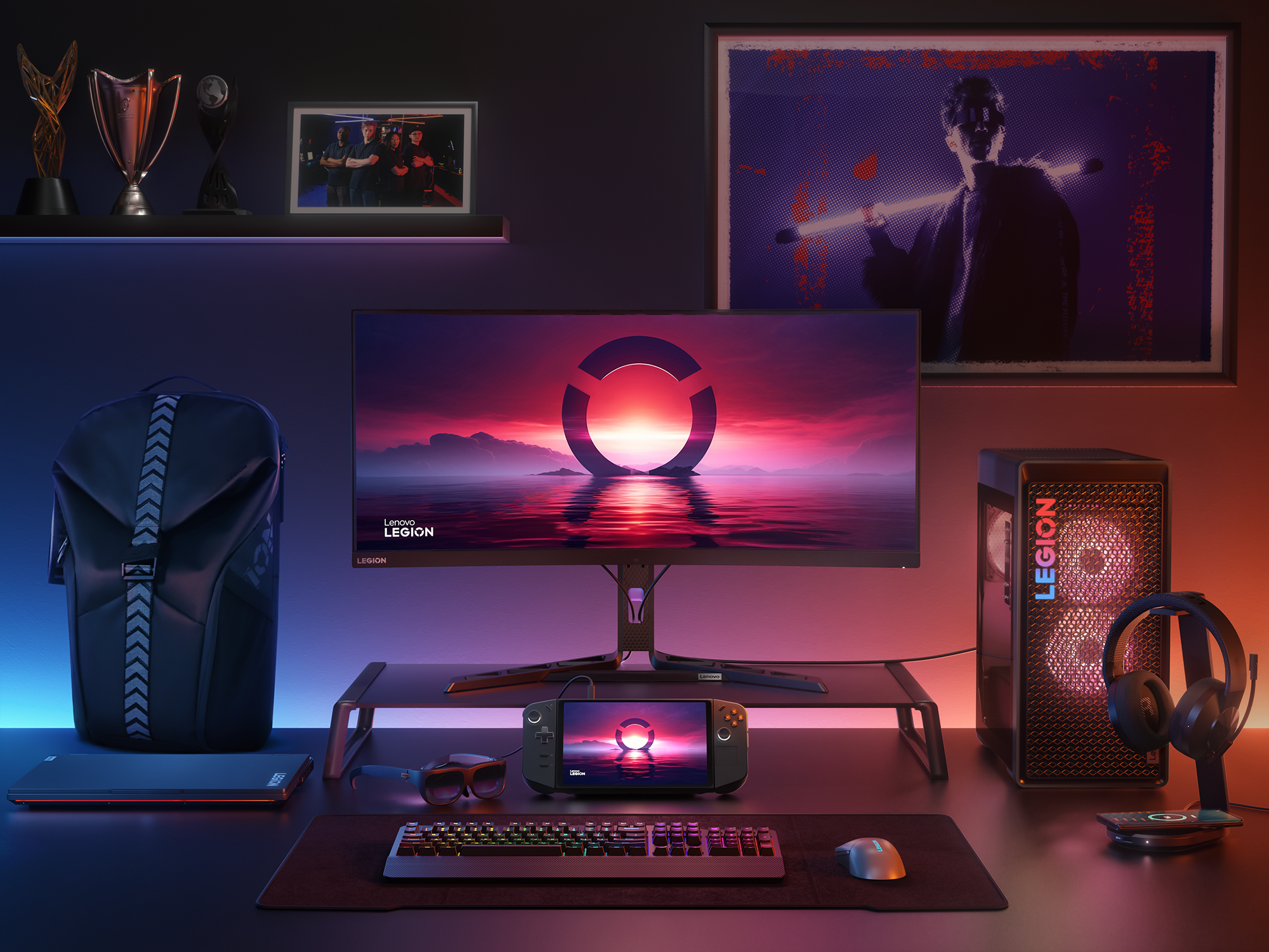
The need for a high-end computer keeps many potential VR users from adopting the technology. Besides purchasing an expensive VR headset, the devices require a good gaming computer with a powerful GPU. Even with a great gaming setup, getting the settings dialed in for a VR headset can still take some tinkering.
This leads to some comparisons between PC versus console gaming. Casual gamers and VR users want something they can pick up and start using. While devices like Meta's Quest are standalone headsets, the mobile processors used cannot handle more demanding games and apps.
2. Poor graphics
Low resolution VR displays create a screen door effect👁 PSVR 2 7
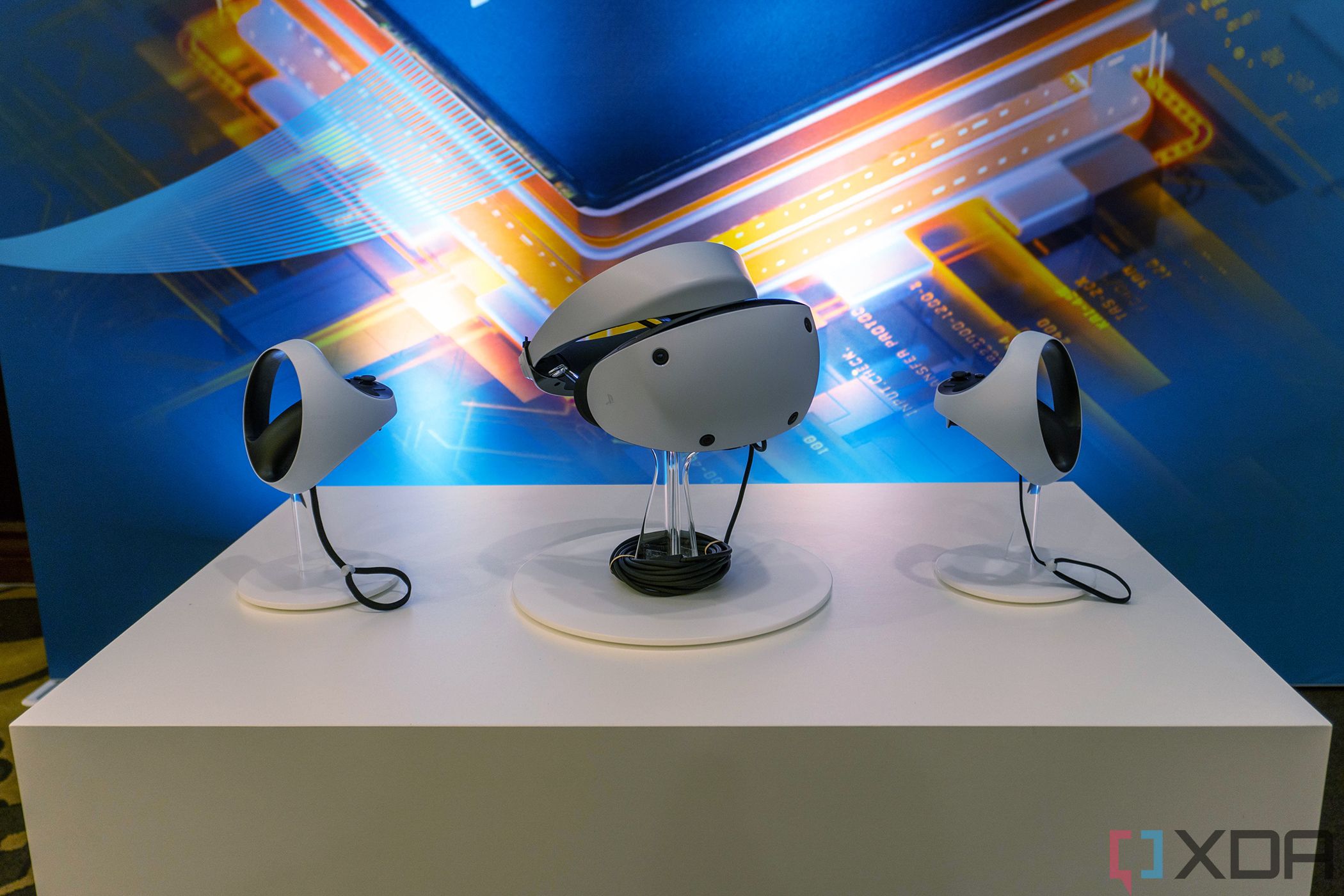
Until this year, a major problem for VR was poor graphics. Video technology has largely held the VR industry back as small, high-resolution screens are needed. That changed in recent years as companies began producing very small, yet high-quality display panels. Headsets using these better displays, such as the Meta Quest 3 and PlayStation VR 2, started rolling out this year.
Unfortunately, it may be too late, as many consumers have already given VR a chance. Poor experiences with previous-generation headsets may end up scaring people off now that VR has gotten to the point of being usable.
3. Controls are unnatural
Many games require the use of motion controls.👁 Oculus Quest 2 with controller
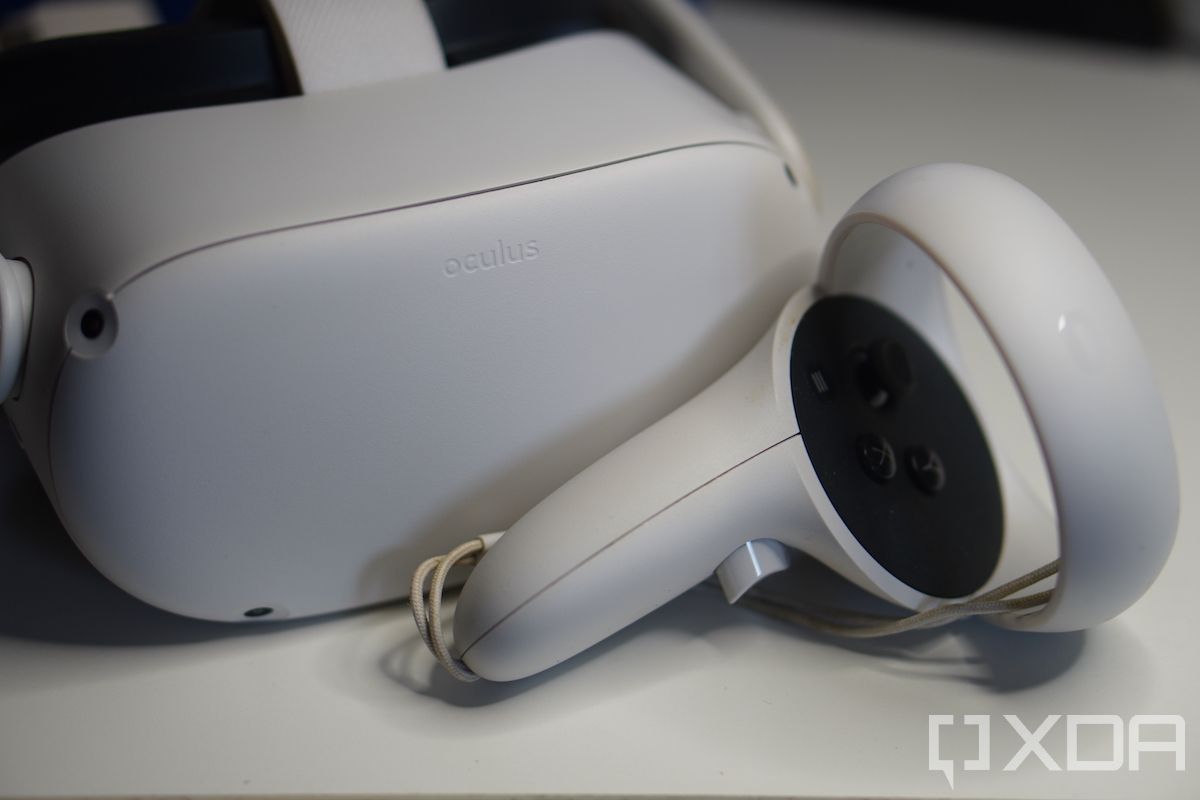
Controllers haven't changed much over the decades. In fact, the Wii had one of the few successful unique controllers. Because gamers are so accustomed to the standard controller scheme, some people find VR controllers unnatural. Some controllers are worse than others, but the original PlayStation VR easily had the worst.
Most of the headsets available today use a nice controller that contours each hand. While the controllers feel nice, many games require standing up and flailing around, which is often annoying when you want to sit down and enjoy a game. Apple's Vision Pro looks to shake up the VR controller scheme in favor of hand motions. That could be a game-changer for making VR a more natural experience.
4. Headsets are uncomfortable
Heavy headsets digging into the wearer's face is a recipe for discomfort👁 TCL NXTWEAR S

Wearing a VR headset for a little while offers a cool novelty, but keeping it on for an extended period of time is a real pain. VR headsets are rarely comfortable, and even the better-designed ones still start to get annoying after prolonged use. This is a real problem as companies push to use VR headsets for business.
The comfort issue comes down to having a large, heavy piece of plastic attached to your head. Most devices hold the headset tight to the wearer's head, creating additional discomfort. Fortunately, VR technology will continue to improve over the coming years, and some headsets like the XREAL Air 2 come very close to being able to wear all day.
5. Prolonged use is difficult
VR headsets are not designed to be used for hours on end👁 An image showing a person wearing Apple's Vision Pro headset.
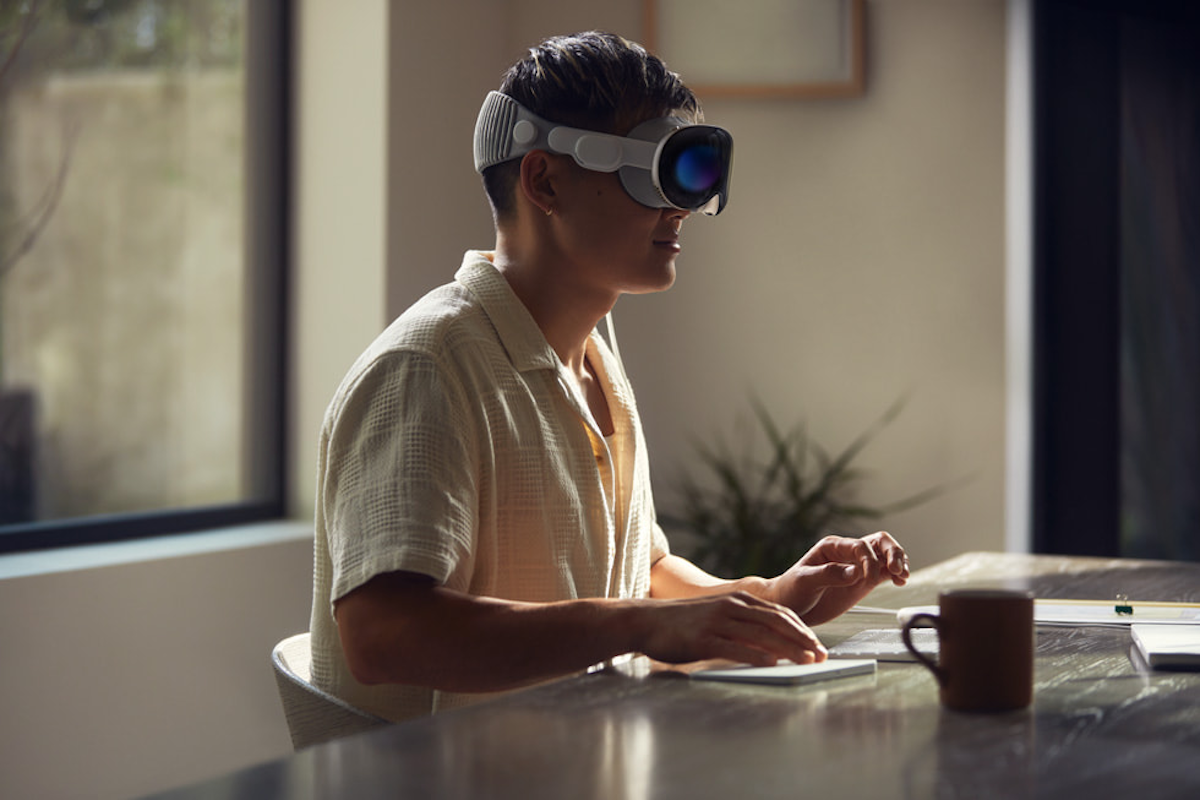
Using VR for long periods of time is not only uncomfortable, but it can also cause dizziness, nausea, and headaches. VR headsets simulate three dimensions by showing each eye a slightly different picture. This can be very disorienting if not done properly. In addition, those prone to motion sickness often complain that VR triggers symptoms.
Even people who don't typically experience motion sickness have problems with using VR for long periods. That also presents a problem as manufacturers push to use VR to watch movies or even replace computer monitors.
6. Good VR headsets are expensive
High-end VR headsets still cost more than most people are willing to spend
VR headsets are more affordable than ever. Unfortunately, good VR headsets are still too expensive for many consumers to adopt. The Meta Quest 2 was the most affordable option, but that was only possible thanks to Meta's data harvesting, which helped offset the cost.
In reality, good headsets, including the Meta Quest Pro, are very expensive. Of course, PC VR headsets still require a high-end computer to run, increasing the cost to get started. Then, you are still tethered to a computer, where there may not be much room to move around and play.
7. The Games are not good
VR games are shallow and lack the kind of detail that most gamers expect👁 SteamVR 2.0 screenshot
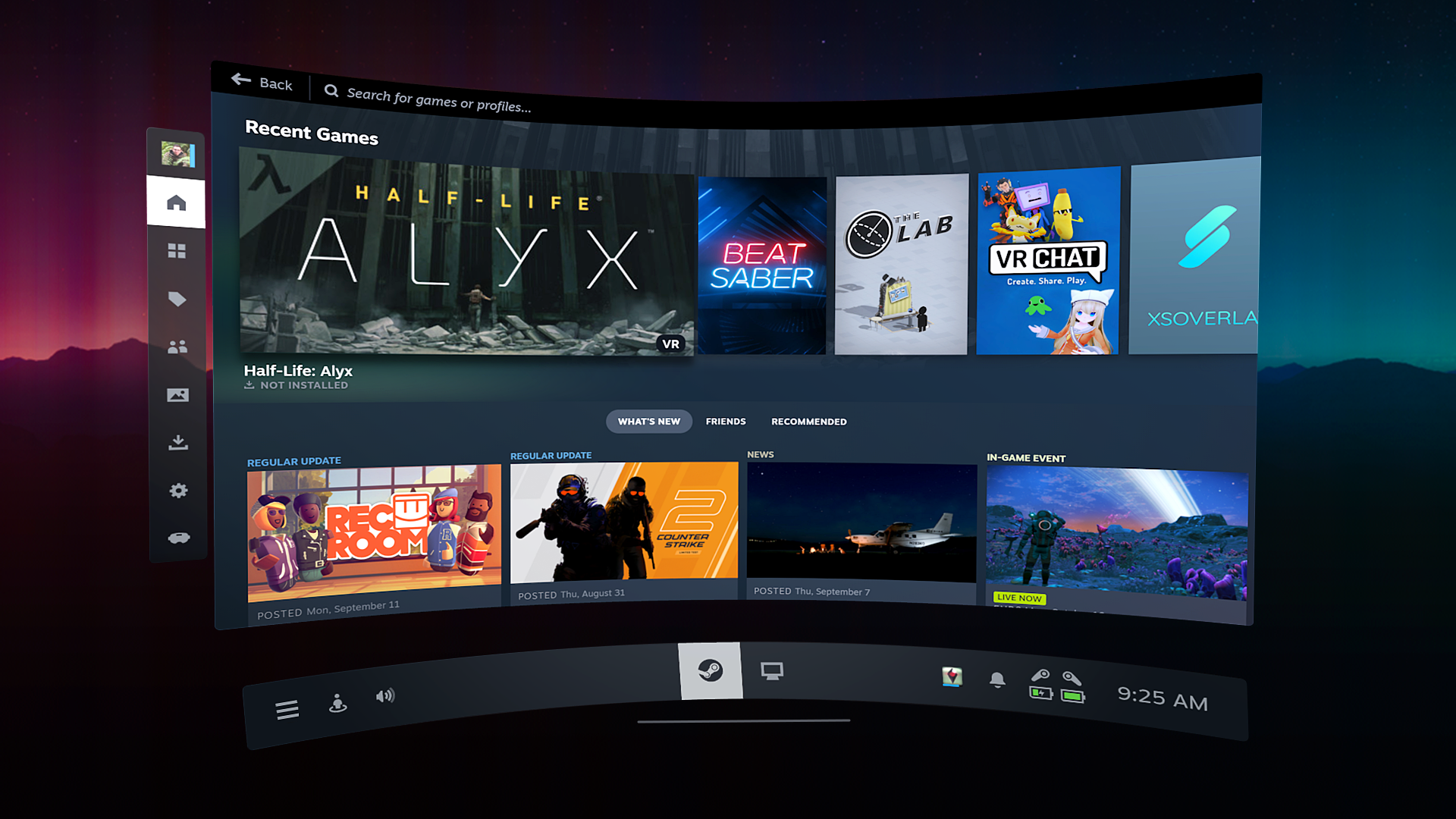
The final reason people are not getting on board with VR is that the games and apps are not good. There are a few exceptions, including Sony's Horizon: Call of the Mountain. However, that presents another problem, as several of the good VR games are exclusive to a certain headset.
Additionally, most games available in VR are super simple. Titles like Beat Saber are a lot of fun to play, but offer little depth, so they can get boring pretty quickly. Massive worlds are very rare because of hardware limitations and the cost of designing high-quality games. But it is hard to convince people to buy a headset when few blockbuster games exist.
What's next for VR?
Despite the shortcomings, VR headsets are still popular, and manufacturers continue improving their designs. There is a lot of potential for VR in the future, plus, displays and processors are only getting better. Now, manufacturers need to convince consumers to adopt the technology. For that to happen, they will need to get game developers on board to create must-buy titles. As for commercial and desk use, VR headsets still need to get a little smaller and more comfortable to wear for hours at a time.