
Computers are all around us, and are some of the most essential tools we use in daily life. They've changed and evolved at a rate that's been difficult to comprehend over the last 50 years, moving from number-crunching aids designed for accountants, to the basis of our modern economy, social life, and governments.
This unprecedented rate of innovation has not answered a key question for us yet though - what is the lifespan of our computers? Will we still have working examples of early laptops, tablets, and desktops in fifty, seventy, or even a hundred plus years? If not, will it be due to our own negligence or the inevitable degradation of these devices over time? Do our devices, as biological beings like ourselves do, have a predefined lifespan, or will they continue to be usable far into the distant future?
Modern devices quickly become obsolete
Ten years is a good lifespan for most consumer hardware
I wouldn't blame you for thinking this is a bit of a silly question, because really, who wants a computer to live for so long? But the rate of progress in technology has removed some important facts from this equation. Most technology becomes almost completely obsolete, whether literally or practically, within a decade. Software support is a key element here. What was a fast and capable device a decade ago is often overwhelmed by modern software requirements, and may lack the modern standards required to interface with other modern devices. Take an old iPhone or iPod Touch for example, devices which at the time were some of the best in class that are now extremely difficult to use on even a basic level, such as browsing the internet, sending a text message, or transferring some music from your computer.
Often, for our modern devices, it's the lack of software support or changes in hardware standards that leave a device quickly obsolete. This is a form of planned obsolescence, and is something the tech industry has been quietly ruminating on over the last decade, though arguably without too much serious attempt to change. Due to this fact, we tend to view our technology as disposable, regardless of the sheer physical longevity it may be capable of.
Computer-related tech is fairly unique in this way though, because not all devices in our life are like this. Consider cars, where progress since the 1950s in key areas (e.g. performance, comfort, efficiency, etc.) has been significant, but not exponential like consumer technology has been. Older cars are expensive to maintain, and are often less reliable or efficient than new cars, but haven't lost their original basic functionality or continued usability as many tech devices have. In many examples, old cars have actually gained significant value and are a prized experience. Some tech is viewed this way, but it's rarely for 'practical' use. For example, the demand for first-generation iPods doesn't exist because people are still using them day to day, whereas plenty of people are still driving around classic 1990s BMWs for the joy of using them.
Your computers will degrade
All hardware has a lifespan, even if it's difficult to know what it is
Putting this human-driven obsolescence to the side, and assuming we as tech enthusiasts have been thoughtful enough to preserve our old technology somewhere safe, how long will our devices actually last? Well, this answer is unique to every bit of consumer tech. Some devices may last just years, some a lifetime. But there are factors that contribute to how long we expect our devices to last. It's important to note that we're generally assuming here that your computer is left in a switched-off state, and free from environmental damage like flooding, fire, or physical harm.
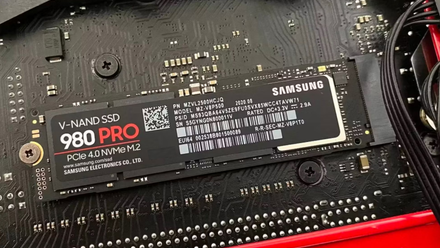
Those factors noted, physical degradation does still occur in our computers, and some components are more vulnerable than others. Hard drives and SSDs are among the most vulnerable. It's well documented that data kept on these devices for an extended period may degrade. In the case of hard drives, the mechanical components inside may seize up, or the magnetic storage element itself can slowly degrade. SSDs are even more vulnerable to this, especially cheap SSDs. Most SSDs should be fine storing data unchecked for a period of a few years, but over something like a decade you'll be risking your data.
Capacitors are another component that can degrade significantly over time. These are essential for power regulation in most modern electronics. Most modern capacitors aim for a lifespan of 20+ years, but this can be significantly less if they're exposed to high temperatures or large fluctuations in heat. There are other smaller components that will be impacted by aging. For example, your CMOS battery or some cables may degrade, as plastic or rubber can break down over time.
SSDs have a secret way to protect your data when they fail
You may not know it, but your SSD will try to protect your data when it fails so you can copy it off safely.
Environmental factors can have an impact
Another key area where our computers are vulnerable is more broad environmental factors. This can include things like electrostatic discharge, humidity, oxidation, or corrosion. How much of this occurs, and how vulnerable your device is, will depend both on the device and the environment it is stored in, but dust, humidity, and air exposure can all do serious damage to electronics which are left unprotected.
As with all things, it is possible to make these components more rugged to build a more durable machine. This is often the case with very high quality consumer hardware, or specifically designed military hardware. However, the overall quality of some of our technology has been decreasing as well, with cheaper mass-produced alternatives to essential components in electronic devices replacing their high-quality predecessors.
Some components might live longer than others
Your CPU might well outlive you
There are some components in your computer that might live significantly longer than others. Microprocessors will generally live well beyond their useful lifespan and, if treated correctly, shouldn't degrade significantly. There are working examples of processors that have been functioning for decades already. Some factors can cause more damage and reduce a processor's prospective lifespan - for example, significant thermal or voltage stress over an extended period might place additional strain on the processor's transistors. The lack of moving parts and solid state of the CPU contribute to why it is one of the most durable elements of your computer.
Other components, like the motherboard or PSU, can theoretically live as long as your CPU, though they're often vulnerable to capacitor issues as we outlined above, though these capacitors can be replaced (as board-level repair is a common fix for older hardware). And obviously, if stored correctly away from moisture, we'd expect your PC case to have a pretty decent lifespan as well.
Your computer might outlive you
Ultimately, it's almost impossible to guess whether your computing devices will outlive you. A device stored switched off in safe environmental conditions, with stable temperature and humidity, will have the best chance of surviving, but this is still not guaranteed. In most cases, you'd probably be looking at about a 30 year lifespan for a complete computer, depending on which components are in it and how it's stored. But only time will tell how much e-waste will pile up into the future due to shorter turnover, and whether the relevant life-span of a phone or computer will begin to stretch out long enough to make a meaningful difference to increase their usable life.