
Subjects
Abstract
Clinical evidence strongly suggests that certain live vaccines, in particular bacille Calmette–Guérin (BCG) and measles vaccines, can reduce all-cause mortality, most probably through protection against non-targeted pathogens in addition to the targeted pathogen. The underlying mechanisms are currently unknown. We discuss how heterologous lymphocyte activation and innate immune memory could promote protection beyond the intended target pathogen and consider how vaccinologists could leverage heterologous immunity to improve outcomes in vulnerable populations, in particular the very young and the elderly.
This is a preview of subscription content, access via your institution
Access options
Subscribe to this journal
Receive 12 print issues and online access
$259.00 per year
only $21.58 per issue
Buy this article
- Purchase on SpringerLink
- Instant access to the full article PDF.
USD 39.95
Prices may be subject to local taxes which are calculated during checkout
Vaccination as a preventative measure contributing to immune fitness
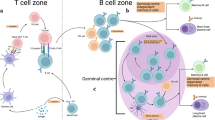
B cell memory: from generation to reactivation: a multipronged defense wall against pathogens
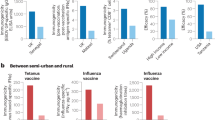
Immunological factors linked to geographical variation in vaccine responses
References
Dowling, D. J. & Levy, O. Ontogeny of early life immunity. Trends Immunol. 35, 299–310 (2014).
Coffman, R. L., Sher, A. & Seder, R. A. Vaccine adjuvants: putting innate immunity to work. Immunity 33, 492–503 (2010).
Khurana, S. et al. MF59 adjuvant enhances diversity and affinity of antibody-mediated immune response to pandemic influenza vaccines. Sci. Transl Med. 3, 85ra48 (2011).
Mina, M. J., Metcalf, C. J., de Swart, R. L., Osterhaus, A. D. & Grenfell, B. T. Long-term measles-induced immunomodulation increases overall childhood infectious disease mortality. Science 348, 694–699 (2015).
Aaby, P., Kollmann, T. R. & Benn, C. S. Nonspecific effects of neonatal and infant vaccination: public-health, immunological and conceptual challenges. Nat. Immunol. 15, 895–899 (2014).
Flanagan, K. L. et al. Heterologous (“nonspecific”) and sex-differential effects of vaccines: epidemiology, clinical trials, and emerging immunologic mechanisms. Clin. Infect. Dis. 57, 283–289 (2013).
[No authors listed.] Meeting of the Strategic Advisory Group of Experts on immunization, April 2014 — conclusions and recommendations. Wkly Epidemiol. Rec. 89, 221–236 (2014).
Aaby, P. et al. Non-specific effects of standard measles vaccine at 4.5 and 9 months of age on childhood mortality: randomised controlled trial. BMJ 341, c6495 (2010).
Lund, N. et al. The Effect of oral polio vaccine at birth on infant mortality: a randomized trial. Clin. Infect. Dis. 61, 1504–1511 (2015).
de Castro, M. J., Pardo-Seco, J. & Martinon-Torres, F. Nonspecific (heterologous) protection of neonatal BCG vaccination against hospitalization due to respiratory infection and sepsis. Clin. Infect. Dis. 60, 1611–1619 (2015).
Sorup, S. et al. Live vaccine against measles, mumps, and rubella and the risk of hospital admissions for nontargeted infections. JAMA 311, 826–835 (2014).
Sorup, S. et al. Smallpox vaccination and all-cause infectious disease hospitalization: a Danish register-based cohort study. Int. J. Epidemiol. 40, 955–963 (2011).
Sorup, S. et al. Oral polio vaccination and hospital admissions with non-polio infections in Denmark: nationwide retrospective cohort study. Open Forum Infect. Dis. 3, ofv204 (2016).
Kamat, A. M. & Porten, S. Myths and mysteries surrounding bacillus Calmette-Guerin therapy for bladder cancer. Eur. Urol. 65, 267–269 (2014).
Clark, T. W. et al. Trial of 2009 influenza A (H1N1) monovalent MF59-adjuvanted vaccine. N. Engl. J. Med. 361, 2424–2435 (2009).
Mbow, M. L., De Gregorio, E., Valiante, N. M. & Rappuoli, R. New adjuvants for human vaccines. Curr. Opin. Immunol. 22, 411–416 (2010).
Roman, F., Vaman, T., Kafeja, F., Hanon, E. & Van Damme, P. AS03(A)-adjuvanted influenza A (H1N1) 2009 vaccine for adults up to 85 years of age. Clin. Infect. Dis. 51, 668–677 (2010).
Ahmed, S. S., Schur, P. H., MacDonald, N. E. & Steinman, L. Narcolepsy, 2009 A(H1N1) pandemic influenza, and pandemic influenza vaccinations: what is known and unknown about the neurological disorder, the role for autoimmunity, and vaccine adjuvants. J. Autoimmun 50, 1–11 (2014).
Pasquale, A. D., Preiss, S., Silva, F. T. & Garcon, N. Vaccine adjuvants: from 1920 to 2015 and beyond. Vaccines 3, 320–343 (2015).
Su, L. F., Kidd, B. A., Han, A., Kotzin, J. J. & Davis, M. M. Virus-specific CD4+ memory-phenotype T cells are abundant in unexposed adults. Immunity 38, 373–383 (2013).
Ahmed, S. S. et al. Antibodies to influenza nucleoprotein cross-react with human hypocretin receptor 2. Sci. Transl Med. 7, 294ra105 (2015).
Tesoriero, C. et al. H1N1 influenza virus induces narcolepsy-like sleep disruption and targets sleep-wake regulatory neurons in mice. Proc. Natl Acad. Sci. USA 113, E368–E377 (2016).
Han, F. et al. Narcolepsy onset is seasonal and increased following the 2009 H1N1 pandemic in China. Ann. Neurol. 70, 410–417 (2011).
Soudja, S. M., Ruiz, A. L., Marie, J. C. & Lauvau, G. Inflammatory monocytes activate memory CD8+ T and innate NK lymphocytes independent of cognate antigen during microbial pathogen invasion. Immunity 37, 549–562 (2012).
Traggiai, E., Puzone, R. & Lanzavecchia, A. Antigen dependent and independent mechanisms that sustain serum antibody levels. Vaccine 21, S35–S37 (2003).
Bernasconi, N. L., Traggiai, E. & Lanzavecchia, A. Maintenance of serological memory by polyclonal activation of human memory B cells. Science 298, 2199–2202 (2002).
Di Genova, G., Roddick, J., McNicholl, F. & Stevenson, F. K. Vaccination of human subjects expands both specific and bystander memory T cells but antibody production remains vaccine specific. Blood 107, 2806–2813 (2006).
Benson, M. J. et al. Distinction of the memory B cell response to cognate antigen versus bystander inflammatory signals. J. Exp. Med. 206, 2013–2025 (2009).
Ota, M. O. et al. Influence of Mycobacterium bovis bacillus Calmette-Guerin on antibody and cytokine responses to human neonatal vaccination. J. Immunol. 168, 919–925 (2002).
Ritz, N., Mui, M., Balloch, A. & Curtis, N. Non-specific effect of Bacille Calmette-Guerin vaccine on the immune response to routine immunisations. Vaccine 31, 3098–3103 (2013).
Leentjens, J. et al. BCG vaccination enhances the immunogenicity of subsequent influenza vaccination in healthy volunteers: a randomized, placebo-controlled pilot study. J. Infect. Dis. 212, 1930–1938 (2015).
Belnoue, E. et al. APRIL is critical for plasmablast survival in the bone marrow and poorly expressed by early-life bone marrow stromal cells. Blood 111, 2755–2764 (2008).
PrabhuDas, M. et al. Challenges in infant immunity: implications for responses to infection and vaccines. Nat. Immunol. 12, 189–194 (2011).
Mackaness, G. B. The immunological basis of acquired cellular resistance. J. Exp. Med. 120, 105–120 (1964).
Mackaness, G. B. The influence of immunologically committed lymphoid cells on macrophage activity in vivo. J. Exp. Med. 129, 973–992 (1969).
World Health Organization. Systematic review of the non-specific immunological effects of selected routine childhood immunisations (WHO, 2014).
Freyne, B., Marchant, A. & Curtis, N. BCG-associated heterologous immunity, a historical perspective: experimental models and immunological mechanisms. Trans. R. Soc. Trop. Med. Hyg. 109, 46–51 (2015).
Jasenosky, L. D., Scriba, T. J., Hanekom, W. A. & Goldfeld, A. E. T cells and adaptive immunity to Mycobacterium tuberculosis in humans. Immunol. Rev. 264, 74–87 (2015).
Freyne, B., Marchant, A. & Curtis, N. BCG-associated heterologous immunity, a historical perspective: intervention studies in animal models of infectious diseases. Trans. R. Soc. Trop. Med. Hyg. 109, 52–61 (2015).
Di Luzio, N. R. & Williams, D. L. Protective effect of glucan against systemic Staphylococcus aureus septicemia in normal and leukemic mice. Infect. Immun. 20, 804–810 (1978).
Marakalala, M. J. et al. Dectin-1 plays a redundant role in the immunomodulatory activities of β-glucan-rich ligands in vivo. Microbes Infect. 15, 511–515 (2013).
Krahenbuhl, J. L., Sharma, S. D., Ferraresi, R. W. & Remington, J. S. Effects of muramyl dipeptide treatment on resistance to infection with Toxoplasma gondii in mice. Infect. Immun. 31, 716–722 (1981).
Ribes, S. et al. Intraperitoneal prophylaxis with CpG oligodeoxynucleotides protects neutropenic mice against intracerebral Escherichia coli K1 infection. J. Neuroinflamm. 11, 14 (2014).
Munoz, N. et al. Mucosal administration of flagellin protects mice from Streptococcus pneumoniae lung infection. Infect. Immun. 78, 4226–4233 (2010).
Zhang, B. et al. Viral infection. Prevention and cure of rotavirus infection via TLR5/NLRC4-mediated production of IL-22 and IL-18. Science 346, 861–865 (2014).
Kleinnijenhuis, J. et al. Bacille Calmette-Guerin induces NOD2-dependent nonspecific protection from reinfection via epigenetic reprogramming of monocytes. Proc. Natl Acad. Sci. USA 109, 17537–17542 (2012).
Tribouley, J., Tribouley-Duret, J. & Appriou, M. [Effect of Bacillus Callmette Guerin (BCG) on the receptivity of nude mice to Schistosoma mansoni]. C R. Seances Soc. Biol. Fil. 172, 902–904 (1978).
Bistoni, F. et al. Evidence for macrophage-mediated protection against lethal Candida albicans infection. Infect. Immun. 51, 668–674 (1986).
Vecchiarelli, A. et al. Protective immunity induced by low-virulence Candida albicans: cytokine production in the development of the anti-infectious state. Cell. Immunol. 124, 334–344 (1989).
Bistoni, F. et al. Immunomodulation by a low-virulence, agerminative variant of Candida albicans. Further evidence for macrophage activation as one of the effector mechanisms of nonspecific anti-infectious protection. J. Med. Vet. Mycol. 26, 285–299 (1988).
Quintin, J. et al. Candida albicans infection affords protection against reinfection via functional reprogramming of monocytes. Cell Host Microbe 12, 223–232 (2012).
Barton, E. S. et al. Herpesvirus latency confers symbiotic protection from bacterial infection. Nature 447, 326–329 (2007).
Chen, F. et al. Neutrophils prime a long-lived effector macrophage phenotype that mediates accelerated helminth expulsion. Nat. Immunol. 15, 938–946 (2014).
Netea, M. G., Quintin, J. & van der Meer, J. W. Trained immunity: a memory for innate host defense. Cell Host Microbe 9, 355–361 (2011).
Foster, S. L., Hargreaves, D. C. & Medzhitov, R. Gene-specific control of inflammation by TLR-induced chromatin modifications. Nature 447, 972–978 (2007).
Saeed, S. et al. Epigenetic programming of monocyte-to-macrophage differentiation and trained innate immunity. Science 345, 1251086 (2014).
Cheng, S. C. et al. mTOR- and HIF-1α-mediated aerobic glycolysis as metabolic basis for trained immunity. Science 345, 1250684 (2014).
Donohoe, D. R. & Bultman, S. J. Metaboloepigenetics: interrelationships between energy metabolism and epigenetic control of gene expression. J. Cell. Physiol. 227, 3169–3177 (2012).
Buffen, K. et al. Autophagy controls BCG-induced trained immunity and the response to intravesical BCG therapy for bladder cancer. PLoS Pathog. 10, e1004485 (2014).
Kleinnijenhuis, J. et al. BCG-induced trained immunity in NK cells: Role for non-specific protection to infection. Clin. Immunol. 155, 213–219 (2014).
Nabekura, T., Girard, J. P. & Lanier, L. L. IL-33 receptor ST2 amplifies the expansion of NK cells and enhances host defense during mouse cytomegalovirus infection. J. Immunol. 194, 5948–5952 (2015).
Schlums, H. et al. Cytomegalovirus infection drives adaptive epigenetic diversification of NK cells with altered signaling and effector function. Immunity 42, 443–456 (2015).
Sun, J. C. et al. Proinflammatory cytokine signaling required for the generation of natural killer cell memory. J. Exp. Med. 209, 947–954 (2012).
Nabekura, T. et al. Costimulatory molecule DNAM-1 is essential for optimal differentiation of memory natural killer cells during mouse cytomegalovirus infection. Immunity 40, 225–234 (2014).
O'Sullivan, T. E., Sun, J. C. & Lanier, L. L. Natural killer cell memory. Immunity 43, 634–645 (2015).
Reeves, R. K. et al. Antigen-specific NK cell memory in rhesus macaques. Nat. Immunol. 16, 927–932 (2015).
Hendricks, D. W. et al. Cutting edge: NKG2ChiCD57+ NK cells respond specifically to acute infection with cytomegalovirus and not Epstein-Barr virus. J. Immunol. 192, 4492–4496 (2014).
Min-Oo, G. & Lanier, L. L. Cytomegalovirus generates long-lived antigen-specific NK cells with diminished bystander activation to heterologous infection. J. Exp. Med. 211, 2669–2680 (2014).
Paust, S. et al. Critical role for the chemokine receptor CXCR6 in NK cell-mediated antigen-specific memory of haptens and viruses. Nat. Immunol. 11, 1127–1135 (2010).
Lee, J. et al. Epigenetic modification and antibody-dependent expansion of memory-like NK cells in human cytomegalovirus-infected individuals. Immunity 42, 431–442 (2015).
Yanez, A. et al. Detection of a TLR2 agonist by hematopoietic stem and progenitor cells impacts the function of the macrophages they produce. Eur. J. Immunol. 43, 2114–2125 (2013).
Askenase, M. H. et al. Bone-marrow-resident NK cells prime monocytes for regulatory function during infection. Immunity 42, 1130–1142 (2015).
Ng, R. L. et al. Altered immunity and dendritic cell activity in the periphery of mice after long-term engraftment with bone marrow from ultraviolet-irradiated mice. J. Immunol. 190, 5471–5484 (2013).
Ng, R. L., Bisley, J. L., Gorman, S., Norval, M. & Hart, P. H. Ultraviolet irradiation of mice reduces the competency of bone marrow-derived CD11c+ cells via an indomethacin-inhibitable pathway. J. Immunol. 185, 7207–7215 (2010).
Scott, N. M. et al. Prostaglandin E2 imprints a long-lasting effect on dendritic cell progenitors in the bone marrow. J. Leukoc. Biol. 95, 225–232 (2014).
Partinen, M. et al. Increased incidence and clinical picture of childhood narcolepsy following the 2009 H1N1 pandemic vaccination campaign in Finland. PLoS ONE 7, e33723 (2012).
Stowe, J. et al. Risk of narcolepsy after AS03 adjuvanted pandemic A/H1N1 2009 influenza vaccine in adults: a case-coverage study in England. Sleep pii: sp-00484-15 (2016).
Jokinen, J. & Nohynek, H. Increased risk of narcolepsy observed also among adults vaccinated with Pandemrix in Finland (press release). National Institute for Health and Welfare[online], (updated 9 May 2014).
Ledgerwood, J. E. AS03-adjuvanted influenza vaccine in elderly people. Lancet Infect. Dis. 13, 466–467 (2013).
McElhaney, J. E. et al. AS03-adjuvanted versus non-adjuvanted inactivated trivalent influenza vaccine against seasonal influenza in elderly people: a phase 3 randomised trial. Lancet Infect. Dis. 13, 485–496 (2013).
Sobolev, O. et al. Adjuvanted influenza-H1N1 vaccination reveals lymphoid signatures of age-dependent early responses and of clinical adverse events. Nat. Immunol. 17, 204–213 (2016).
Levy, O. & Netea, M. G. Innate immune memory: implications for development of pediatric immunomodulatory agents and adjuvanted vaccines. Pediatr. Res. 75, 184–188 (2014).
Jensen, K. J. et al. Heterologous immunological effects of early BCG vaccination in low-birth-weight infants in Guinea-Bissau: a randomized-controlled trial. J. Infect. Dis. 211, 956–967 (2015).
Kollmann, T. R., Levy, O., Montgomery, R. R. & Goriely, S. Innate immune function by Toll-like receptors: distinct responses in newborns and the elderly. Immunity 37, 771–783 (2012).
Targonski, P. V., Jacobson, R. M. & Poland, G. A. Immunosenescence: role and measurement in influenza vaccine response among the elderly. Vaccine 25, 3066–3069 (2007).
Nakaya, H. I. & Pulendran, B. Vaccinology in the era of high-throughput biology. Philos. Trans. R. Soc. Lond. B 370, 20140146 (2015).
Nakaya, H. I. et al. Systems biology of immunity to MF59-adjuvanted versus nonadjuvanted trivalent seasonal influenza vaccines in early childhood. Proc. Natl Acad. Sci. USA 113, 1853–1858 (2016).
Amenyogbe, N., Levy, O. & Kollmann, T. R. Systems vaccinology: a promise for the young and the poor. Philos. Trans. R. Soc. Lond. B 370, 20140340 (2015).
Blok, B. A., Arts, R. J., van Crevel, R., Benn, C. S. & Netea, M. G. Trained innate immunity as underlying mechanism for the long-term, nonspecific effects of vaccines. J. Leukoc. Biol. 98, 347–356 (2015).
Biering-Sorensen, S. et al. Small randomized trial among low-birth-weight children receiving bacillus Calmette-Guerin vaccination at first health center contact. Pediatr. Infect. Dis. J. 31, 306–308 (2012).
Kleinnijenhuis, J. et al. Long-lasting effects of BCG vaccination on both heterologous Th1/Th17 responses and innate trained immunity. J. Innate Immun. 6, 152–158 (2014).
Hong, D. K. & Lewis, D. B. in Remington and Klein's Infectious Diseases of the Fetus and Newborn Infant (eds Wilson, C. B., Nizet, V. & Maldonado, Y. A.) 81–188 (Elsevier Saunders, 2015).
Mold, J. E. et al. Fetal and adult hematopoietic stem cells give rise to distinct T cell lineages in humans. Science 330, 1695–1699 (2010).
Siegrist, C. A. & Aspinall, R. B-cell responses to vaccination at the extremes of age. Nat. Rev. Immunol. 9, 185–194 (2009).
Arrieta, M. C., Stiemsma, L. T., Amenyogbe, N., Brown, E. M. & Finlay, B. The intestinal microbiome in early life: health and disease. Front. Immunol. 5, 427 (2014).
Arrieta, M. C. et al. Early infancy microbial and metabolic alterations affect risk of childhood asthma. Sci. Transl Med. 7, 307ra152 (2015).
Lim, E. S. et al. Early life dynamics of the human gut virome and bacterial microbiome in infants. Nat. Med. 21, 1228–1234 (2015).
Subramanian, S. et al. Cultivating healthy growth and nutrition through the gut microbiota. Cell 161, 36–48 (2015).
Oh, D. Y. et al. Adjuvant-induced human monocyte secretome profiles reveal adjuvant- and age-specific protein signatures. Mol. Cell Proteom. http://dx.doi.org/10.1074/mcp.M115.055541 (2016).
Wynn, J. L. et al. Defective innate immunity predisposes murine neonates to poor sepsis outcome but is reversed by TLR agonists. Blood 112, 1750–1758 (2008).
Ferguson, R. G. & Simes, A. B. BCG vaccination of Indian infants in Saskatchewan. Tubercle 30, 5–11 (1949).
Aaby, P. et al. Randomized trial of BCG vaccination at birth to low-birth-weight children: beneficial nonspecific effects in the neonatal period? J. Infect. Dis. 204, 245–252 (2011).
Aronson, J. D. Protective vaccination against tuberculosis with special reference to BCG vaccination. Am. Rev. Tuberc 58, 255–281 (1948).
Rosenthal, S. R. et al. BCG vaccination in tuberculous households. Am. Rev. Respir. Dis. 84, 690–704 (1961).
Benn, C. S., Bale, C., Sommerfelt, H., Friis, H. & Aaby, P. Hypothesis: vitamin A supplementation and childhood mortality: amplification of the non-specific effects of vaccines? Int. J. Epidemiol. 32, 822–828 (2003).
Aaby, P. et al. Increased female-male mortality ratio associated with inactivated polio and diphtheria-tetanus-pertussis vaccines: Observations from vaccination trials in Guinea-Bissau. Pediatr. Infect. Dis. J. 26, 247–252 (2007).
Hartfield, J. & Morley, D. Efficacy of measles vaccine. J. Hyg. (Lond.) 61, 143–147 (1963).
World Health Organization. Systematic review of the non-specific immunological effects of BCG, DTP and measles containing vaccines (WHO, 2014).
Sun, J. C., Beilke, J. N. & Lanier, L. L. Adaptive immune features of natural killer cells. Nature 457, 557–561 (2009).
Acknowledgements
This work was supported by funding from the US National Institutes of Health (NIH) Infant Immunity Program (RO1 5R01AI100135-03 to O.L.), the European Research Council (Consolidator Grant 310372 to M.G.N.), the Michael Smith Foundation for Health Research (Career Investigator Award to T.R.K.), the Canadian Institute of Health Research (300819 to T.R.K.), the British Columbia Children's Hospital Foundation (to T.R.K.), and the NIHR Oxford Biomedical Research Centre (to A.J.P.).
Ethics declarations
Competing interests
The authors declare no competing financial interests.
Rights and permissions
About this article
Cite this article
Goodridge, H., Ahmed, S., Curtis, N. et al. Harnessing the beneficial heterologous effects of vaccination. Nat Rev Immunol 16, 392–400 (2016). https://doi.org/10.1038/nri.2016.43
Published:
Issue date:
DOI: https://doi.org/10.1038/nri.2016.43
Share this article
Anyone you share the following link with will be able to read this content:
Sorry, a shareable link is not currently available for this article.
Provided by the Springer Nature SharedIt content-sharing initiative
This article is cited by
-
Recent Human Papillomavirus Vaccination is Associated with a Lower Risk of COVID-19: A US Database Cohort Study
Drugs (2023)
-
Immunization of preterm infants: current evidence and future strategies to individualized approaches
Seminars in Immunopathology (2022)
-
Heterologous vaccine interventions: boosting immunity against future pandemics
Molecular Medicine (2021)
-
Protective role of intravesical BCG in COVID-19 severity
BMC Urology (2021)
-
Trained innate immunity
Immunologic Research (2021)
