
We are in the process of migrating all NASA Earth science data sites into Earthdata from now until end of 2026. Not all NASA Earth science data and resources will appear here until then. Thank you for your patience as we make this transition.
Read about the Web Unification Project
Browse Data by Topic
Our data pathfinders guide you by topic to the data, tutorials, and tools you need for your research.










New on Earthdata
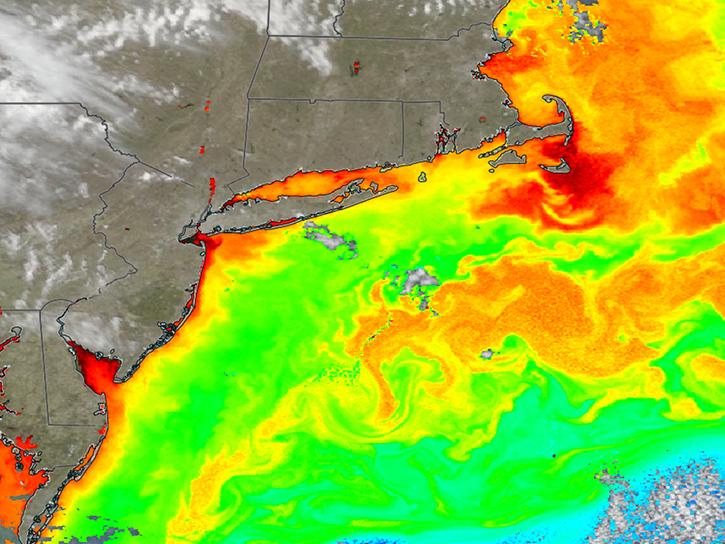
Worldview Image of the Week
2 MIN READ
Natural-color imagery and chlorophyll data from the PACE satellite show signs of spring phytoplankton blooms offshore from Norfolk to Cape Cod.
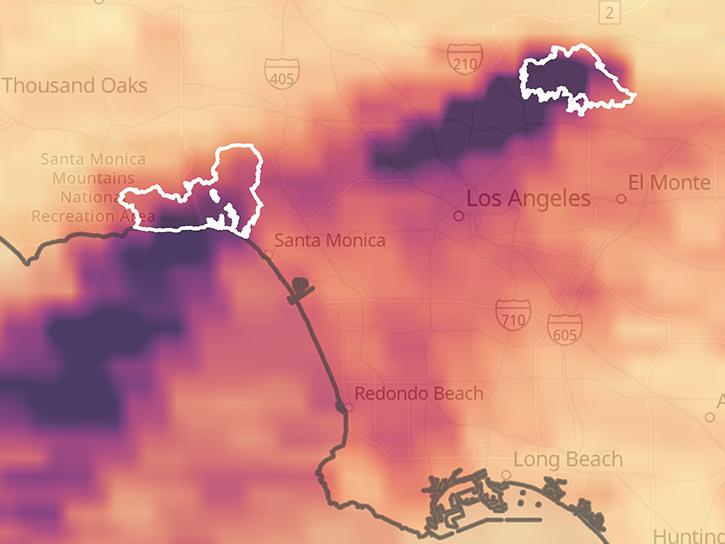
News
4 MIN READ
Several pollutants measured by TEMPO are available as ArcGIS image services, including nitrogen dioxide vertical column troposphere, formaldehyde vertical column, ozone total column, and cloud fraction.

News
1 MIN READ
The latest release of the Earthdata Forum allows users to search the filter categories of Discipline, Projects, and Services/Usage.
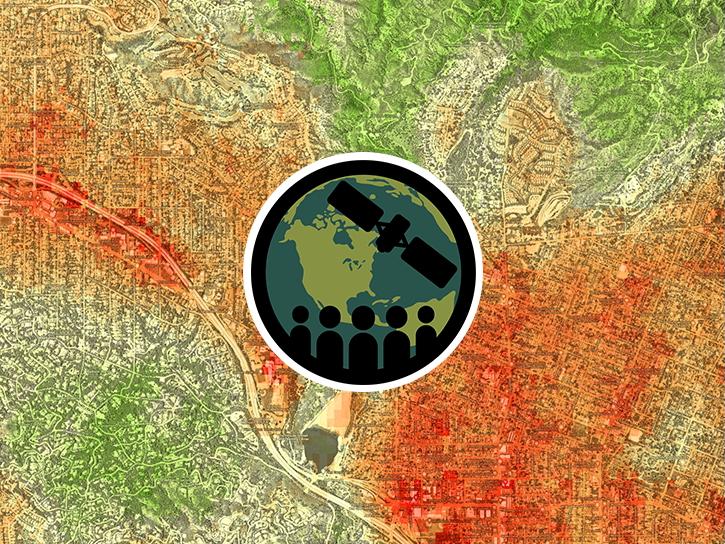
News
2 MIN READ
This training offered by NASA's ARSET program focuses on fundamentals of thermal infrared remote sensing and on applications for urban heat assessment.

Featured Data Tools
From discovery to visualization, our data tools simplify and streamline your research.
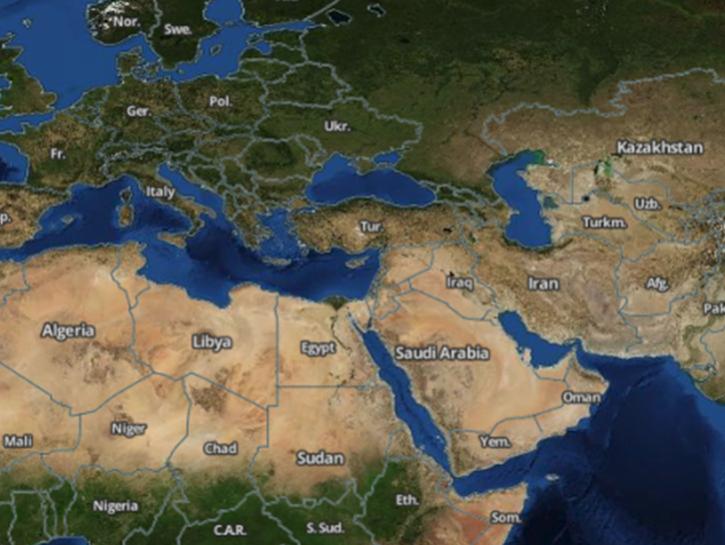
Earthdata Search enables data discovery, search, comparison, visualization, and access across NASA’s Earth science data holdings.
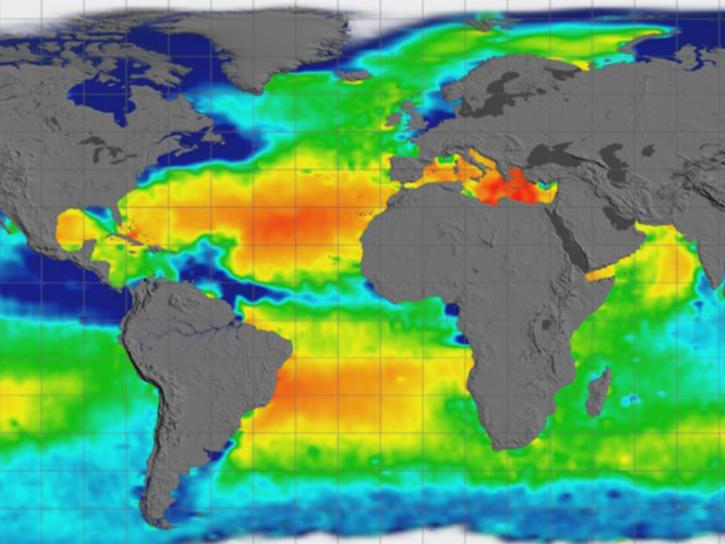
Earthdata GIS is a resource for distributing cloud-native, GIS-ready NASA Earth science data and services, including over 200 raster and feature geospatial services as well as resources such as thematic applications and ArcGIS StoryMaps.

The GNSS-based Upper Atmospheric Realtime Disaster Information and Alert Network (GUARDIAN) is a near real-time (NRT) ionospheric monitoring tool for natural hazards warning.
Open Science
We empower a collaborative scientific process through the open sharing of data and knowledge. Our open data, services, and software policies ensure that data are fully available to any user for any purpose.
Earth Science Data Systems 2025 Fiscal Year Highlights

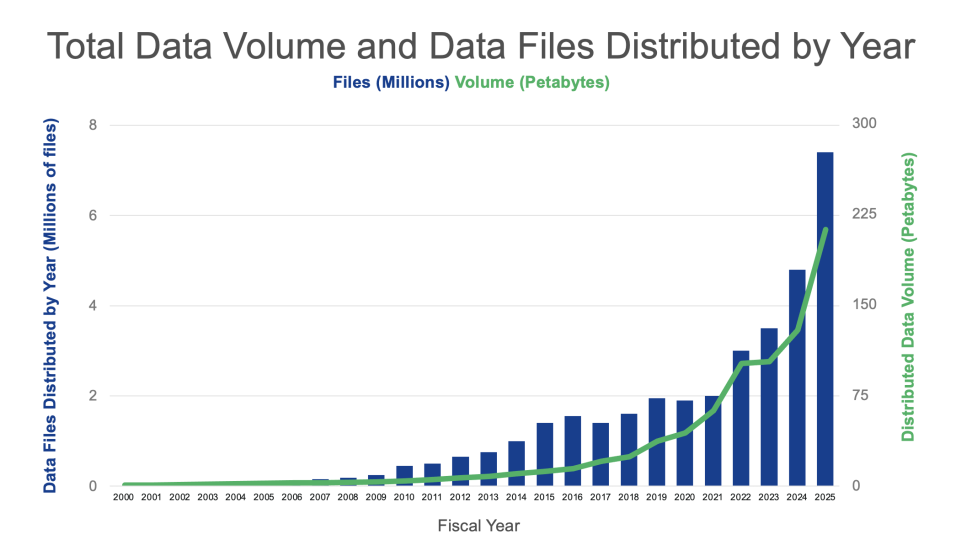

+7.4 billion
files distributed to end users
10+ million
distinct data and service users
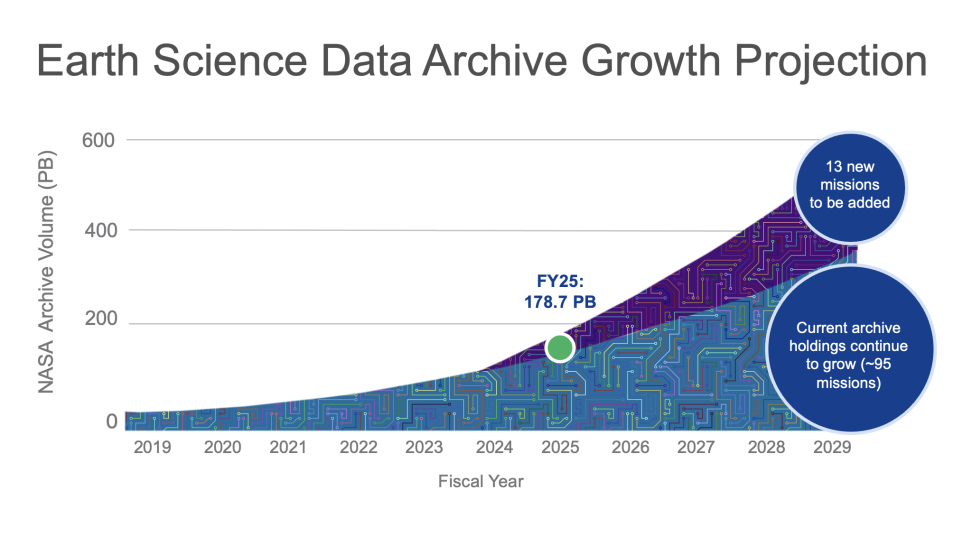
178+ petabytes
of Earth science data available