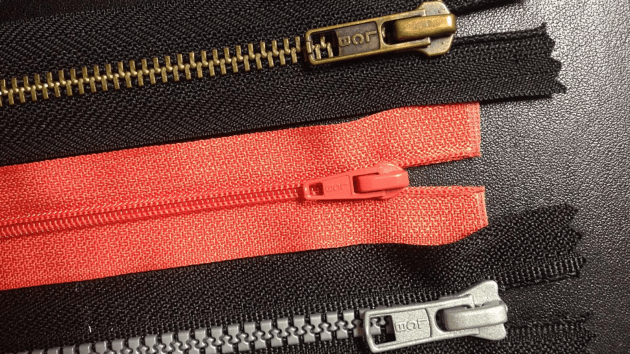
Daily objects we use that came out of World War I
World War I actually invented a lot of objects and things for daily use. Here are a few of these objects.


- 👁 history1 / 7
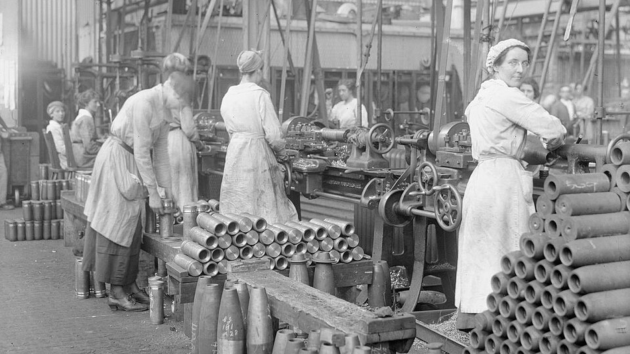
World War I sparked a wave of innovation as armies searched for practical solutions to wartime challenges. Surprisingly, many products that emerged or became mainstream during the conflict are still part of our daily lives today. Here are six everyday objects and products whose modern forms trace their origins to WWI. (Source: Photo by wikimedia commons )
- 👁 history2 / 7
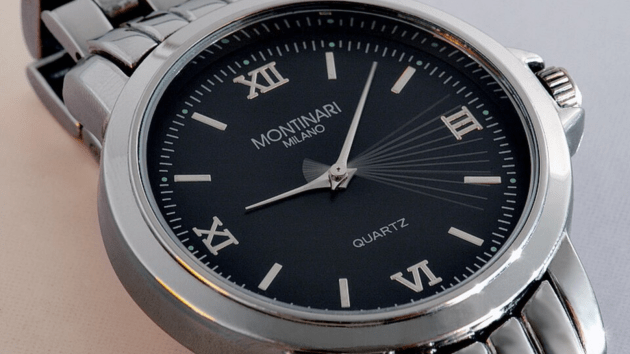
Wristwatches: Before WWI, wristwatches were largely seen as women's fashion accessories, while men relied on pocket watches. The demands of trench warfare made pocket watches impractical, leading soldiers and officers to adopt durable wristwatches with easy-to-read dials. Their wartime usefulness helped turn wristwatches into a mainstream everyday accessory. (Source: Photo by wikimedia commons )
- 👁 history3 / 7
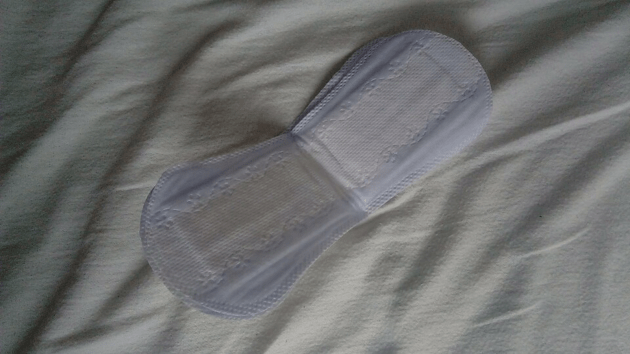
Kotex (Sanitary Pads): Kimberly-Clark developed an absorbent material called Cellucotton for surgical dressings during the war. Red Cross nurses discovered it worked exceptionally well as a sanitary pad. After WWI, the company adapted the material into Kotex, revolutionizing menstrual hygiene products for women around the world. (Source: Photo by wikimedia commons )
- 👁 history4 / 7
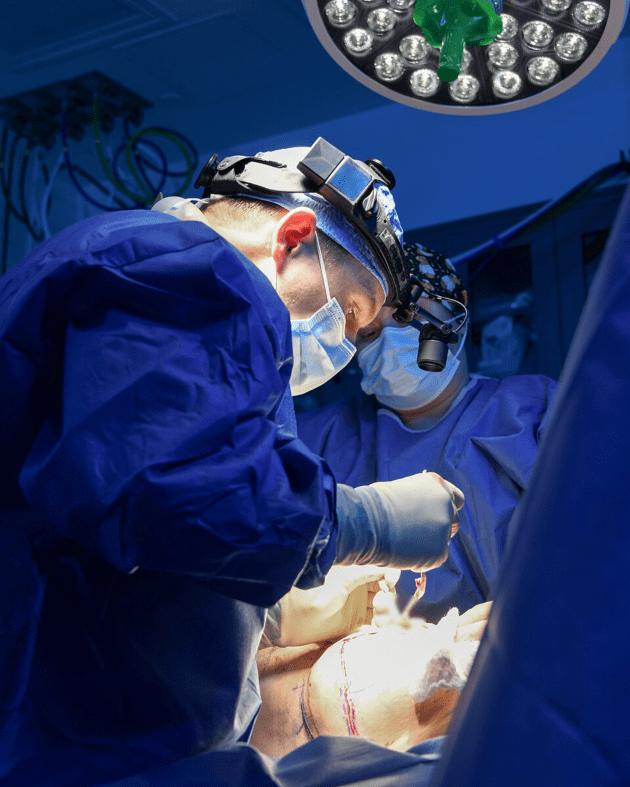
Plastic Surgery: Modern plastic surgery owes much to the pioneering work of surgeon Harold Gillies, who treated soldiers with severe facial injuries during WWI. His innovative reconstructive techniques laid the foundation for today's plastic and reconstructive surgery, which continues to help patients recover from injuries and medical conditions. (Source: Photo by wikimedia commons )
- 👁 history5 / 7
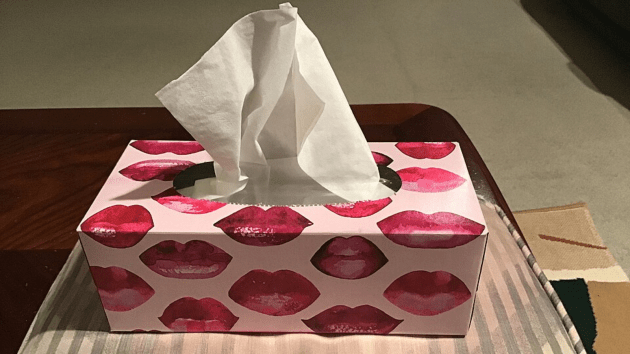
Kleenex Tissues: The same Cellucotton material used in surgical dressings was also adapted into filters for gas masks during WWI. When the war ended, Kimberly-Clark repurposed the material as disposable facial tissues. Marketed as Kleenex in 1924, it eventually became synonymous with disposable tissues. (Source: Photo by wikimedia commons )
- 👁 history6 / 7
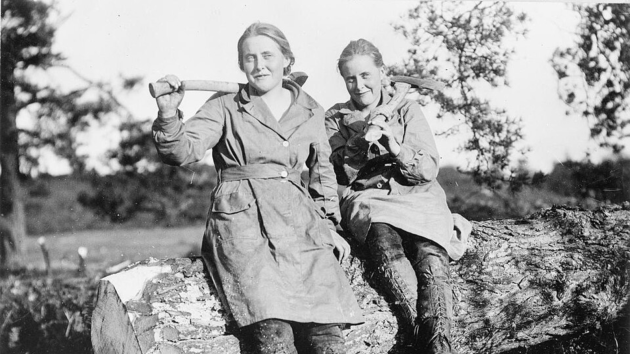
Trench Coats: Originally designed for British army officers, trench coats were modified during WWI to withstand harsh trench conditions. Features such as waterproof fabric, shoulder straps for rank insignia, D-rings for equipment, and protective flaps made them highly practical. After the war, they became a timeless fashion staple. (Source: Photo by wikimedia commons )
- 👁 history7 / 7
Zippers: The modern zipper evolved from Swedish American engineer Gideon Sundback's "hookless fastener" during WWI. Initially used on money belts for U.S. sailors and later on military flying suits, the invention quickly proved its value. Today, zippers are found on everything from clothing to backpacks and luggage. (Source: Photo by wikimedia commons )