The history and traditions of Good Friday
In the heart of Holy Week lies Good Friday, a day that stands in stark contrast to the joy of Easter Sunday.


- 👁 good friday1 / 7
Good Friday is one of the most solemn observances in the Christian calendar, commemorating the crucifixion and death of Jesus Christ. Observed during Holy Week on the Friday preceding Easter, it is a day defined by mourning, prayer, and reflection rather than celebration. Its origins trace back to the early Church, when believers first established it as a sacred time for fasting and penance. (Source: Photo by unsplash)
- 👁 good friday2 / 7
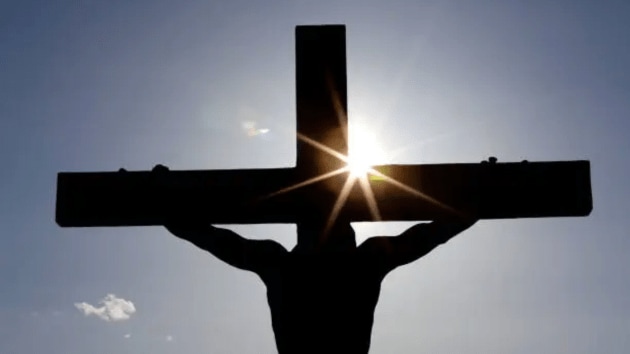
The Historical Event: Good Friday marks the day Jesus was arrested, tried, and crucified by Roman authorities under Pontius Pilate around the 1st century CE. It is considered a pivotal moment in Christian belief. (Source: Photo by unsplash)
- 👁 good friday3 / 7
Origins of the Observance: The observance of Good Friday dates back to the early Christian Church (as early as the 2nd century), when it was kept as a day of mourning, fasting, and repentance. (Source: Photo by unsplash)

- 👁 good friday4 / 7
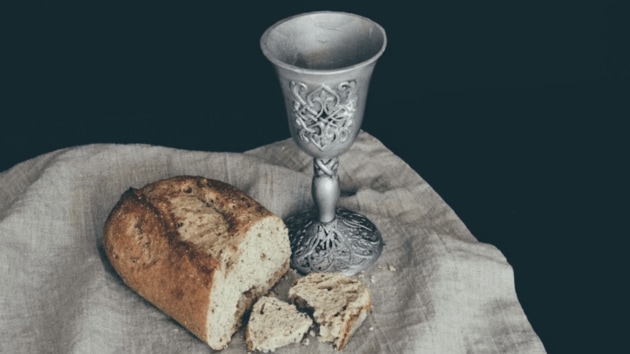
Why is it Called “Good” Friday? Despite marking a tragic event, the term “Good” is believed to mean “holy” or “pious.” It reflects the belief that Jesus’ sacrifice brought hope, salvation, and redemption to humanity. (unsplash) (Source: Photo by unsplash)
- 👁 good friday5 / 7
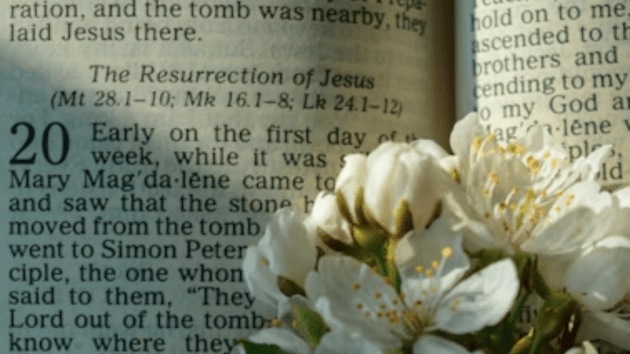
Role in Holy Week: Good Friday is part of Holy Week, which includes Palm Sunday, Maundy Thursday, and culminates in Easter Sunday. It falls two days before Easter, symbolising the transition from suffering to resurrection. (Source: Photo by unsplash)
- 👁 good friday6 / 7
Traditions and Rituals: Across the world, Christians observe Good Friday through church services, fasting, prayer, and processions. Many re-enact the “Passion of Christ” or meditate on Jesus’ final hours. (Source: Photo by unsplash)

- 👁 good friday7 / 7
Significance and Message: Good Friday represents sacrifice, forgiveness, and hope. It reminds believers of Jesus’ suffering and the promise of redemption, making it one of the most meaningful days in Christianity. (Source: Photo by unsplash)