Fascinating facts about Carl Jung
Carl Jung transformed the landscape of modern psychology by peering into the deep, often shadowy, corners of the human experience.


- 👁 carl jung1 / 7
Carl Jung, the founder of analytical psychology, fundamentally reshaped our understanding of the human mind, dreams, and the unconscious. While he is widely recognised for concepts like introversion and archetypes, many fascinating—and lesser-known—aspects of his life and work continue to shape modern thought. (Source: Photo by wikimedia commons )
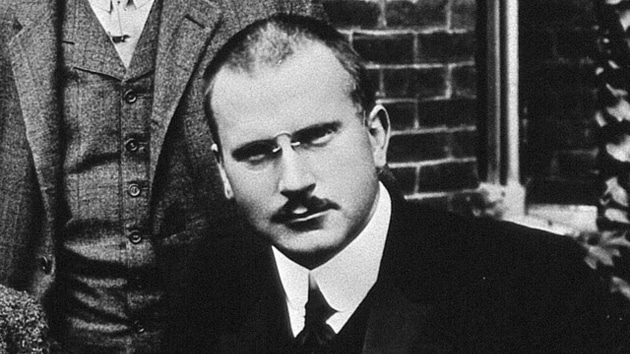
- 👁 carl jung2 / 7
He First Collaborated with Freud: Early in his career, Jung worked closely with Sigmund Freud. However, their relationship ended due to major disagreements about the role of sexuality and spirituality in human psychology. (Source: Photo by wikimedia commons )
- 👁 carl jung3 / 7
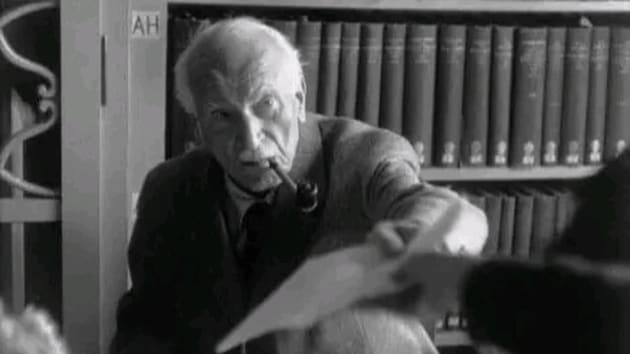
The Idea of the Collective Unconscious: Jung proposed that beyond personal memories, humans share a collective unconscious, a universal layer of the psyche filled with inherited symbols, myths, and archetypes common across cultures. (Source: Photo by wikimedia commons )
- 👁 carl jung4 / 7
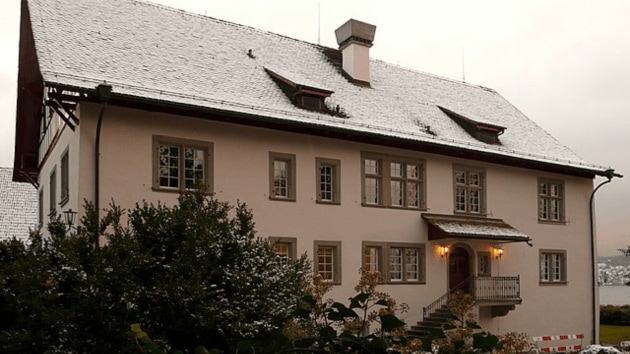
He Introduced Introverts and Extroverts: The popular personality terms introvert and extrovert were first developed by Jung, forming the foundation for many modern personality theories and assessments. (Source: Photo by wikimedia commons )
- 👁 carl jung5 / 7
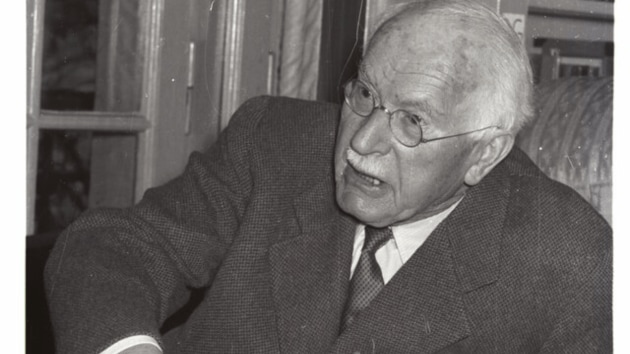
He Built a Personal Tower: Jung designed and constructed a retreat known as Bollingen Tower, where he spent time in solitude, carving symbols into stone and reflecting on his ideas. (Source: Photo by wikimedia commons )
- 👁 carl jung6 / 7
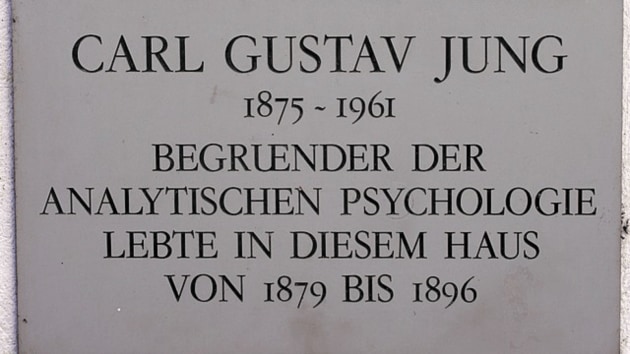
He was Deeply interested in Eastern Philosophy: Jung studied Hinduism, Buddhism, and Taoism, believing that Eastern spiritual traditions offered valuable insights into the psyche, balance, and self realisation. (Source: Photo by wikimedia commons )
- 👁 carl jung7 / 7
His "Red Book" was Hidden for decades: Jung documented his visions, dreams, and inner dialogues in a mysterious manuscript called The Red Book, which remained unpublished for nearly 80 years before being released in 2009. (Source: Photo by wikimedia commons )