Who was Maya Deren?
We explore the life of the woman who traded linear storytelling for the logic of dreams, effectively founding the American avant-garde film movement.


- 👁 films1 / 7
A visionary of the 1940s, Maya Deren was a pioneering experimental filmmaker, choreographer, and theorist who redefined independent cinema. Often hailed as the 'mother of the avant-garde,' she bypassed Hollywood conventions to craft deeply personal, poetic works that delved into dreams, identity, and the subconscious. (Source: Photo by wikimedia commons )
- 👁 films2 / 7
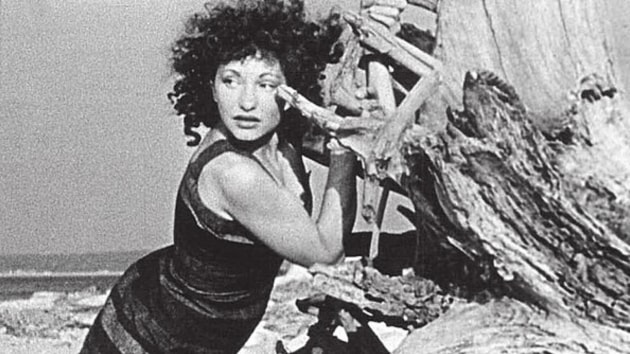
Early Life: Born in 1917 in Kyiv (then part of the Russian Empire), Deren emigrated to the United States as a child. She studied literature and journalism, developing a strong intellectual foundation that later influenced her filmmaking. Her early exposure to political and cultural change shaped her interest in identity and human experience. (Source: Photo by wikimedia commons )
- 👁 films3 / 7
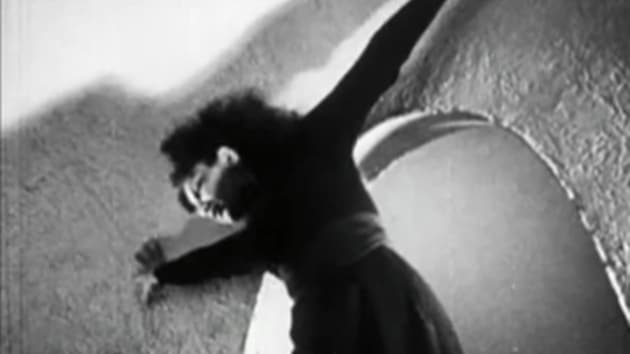
Entry into Filmmaking: Deren initially worked in dance and collaborated with choreographer Katherine Dunham. This experience deeply influenced her cinematic language, she began to treat film as “choreography for the camera,” where movement, rhythm, and the body became central storytelling tools. (Source: Photo by wikimedia commons )
- 👁 films4 / 7
Breakthrough Work: Her landmark film Meshes of the Afternoon, co-created with Alexander Hammid, is one of the most influential experimental films ever made. It uses recurring symbols, mirrors, keys, and shadows to explore dream logic, repetition, and psychological fragmentation. (Source: Photo by wikimedia commons )
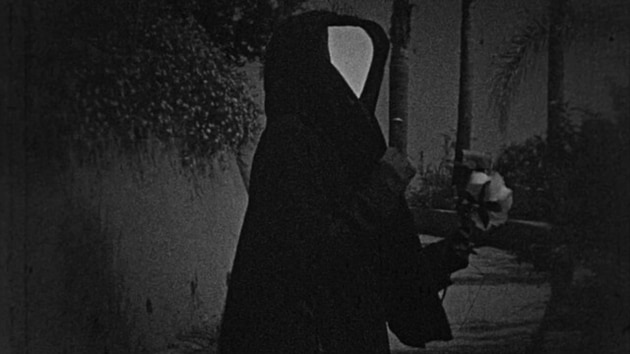
- 👁 films5 / 7
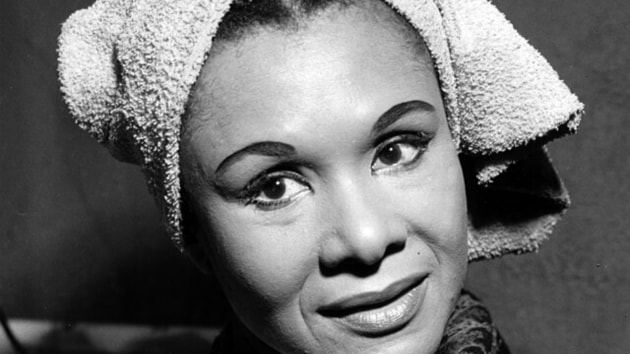
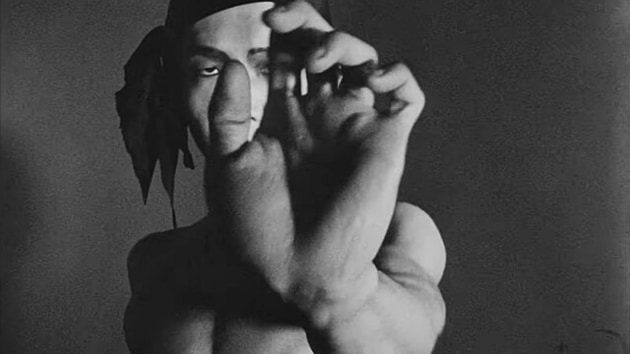
Influence and Contributions: She was a strong advocate for independent cinema, even distributing her films herself. Deren also wrote extensively about film theory, arguing that cinema should be an art form with its own language, not just recorded theatre or commercial entertainment. (Source: Photo by wikimedia commons )
- 👁 films7 / 7
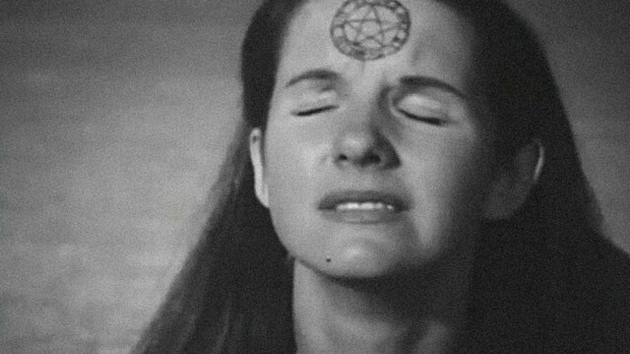
Legacy: Maya Deren’s work continues to influence experimental filmmakers, visual artists, and even music videos today. Her fearless approach to storytelling and emphasis on artistic freedom helped shape modern avant-garde cinema and opened doors for independent creators worldwide. (Source: Photo by wikimedia commons )