|
VOOZH | about |
|
VOOZH | about |
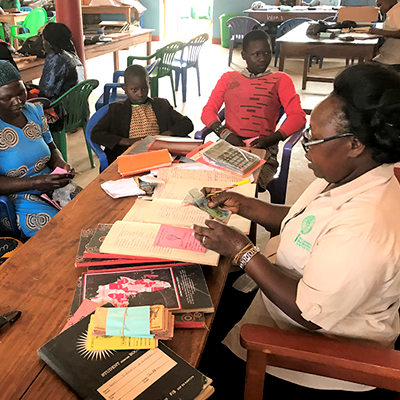
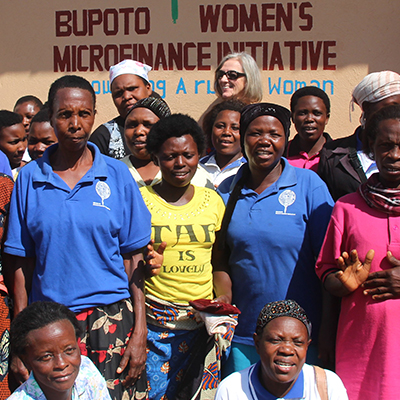
WMI's mission is to establish village-level loan hubs, administered by and for local women, to provide capital, training and support services to rural women in the lowest income brackets in East Africa so that they can engage in income producing activities and use their business profits to improve household living conditions for themselves and their families.
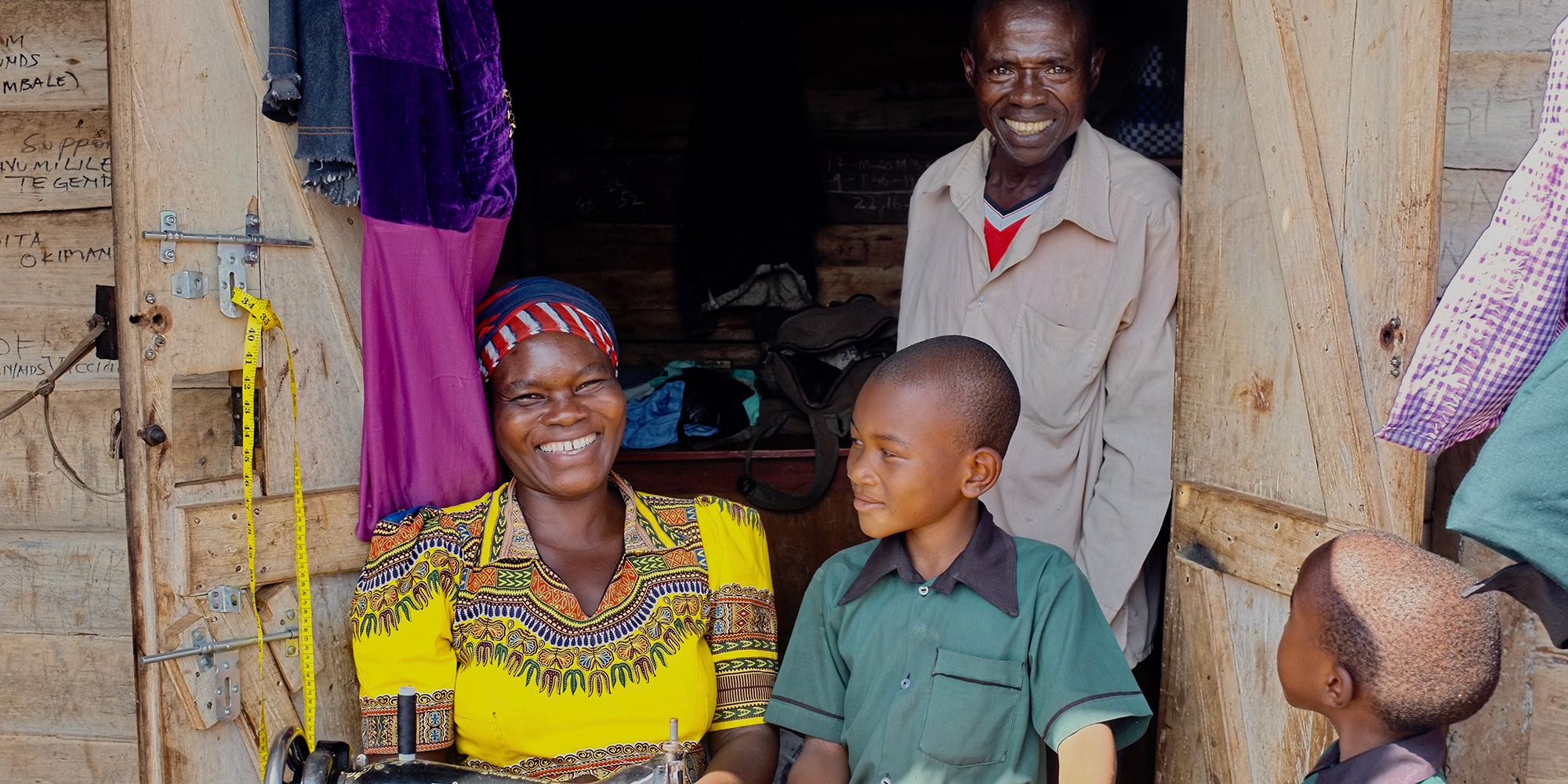
Your donation will give an impoverished woman in rural East Africa the opportunity to start her own business. With the revenues generated from her micro-enterprise, she will be able to raise the standard of living for her entire family and help make their future more secure.
👁 Solid Track Record of Performance
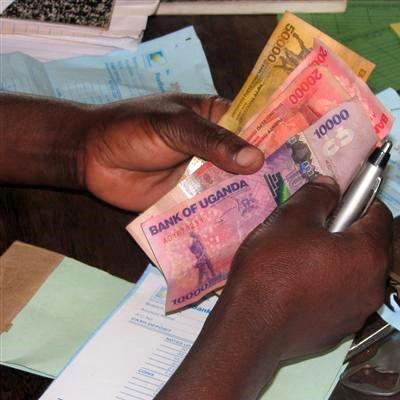
Over a decade of operating history with a 98% repayment rate. More than 100,000 loans issued, totaling over $13 million.
👁 Successful Operating Plan in Place
WMI is on track to provide business training and issue 15,000 loans per year to rural women in Uganda, Kenya and Tanzania.
All income from the loan program is retained by the women's groups and recycled into new loans.
👁 Loan Hubs are Self-sustaining
Loan hubs are self-sustaining after initial funding. They can continue operating in perpetuity as long as the loans are repaid.
👁 Inspiring Community Projects
Loan program income covers all local operating costs. Excess income is used to provide village-level outreach.
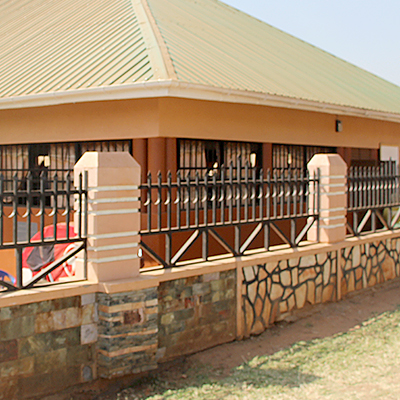
In addition to building human capacity at the local level, WMI constructs meeting halls for the women to conduct program operations.
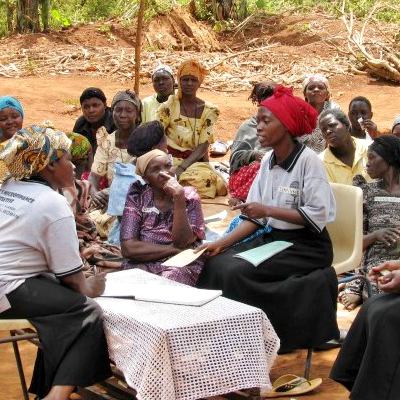
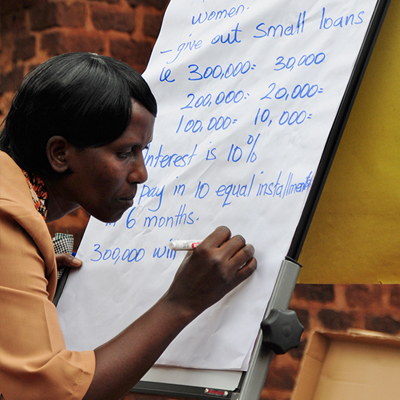
Our twenty-member loan solidarity groups use social capital as collateral to foster loan repayment.
👁 Peer-to-Peer Knowledge Transfer
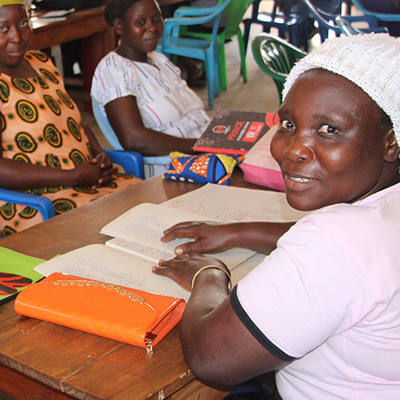
Borrowers learn WMI's important lessons for success in their own language through lectures, songs, skits and role-playing.
Surveys document improvements in household living standards, like health, nutrition, education and home upgrades.
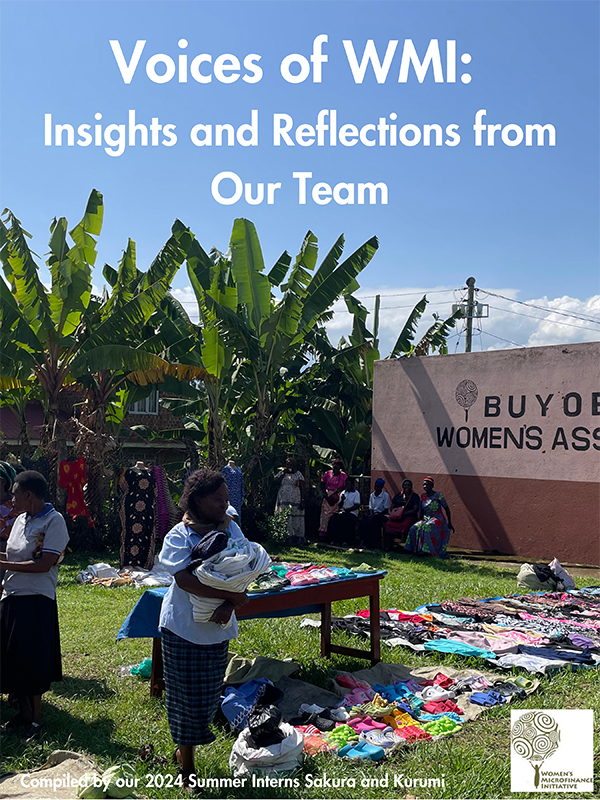
Compiled by our 2024 Summer Interns Sakura and Kurumi, learn how WMI has impacted the lives of 6 incredible women in East Africa.
Each year WMI provides a summary of program highlights, intern/fellowship experiences, financials and more.
2025 Annual ReportLet Olive, Robinah, Margaret and Alice tell you about their businesses...
Olive Wolimbwa's loan launched a business that paid school fees for her eldest son to graduate from University, and obtain a full-time job in the microfinance industry.
Robinah Wamanga used her loan to build a produce business from scratch; after getting to know other WMI women, she was elected to the local district government.
Margaret started a jewelry business that has ended her days of poverty. Margaret shows us her business and in her own words describes how it has changed her life.
Alice Monje, a mother of nine, bought chicks with her loan and now she runs a thriving poultry business with the help of her entire family that has transformed her future.
2024 - In 2015, WMI entered a strategic partnership with Lewa Wildlife Conservancy (LWC), a progressive non-profit on the Laikipia Plateau in northern Kenya, entrusted with the welfare of a host of wildlife, including endangered rhinos. The rural women living in the villages surrounding LWC are key to helping ensure the animals' safety and well-being. WMI funds loans for the local Neema Women Group, which was formed to assist widows and orphans, as well as provide emergency funds for families in need. With their loans women have started individual businesses and their lives have been transformed as they earn profits to build houses, buy farmland, and send their children to school.
WMI borrowers throughout East Africa are proud to share their stories of how the WMI loan program helped them work their way out of poverty.
Born in the Maasai village of Alchenemelock, Nemburis moved to Alailelai, Tanzania when she married at the age of 18. As one of eight siblings, she walked two-hours each way to primary school in Alailelai to obtain an education.