
Home / Solutions / Non-Animal Navigator

Non-Animal Navigator™
Expert strategy and AI-enabled biosimulation to reduce, refine, or replace animal studies
Learn more about Non-Animal Navigator
Navigate the evolving nonclinical landscape with confidence
Following the FDA’s announcement to phase out animal testing for monoclonal antibodies and other drugs, preclinical development is entering a new era. A fundamental change in drug development has started and the best prepared companies must ‘future-proof’ their portfolios to gain competitive advantage from timeline acceleration, cost reduction and more predictive evidence generation via biosimulation. AI- and in vitro-based toxicity models, predictive biosimulation, and other new approach methodologies (NAMs) will play a critical role. With thousands of mAbs currently in preclinical development, drug developers face major opportunities—and regulatory shifts—as they move beyond traditional animal studies. Certara’s Non-Animal Navigator™ solution helps companies adapt by selecting and optimizing the best-fit NAM strategies. We do this by first conducting a gap analysis. Based on this assessment, we then tailor a bespoke software and services solution for the particular asset. Using this approach helps our clients accelerate development, manage costs, and ensure regulatory alignment.
Hone your regulatory strategy
The FDA roadmap creates new opportunities to design non-clinical safety programs that leverage new approach methodologies instead of in vivo studies. In the near term, companies with mAbs in preclinical or early clinical development must quickly reassess their regulatory strategies. Early clinical-stage companies should explore how NAMs could reduce chronic toxicology requirements, while pre-IND sponsors must design a NAM-based data package. In both cases, strategies must be scientifically sound and aligned with regulatory expectations, with early FDA engagement critical to securing an agreed path forward.
Evaluate opportunities and risks
Alternative approaches to animal toxicology studies can lower costs, shorten timelines, and reduce animal use, especially for studies using scarce non-human primates. However, skipping key studies carries serious risks if participant safety is compromised. Success requires an integrated, weight-of-evidence strategy combining in vitro, in vivo, and modeling data—with expert toxicology input to avoid pitfalls and ensure regulatory alignment.
Design an optimal IND enabling program
Design a smarter path to first-in-human studies with Certara. By integrating clinical trial and real-world data from sources including our proprietary CODEX database, biosimulation, and regulatory expertise, we help sponsors identify when human experience can supplement or replace animal studies. Our approach optimizes enabling studies, reduces timelines and costs, and secures regulatory alignment early.
Leverage AI-enabled modeling and simulation techniques
Quantitative systems pharmacology (QSP) and physiologically based pharmacokinetic (PBPK) modeling enable mechanistic simulation of human and preclinical pharmacokinetics (PK), pharmacodynamics (PD), drug-drug interactions (DDIs), toxicity, and anti-drug antibody (ADA) responses across species including mouse, rat, dog, monkey, and human. These models integrate physiological, biochemical, and molecular data to support species translation, optimize study design, and significantly reduce reliance on animal testing in line with evolving regulatory guidance.
Learn more how Certara can help




Meet our experts on alternative approaches to animal studies
Fran Brown, PhD
Senior Vice President, Global Head, Drug Development Science
Fran has over 25 years of experience with strategic and operational global drug development from early discovery to filing and post-marketing. She possesses a broad knowledge of strategic drug discovery and development, with a special focus on development strategy and the application of model-informed drug development (MIDD).
Connect
Geoff Fatzinger
Vice President, Regulatory Strategy, Certara
Geoff brings 20+ years of expertise and a demonstrated record of regulatory and business accomplishments covering the United States, Europe, Asia Pacific (with in depth experience in Japan, China, and Korea), and Middle East having lived and worked in many countries championing regulatory affairs.
Connect
Patrick F. Smith
SVP, Translational Science, Certara
Connect
Piet van der Graaf
Senior Vice President and Head of Quantitative Systems Pharmacology
Connect
Tong Zhu, PhD, FCP
VP, Global Head, Clinical Pharmacology & Translational Medicine Certara Drug Development Solutions
Connect
Related resources
View allNew Approach Methodologies: Redefining Animal Testing Alternatives
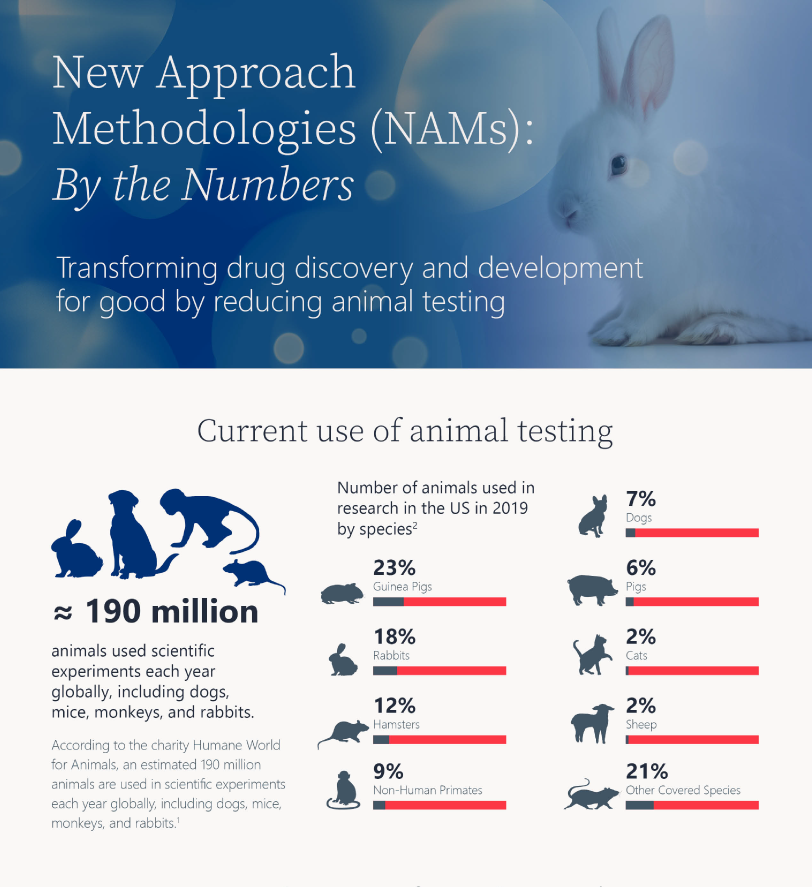
New Approach Methodologies (NAMs): By the numbers
The end of animal testing? Transitioning to models is promising — but no silver bullet
How Pharma Can Transition to Non-animal Studies for Investigational Drugs
Our offerings for navigating animal alternatives
Tap into knowledge of our experts who have thousands of years of combined experience across drug development.
Learn moreOur Toxicology Consultants provide core professional nonclinical safety services consulting, to help support your product through regulatory stages.
Learn moreOur PBPK modeling software is the most widely adopted platform for PBPK modeling in drug development. Find out more about our Simcyp™ Platform here.
Learn moreCertara IQ is an AI-enabled QSP modeling software that scales quantitative systems pharmacology, offering validated models, workflows, and regulatory-ready insights.
Learn moreSimulate and predict drug exposure
The Simcyp® PBPK Simulator is the industry leader and most widely adopted platform for PBPK modeling in drug development. Developed through the expertise of a 25 year-long consortium involving 37 leading global pharmaceutical companies, the Simcyp PBPK Simulator is recognized and licensed by 11 regulatory agencies worldwide. Our Simcyp offerings are backed by a dedicated research and development team as well as a team of global PBPK consultants, ensuring comprehensive support for clients.
Contact us
Contact us to learn more about the Certara Non-Animal Navigator
FAQs
What role does Certara play in helping sponsors navigate the transition away from animal studies?
Certara’s regulatory experts partner with sponsors to design innovative development strategies that leverage validated in silico and in vitro data, engage proactively with regulators, and prepare submissions that meet FDA expectations while minimizing or eliminating animal use.
Can Certara help obtain regulatory acceptance for alternative methods?
Yes. Certara has a proven track record of gaining regulatory buy-in for non-animal approaches by generating compelling scientific justifications, participating in pre-submission meetings, and guiding the development of data packages that demonstrate human relevance and regulatory compliance.
Are regulatory agencies accepting modeling data in place of animal studies?
Yes. Regulatory agencies worldwide increasingly support the use of validated modeling approaches—such as PBPK and QSP—to inform decisions, reduce reliance on animal data, and align with emerging guidance aimed at modernizing nonclinical testing strategies.
What types of questions can modeling and simulation answer without using animals?
Modeling can address species differences, predict human drug exposure, simulate drug-drug interactions, assess organ-level toxicity, and evaluate immunogenicity risks (e.g., ADA formation)—helping reduce or avoid animal studies while improving translational relevance.
How does Certara’s regulatory strategy align with the FDA’s goal to reduce animal testing?
Certara integrates advanced modeling and simulation tools—such as PBPK, QSP, and in vitro to in vivo extrapolation (IVIVE)—into regulatory submissions, providing scientifically robust alternatives to traditional animal studies and supporting alignment with the FDA’s evolving nonclinical guidance.