|
VOOZH | about |
|
VOOZH | about |
By Ahmed Fawzy Gad and James Skelton
In computer vision, object detection is the task of identifying and locating objects within an image. Whether it’s detecting cars on a road, people in a crowd, or products on a shelf, object detection helps machines “see” and understand visual data. Traditional techniques relied heavily on manual feature extraction and were often limited in accuracy. However, with the rise of deep learning, models like R-CNN and YOLO have significantly improved performance by learning features directly from the data.
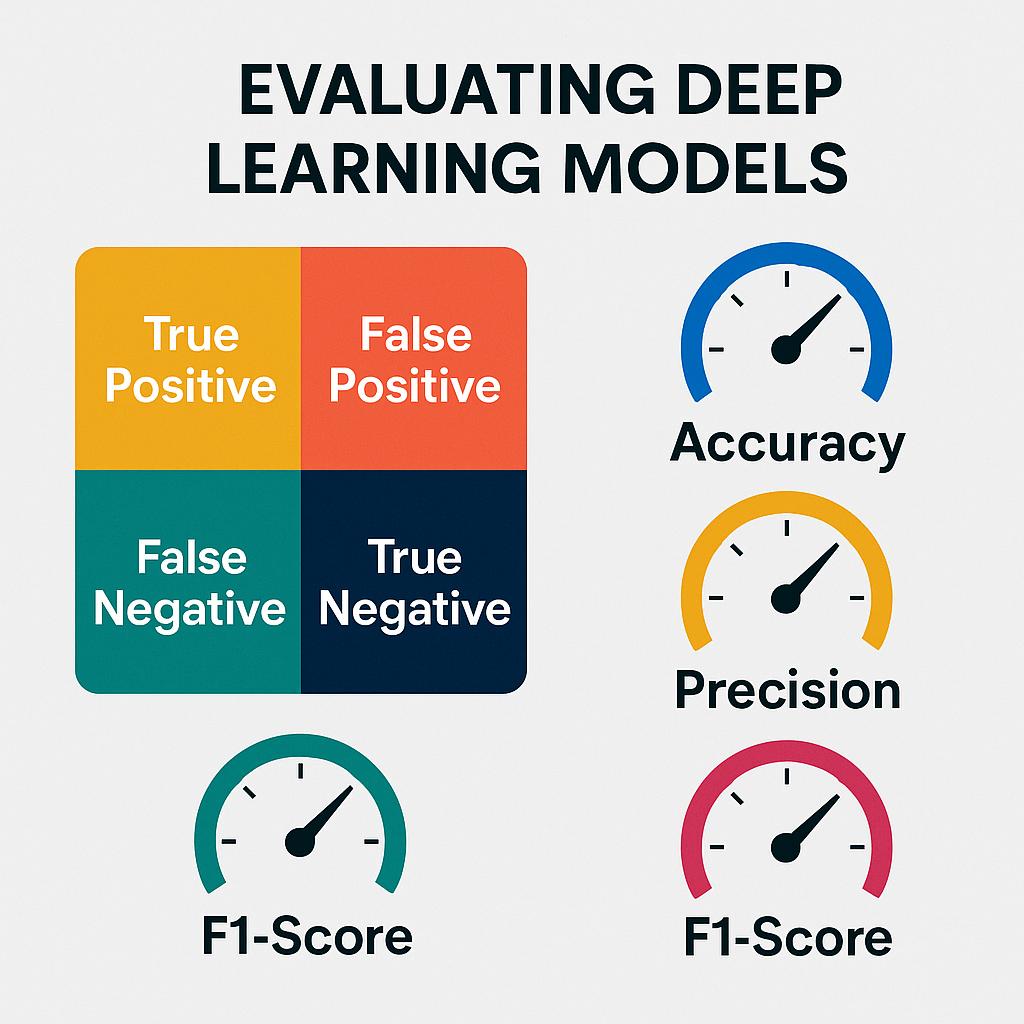
These models take an image as input and return bounding boxes with class labels around each detected object, making them ideal for real-world applications like autonomous driving, surveillance, and medical imaging. While achieving good predictions is important, it’s just as critical to evaluate how well a model is performing. In this tutorial, we’ll walk through key evaluation metrics such as the confusion matrix, precision, recall, and accuracy—all of which help us understand the quality of predictions in object detection.
Let’s dive in and learn how to measure what really matters in object detection models.
Thanks for learning with the DigitalOcean Community. Check out our offerings for compute, storage, networking, and managed databases.
This textbox defaults to using Markdown to format your answer.
You can type !ref in this text area to quickly search our full set of tutorials, documentation & marketplace offerings and insert the link!
Full documentation for every DigitalOcean product.
The Wave has everything you need to know about building a business, from raising funding to marketing your product.