|
VOOZH | about |
|
VOOZH | about |
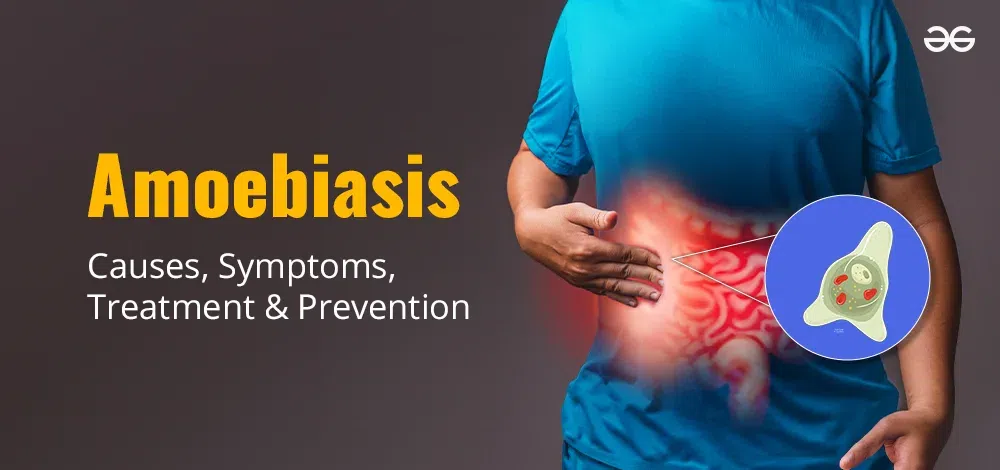
Amoebiasis is a parasitic infection caused by the amoeba Entamoeba histolytica. Amoebiasis symptoms include abdominal pain, diarrhea, and bloody stools. Understanding the Amoebiasis cause, diagnosis, treatment, and prevention helps in helps in effectively managing and controlling this parasitic infection thereby reducing its impact on public health. In this article, we will cover Amoebiasis notes in detail.
Table of Content
Amoebiasis is caused by the protozoan Entamoeba histolytica (a unicellular eukaryote) which is a major health problem worldwide, particularly in areas with inadequate sanitation and hygiene standards. It is a waterborne disease. This protozoan enters the human body through ingestion and affects the intestines. It causes symptoms ranging from moderate diarrhoea to serious, sometimes fatal consequences, including liver abscesses. With the availability of quick diagnosis and adequate therapy, amoebiasis can be effectively cured and prevented.
The pathogen Entamoeba histolytica enters through the oral-faecal route. Ingestion of parasitic cysts transforms into invasive trophozoites, which later characterise amoebiasis. This results in a wide range of clinical manifestations, ranging from asymptomatic carriage to severe dysentery and potentially fatal extra-intestinal complications. The complex interplay between virulence factors of the protozaon and immune responses of the host can influence the pathogenesis of this disease.
👁 Entamoeba-histolytica-Life-CycleCauses for the spread of amoebiasis are listed below:
The Amoebiasis disease is characterised by the following symptoms:
Early diagnosis of the disease may help us approach appropriate treatment. Few methods to diagnose amoebiasis are given below:
Amoebiasis is often treated with drugs that kill the parasite and relieve symptoms. The choice of therapy is determined on the severity of the illness and the occurrence.
It is necessary to complete the entire term of recommended drugs, even if symptoms improve before the treatment time finishes as it may relapse. It may also lead to the developemnt of drug-resistant strains. In situations of severe or complicated amoebiasis, further therapies such as abscess drainage or surgical operations may be required.
To prevent the spread of amoebiasis, preventive measures should be taken to reduce parasitic exposure and maintain good hygiene habits. The given table summarizes some important preventative strategies:
Prevention Strategy | Description |
|---|---|
Improved Sanitation | There should be access to clean water and sufficient sanitary facilities to maintain proper hygeine which is critical to avoid the consumption of infected food or water sources. |
Hand Hygiene | Handwashing with soap and water, especially after using the toilet and before handling food, can help lower the chance of transmission of the disease. |
Food Safety | Proper food handling, storage, and adequate cooking can help to reduce amoebic cyst contamination and hence reduce the risk of infection. |
Avoiding activities | Avoiding habits including drinking unclean water, consuming raw or undercooked foods, can help lower the chance of infection. |
Public Health Education | Raising awareness about the need of hygienic habits, as well as giving information on safe water and food management, may help communities prevent infections. |
By combining these preventative strategies into public health programs and individual practices, the incidence of amoebiasis can be dramatically decreased.
To summarize, while amoebiasis poses major health risks there are ways to cure and prevent disease by quick diagnosis, adequate treatment, and by taking preventative actions. By addressing both affected person therapy and prevention of the transmission of the causative organism, we can help to reduce the global burden of this health issue. Hence, to effectively combat amoebiasis, healthcare professionals, governments, and communities must work together to adapt awareness and preventive measures.
Also Read: