|
VOOZH | about |
|
VOOZH | about |
The role of bile salt in digestion is to emulsify fats and break them down into smaller droplets for easier digestion. It also helps in absorption by enzymes in the small intestine. This process is vital for the efficient uptake of dietary fats and fat-soluble vitamins. The bile salt composition consists primarily of cholesterol derivatives that are synthesized in the liver.
In this article, we will read about the role of bile salt in digestion in detail.
Bile salts are components of bile. Bile is a greenish-yellow fluid produced by the liver and stored in the gallbladder. Besides bile salts, bile contains cholesterol, water, bile acids, and bilirubin. The liver continuously produces bile, but the gallbladder stores and concentrates bile between meals.
During fasting, the gallbladder stores and concentrates bile salts, releasing them into the duodenum in response to food intake. The hormone cholecystokinin (CCK) regulates this process, responding to the presence of macronutrients, especially fats, in the digestive system. Dietary protein also stimulates CCK release.
Bile salts are important for the digestion and absorption of fats. The role of bile salts in digestion is given below:
One of the primary functions of bile salts is to emulsify fats. Fats are not water-soluble, and they tend to clump together in the watery environment of the digestive tract. Bile salts act like detergents, breaking down these large fat globules into tiny droplets by a process known as emulsification. It increases the surface area of the fats that allow digestive enzymes, particularly lipases, to work more efficiently.
Bile salts also play a role in activating pancreatic lipase, an enzyme crucial for fat digestion. Pancreatic lipase breaks down triglycerides into free fatty acids and monoglycerides. Without the action of bile salts, lipase would not be as effective and fat digestion would be significantly impaired.
After fats are broken down into smaller molecules, bile salts help form structures called micelles. Micelles are tiny, spherical complexes that surround the fat molecules, making them soluble in the watery environment of the intestine. This solubilization is essential for the absorption of fats and fat-soluble vitamins (A, D, E, and K) into the intestinal cells. Once inside the cells, these nutrients are further processed and transported to where they are needed in the body.
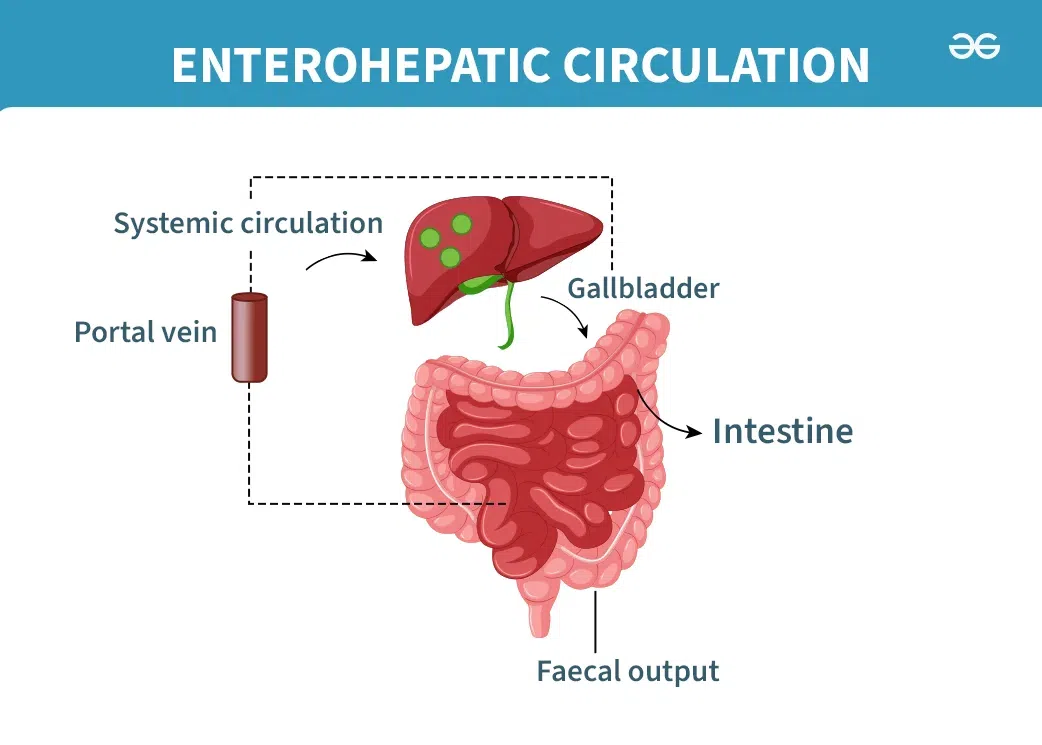
The body efficiently recycles bile salts through a process called enterohepatic circulation. After helping in fat digestion, most bile salts are reabsorbed in the ileum, the last part of the small intestine. From there they are transported back to the liver. This recycling process ensures that the body maintains a sufficient supply of bile salts to handle the digestion of dietary fats.
Bile salts are composed primarily of bile acids conjugated with amino acids, usually glycine or taurine. The primary bile acids are cholic acid and chenodeoxycholic acid. They are synthesized from cholesterol in the liver. These acids are then conjugated to form glycocholic acid and taurocholic acid, among others. This conjugation increases their solubility and effectiveness in emulsifying fats. Also, bile salts contain small amounts of electrolytes, cholesterol, and phospholipids, all of which contribute to their digestive function.
Bile salt disorders involves various conditions affecting the production, flow, or composition of bile salts in the body. These disorders may include gallstones, bile duct obstructions, bile reflux, and bile acid malabsorption.
The symtpoms of excess bile production are:
The symtpoms of low bile production are:
In conclusion, the role of bile salts in digestion involves emulsifying fats, breaking them down into smaller droplets for efficient digestion and absorption by enzymes in the small intestine. This process is important for the uptake of dietary fats and fat-soluble vitamins, ensuring proper nutrition. Bile salts, composed primarily of cholesterol derivatives synthesized in the liver, are crucial components of bile. Understanding the role and function of bile salts is essential for maintaining digestive health and overall well-being.
Also Read: