This is an encryption software used to provide confidentiality, integrity, and authentication for digital communication and stored data. PGP secures emails, files, and other information by using a hybrid cryptographic approach, which combines both symmetric-key encryption and public-key encryption.
Symmetric encryption uses a single secret key for both encryption and decryption.
Public-key encryption uses a public key for encryption and a private key for decryption, ensuring secure communication between users.
Provides a mechanism to create, store, and exchange cryptographic keys securely.
Compresses data before encryption to reduce file size and improve transmission efficiency.
Uses a decentralized trust model where users verify each other’s public keys instead of depending on a central authority.
Works on different operating systems such as Windows, Linux, and macOS.
1. Authentication in PGP
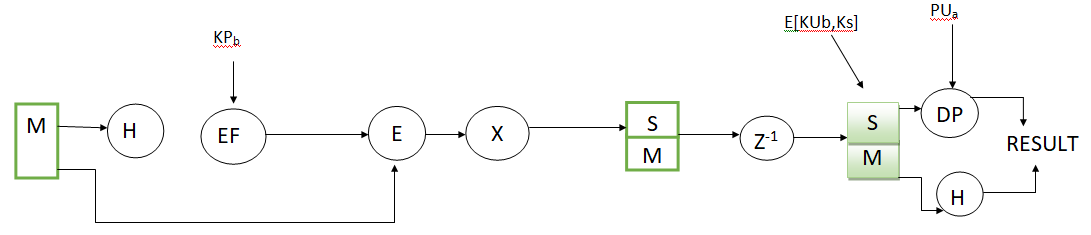
This is used to verify that the message is truly sent by the claimed sender and has not been modified during transmission. It is achieved using digital signatures and hash functions.
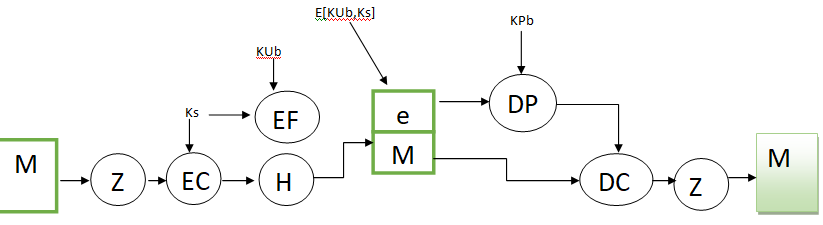
The original message is first compressed to reduce size and improve security.
The compressed message is encrypted using a random session key (Ks) with symmetric encryption algorithms such as CAST-128, IDEA, or 3DES.
The session key (Ks) is then encrypted using the receiver’s public key (PUb) with RSA encryption.
The encrypted message and encrypted session key are sent together to the receiver.
At the Receiver’s End
The receiver decrypts the session key (Ks) using their private key (KPb).
The retrieved session key is used to decrypt the message.
The decrypted message is then decompressed to obtain the original content.
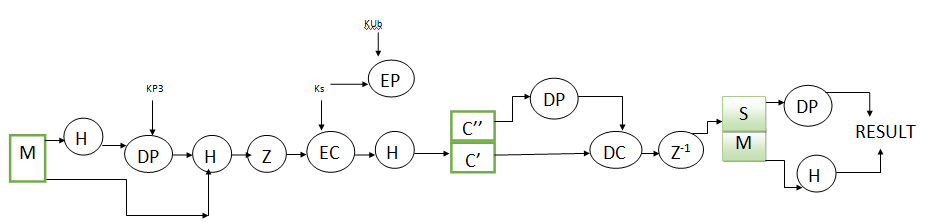
Authentication and Confidentiality Together
PGP provides Authentication and Confidentiality together to ensure that the message is secure, private, and verified. This combined process protects the message from unauthorized access and confirms the identity of the sender.