|
VOOZH | about |
|
VOOZH | about |
We use cookies to improve your experience on our site. By using our site, you are agreeing to the collection and use of data as described in our Privacy Policy.
Cookie Settings×Table of contents
Building best-in-class products requires juggling short and long-term business needs with existing and planned resources effectively.
This juggling exercise can be incredibly complex when you’re dealing with several stakeholders, managing multiple product lines, and serving several types of customers. And this only gets exacerbated when you factor in competitive pressures, economic trends, and more.
To help you navigate this as effectively as possible, you can build a flexible, comprehensive product roadmap that your cross-functional teams and customers are aware of and bought into.
We’ll break down how you can build one by highlighting several noteworthy examples and by sharing tips for building your own.
But first, let’s align on the definition of a product roadmap.
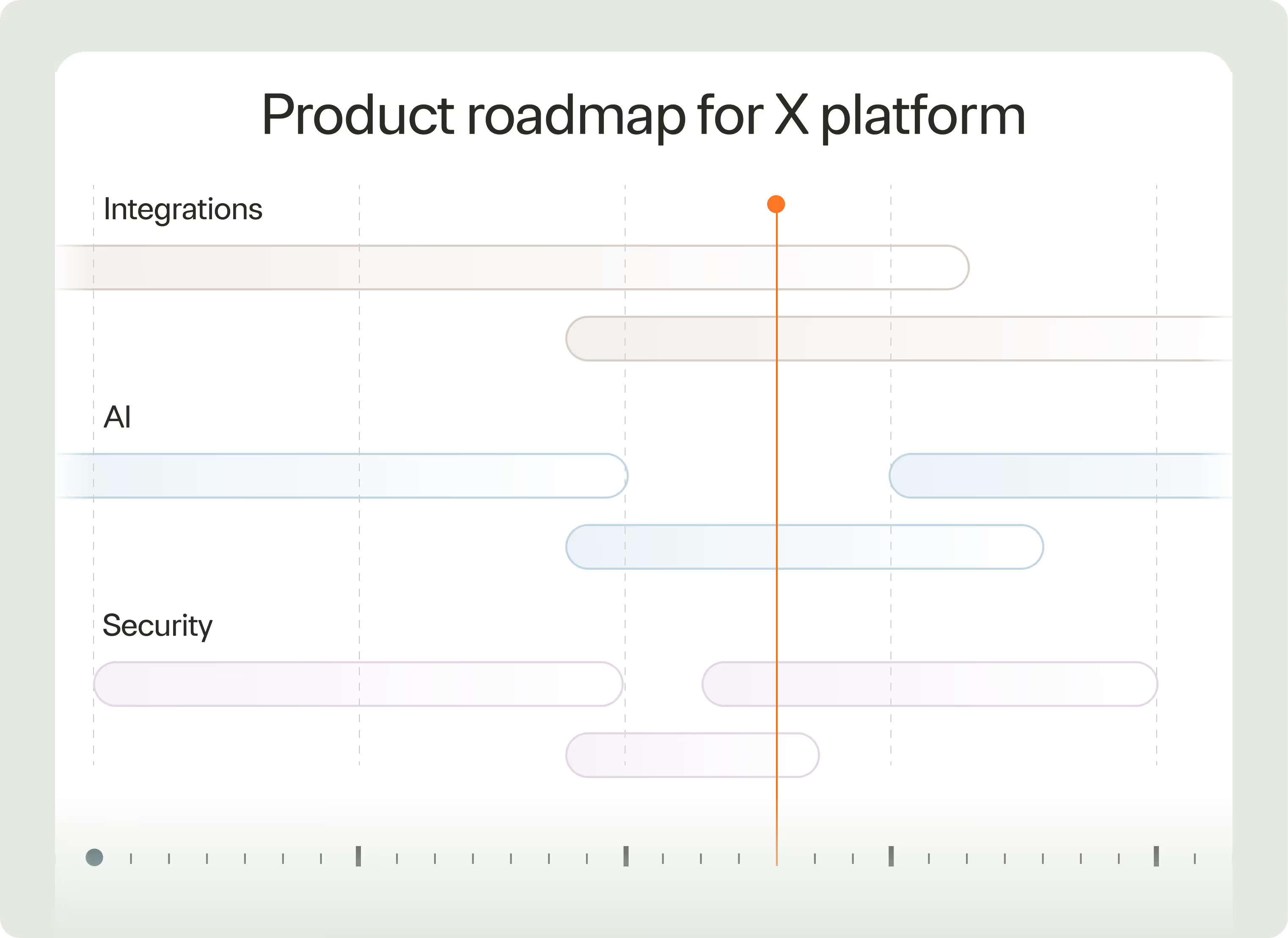
It’s a visual summary that outlines the products, features, and functionality you plan to build or improve on in your platform. The roadmap can also be filterable by key themes, such as AI or security, to make it easy to skim and analyze.
A great product roadmap should be accessible for go-to-market and technical teams and be steeped in a strong understanding of the business goals, customer needs, and technical realities (e.g., available engineering resources).
https://www.merge.dev/blog/product-objectives?blog-related=image
Here are just a few real-world examples of product roadmaps that are worth taking inspiration from.
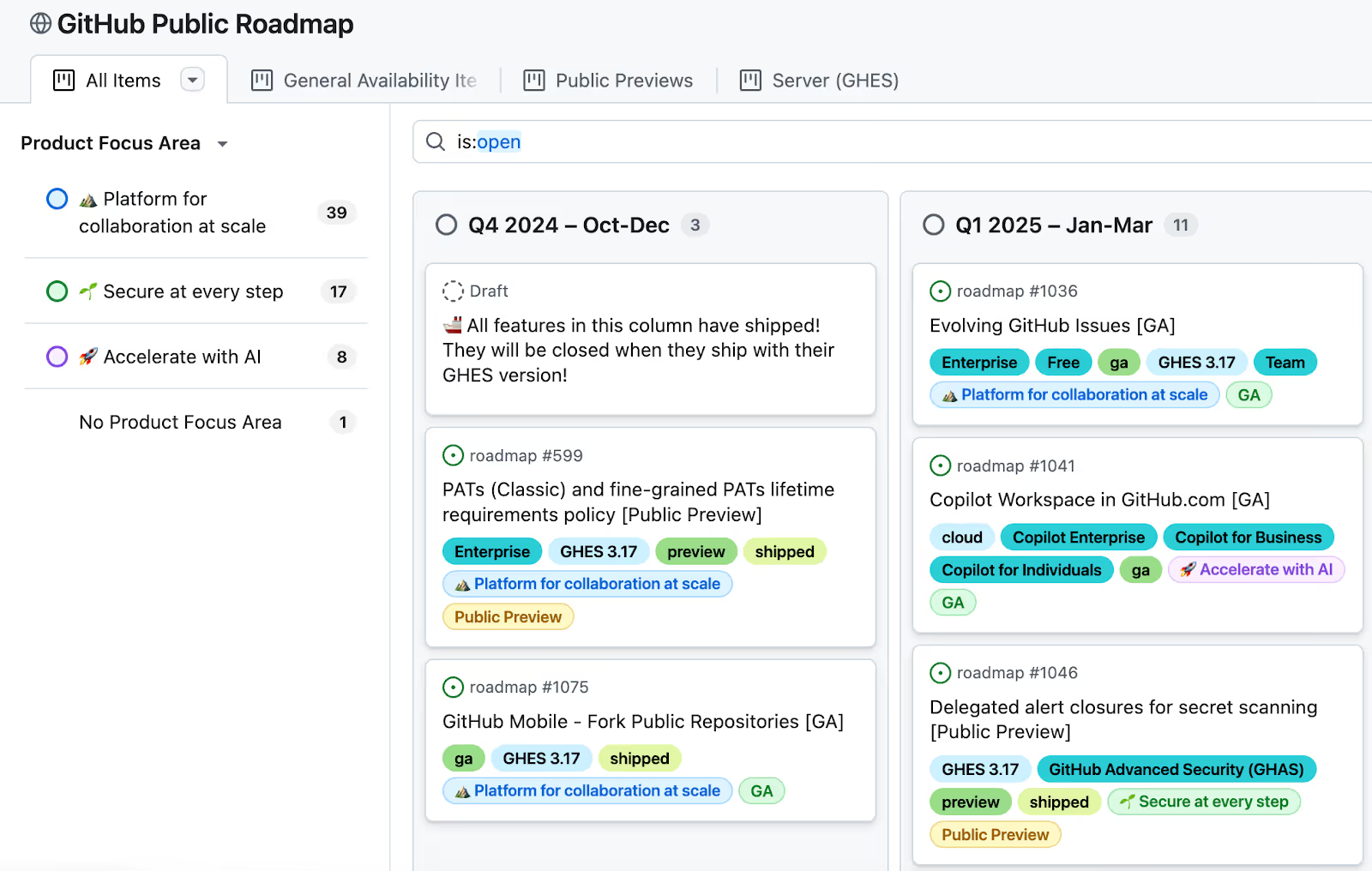
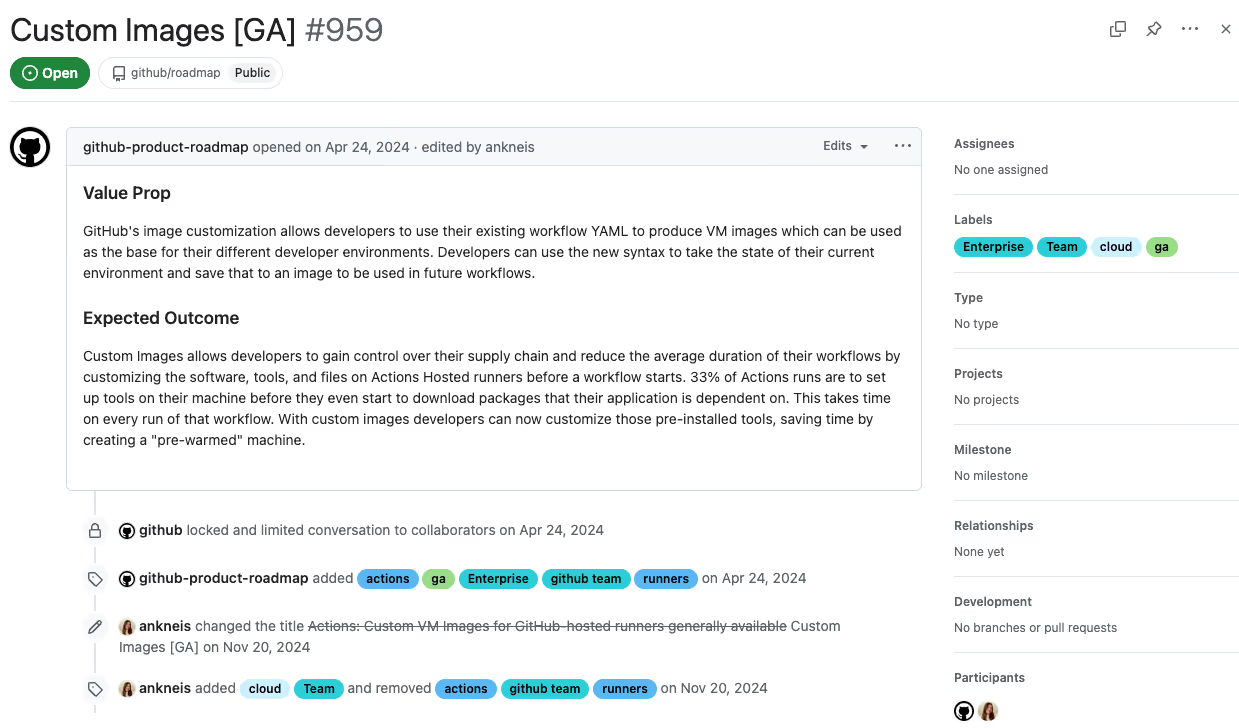
The developer platform offers a public product roadmap that—unsurprisingly—uses their own platform.
Some areas worth highlighting:
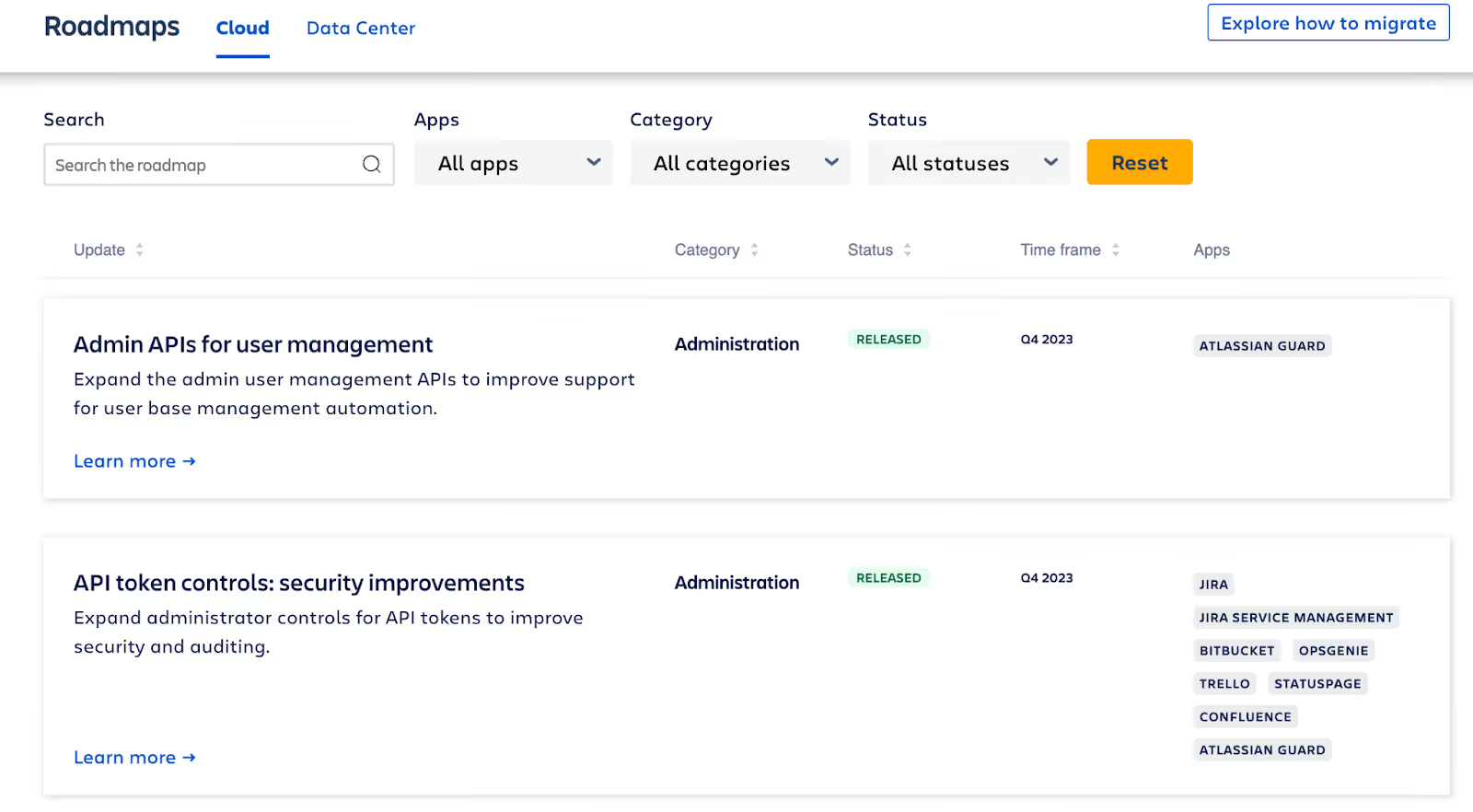
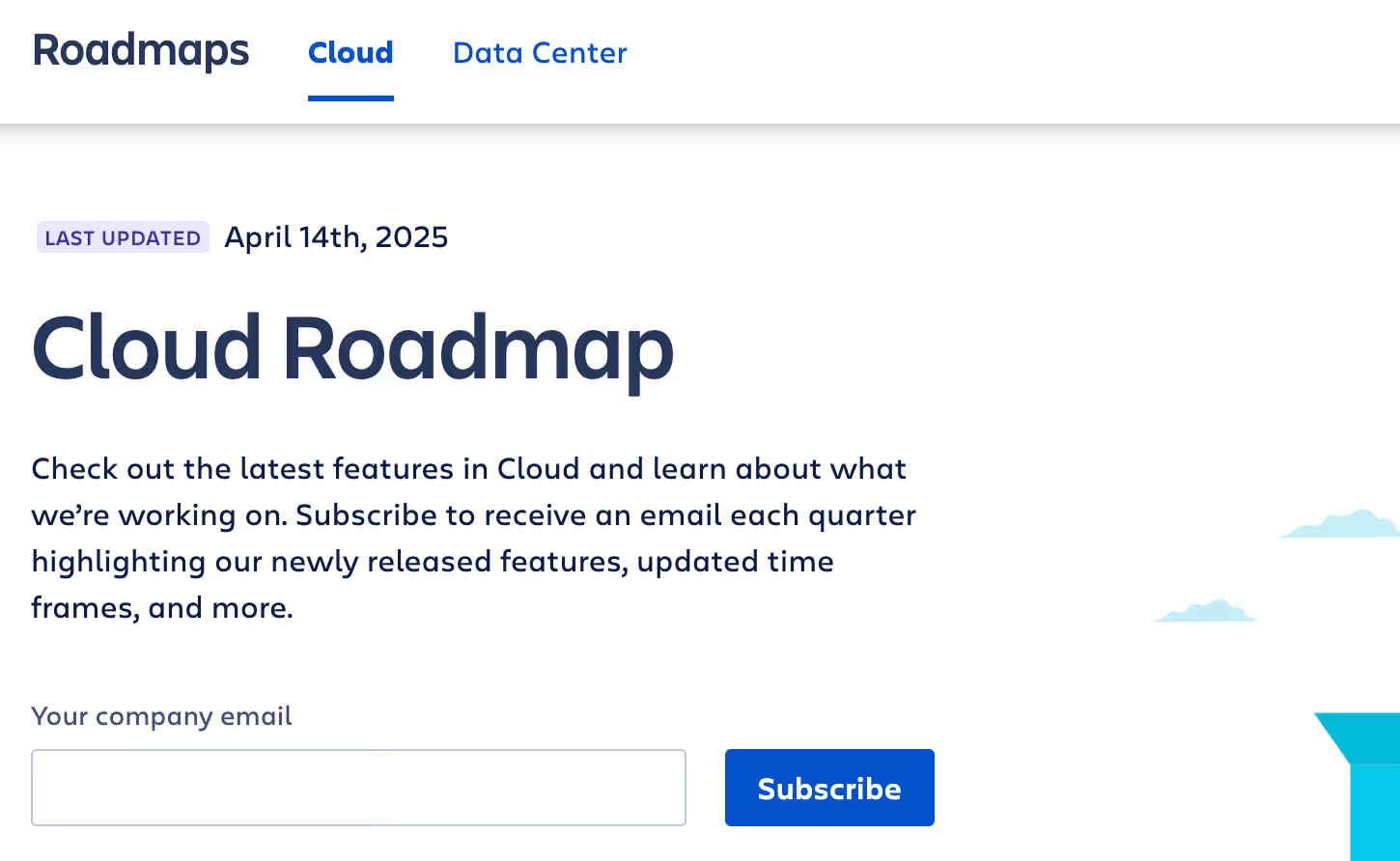
Atlassian, which offers a suite of solutions to help employees manage projects, find information, collaborate with one another, and more, offers a comprehensive product roadmap across their cloud applications and data center solutions.
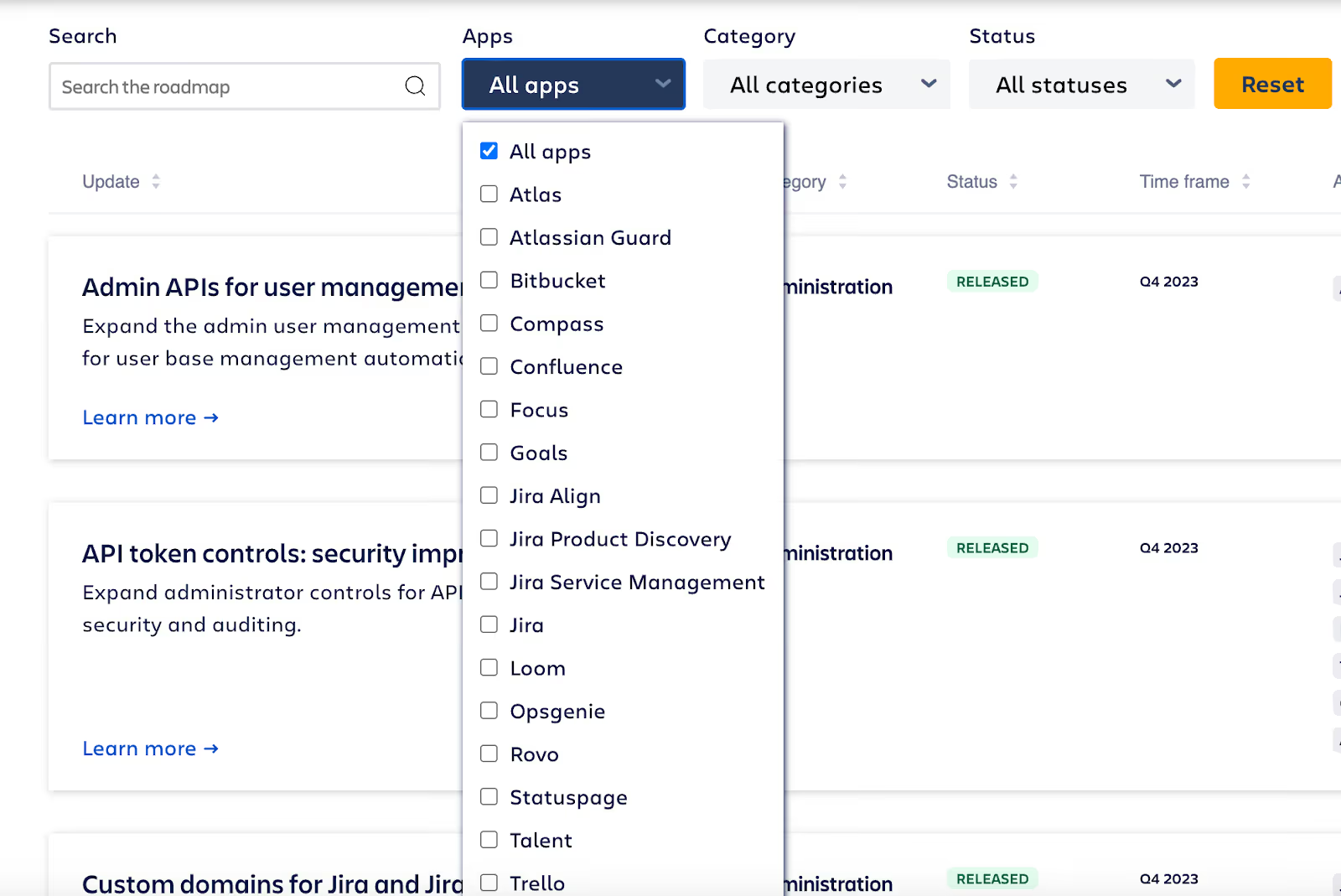
Some areas worth highlighting:
Since Atlassian offers so many applications, their “Apps” dropdown can be essential for customers that only use a specific solution
https://www.merge.dev/blog/ai-product-strategy?blog-related=image
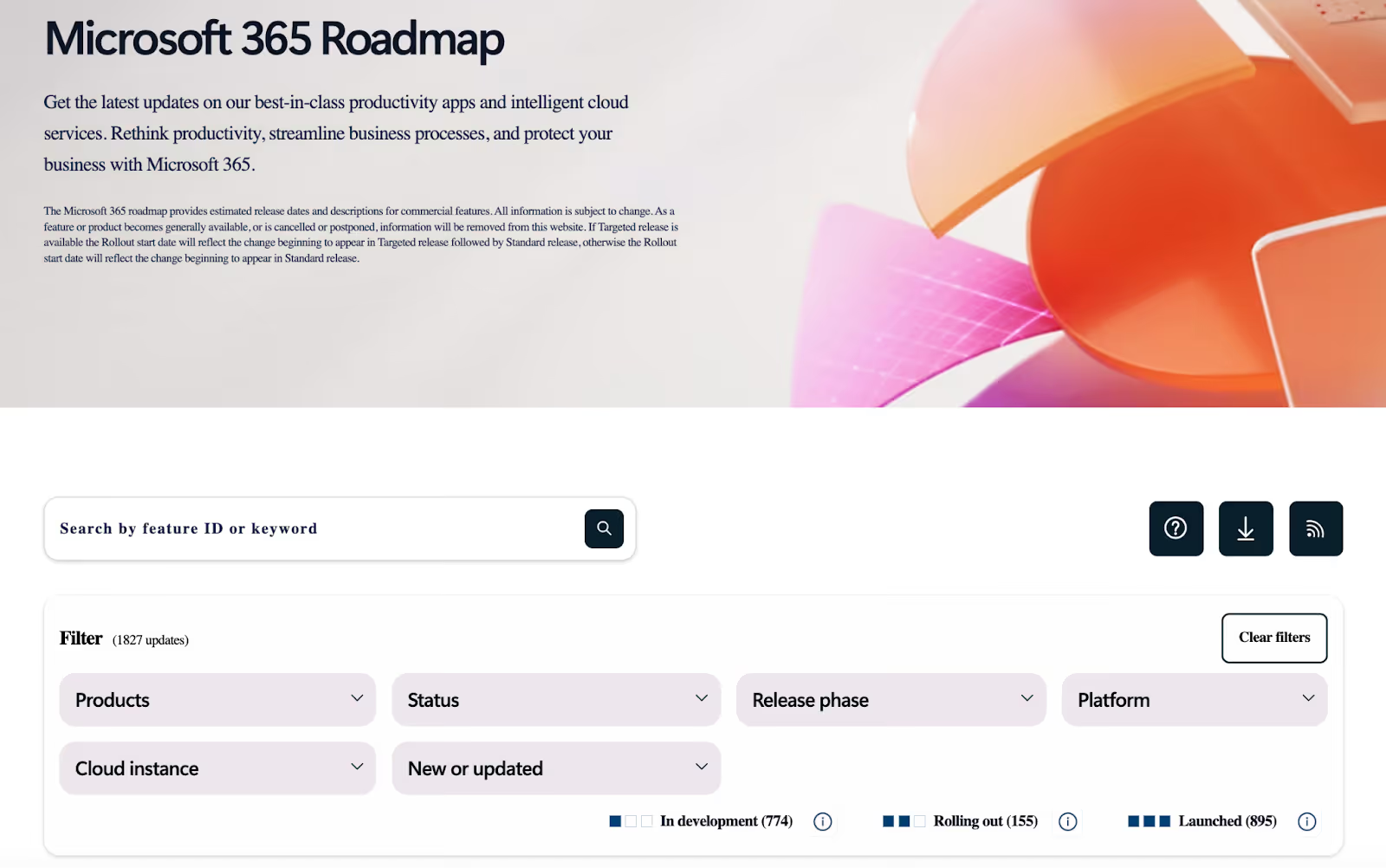
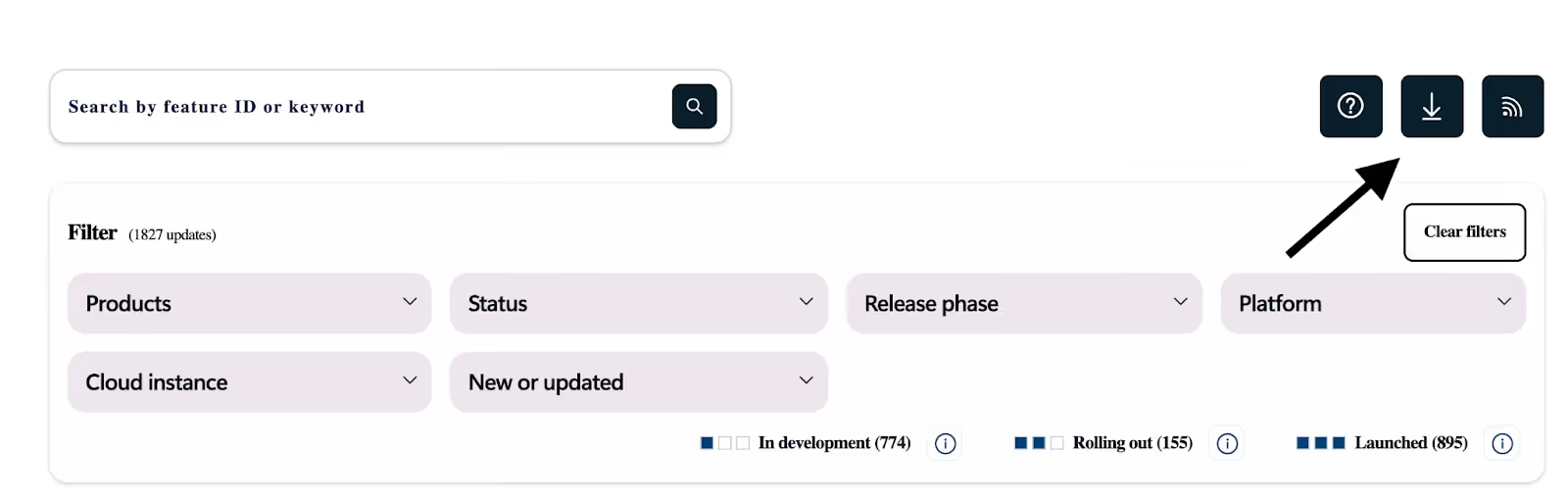
Microsoft 365 includes several widely-used productivity applications (e.g., Microsoft Word) and cloud services (e.g., OneDrive) and security features.
Like Atlassian, their product roadmap offers advanced search capabilities to help customers and prospects find relevant updates, quickly.
Some areas worth highlighting:
https://www.merge.dev/blog/product-experience-strategy?blog-related=image
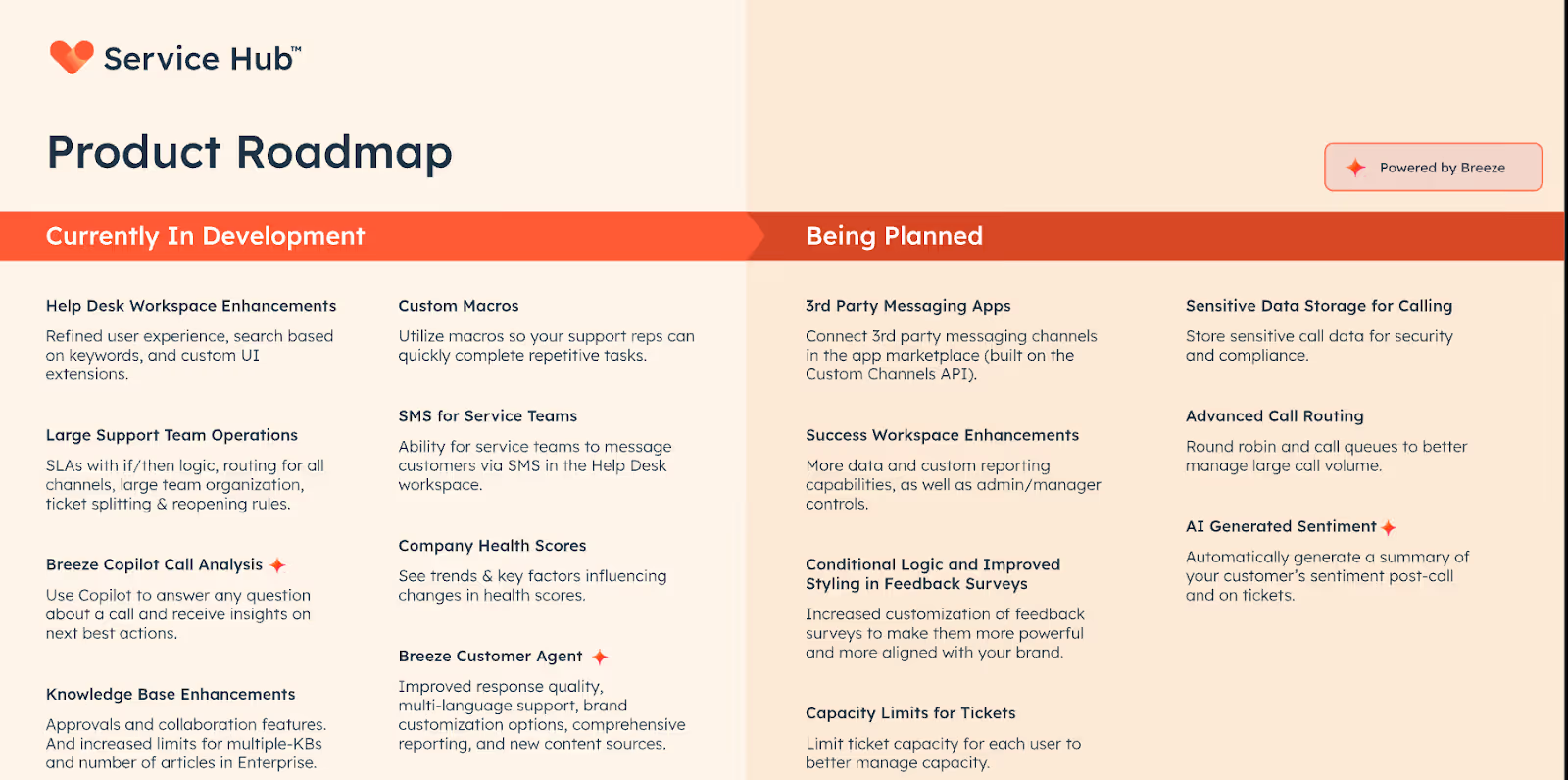
The company, which offers customer service, marketing, and sales software, offers product roadmaps for each product offering via slides. They include a “Currently In Development” section alongside a “Being Planned” section.
Some areas worth highlighting:
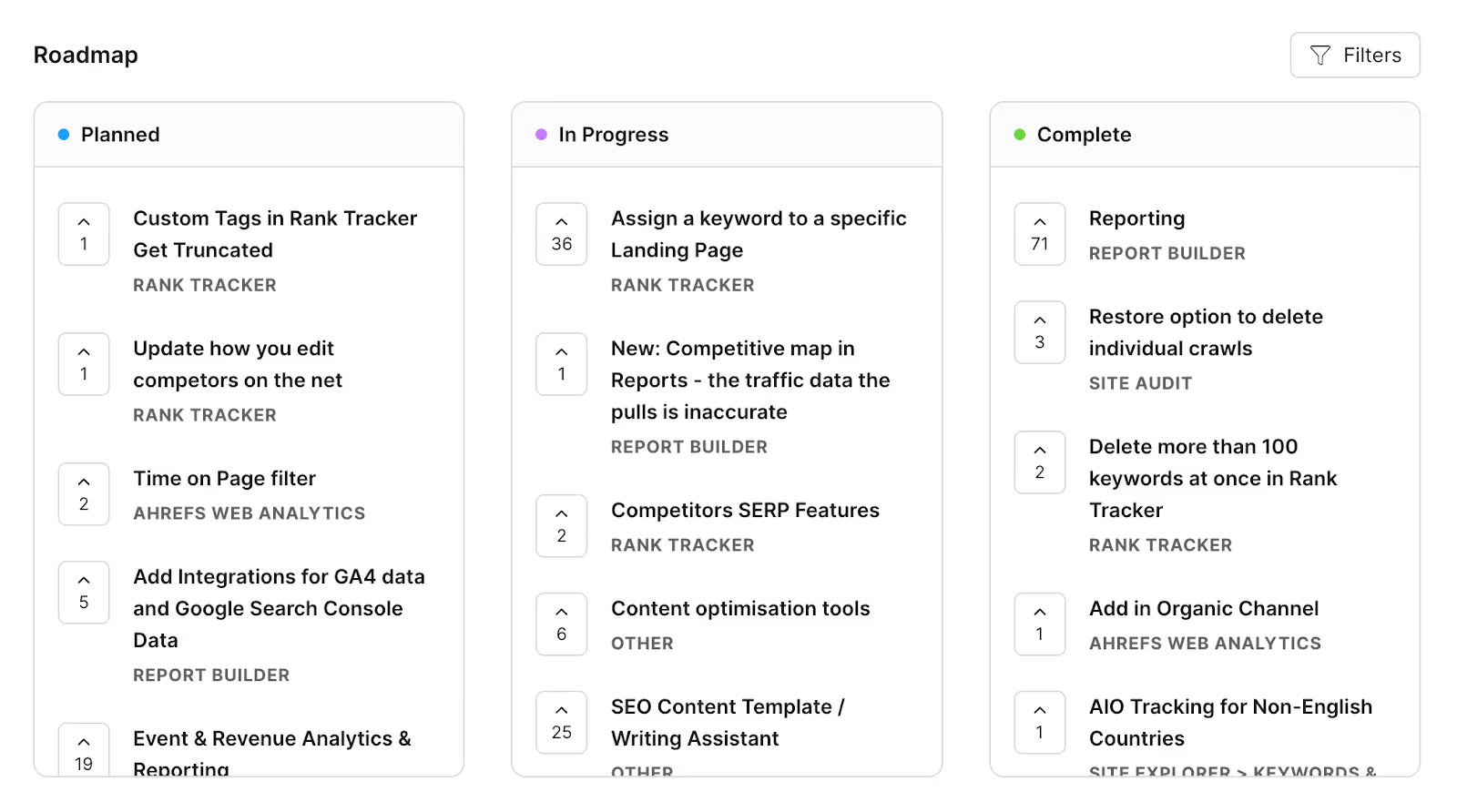
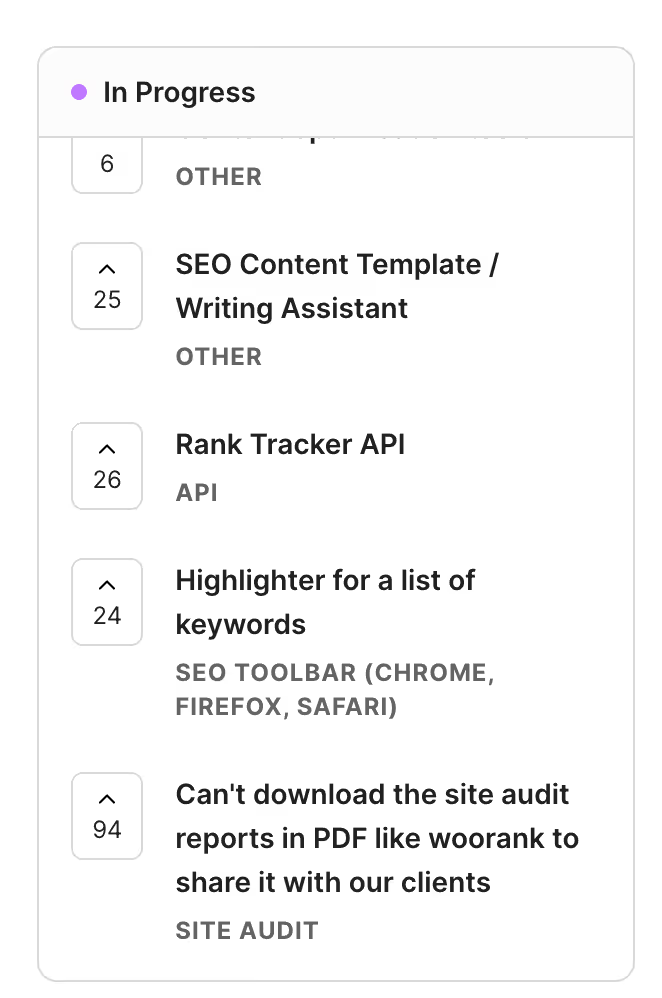
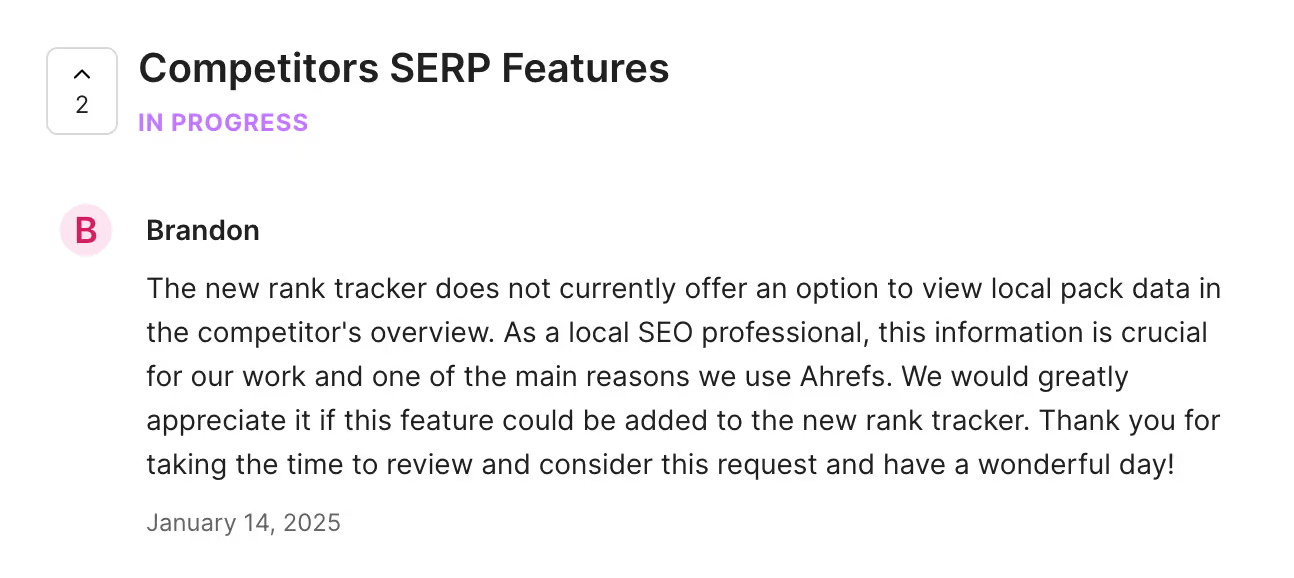
The SEO software’s roadmap uses 3 stages for each initiative: “Planned”, “In Progress”, and “Complete”.
Some areas worth highlighting:
As our examples showed, product roadmaps can use several formats.
Here are some of the most common types of roadmaps you’ll want to evaluate.
This type of roadmap clearly shows when roadmap items are started, worked on, and finished.
GitHub’s product roadmap is just one of many examples. (they present timeframes by quarters).
Time-based roadmaps are popular for good reason: They help cross-functional teams, customers, and prospects quickly understand the timelines for different initiatives, which is one of the main reasons why a product roadmap exists to begin with.
This kind of roadmap may not, however, answer high-level questions, like what specific roadmap items aim to accomplish or how a given item fits within the broader product strategy. So if you’re looking to use a product roadmap as a way to drive internal and/or external discussion and buy-in, this may not be the best approach.
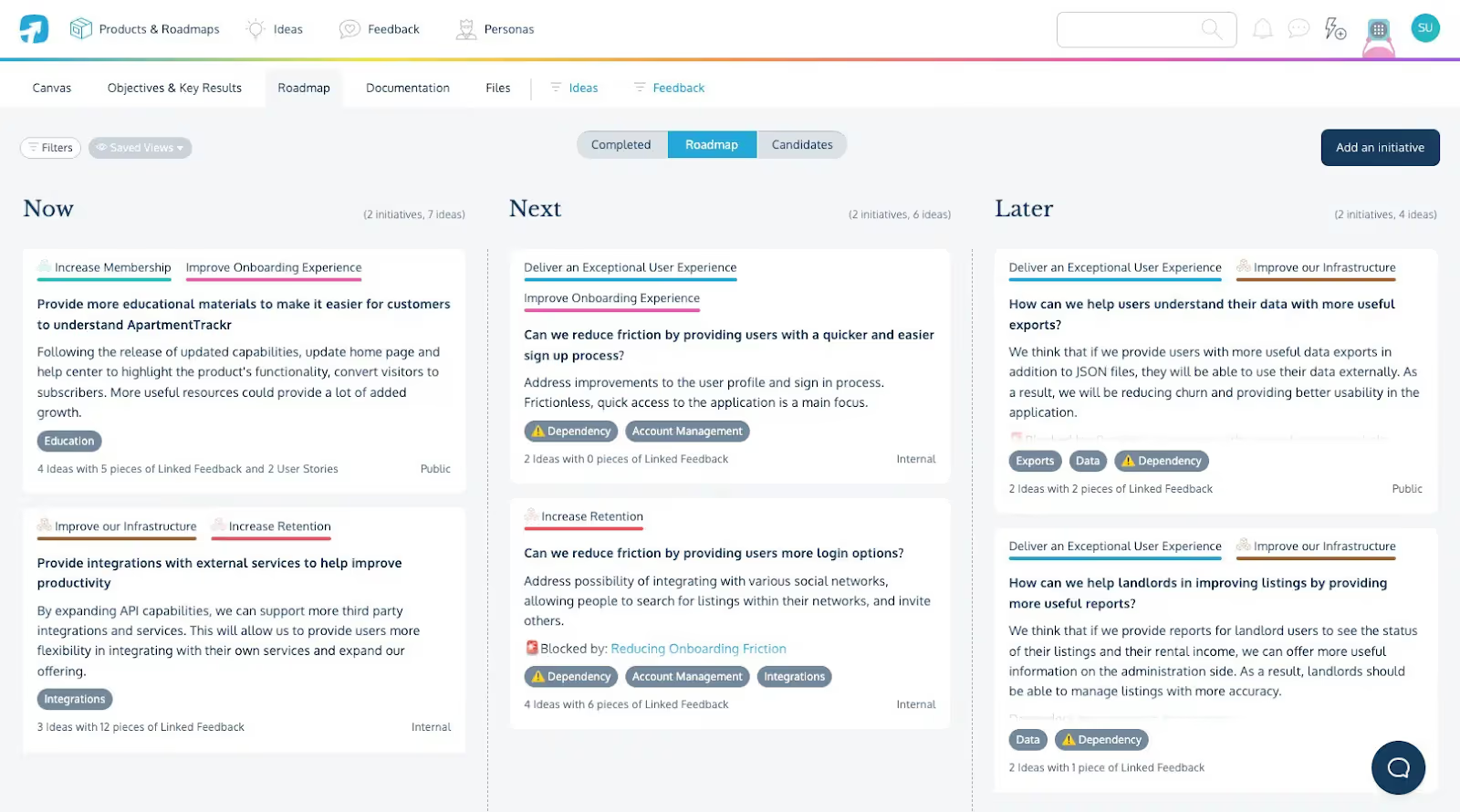
This roadmap format is relatively new and more niche. The way it works is simple: You’d categorize roadmap items into one of three buckets: now, next, or later.
For each item, you can also include relevant tags to help people find them faster, the overarching business goals they support, and whether an item is internal and/or external-facing.
Here’s an example of how it can look according to the CEO and co-founder of ProdPad:
One of the benefits of this approach is its simplicity: Readers can immediately tell what’s being worked on and why.
But it invites open-ended questions, like “When is a project in ‘Next’ going to be worked on?”, and “What does later mean?” So if you’re looking to provide a roadmap that doesn’t require additional context or follow ups, this may not be the approach to take.
https://www.merge.dev/blog/product-management-tools?blog-related=image
This type of roadmap breaks down roadmap items by themes.
Going back to our GitHub example, they adopt a theme-based roadmap by bucketing their roadmap items into the following filterable themes: AI, security, and collaboration.
This approach lets your readers easily analyze roadmap items within a certain theme. It also provides a high-level understanding of the product’s strategic goals.
That said, themes, in and of themselves, aren’t enough. You’ll likely also want to specify when certain roadmap items are being worked on, the specific goals each item supports, etc.
Even if you adopt a proven product roadmap format and follow successful examples, your roadmap might not be effective if you don’t follow the best practices below.
Your engineering team has the insights you need to develop and continually refine your roadmap. This includes:
To stay on top of your engineering team’s experiences and ensure you’re leveraging their expertise consistently, you’ll need to consistently ask for feedback during your recurring sprint syncs, retrospectives, backlog refinement sessions, and other meetings with them.
You can make your partnership with engineering even more consistent and structured by setting up a bot in an app like Slack that asks for status updates on specific roadmap items, along with open-ended questions on how things are going to get their candid feedback.
As the quick and fast rise of large language models (LLMs) showed, innovation can be quick, aggressive, and in many cases, affect your business and/or customers.
To help your team be agile and opportunistic when trends—like LLMs—impact your product, you should set the expectation with all of your stakeholders that the product roadmap isn’t fixed but a living, breathing resource that should adapt to your customers’ and prospects’ needs over time.
Nearly all of our product roadmap examples did a great job of tying initiatives to broader business goals.
That isn’t by accident.
Most employees and customers who review your roadmap won’t be familiar with individual roadmap items but they'll probably understand your broader product goals. As a result, making this connection helps your colleagues and customers better understand why something is being done and why it is or is not a priority.
Many roadmap items require external parties to follow through on a commitment.
For example, if you plan to integrate your product with a certain API provider’s endpoint when they plan to make it available, you’re depending on that API provider to actually make it available when they said they would.
Whenever you depend on an external party to help execute a roadmap initiative, you should make explicit note of it. That way, if the 3rd-party does fail to deliver on time, your customers and colleagues can easily learn why and won’t be quick to blame you.
As mentioned earlier, your product roadmap can and should evolve alongside your business’ and customers’ needs.
To keep your roadmap relevant and effective, you should review it on a cadence that lets you make timely adjustments. For larger companies in relatviely stable markets, this can be once per quarter; while smaller companies in faster-changing markets may want to revisit it as often as every month.
https://www.merge.dev/blog/ai-product-ideas?blog-related=image
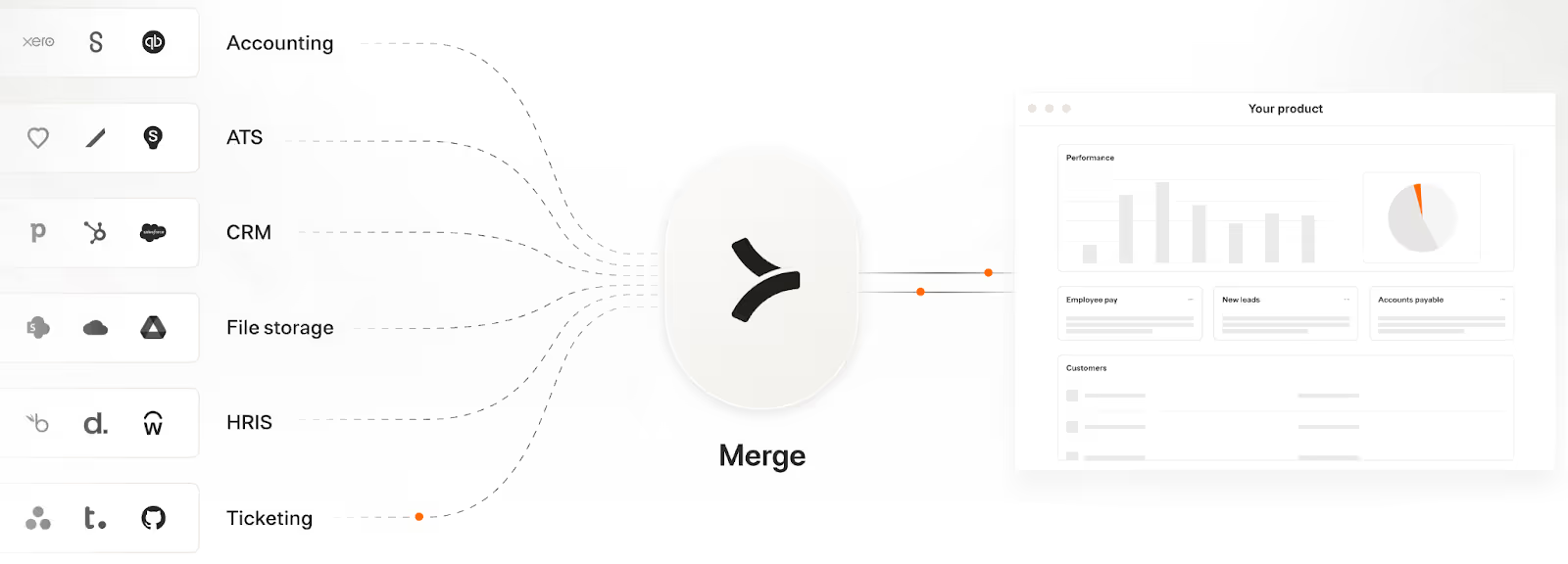
Merge offers a single Unified API that lets you add hundreds of integrations to your product.
Merge also lets you avoid maintaining any of the integrations afterwards and provides integration observability features to help your customer-facing teams manage integrations themselves.
Learn more about Merge and how it can help you accelerate your product roadmap by scheduling a demo with one of our integration experts.
.avif)









.png)