
Buying new PC parts in the current year can be a struggle, especially if you're trying to stay on the bleeding edge. Between dwindling stock and inflated prices, it's no wonder that some enthusiasts continue to beat the pre-owned hardware drum. After all, it is a great way to save a buck when buying a GPU, CPU, or other parts.
Unfortunately, used PC components do come with a bit of risk. Not all pre-owned hardware has been treated the same way, and while it's good to assume others have the best intentions, there are malevolent sellers out there. Before you splash cash on some used hardware, no matter what it is, be sure to look for these five red flags.

6 scenarios when buying used PC components is objectively better
Sometimes, used PC hardware is a boon rather than a compromise
5 Sketchy listings
Bad vibes are a no-go
The first line of defense against getting ripped off when buying used hardware is checking the listing thoroughly. The process is largely the same for all components of all types, on all websites. There are a variety of red flags here: low quality or a lack of images or video, anemic description of the product and how it was used, and especially the seller's account. Accounts made in the last year aren't inherently a red flag, but it's a sign to take extra care checking everything else.
The best thing you can do if you're unsure about the information is a listing is to contact the seller and ask them about the unit. Most people will be reasonable when you ask a few questions, and will oblige if you ask for additional photo or video proof of the component working in action. This is a little tougher with things like CPUs, since you can't verify the information on the heatspreader while the system is running, but most components can be visually checked.
5 scenarios when buying used PC hardware is a bad idea
Used PC components can be great value, but some situations are worth walking away from
4 No proof of purchase, or lack of serial number
Try to verify legitimacy
All computer components have a serial number attached to them, and this number is used to identify the component for things like warranty claims and legitimacy of the parts. A lack of an original receipt isn't a good sign, because in some cases it can prevent the transfer of the manufacturer's warranty. In cases where the warranty is attached to serial numbers, checking the serial number through a manufacturer's website shouldn't be too difficult; most of them have some kind of database you're able to query to find the current status of your component.
If the unit lacks any kind of serial and/or is being sold "as-is", this is a giant red flag, and you should probably avoid this altogether. No serial or proof of purchase can be indicative of a part that's OEM only, or at worst, a stolen component. It's just not worth the headache, quite frankly. You're better off finding another listing with a slightly higher price in this case.

10 ways to repurpose old PC components for DIY projects
Struggling to put old PC components to good use? Here are 10 excellent ways to repurpose them into something great.
3 Cosmetic damage
Not the be-all-end-all, but important
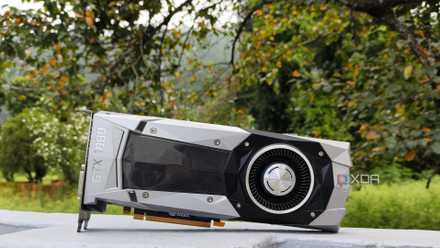
Cosmetic damage, like dents, scrapes, or discoloration, isn't the biggest of red flags, but it's 100% worth investigating further. When it comes to the more delicate components, like GPUs or CPUs, any kind of cosmetic damage can indicate more significant problems under the hood, especially if the seller is selling the component "as-is". When it comes to things like PC cases, this doesn't really matter as much, as long as all mounting points are still functional and the fans work. As far as other components go, a few minor dings and scuffs are okay, but as soon as you recognize any cumulative damage, it's time to look elsewhere.

Counterfeit GPUs are on the rise: Here's how they work and how to tell if you have one
Counterfeit GPUs are becoming more common, and here's how they work and how to tell if you have one.
2 Suspiciously low price
If it's too good to be true, it probably is
I've scored some absolute killer deals over the years while buying used components. Some people are just looking to get rid of their hardware ASAP, and you can certainly take advantage of this by being both proactive and patient in your search. There are some deals, though, that are simply too good to be true, and if something feels off, it probably is.
When you find what seems to be a killer deal, do a quick search for other listings of the same component. If there are no significant defects on the heavily discounted one, it's worth contacting the seller to ask why the price is so low, if it's not already stated in the item description. It's also worth considering what the wider problems with the component may be. For example, buying a used 13th or 14th Gen Intel CPU would be a gamble, since those were heavily affected by stability degradation over time. Doing your research and considering why the price may be low outside of localized defects can save you a lot of pain further down the road.

4 reasons pre-built gaming PCs are more relevant than ever
A pre-built gaming rig might be the better choice for this market
1 Refusal to show proof of the unit functioning
The biggest red flag of them all
When asked to prove if the component(s) in question work properly, if the seller straight up refuses or makes some kind of excuse, it's likely not worth your time or money. Good, reliable proof of functioning hardware would be something like a BIOS screen, benchmark screenshots, or uncut videos of the system booting up. Any refusal to do these things is one of the biggest red flags when buying used hardware.
6 mistakes to avoid when picking parts for your gaming PC
Selecting the right components for your PC build is always a daunting task. Here are some mistakes to avoid when picking parts for your gaming PC.
The used hardware game isn't free from risk
If you're smart about it, you can score some really sweet deals by buying used PC hardware, but it does come with a degree of unavoidable risk. Even if you do your full due diligence, there is always a chance the component will fail, and if you're outside of warranty, or it wasn't transferable, you're just out of luck.