
In 2023, the single-board computer market passed the $3 billion mark and is set to cross $4 billion by the early 2030s. Given that the visibility and use of SBCs is set to keep growing over the next decade, I'm almost sure you’ve heard of them by now, and may still be wondering what they can do for you. Besides just being fun for retro gaming and ad blocking, SBCs are the perfect tool to help you sharpen up your tech skills and learn more about how the 21st century is powered.

This SBC you've never heard of is better than the Raspberry Pi 5 — here are 5 reasons why
Armed with several useful features, the Radxa X4 has the potential to overthrow the Raspberry Pi 5 to become the new king of SBCs
5 Single-board computers can help you learn the Linux command line
If your knowledge of computers doesn’t extend far beyond your desktop computer or your phone, you could be forgiven for underestimating the scope of Linux's importance to the global internet infrastructure. Despite only taking up around 2% of the desktop market, among popular websites, it’s the most popular by far. It’s also the most popular operating system for most consumer-grade SBCs.
You could buy a Raspberry Pi and never need to dirty your hands with Linux, but if you immerse yourself in tech for long enough, you’ll likely find yourself in a situation where there is no GUI and the only way to interact with your device is from the command line interface. Plus, if you get a job in web development, the most direct way to talk to your servers is — you guessed it — the CLI, which is the Command Line Interface used to interact with Linux.
4 Single-board computers can help you learn programming
There are a lot of things you can do with an SBC, and most of the projects out there are ready-made for you to set up on your device thanks to the open and generous spirit of the community. The Raspberry Pi in particular is a good SBC to start with if you’re curious about programming, because it comes pre-installed with Python and a beginner-friendly environment for running Python code.
SBCs also make good homebrew web servers (which are very easy to set up) and will provide the perfect opportunity to develop some JavaScript skills. If you’re intimidated by writing a lot of code, you can use Scratch, a drag-and-drop programming language included with RPiOS, to help you get a handle on the basics of programming. If you really want to push yourself, RPiOS comes preinstalled with a C and C++ compiler.
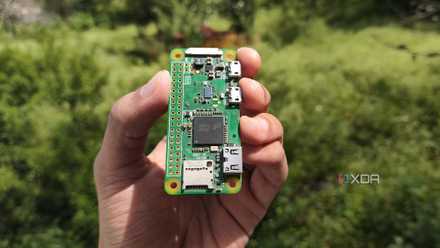
5 cool things you can do with a Raspberry Pi Zero in 2024
Despite being the weakest SBC in the family tree, the original Raspberry Pi Zero still manages to punch above its weight
3 Single-board computers can help you learn electronics
Pretty much all consumer-grade SBCs are going to have something called general purpose input/output (GPIO) pins. GPIO pins are designed to directly interface with all sorts of electronics, from LEDs to Geiger counters. Raspberry Pi likes to call this “physical computing” and it has a free guide on how to get started using Python.
The GPIO pins are a big part of what makes SBCs so versatile when it comes to amateur projects. It’s generally not possible to get your phone or computer to interface with a random bit of electronics, but with a small amount of tinkering, it’s not a problem at all with an SBC.
2 Single-board computers can help you learn to automate
It may come as a surprise to some that the industry sector which buys the most SBCs isn’t the consumer market, it’s industrial automation. Now, you’re not likely to need a fleet of SBCs to power your 21st century assembly line or connect your smart city, but you might want one to alert you to high CO₂ levels or to help water your garden while you’re on vacation.
Using an SBC to automate is the ultimate synthesis of programming and physical computing. In fact, the majority of DIY projects involving SBCs on the web involve automation in some way. If you’ve got a handle on the basics of programming and electronics, you’ll be able to take those projects and reshape them to meet your needs.
1 Single-board computers can make you a better researcher
SBCs sit in an odd space technologically, especially when you compare them to other consumer electronic devices. Unlike smartphones or computers, for instance, SBC makers provide a pretty bare-bones experience. Your new SBC won’t come bundled with Microsoft Office or the Google Play Store. Instead, you’ll have to choose from among half a dozen operating systems you may have never used before, then figure out how to do what you want on it.
Part of the reason SBCs continue to grow in popularity isn’t because of what they can do out of the box, but what they can be made to do with a bit of work. In other words, if you want to turn your SBC into a VPN, or a trail camera, or a web server, you’re going to have to do some research and figure out how to make it work.

How to protect your privacy with an SBC-powered VPN server
A PiVPN server is the best way to protect your privacy without exposing your data to a third-party VPN provider
Get those 21st-century skills
You may never be the type of person that makes their own weather station web server with a Raspberry Pi, but just taking the time to make a few projects can level up your tech skills, and further unlock a whole new research tree for you to explore. Plus, it doesn’t have to be expensive. Sure, the top-tier Raspberry Pi costs around $100, but the $20 version can handle most of the projects you’ll find online, so go out there and get learnt!