
While I still prefer Apple's CarPlay infotainment platform, Android Auto has grown on me a lot over the past few weeks.
It's basically just a slightly messier, more customizable, and open version of CarPlay. With a few tweaks, I can see myself actually preferring Android Auto over Apple's in-car infotainment system once I get a little more used to its user interface. For example, being able to play videos with Android Auto when I'm parked is pretty awesome — though every time I do, I ask myself why I'm not just using my phone instead (my Galaxy S26's screen is obviously way better looking).
With that in mind, I recently changed a few features in Android Auto to better customize the infotainment system and make it feel more personalized. Some of these settings and features are simple and a bit obvious, like setting a custom wallpaper or turning on Dark Mode permanently. However, they're still useful and the sort of settings that many people might not know exist, especially if they're new to Android Auto.
6 useful Android Auto apps that really improve my driving experience
I've never really enjoyed being behind the wheel, but these apps make the experience less painful and help pass the time.
Setting Night Mode to always on has saved my eyes
Day Mode is just too bright for me
One of the first things I did after using Android Auto on its default settings for a few days was turn on Night Mode permanently for mapping apps. You can find this setting by navigating to Settings > Day/Night Mode within Android Auto. You can also select Automatic to have Light or Dark mode appear based on the time of day.
Personally, I'm all about Dark Mode/Night Mode with pretty much every device I own. The only exception is macOS, the operating system I stare at all day — sometimes it's nice to add a dash of brightness and color to my day. But when it comes to an infotainment system's map apps, I want them easily visible at all times and, at the same time, easy on my eyes. With that in mind, I recently switched Android Auto always to use Night Mode, which makes Waze and Google Maps easier to view at a glance.
Give your infotainment system a unique look with a custom wallpaper
Setting a custom wallpaper in Android Auto is easier than I expected
I've always assumed it wasn't possible to set a custom Android Auto background, and if it were, it would likely require a complicated workaround, like it does with CarPlay. Thankfully, that's not the case. All you need to do to add a custom wallpaper to Android Auto is head to Settings > Connected devices > Connection preferences > Android Auto on your Android device. Next, select Use Phone's Wallpaper in Android Auto after scrolling down a bit.If you're having trouble finding the image you want to use as your Android Wallpaper, it should be in the Files app on your Android device after you download it (in my case, I'm using a Pixel 10 Pro). Once you've located the image, open it, tap the three dots in the left corner, select Use as > Photos Wallpaper. As far as I can tell, there doesn't seem to be a way to set a specific background for Android Auto and your Android device. The infotainment system can only pull from your smartphone's background. Enjoy the image above of the pixelated forest background I found on Reddit years ago, which I still use on most of my devices.

Yes, you can use a web browser in Android Auto (when you're parked)
It might be time to use your car as a cinema
Shift media controls to the driver's side
This simple change makes using apps like Spotify easier
Look, I know this is a really simple change, but it's a buried setting I didn't know existed until I stumbled across it. By default, all Android Auto media controls are on the right side of the display, which means you often need to stretch your arm awkwardly across the screen to reach them. Depending on your car's screen orientation, this can be particularly annoying.
To move media controls to the left side of the screen, making them easier for the driver to access, all you need to do is select Settings > Connected Devices > Connection preferences > Android Auto > Change Layout > Media Closer to the Driver. After you've made this change, all media apps and controls, including apps like Spotify and Pocket Casts, will appear on the left side of your in-car Android Auto infotainment screen.
Remove apps you don't use from your launcher
Clean up Android Auto's launch screen to make it easier to find the apps you care about
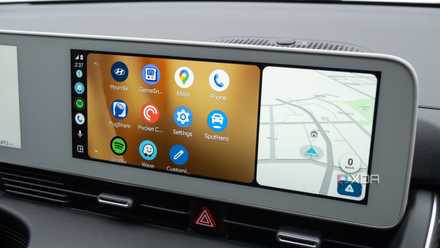
By default, any app installed on your phone that's compatible with Android Auto appears on the infotainment system's launcher. Do I really need to use Zoom, Kobo Books, or Telegram while I'm behind the wheel? Probably not. The extra apps clutter the screen and make it harder to find the key apps you actually use, like Messages, Maps, or Waze.
To get rid of apps you don't want to show up on Android Auto, navigate to the Settings app on your Android device > Connected Devices > Connection Preferences > Android Auto > Customize Launcher. From this screen, you can scroll through your list of apps on the Android Auto launcher home screen and remove any you don't want by unchecking them.
3 important ways CarPlay is better than Android Auto
Google's in-car infotainment system offers customization and apps, but CarPlay is cohesive and reliable.