
When OLED gaming monitors first came on the scene, they were super expensive, far too dim, and riddled with stories of burnt-in taskbars and desktop icons. I spent years avoiding them, unwilling to drop over $1,000 on a gaming monitor just for the promise of infinite contrast.
As prices finally began to come down, panels got better, and burn-in mitigation got smarter, the idea of an OLED gaming monitor became more appealing. After taking the plunge and making the switch, I'm more excited than ever about OLED gaming monitors, and I'm not going back to LCD anytime soon.

Researchers discover a "game changer" for OLED monitors
Next-gen OLED monitors might see a big boost in immersion.
OLED is truly stunning
Image quality is more than just infinite contrast
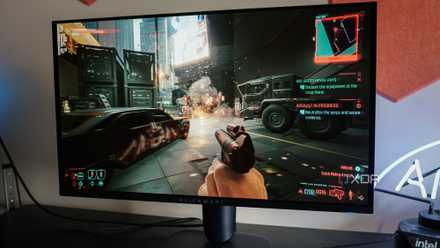
There’s no escaping the fact that the image quality on today’s OLED gaming monitors is top-notch. We all know that OLED delivers infinite contrast with deep blacks, but it’s easy to overlook some of the other advantages these panels bring to the table. Color accuracy comes to mind here. When I tested MSI’s MPG 272URX, its QD-OLED panel measured at almost 99% gamut coverage for DCI-P3. These levels of rich color are such a joy to play when playing games with rich landscapes and colorful worlds, as well as when watching TV or movies in HDR.
I find that it’s just such a clean image since numerous small advantages add up to make OLED what it is. No IPS glow, blooming, or muddy blacks translates to a crystal-clear and crisp image.
4 things no one tells you about owning an OLED monitor
OLED monitors come with their own set of quirks.
Not just for gaming
Productivity is better and easier on my OLED monitor
Early generations of OLEDs caught a lot of flak for suffering from text fringing. This was caused by their original triangular subpixel layout, composed of two large green and red elements arranged side by side, while a small blue subpixel sat on the row above. Today’s third-generation OLED panels use true RGB stripes, with the pixels arranged in an almost perfect vertical stack, to reduce fringing. Some also use white subpixels behind the standard red, blue, and green ones to boost color and brightness.
The improvement in text fringing on OLED monitors in the current generation makes them much friendlier to productivity and work tasks. I sit in front of my PC for hours each day writing and working, and these new technologies have been a game-changer.
Researchers discover a "game changer" for OLED monitors
Next-gen OLED monitors might see a big boost in immersion.
Burn-in mitigation has come a long way
I don't lose sleep over OLED burn-in with today's mitigation tech
Burn-in anxiety is still the elephant in the OLED room, but it's easier to avoid now than ever before. Modern panels run a bevy of invisible safeguards, from pixel shift that nudges the image a few pixels every few minutes to shorter refresh cycles that kick in when monitors are left on and the screen idles. Thanks to these advancements, it's more common for OLED monitor manufacturers to offer longer warranties, and coverage for three to five years is increasingly becoming the norm. My replacement cycle for monitors is about five years anyway, so today’s extended coverage lets me rest easy.
I'm glad I waited, but I'm also glad I finally took the plunge
I think my initial skepticism toward OLED was well-founded, especially considering the downsides in longevity, brightness and affordability in those early years. Today, I think it's a totally rational upgrade. A good OLED monitor brings out the best in HDR images and gaming, delivers the best clarity achievable with high frame rates thanks to ultra-low response times, and is now more affordable than ever.