
Five years after Jin Sakai's battle between honor and doing what's necessary in Ghost of Tsushima, we finally got Sucker Punch's sequel, Ghost of Yotei earlier this month. Completely different from the first game in terms of story, Ghost of Yotei is set in Japan's Edo Period, and follows Atsu on a quest for vengeance.
However, the game comes just seven months after Assassin's Creed Shadows. Shadows, after years of fan demand, finally took us to feudal Japan, and it's unfortunate for both games that it's impossible not to compare the two titles. Open-world Japan, melee combat, exploration, and a female protagonist — there's a lot that Ghost of Yotei and Assassin's Creed Shadows share, but beneath their shared armor lies a word of difference.
Two characters, same tragic beginning
Atsu and Naoe's backstories are tragic...ally similar
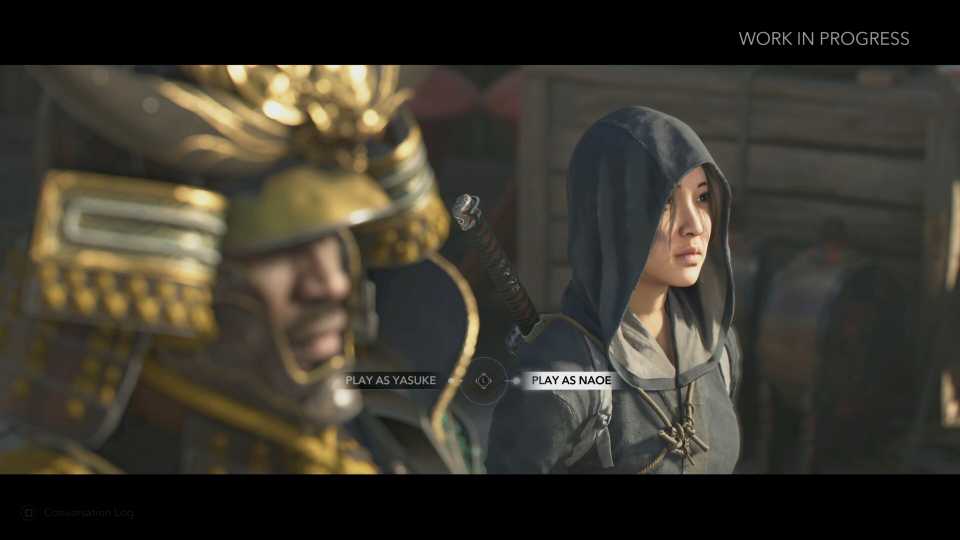
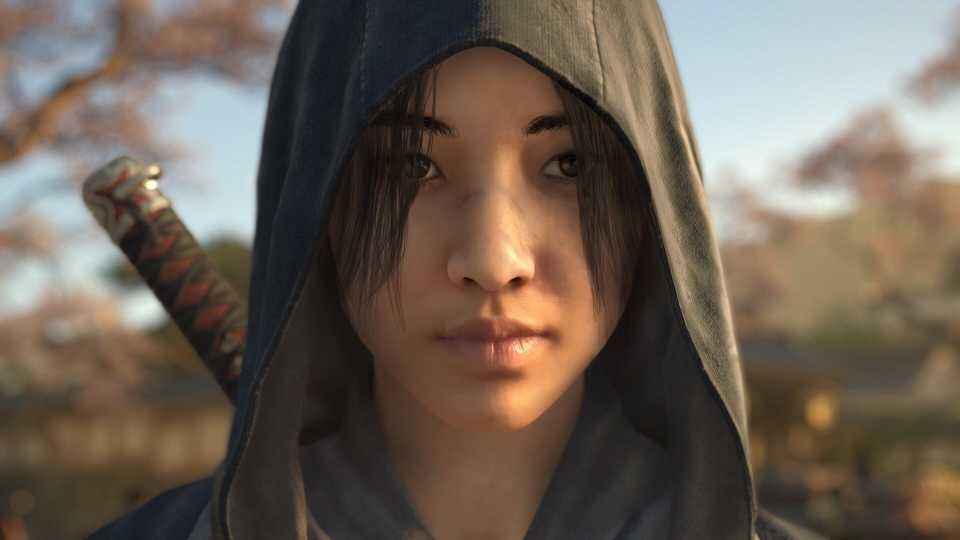
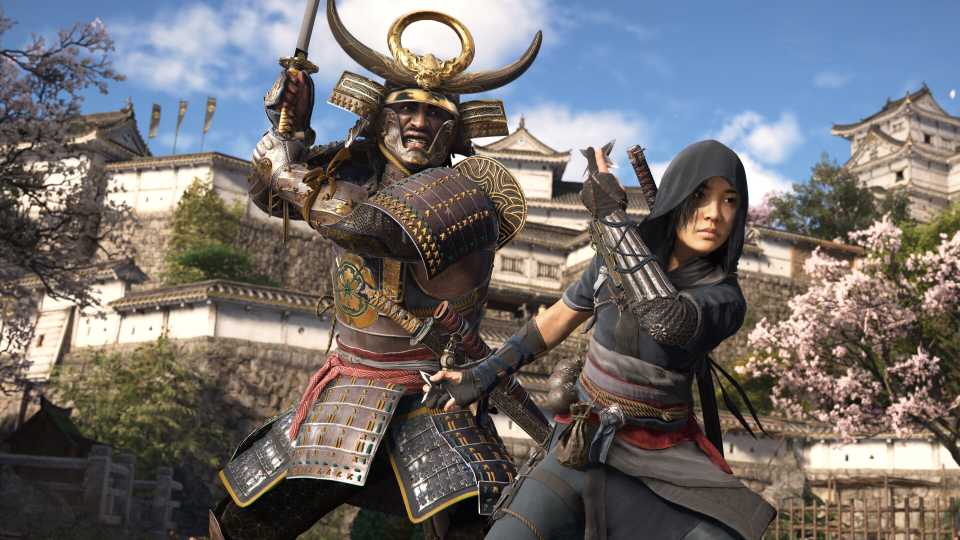
Let's start with the most obvious parallel: the protagonists. Assassin's Creed Shadows introduced Naoe, a young shinobi who witnesses her entire world burn at the hands of invading forces. Ghost of Yotei, too, opens with Atsu, a young girl whose family is slaughtered by masked invaders. The tragic backstory of both these protagonists is unfortunately similar. Both characters' families are slaughtered by a masked syndicate, and they come of age amidst ruin, grow into skilled warriors, spending their adulthood hunting down the masked figures responsible for their pain.
But while Shadows treats its story like a sprawling historical tapestry — weaving in political intrigue, alliances, and grand set pieces, Yotei tells its revenge story like a quiet elegy. It's a slow burn that unfolds not through exposition but through emotion: the way Atsu moves, breathes, hesitates before a strike. You're not guided by lore or legend, but by grief. Still, the threads that tie the story together are genuinely reminiscent of each other, and this isn't an 'Ananta copies Spider-Man' sort of thing, either — both games had been in development at around the same time, which means that this similarity in the crux of the plot? Nothing but sheer bad luck.
-
👁 Placeholder Image
OpenCritic Reviews - Top Critic Avg: 81/100 Critics Rec: 82%

- Released
- March 20, 2025
- ESRB
- Mature 17+ // Blood and Gore, Intense Violence, Language
- Developer(s)
- Ubisoft Quebec
- Publisher(s)
- Ubisoft




WHERE TO PLAY


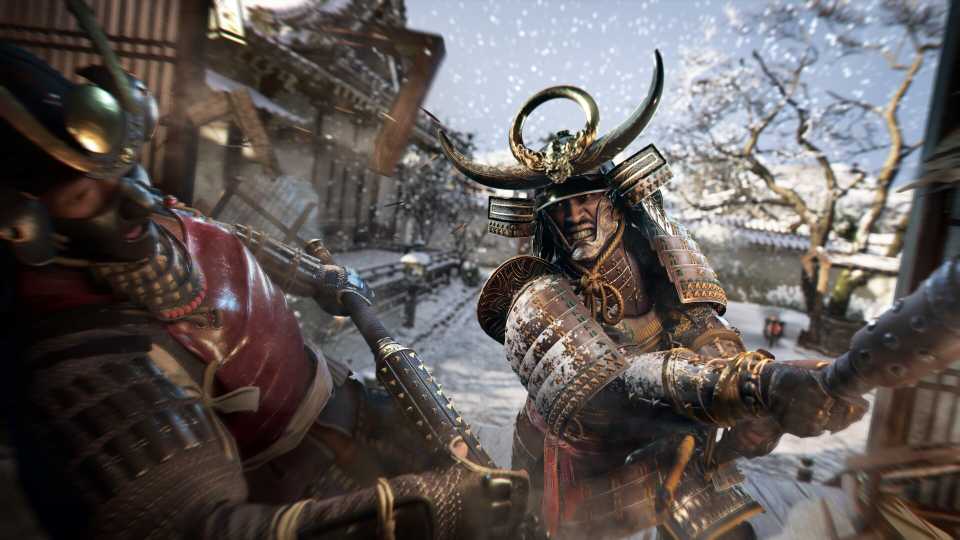
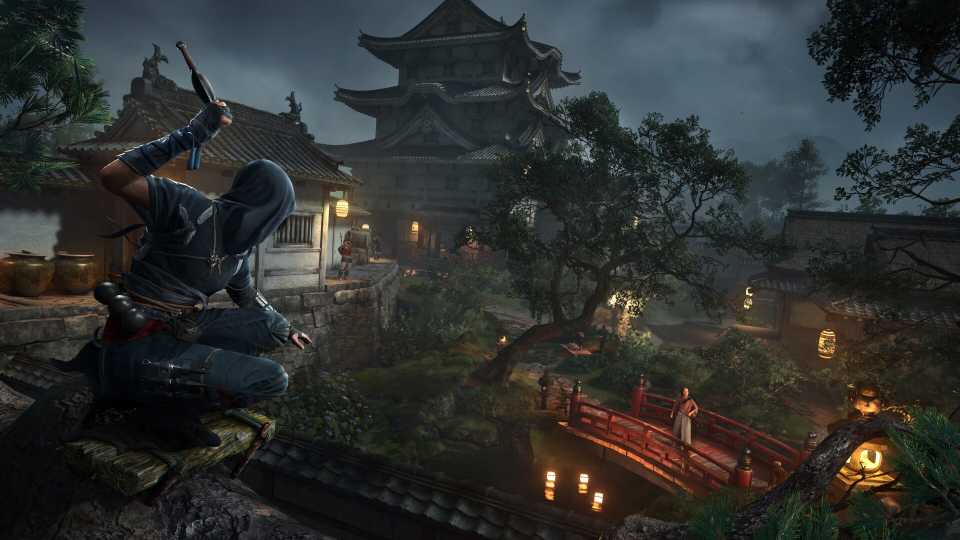
Experience an epic historical action-adventure story set in feudal Japan! Become a lethal shinobi Assassin and a powerful legendary samurai as you explore a beautiful open world in a time of chaos. Switch seamlessly between two unlikely allies as you discover their common destiny. Master complementary playstyles, create your shinobi league, customize your hideout, and usher in a new era for Japan.
- Engine
- AnvilNext
- Genre(s)
- Action, Stealth, RPG
The revenge structure, too, is painfully similar in concept
Hunting down a group of masked individuals who killed family
The structural similarities continue in the way both Naoe and Atsu go about their revenge quest. Both games hinge on hunting down the masked high-value targets one-by-one, uncovering clues and tracking their patterns to deliver justice and vengeance in the same slash. On paper, it's the same loop that's driven Assassin's Creed since the days of Ezio, and in both Yotei and Shadows, the open-world format does little to differentiate it from this tried-and-tested, by-the-numbers revenge quest.
Still, Atsu's revenge quest does have an entirely different feel to it. Where in Shadows, the pursuit of each target often felt procedural and impersonal despite being epic and entertaining, Atsu's vengeance genuinely feels intimate for the player. The game builds its entire rhythm around emotional closure, with grief being the central theme here — no cults, no hidden ones, and certainly no Creed.
Ghost of Yotei's clue card system for objective tracking is decidedly more innovative than AC Shadows' approach.
By the time you bring down a masked killer in Ghost of Yotei, it feels like more than a mission completed. Instead, it's like a wound being reopened before being stitched shut. Where Shadows frames vengeance as gameplay, Yotei manages to present it as catharsis, and that quality of narrative storytelling can only be attributed to Sony's first-party PlayStation studios always putting story first in their console exclusives.
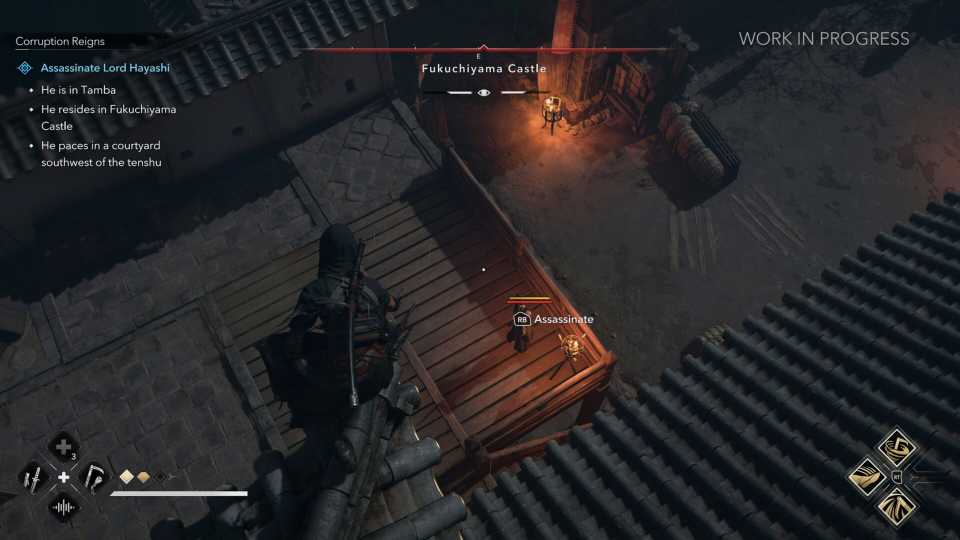
Mission design is again where Yotei makes a significant departure from Shadows. AC Shadows gives Naoe a mission board where she hunts down important targets to weaken her ultimate foe, but certain targets are locked behind a certain skill and power level you must first reach. By contrast, Atsu in Ghost of Yotei uses a clue card system to track her objectives and targets, and it is decidedly more innovative than Shadows' approach. It leads to more organic storytelling and gameplay, lending even more immersion and credence to Sucker Punch's version of Japan and their story of familial vengeance.
Two open-world Japan maps, with two distinct philosophies
Shadows' Japan is impressive by scale and fidelity, and Yotei's stuns with art design
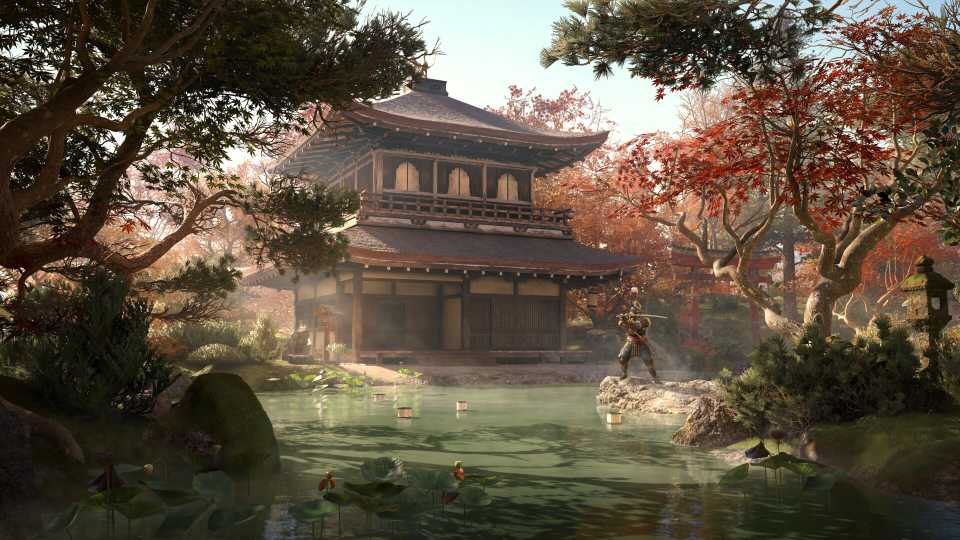
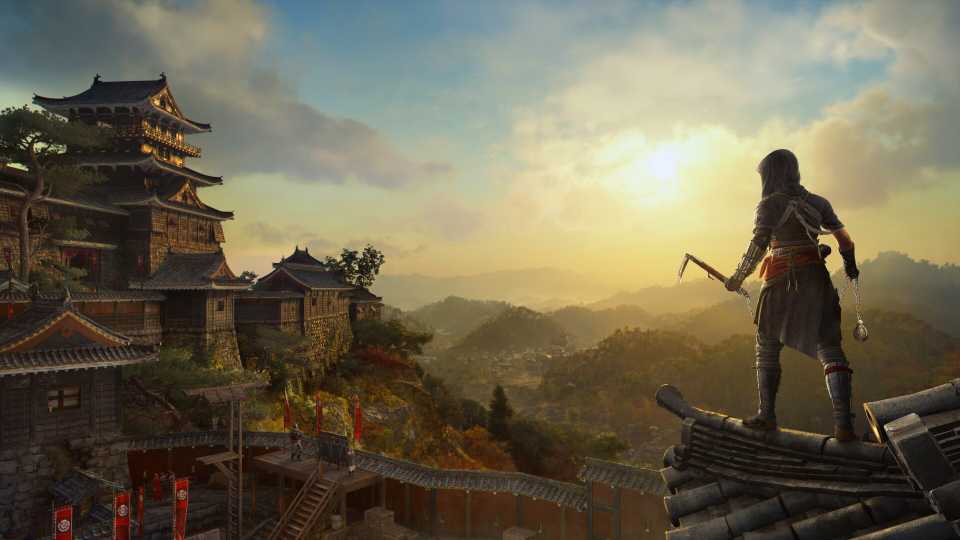
Then comes the setting, and both Shadows and Yotei take us through sweeping, gorgeous open-world renditions of Japan, but their philosophies? They couldn't be more different. Assassin's Creed Shadows offers a massive, technically breathtaking sandbox that I gawked at in marvel. Kyoto's bustling districts and the lush valleys of Naoe's village of Iga took me through some of the biggest, most detailed, and meticulously rendered — a perfect postcard of historical fidelity that the AC franchise is known for.
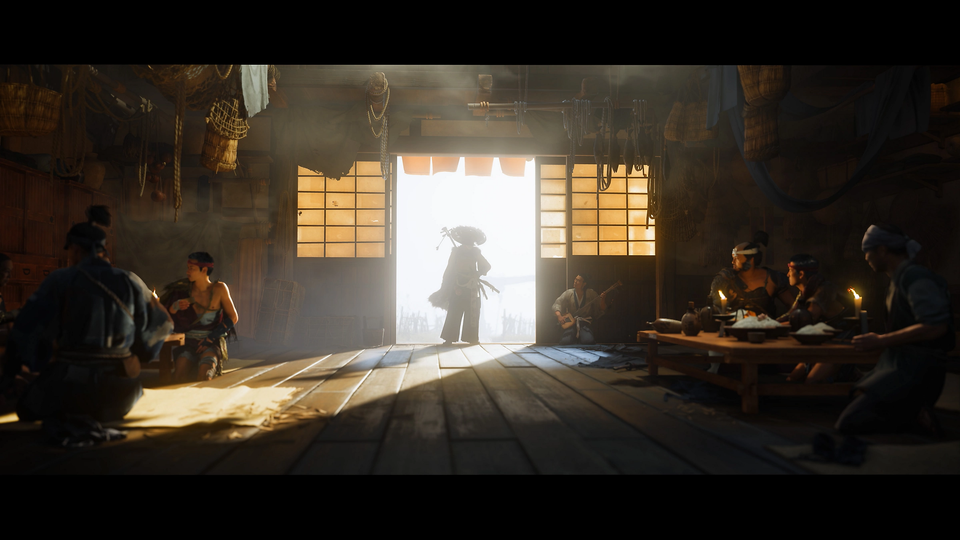
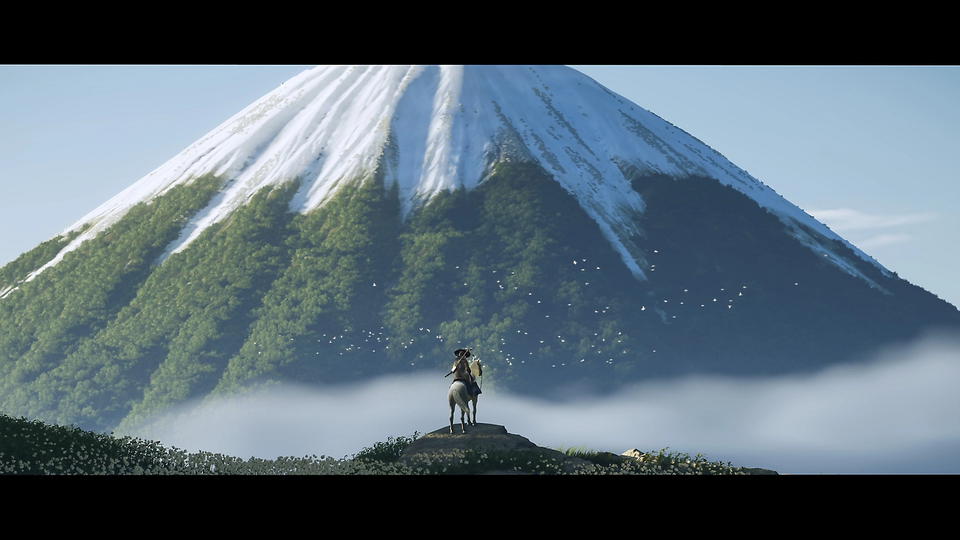
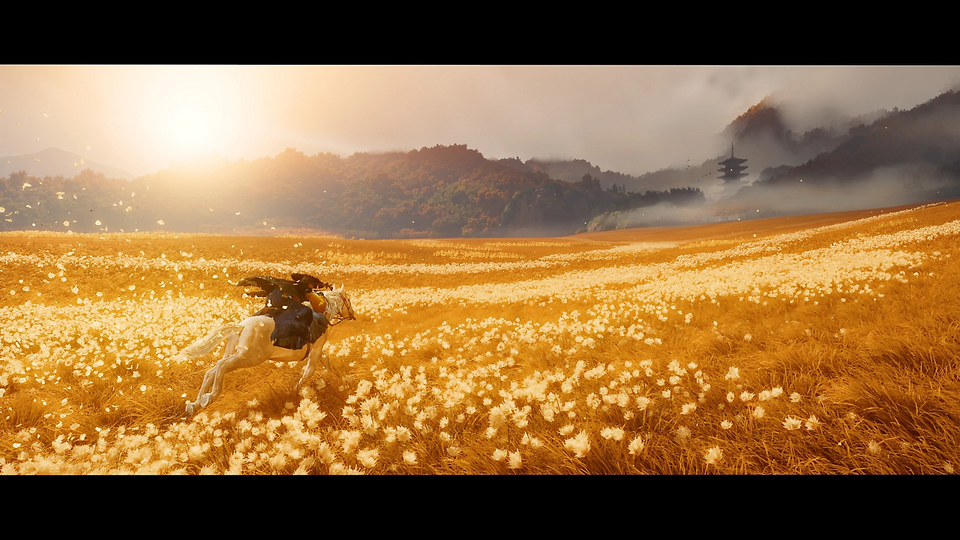
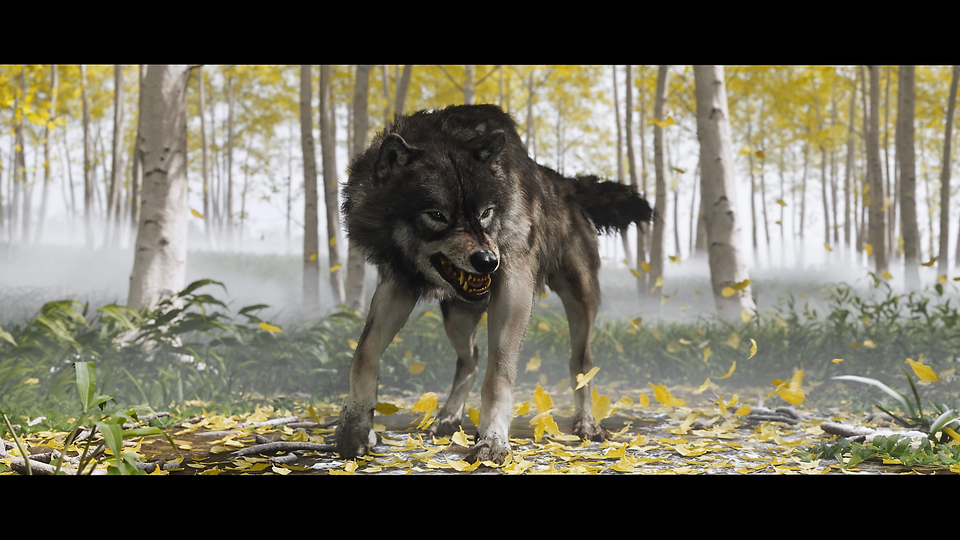
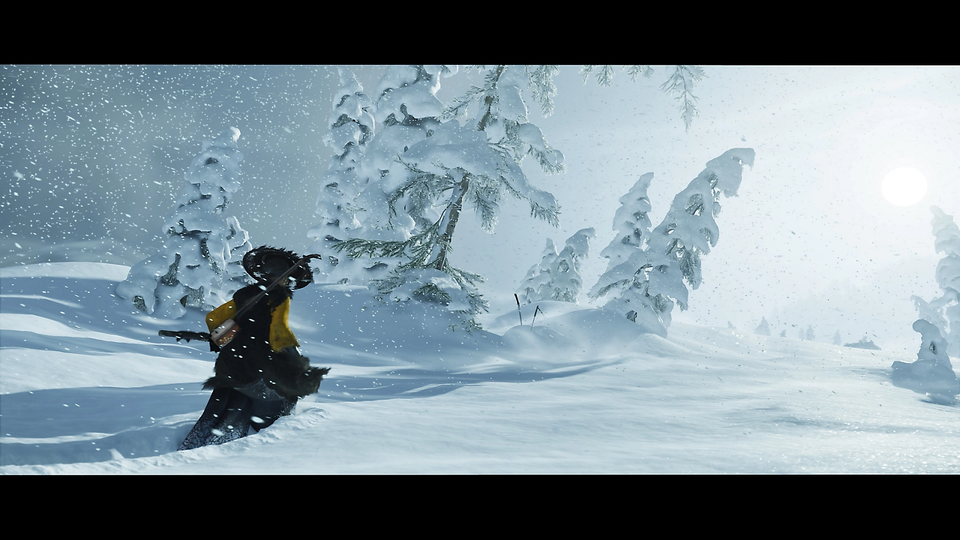
By contrast, there's Ghost of Yotei. Much like Tsushima before it, it feels intimate. The map is considerably smaller in both these games when compared to something like AC Shadows, but the world is denser and brimming with handcrafted personality. Just a quick look at both worlds will show you exactly what I'm talking about — Shadows' Japan is impressive by virtue of its scale and next-gen fidelity, but Sucker Punch's version is gorgeous not by fidelity, but by handcrafted personality. The blades of grass, the wind gently caressing the trees and the bushes, the sky and the surrounding air itself taking a personality of its own. Its painterly art style turns every landscape into a living watercolor, and every screenshot will be a wallpaper-worthy selection. Decades from now, Ghost of Yotei will still look beautiful, because it's not tied to graphical technology at all. Instead, it's tied to art.
The world of Ghost of Yotei is a hyperrealistic, aesthetic vision that intends to be timeless through its art. Its lighting glows softly across rice fields, fog seeps between bamboo groves, and its color palette is oversaturated only because it isn't afraid of beautifying everything you see.
AC Shadows is Japan as seen through a drone. It's majestic and grand, but also a little sterile. Ghost of Yotei's Japan, on the other hand, is what you'd remember through a dream. Imperfect, fleeting, but beautiful beyond words. It's more meaningful and personal in every step you take.
The feel of combat is starkly different (and superior) in Ghost of Yotei
The most polished melee combat offering in all of Sony's first-party lineup
This is where Ghost of Yotei begins to swing harder — quite literally. Both games feature polished and cinematic swordplay, but Yotei's combat is leagues apart from anything Assassin's Creed has done in years.
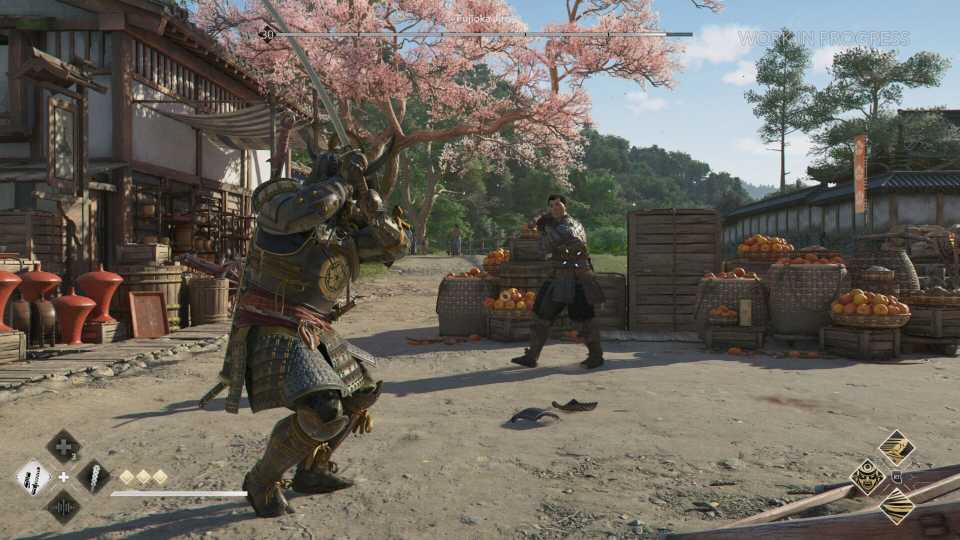
AC Shadows continued Ubisoft's RPG-lite combat formula, with a hybrid combat system that's accessible, carries decent weight, and is efficient with its parry-dodge-counter-repeat philosophy. There's a tonne of health-wittling involved in AC Shadows, and that has never been the Sucker Punch approach for this franchise.
Assassin's Creed Shadows' turned combat into choreography, but Yotei's combat feels like poetry.
Yotei's swordplay is tactile, intimate, and startlingly responsive. You can feel every strike through the visuals, the sound design, and most importantly, through the DualSense controller's adaptive and haptic feedback. There's resistance in the triggers when your blade clashes against steel, subtle haptic hums when you sheath your sword, and a trembling vibration that mimics the flutter of wind right before you land a decisive blow.
Each duel in Yotei becomes a conversation of blades, with every clash becoming an emotional echo of Atsu's fierce thirst for revenge and justice. I appreciated the heck out of Assassin's Creed Shadows' combat system for how cinematic it felt, but where it looked like choreography, Yotei's combat is nothing short of poetry, and that makes all the difference.
Storytelling and acting are where Yotei leaves Shadows behind
This is where Sony's first-party polish shines brightest
Now, we arrive at the heart of it all. This is where Ghost of Yotei truly shines bright enough to completely eradicate the shadows (pun intended).
Ubisoft's storytelling can certainly be called cinematic, but definitely not polished. In Shadows, I likened the acting and writing performances to a Dhar Mann skit with MasterCard-commercial blocking, and it still stands true. The voice acting on the English side is painfully soulless, and the NPCs were clearly there for a paycheck. Yotei's approach to storytelling, however, feels deeply human. Its voice acting performances are quiet, intimate, and deliberate. Atsu never needs to narrate her pain because, as the player, you feel it in odes throughout the gameplay.
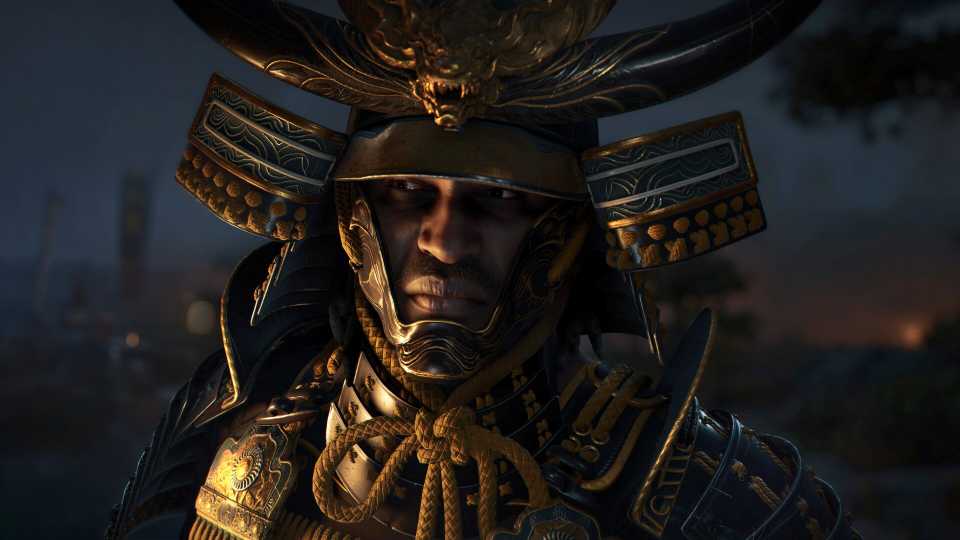
Ultimately, both games tell stories about masks, both literal and emotional. Shadows explores duality through its dual protagonists and shifting perspectives, while Ghost of Yotei explores identity through grief, legacy, and purpose. The mask Atsu wears is a symbol of her survival. The two games couldn't be more different in their themes. Shadows is about the scope of revenge, but Yotei talks about the cost of it.
-
👁 Placeholder Image
OpenCritic Reviews - Top Critic Avg: 87/100 Critics Rec: 94%
- Released
- October 2, 2025
- ESRB
- Mature 17+ / Blood and Gore, Drug Reference, Intense Violence, Language, Partial Nudity, Use of Alcohol
- Developer(s)
- Sucker Punch
- Publisher(s)
- Sony Interactive Entertainment



WHERE TO PLAY
The sequel to Ghost of Tsushima, Sucker Punch's Ghost of Yōtei is a PS5 exclusive scheduled to drop at some point in 2025. Taking place in 1603, the story will feature a new protagonist and a new Japanese region that is far removed from Tsushima's setting.
- Platform(s)
- PlayStation 5
- Genre(s)
- Action, Adventure, Open-World
Despite similar DNA, Yotei and Shadows part ways where it matters
A poem written in blood and wind, Yotei is a far more powerful experience than AC Shadows.
Both AC Shadows and Ghost of Yotei share bloodlines. They are both revenge stories set in turbulent Japan, framed around masked killers and moral reckoning. Ubisoft's game wields spectacle, and Yotei wields sincerity.
Ghost of Yotei isn't trying to be the biggest samurai game ever made. It's not chasing technological benchmarks or cinematic grandeur. It's simply trying to make you feel something real. A poem written in blood and wind, Ghost of Yotei ends up being a far more powerful experience than Naoe or Yasuke's journey in AC Shadows.