
I've been a PlayStation fanboy since the PS3 era, and I'm not even ashamed of it. Sure, I had an Xbox 360 — I'd begged my folks for it to play Halo 3. But once I beat the campaign, that console collected dust while I spent every waking minute out of school playing on my friend's PS3.
Half my childhood was spent raiding tombs, slaying gods, and exploring uncharted territory, and for me, it's been PlayStation ever since, on the console side of things. And why wouldn't it be? Sony's PlayStation has been a pioneer in gaming, graphics, and shaping how games are made and played since the first console in 1994. With each new generation and each new PlayStation, we've seen and played some of the most impactful and significant games, and here are the ones that stood out even among their exemplary generational libraries.

10 biggest console-exclusive games that make me wish I wasn’t a PC gamer
There’s nothing more tantalizing than a game you can’t play.
PlayStation 1 — Castlevania: Symphony of the Night (1997)
The best of the series came last century
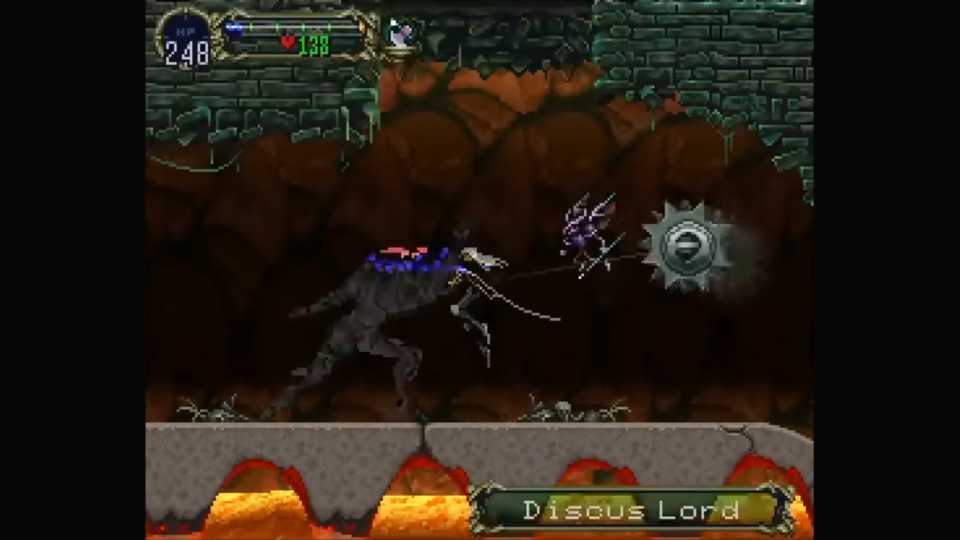
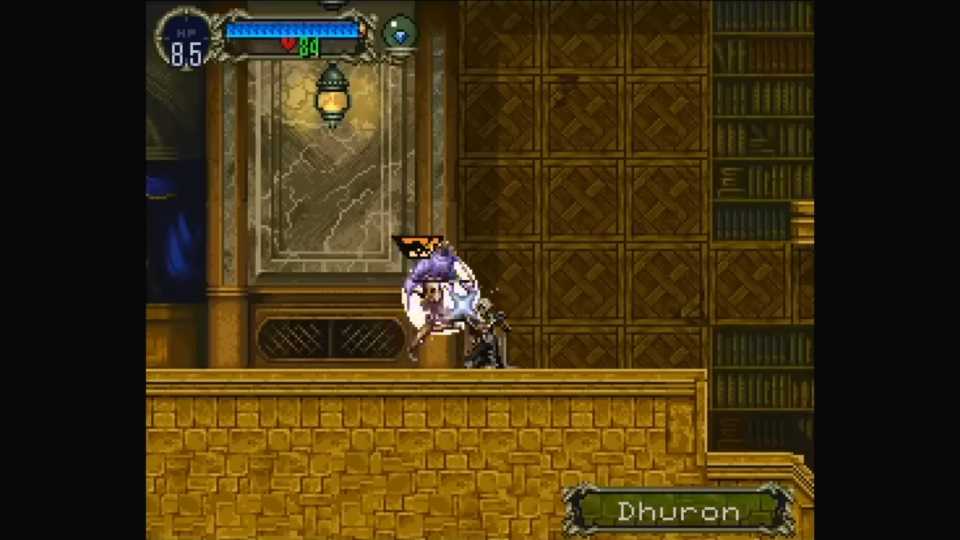
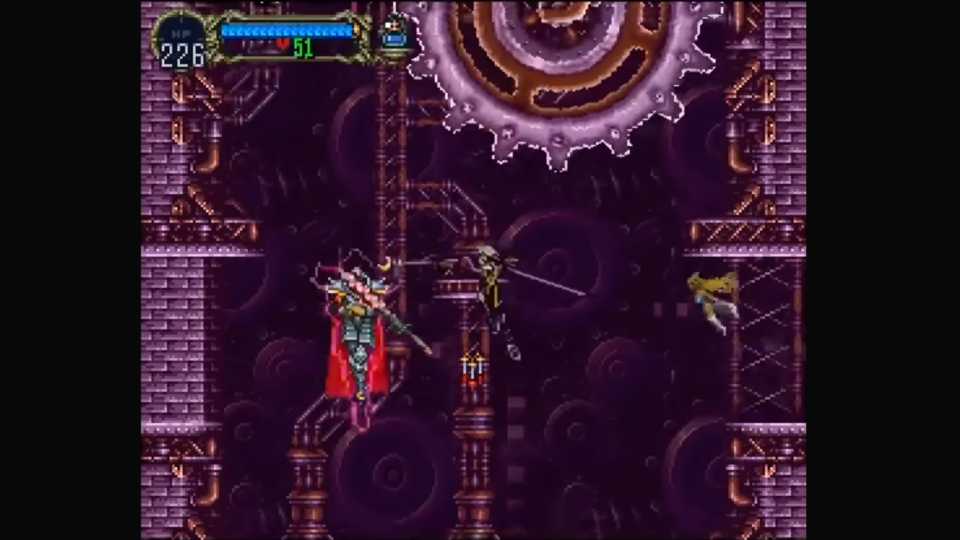
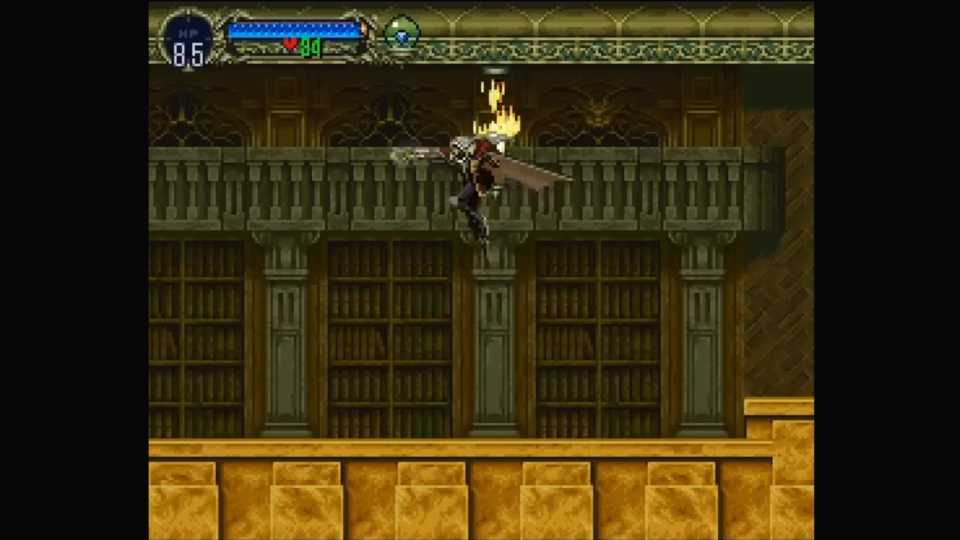
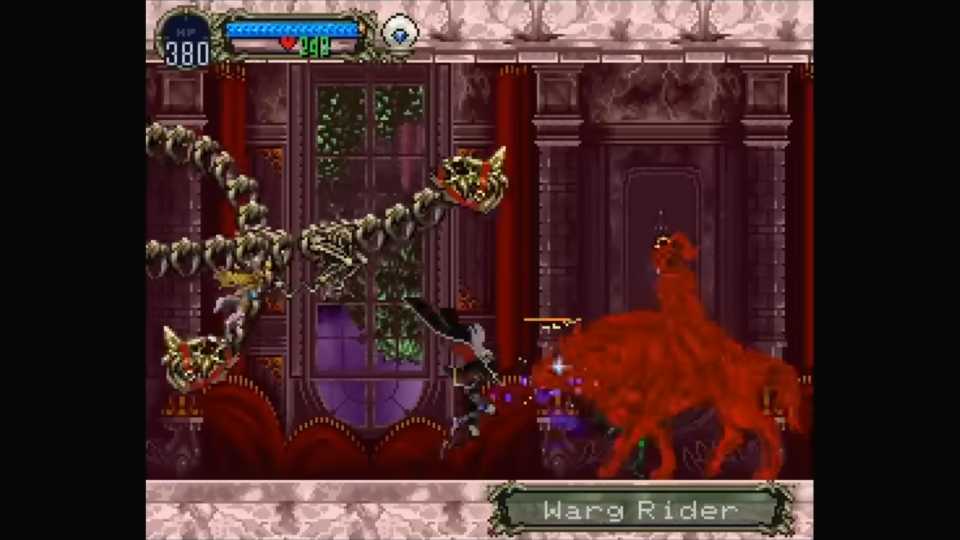
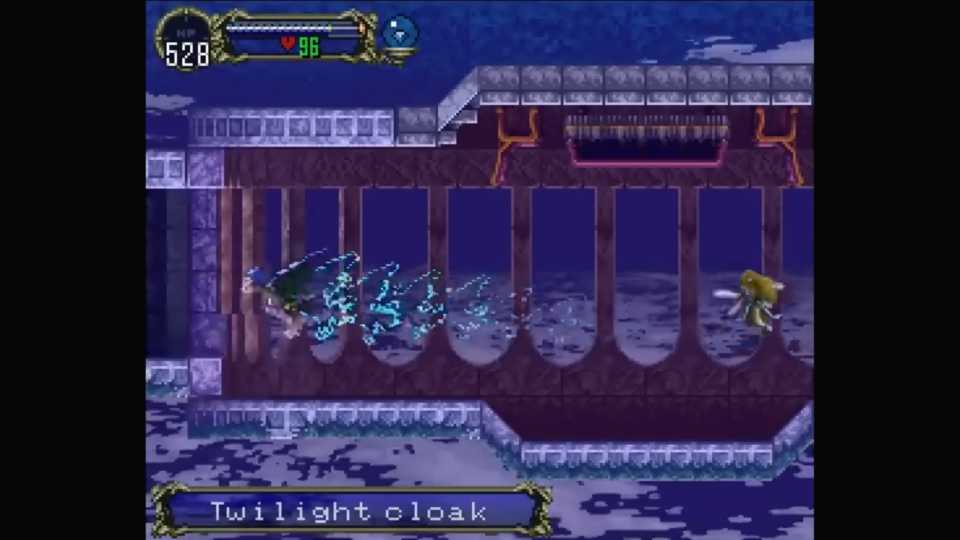
Of course, Symphony of the Night is going to be in the uppermost echelon of PS1 games. Inarguably the greatest Castlevania game of all time, Symphony of the Night had everything. It had Alucard, Richter, and Maria, all unforgettable characters. It was breathtaking to look at back in 1997, and its soundtrack was so good that Dance of Gold and Requiem for the Gods are still on my driving playlist.
An absolute masterpiece of the metroidvania genre, Symphony of the Night deserves every bit of praise we heap on it even today. This is the game that influenced and informed not just future Castlevania titles, but most, if not all, great Metroidvania games to come after it, thanks to its mechanics and visual presentation. The platforming, the exploration, and the RPG elements were all top-notch, and that's why Symphony of the Night remains top of mind when it comes to the greatest PS1 games.
- Released
- October 2, 1997
- ESRB
- T For Teen Due To Animated Blood and Gore, Animated Violence
- Developer(s)
- Konami
- Publisher(s)
- Konami
- Franchise
- Castlevania


WHERE TO PLAY

Symphony of the Night is a legendary Metroidvania where you play as Alucard, exploring Dracula’s vast castle, uncovering secrets, gaining powers, and redefining 2D action-RPGs forever.
- Genre(s)
- Metroidvania, Action RPG
Final Fantasy VII (1997)
The greatest Final Fantasy game, still
Final Fantasy VII was the moment when JRPGs finally became mainstream in the west. First, this was the game that marked the definitive switch to 3D graphics, and even if they might not look all that nice today, they were the cutting edge in visuals back in 1997. This became the cinematic RPG of its time, with a story that broke hearts, well-written characters with defined arcs, and a death I wish never happened.
To this day, the image of Sephiroth walking through the flames in Nibelheim is burned into the mind of every '90s gamer, and rightly so. In fact, FFVII itself was an unforgettable epic that raised the bar, showing the world just how far games could go emotionally and mechanically. It's no wonder that it's been remade into a trilogy in and of itself; such is the reverence this title deserves.
Metal Gear Solid (1998)
A generation-defining stealth-action title
Metal Gear Solid was the genre and generation-defining game that blew everyone's minds. From the mind of Hideo Kojima, this was a stealth game that taught the world how to make stealth the correct way. Plus, the cinematic approach Metal Gear Solid took laid down the path for all major games in the future, leading us to the present, where every blockbuster AAA game's cutscenes are nothing short of absolute cinema.
Plus, it even gave us one of the most unforgettable boss fights of all time — Psycho Mantis, the reader of memory cards. Metal Gear Solid was a full-blown experience, and it proved that the PlayStation was more than just a mere gaming console, but rather the home of all the biggest innovations in the gaming world.
- Released
- October 20, 1998
- ESRB
- M For Mature 17+ Due To Blood and Gore, Suggestive Themes, Violence
- Developer(s)
- Konami Computer Entertainment Japan
- Publisher(s)
- Konami
- Engine
- Fox Engine
- Sequel(s)
- Metal Gear Solid 2: Sons of Liberty, Metal Gear Solid 3: Snake Eater (2004), Metal Gear Solid 4: Guns of the Patriots, Metal Gear Solid 5 The Phantom Pain
- Franchise
- Metal Gear
- Platform(s)
- PS1, PC
- Genre(s)
- Stealth
PlayStation 2 — Shadow of the Colossus (2005)
It proved that video games could be art
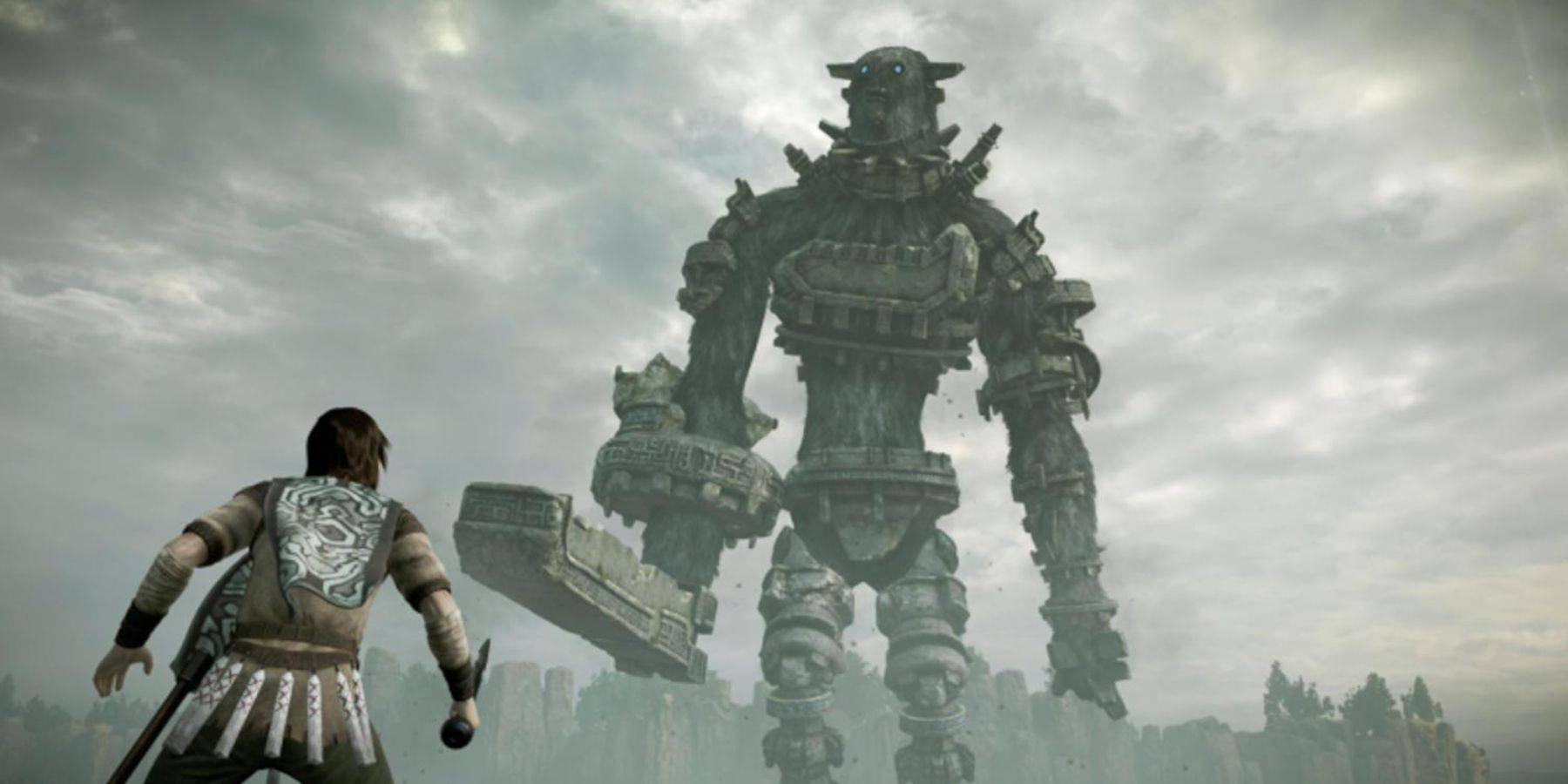
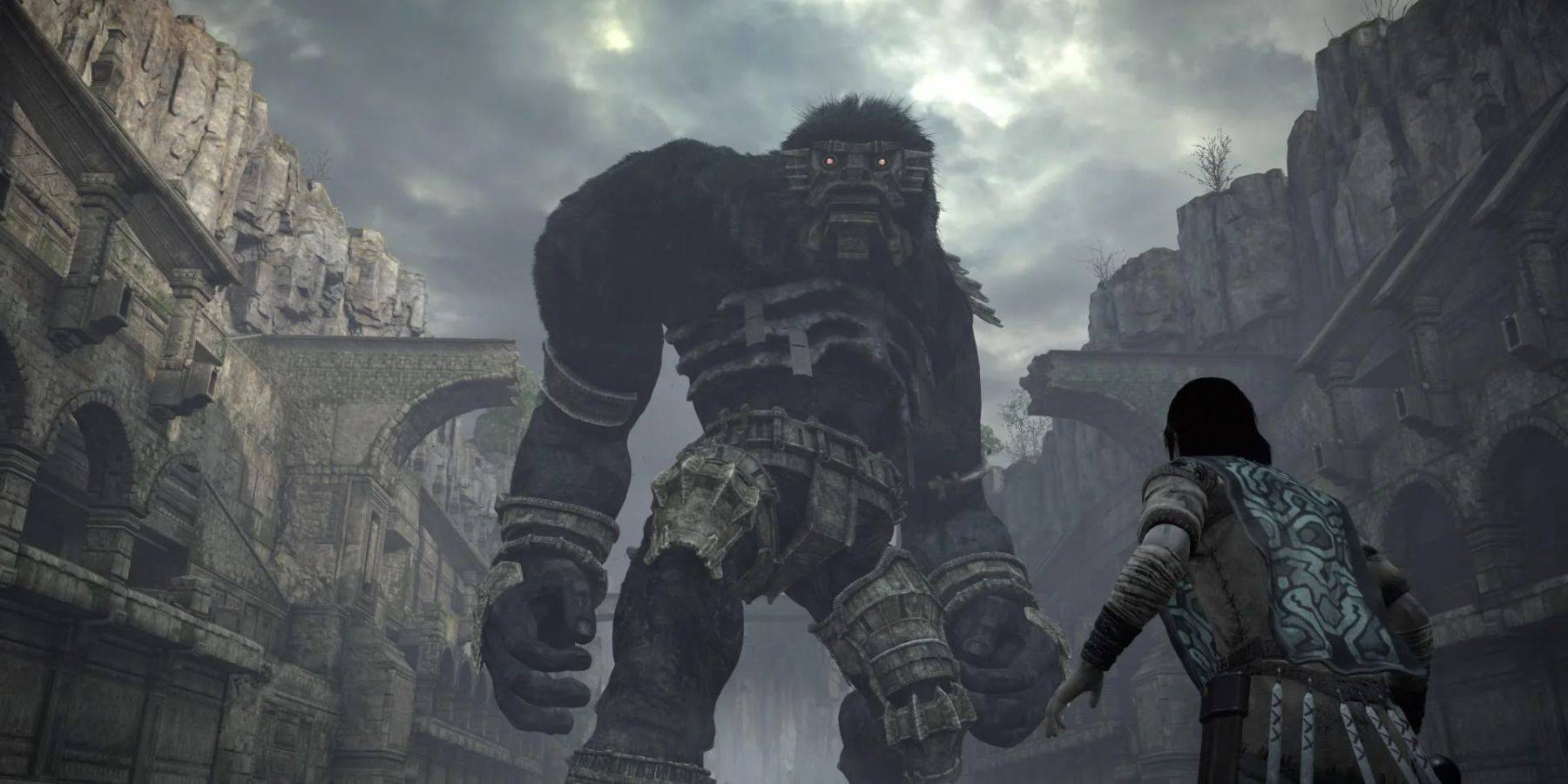
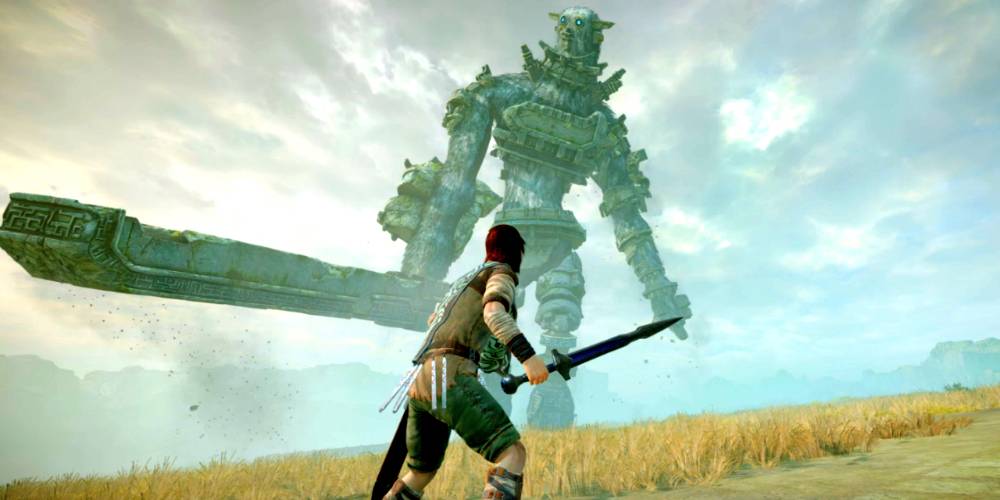
A game that came out on the PlayStation 2 and has since been on every single PlayStation, Shadow of the Colossus is not just one of the greatest PS2 games of all time, but one of the best, period. In fact, this also proved to be a significantly influential title, showcasing how video games could be art through its minimalist vistas and the emotional weight of the journey, all leading to one of the most memorable plot twists ever in gaming.
Shadow of the Colossus was quiet, tragic, and deeply atmospheric, and years later, there are very few games that have matched its emotional weight. It's no wonder the game was remastered for the PS3, and remade for the PS4, which is playable on the PlayStation 5.
- Released
- October 18, 2005
- ESRB
- T For Teen // Blood, Fantasy Violence
- Developer(s)
- Team Ico
- Publisher(s)
- Sony Computer Entertainment
- Number of Players
- 1





WHERE TO PLAY

- Platform(s)
- PlayStation 2
- Genre(s)
- Adventure, Action, Puzzle
God Of War (2005)
The birth of a PlayStation icon
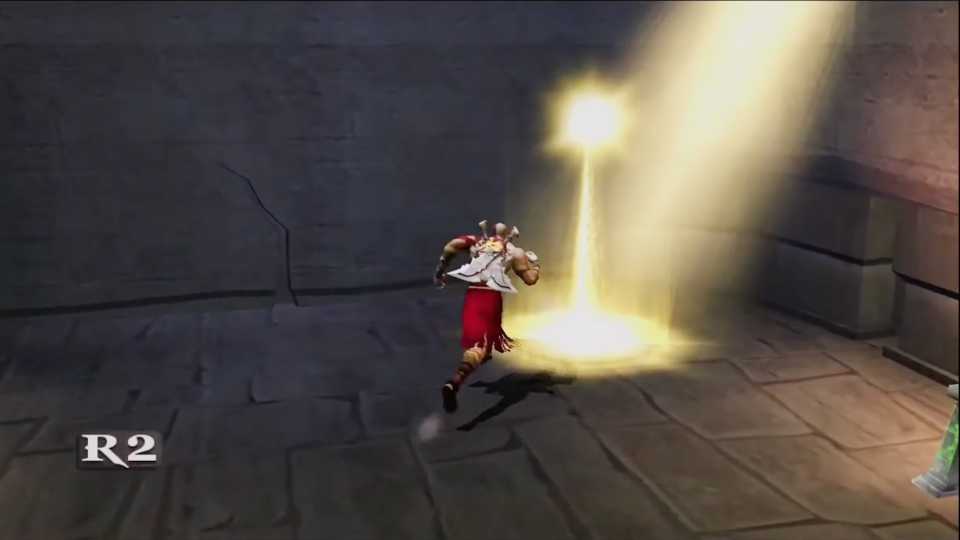
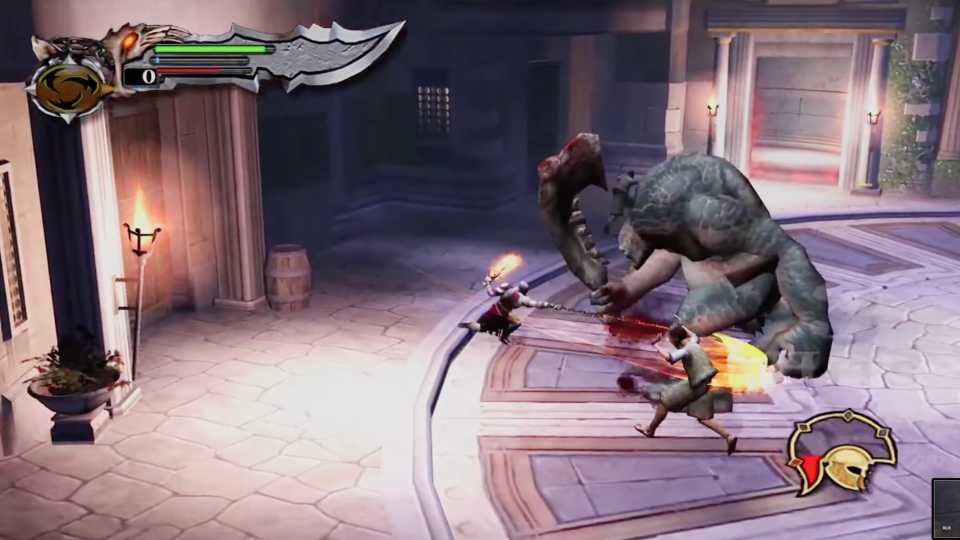
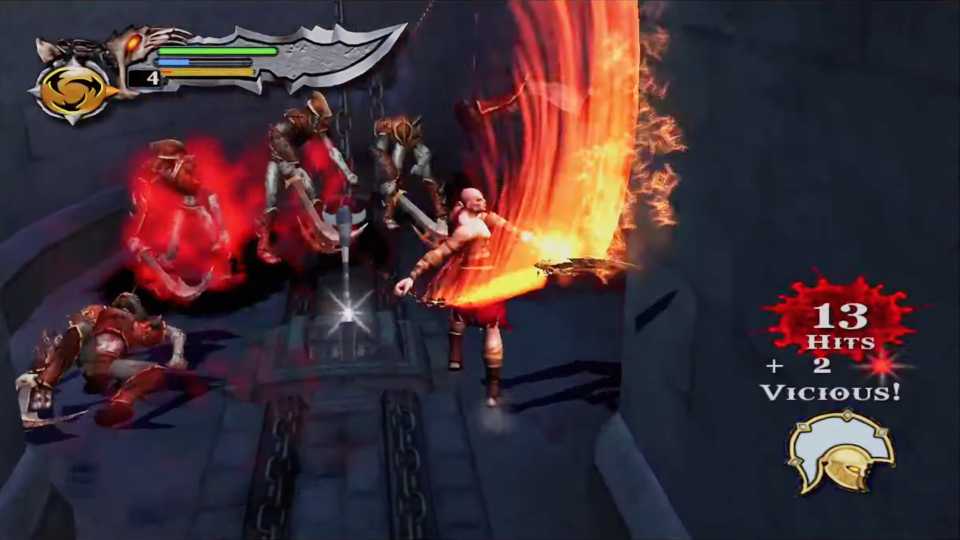
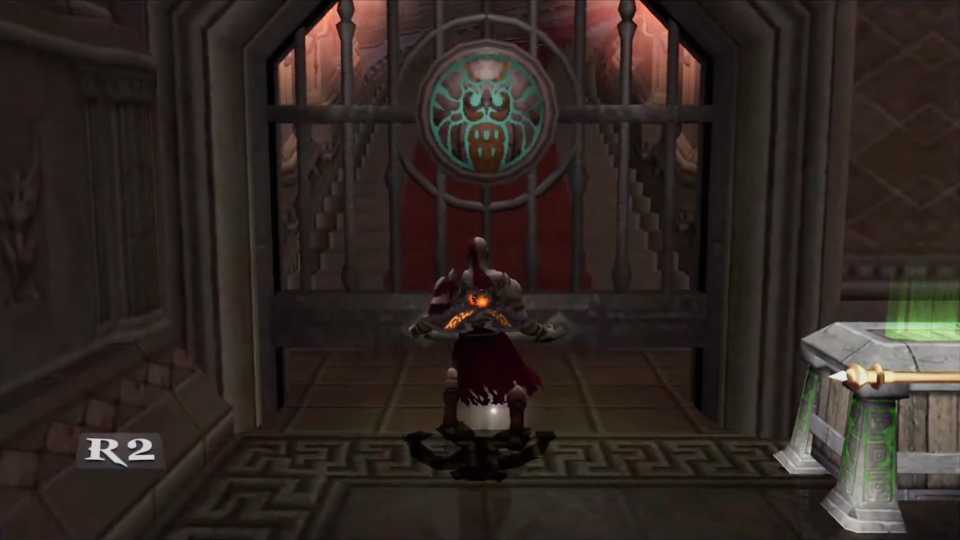
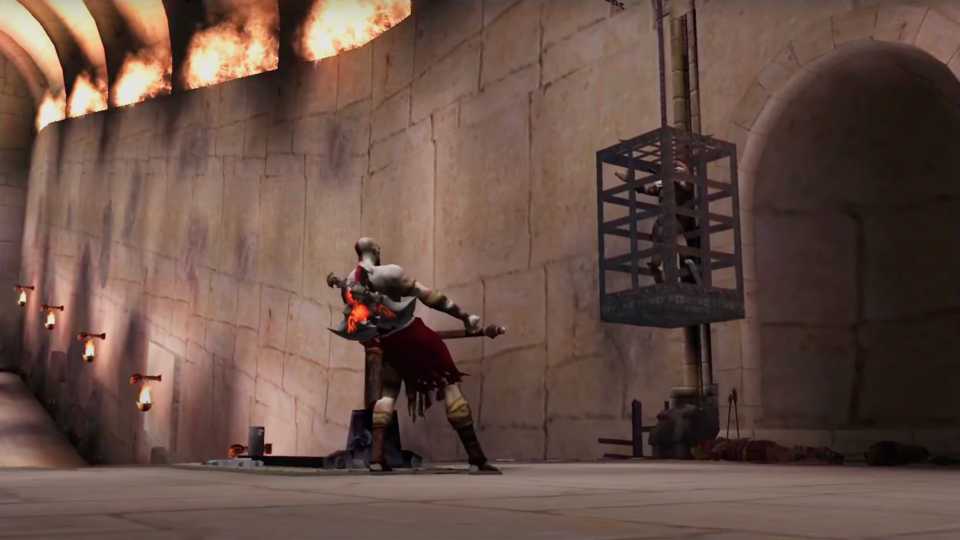
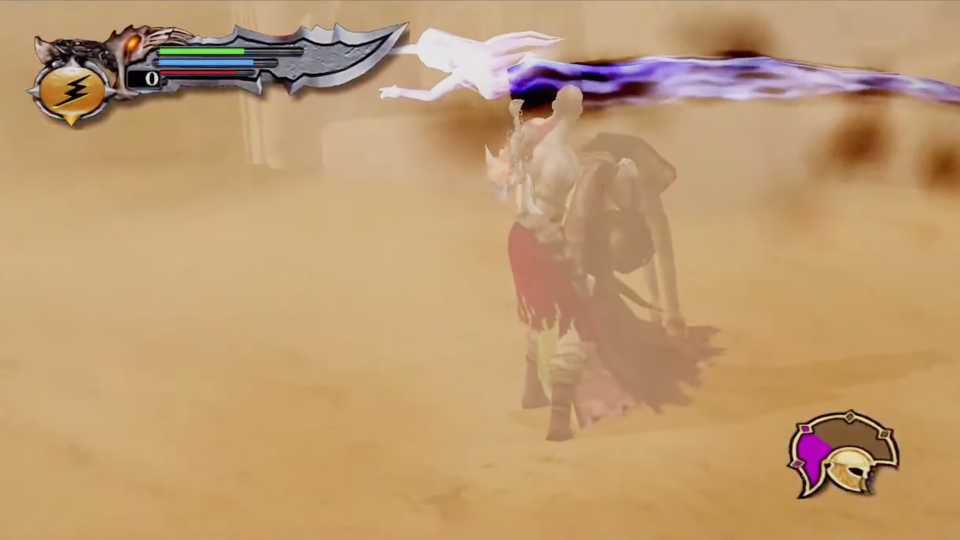
When God of War arrived on the PlayStation 2 in 2005, it was pure, unfiltered rage, and we loved it. Nobody had seen anything like it before — an explosion of adrenaline, myth, and blood, all coming together under an unprecedented level of polish. Kratos's vengeful, chaos-blade-swinging persona enthralled everyone and their dog, and why wouldn't it? This was the era of the no-nonsense hero who could do no wrong in the eyes of the player.
The puzzles in God of War never slowed things down, the combat felt weighty, and the story was an ambitious Olympian tale that I could narrate beat-for-beat even today. This was the first taste of mature storytelling for a lot of young gamers, myself included, and it absolutely cemented Kratos as a PlayStation icon forever.
-
👁 Placeholder Image
OpenCritic Reviews - Top Critic Avg: 94/100 Critics Rec: 98%

- Released
- March 22, 2005
- ESRB
- M For Mature 17+ // Blood and Gore, Intense Violence, Nudity, Sexual Themes, Strong Language
- Developer(s)
- Santa Monica Studio
- Publisher(s)
- Sony Computer Entertainment

WHERE TO PLAY
The notoriously violent series takes a serious turn as Kratos joins the Norse pantheon and goes on an adventure with his son.
- Platform(s)
- PlayStation 2
- Genre(s)
- Hack and Slash
Devil May Cry (2001)
Hack-and-slash like we'd never seen before
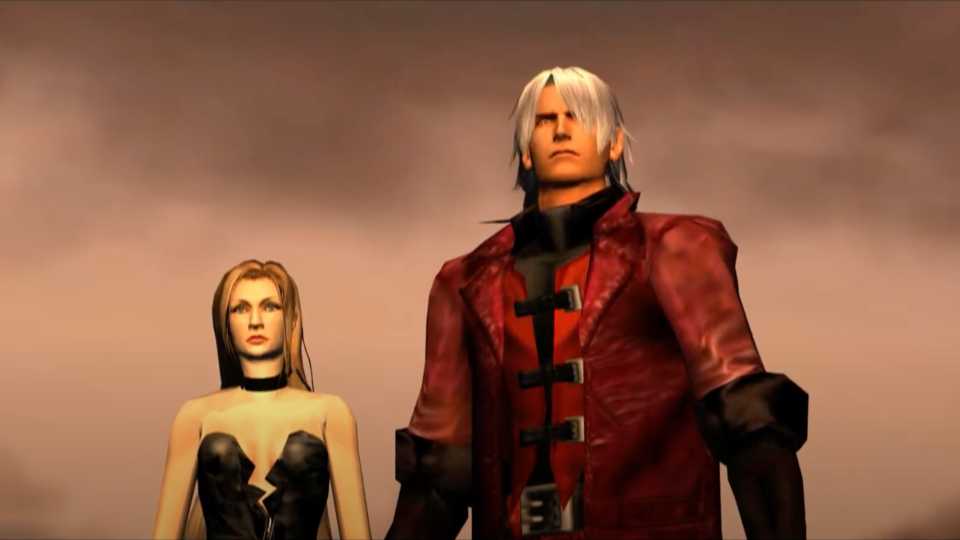
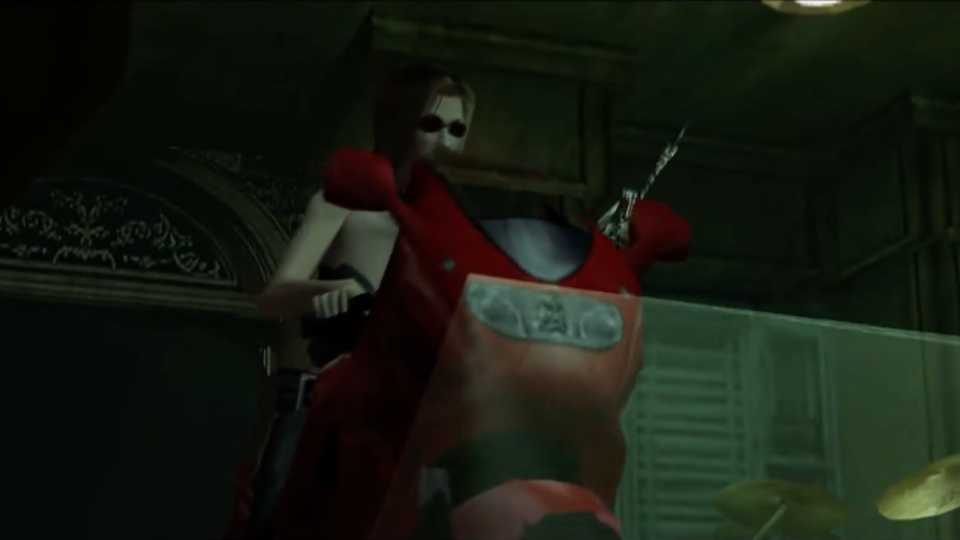
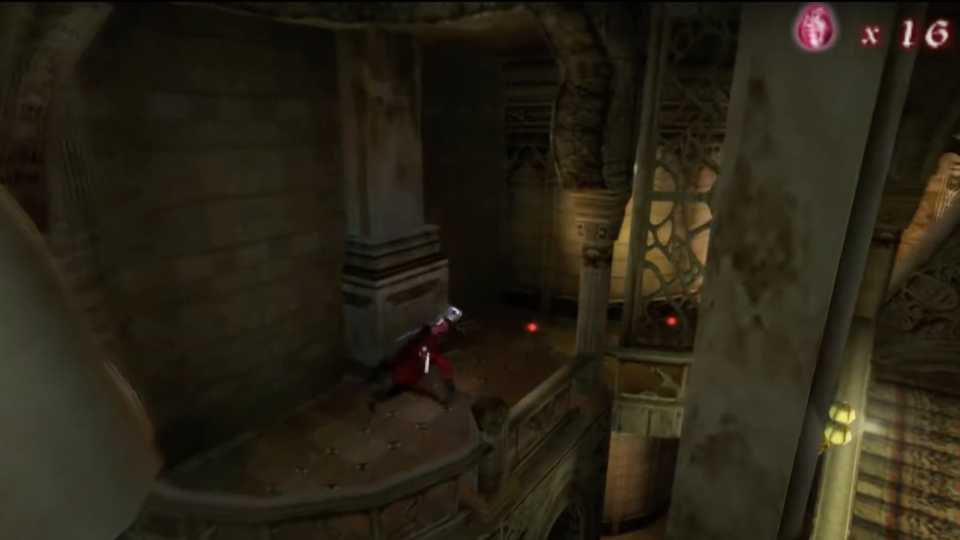
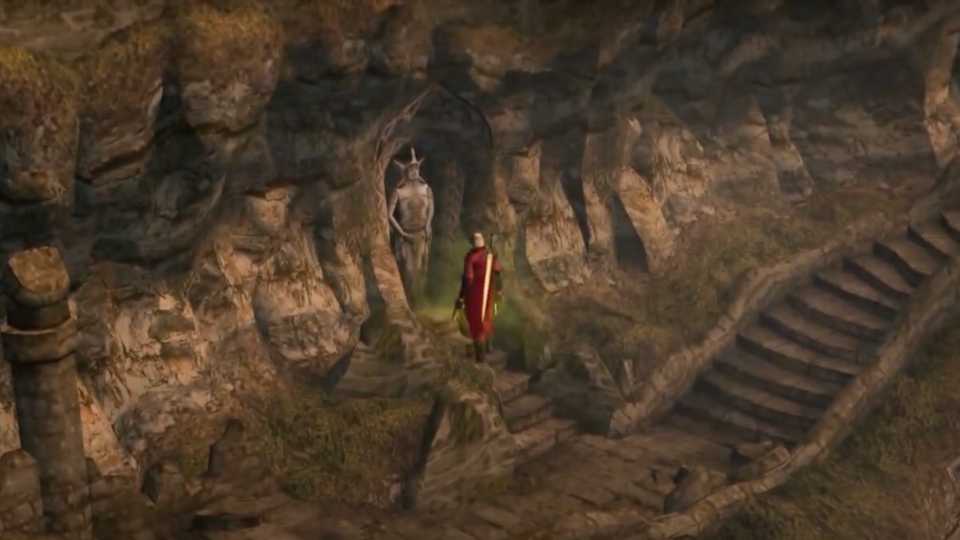
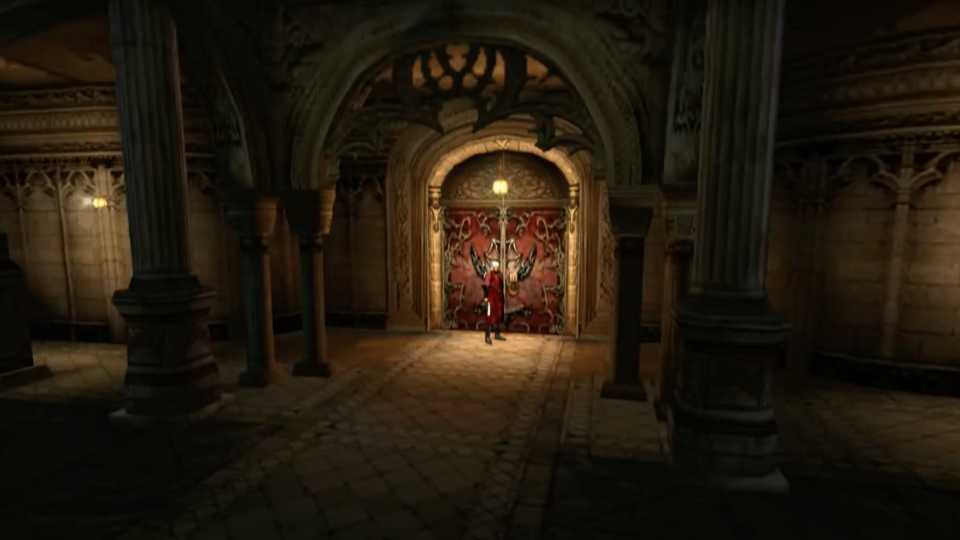
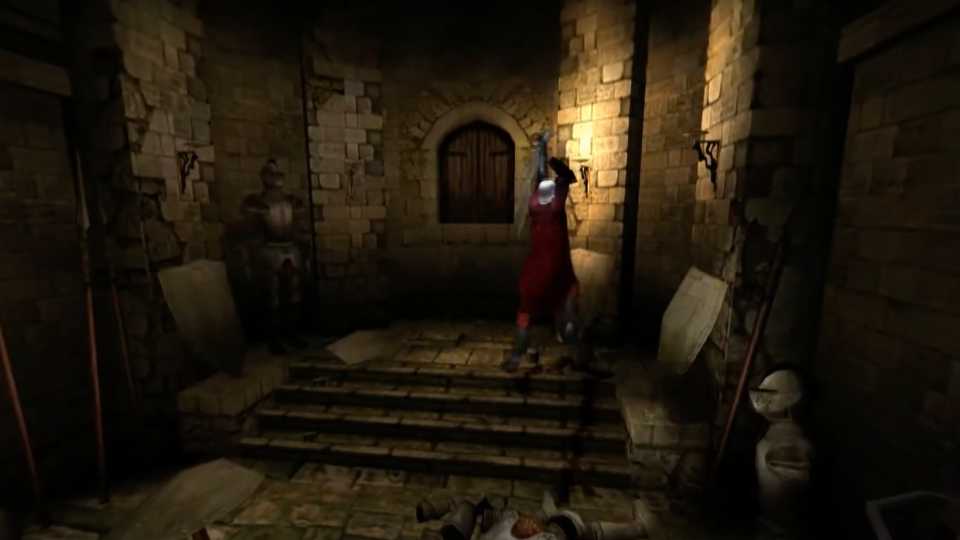
Well before Soulslikes became the norm for any game that had a character with a sword, we had Devil May Cry arriving on the PS2 and teaching us the art of stylish punishment. What was initially meant to be Resident Evil 4 became one of the coolest demon-killing titles ever made, making for an unforgettable franchise.
One of the very best games on the PS2, Devil May Cry even put Resident Evil to shame when it came to feeling quick and action-oriented, and we'll always be glad that this project took on a life of its own to blossom into something else entirely. Dante remains one of gaming's icons, and rightly so.
-
👁 Placeholder Image
OpenCritic Reviews - Top Critic Avg: 77/100 Critics Rec: 67%
- Released
- October 16, 2001
- ESRB
- m
- Developer(s)
- Capcom Production Studio 4
- Publisher(s)
- Capcom

WHERE TO PLAY
- Engine
- Unreal Engine 3
- Genre(s)
- Hack and Slash
PlayStation 3 — Uncharted 2: Among Thieves (2009)
The sequel perfected the Uncharted formula
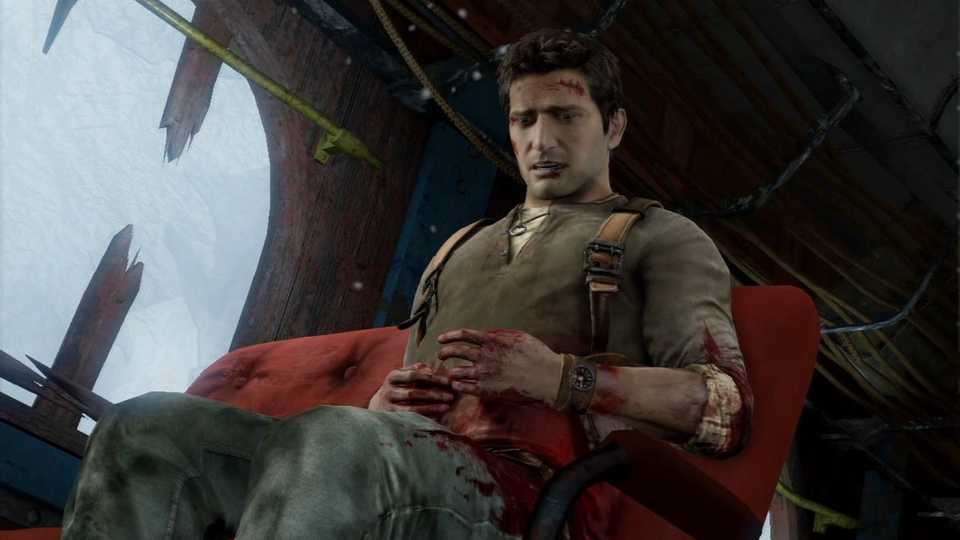
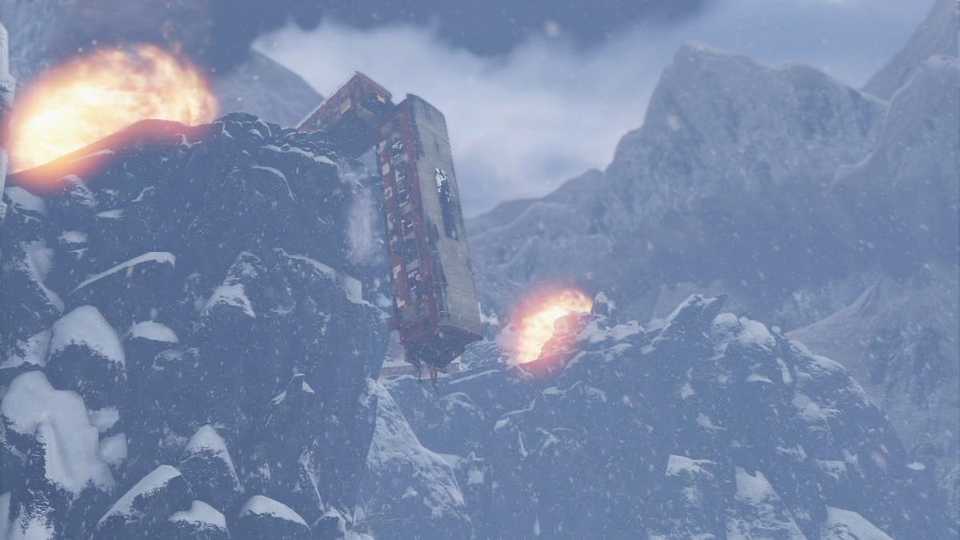
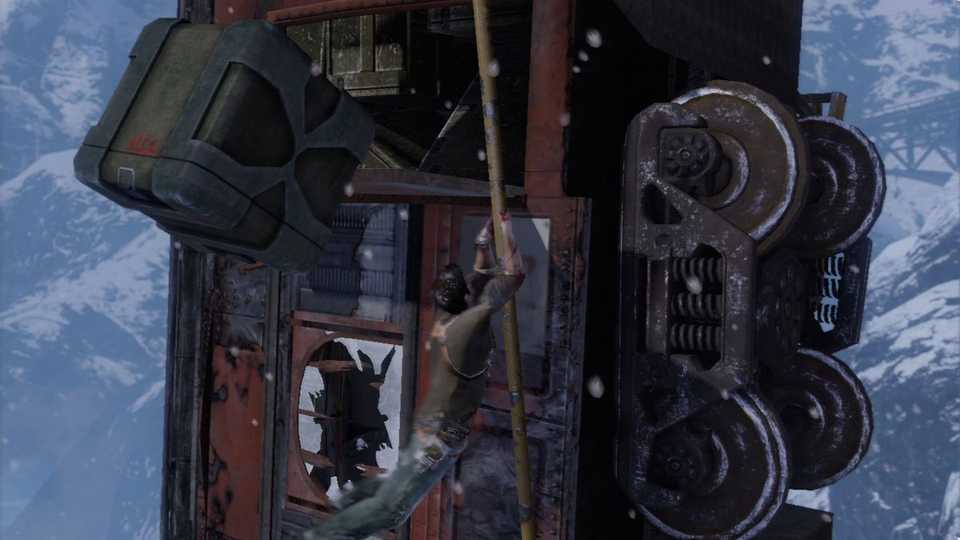
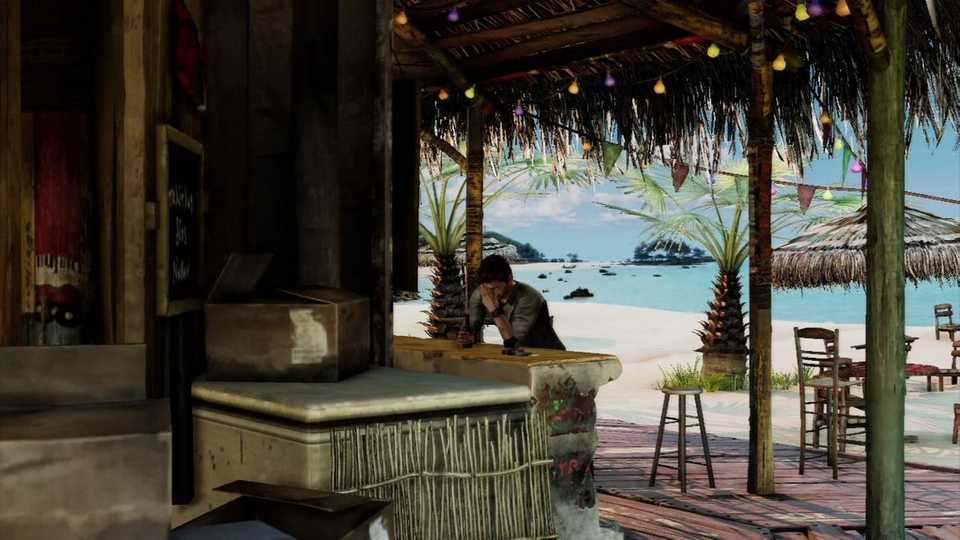
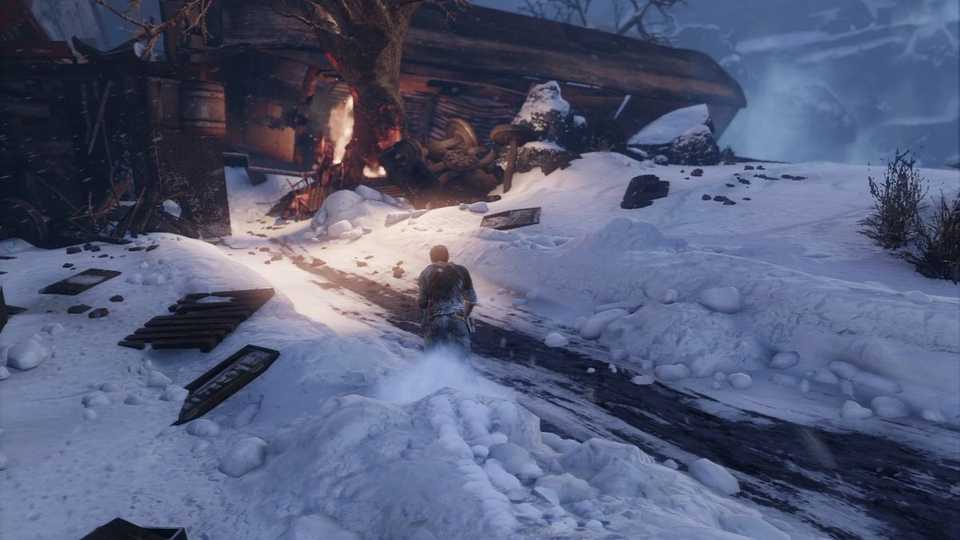
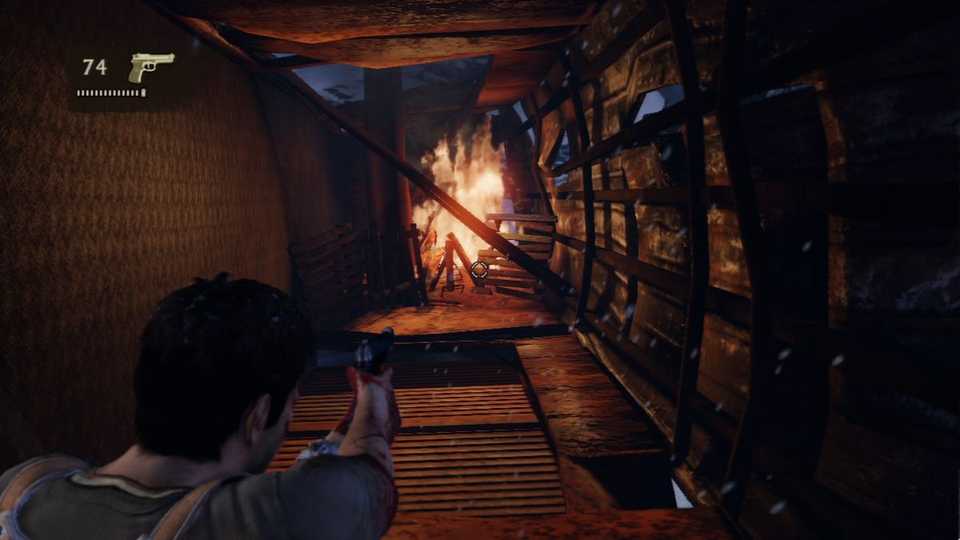
When Naughty Dog showcased their first Uncharted game, it blew everyone's minds to see that Nate Drake's jeans got wet from the knees down when he waded in water. Drake's Fortune was a blast from start to finish, but it was in 2009's Uncharted 2: Among Thieves that Naughty Dog truly perfected the formula. Everything about the second Uncharted game was perfect, from the fantastic opening level and the memorable characters and setting, to the refined gunplay and tight moment-to-moment pacing.
This was peak Indie Jones, without the fedora, and when Uncharted 2 was running, the PS3 felt like a truly next-gen machine. At the time, no other game captured cinematic adventure quite like Uncharted 2, and it raised the bar not just for the franchise, but for the rest of the industry.
- Released
- October 13, 2009
- ESRB
- T For Teen due to Blood, Language, Suggestive Themes, Violence
- Developer(s)
- Naughty Dog
- Publisher(s)
- Sony Computer Entertainment
- Engine
- Naughty Engine 2.0



WHERE TO PLAY


- Genre(s)
- Third-Person Shooter, Adventure
God of War III (2010)
The end of an Olympian era
God of War III was the end of Kratos' marvelous story, and boy was it a real technical marvel for the console. It opened with a boss fight on Gaia's back, and never slowed down from there. This was Kratos at his most unhinged, tearing through Mount Olympus with all the fury of a franchise reaching its mythic crescendo.
It was violent, operatic, and insanely beautiful to look at, despite every frame feeling like a painting soaked in blood. With unmatched spectacle, the PlayStation 3 roared its goodbye through Olympus, and to this day, this is one PlayStation-exclusive game that holds its own when it comes to aging gracefully.
- Released
- March 16, 2010
- ESRB
- M For Mature 17+ due to Blood and Gore, Intense Violence, Nudity, Strong Language, Strong Sexual Content
- Developer(s)
- Santa Monica Studio
- Publisher(s)
- Sony
- Engine
- Proprietary Engine
- Franchise
- God of War

WHERE TO PLAY

- Platform(s)
- PS4, PS3
- Genre(s)
- Action, Adventure
The Last of Us (2013)
Game so nice they made it twice... twice
The jump from the PlayStation 2 to the PlayStation 3 was a generational one, both literally and metaphorically. The polygon count on the PS3 was immense, and almost every single game you booted up on it felt like the next big thing in visuals and presentation. In its very last year, however, Naughty Dog would give us something different from their Uncharted games. What looked like 'just another zombie game' turned out to be a breath of fresh air in the zombie-game genre, with stellar acting and voice performances, mature writing and development, and an immensely satisfying gameplay loop for its time.
The Last of Us, as soon as it landed on the PS3, was heralded as one of the greatest PS3 games of all time, and it pushed the console to its very limits. The game immediately got remastered for the PS4, and remade for the PS5, marking it as one of PlayStation's biggest cash cows single-player titles. Jokes aside, The Last of Us remains one of the greatest video games of all time, and its influence over the visual presentation of games is still apparent.
-
👁 Placeholder Image
OpenCritic Reviews - Top Critic Avg: 94/100 Critics Rec: 99%
- Released
- June 14, 2013
- ESRB
- M for Mature: Blood and Gore, Intense Violence, Sexual Themes, Strong Language
- Developer(s)
- Naughty Dog
- Publisher(s)
- Sony
- Engine
- Proprietary (overall), Havok (physics)
- Multiplayer
- Online Multiplayer
- Cross-Platform Play
- No, The Last of Us Part 1 does not have crossplay
WHERE TO PLAY
- Genre(s)
- Action, Adventure
PS4 — Marvel's Spider-Man (2018)
The quintessential Spider-Man game
My first-ever Spider-Man game was the one on the PlayStation, which opened with Stan Lee's narration and the Baxter Building. From then on, I'd played every single Spidey game, including the atrocious movie tie-ins, still loving them. But when Insomniac's Spider-Man for the PS4 came out, I was beyond hyped. This was the first game I ever pre-ordered, and I couldn't believe I was holding the disc in my hands on the day of release. Marvel's Spider-Man on the PlayStation 4 was the ultimate, most perfect Spider-Man story ever told, no question.
It had everything — a heartfelt story that was as much about Peter Parker as it was about Spider-Man, jaw-dropping visuals, phenomenally-acted cutscenes, and endlessly-satisfying combat. The hype around this game before its release was immense, but it lived up to every bit of it and then some, cementing Insomniac as one of the premium first-party studios under Sony.
-
👁 Placeholder Image
OpenCritic Reviews - Top Critic Avg: 88/100 Critics Rec: 95%
- Released
- September 7, 2018
- ESRB
- T For Teen Due To Blood, Drug Reference, Language, Mild Suggestive Themes, Violence
- Developer(s)
- Insomniac Games
- Publisher(s)
- Sony
- Engine
- Insomniac Engine v.4.0
- Franchise
- Marvel's Spider-Man

WHERE TO PLAY

Sony Interactive Entertainment, Insomniac Games, and Marvel have teamed up to create an authentic Spider-Man adventure. This isn’t the Spider-Man you’ve met or ever seen before. This is an experienced Peter Parker who’s more masterful at fighting big crime in Marvel's New York. At the same time, he’s struggling to balance his chaotic personal life and career while the fate of millions of New Yorkers rests upon his shoulders.
- Genre(s)
- Action, Adventure, Open-World