
Every now and then, the gaming industry coughs up a relic from a bygone era. Something that instantly drags you back to the wild west days of PC gaming, when discovery felt organic, and passion alone could get a project noticed.
There was once a time when community belief truly mattered, and atop its shoulders, new games found legitimacy. That was the era of Steam Greenlight. It was chaotic, messy, and definitely naive, but it was also responsible for games like Routine, which is a sci-fi horror game that's finally emerging from the ashes, thirteen years later.
Routine has walked a long road
Generations have changed between 2012 and 2025
When Routine was announced back in 2012, the gaming world was a very different place. Horror was in its golden "indie bloom" era, and Routine was a game that blew everyone away with its premise. So, everyone bookmarked it, they talked about it online, and they hoped that it wouldn't vanish like so many other sci-fi titles which had ambition, but not the necessary resources. Well... it vanished. And for over a decade, too.
The studio behind the game, Lunar Software, had planned a 2013 release date for this game, but they went radio silent after 2012's announcement. It then entered development hell head-on, and sadly, wasn't able to emerge victorious out of it. 2017 is when the team simply stopped providing updates about the game, since the project itself was shelved due to the direction being vague and the resources limited. At one point, Routine genuinely began feeling like a ghost. It became exactly the kind of game we mention in "Canceled games we wish had come out" lists and threads.
Somehow, against every logical prediction, this game survived. It stayed alive. And most importantly, it evolved. Now, thirteen years after that first reveal trailer burned itself into the memory of anyone who loves sci-fi horror, Routine is finally coming out. It was once the poster child for vaporware, and it could now be one of the biggest redemption arcs the community has seen in a long, long time.
Steam Greenlight is why most of us knew about Routine
Valve's five-year project really gave a lot of games visibility
Back in 2012, Steam Greenlight felt like a revolution in gaming. For solo devs, and indie teams with two-to-five-person teams, this was a real shot at true legitimacy. It was a way to be seen, and a way to break into the industry without having to beg publishers for resources, or without knowing a guy who knows a guy at Valve. Greenlight made it so that all you needed was for the community to believe in your pitch.
It was democratic, yes, but only on paper. In practice, however, after the honeymoon phase ended, Greenlight became a battleground of cheating, trading, astroturfing, meme projects, and flat-out scams. Entire "upvote farms" cropped up when people figured out how to game the system, with folks trading Steam cards for votes. Every week, a new fake game would rise up the charts with inflated numbers and suspiciously fast climbs, which negatively affected Steam's legitimacy as a storefront, too.
Greenlight had its heart in the right place
It was just unsustainable
Sadly, as utopian as it seemed, Steam Greenlight was too easy to manipulate and exploit, and in the face of upvote farms from shady "game developers," too difficult for genuinely passionate and sincere teams to navigate, unless they already had some form of visibility. Within five years, Valve realized that the initiative was unsustainable. It wasn't malicious, but definitely flawed. So, in 2017, they killed Greenlight and replaced it with Steam Direct, which has grown into a far cleaner, more professionalized process.
The end of the Greenlight era left behind a legacy to be remembered, and a handful of survivors like Routine. This game was originally supposed to be a non-linear space-exploration title, but now, it's evolved into something completely different with just two endings, and enemy AI that wasn't even originally supposed to exist. And yet, it carries with it the tag of being a "Steam Greenlight" game, since that's how most of us, if not all, came to know about it. The visibility that Greenlight offered some truly deserving indie games was never out of question, and Routine definitely benefited from it, which is clear even today, thirteen years later.
Greenlight did give the world some real gems
A lot of fantastic titles came from Valve's flawed initiative
The gaming community has plenty of great games, still played and revered today, to thank Steam Greenlight for. Stardew Valley was originally a Greenlight game, and it truly blew up to become one of the best co-op games of all time, thanks to its cozy vibe that people still can't get enough of. Even BeamNG.drive, one of the biggest PC driving games, and a darling for streamers all over the world, became popular through the Greenlight system, along with Slay the Spire and Starbound. This makes Routine part of the last batch of games that entered the industry through sheer community belief, instead of corporate vetting.
However, that isn't the full picture. After all, if Routine had come out in its original form, and before 2017, we could've called it an honest-to-goodness Steam Greenlight game. But with the delays, changes in direction and production, its hiatus, and then finding a publisher in Raw Fury, Routine is a completely different beast from what it was in the beginning.
Very few games successfully escape development hell
Routine has a lot to prove
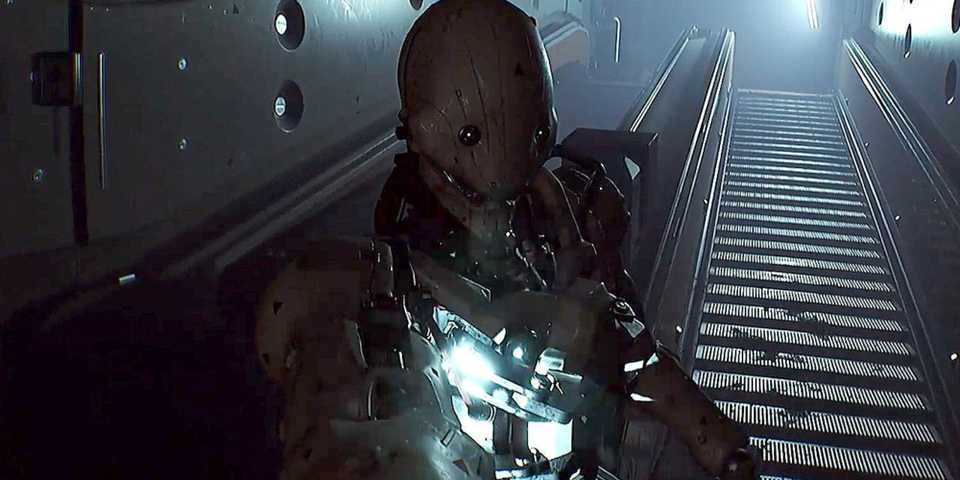
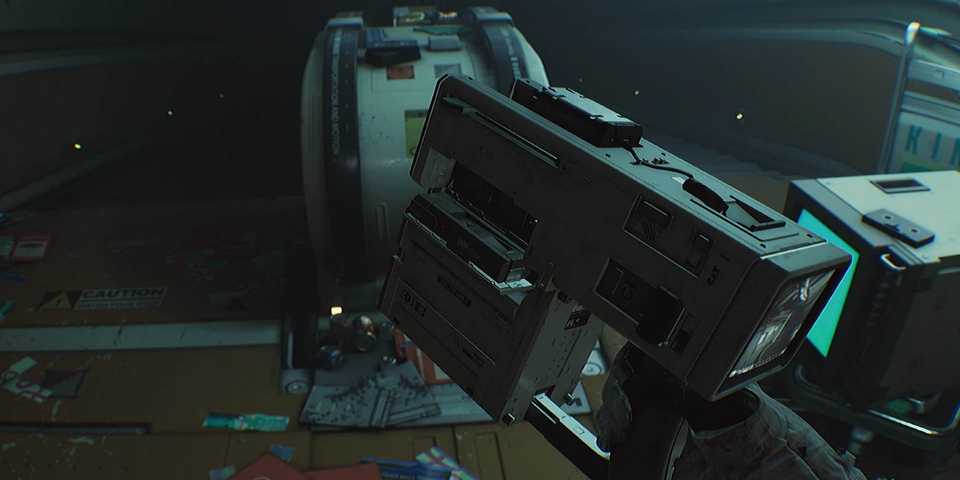
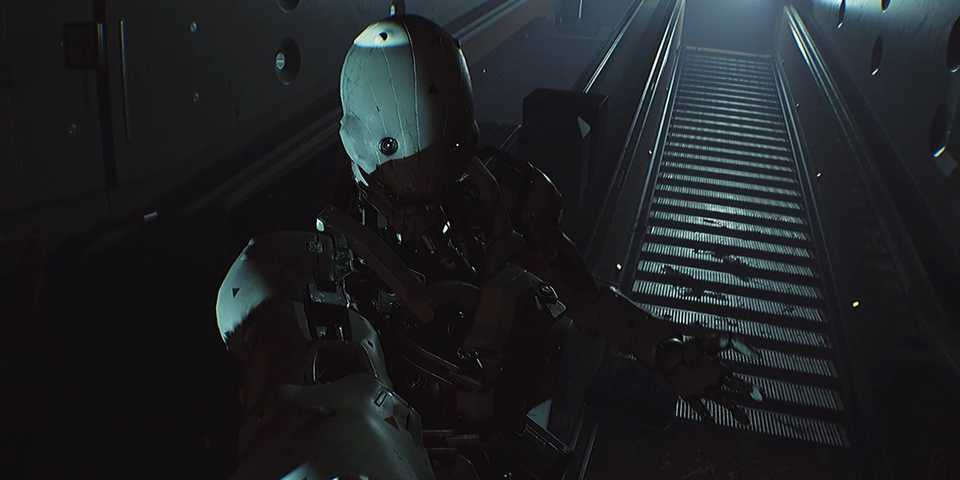
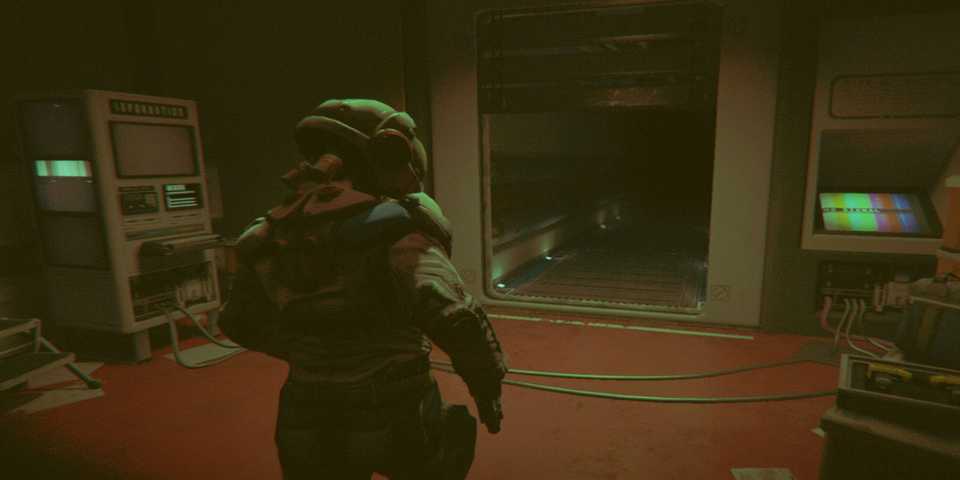
Unlike many other Greenlight games, Routine didn't soar immediately. It went into stasis instead, and suffered setback after setback. Three engines and thirteen years can spell a death sentence for any studio, and to be rather honest, games that do escape development hell rarely turn out to be masterpieces. Routine, however, could be different, and the biggest reason is Raw Fury. That publishing deal breathed new life into the project, providing the dev team with the structure, funding, and stability they needed to actually finish the game. The new footage looks stunning. It's drenched in analog sci-fi dread, meticulous environmental detail thanks to Unreal Engine 5, and a brilliant visual language I can't wait to be lost in.
In a weird way, Routine's absurdly long development feels poetic now. It's a product of a bygone era. An indie born in 2012, rebuilt in the mid-2010s, and then reborn in the new decade, now arriving in 2025. Now that it's finally coming out, it is time to see if it does so with flying colors, or merely limps across the finish line. Routine is launching day one Xbox Game Pass, so I can't wait to test the game and see if it becomes a memorable horror title in a year when the horror lineup was pretty stacked.
- Released
- December 4, 2025
- Developer(s)
- Lunar Software
- Publisher(s)
- Raw Fury
- Engine
- Unreal Engine 5
- Number of Players
- Single-player




WHERE TO PLAY


- Genre(s)
- FPS, Exploration, Horror, Action
I'll still thank Steam Greenlight for Routine
Thirteen years is an absurdly long time for Routine to have survived.
Valve's Steam Greenlight was messy, chaotic, and ultimately unsustainable, but it still created a pipeline that allowed passion projects like Routine to exist in the first place. Now, as the game crawls out of development hell, it feels like a strange yet beautiful reminder of what indie ambitions looked like before algorithms ruled discovery and before Steam Direct came in to clean up the mess.
Thirteen years is an absurd amount of time for a game to survive, but Routine has done just that. And in doing so, it has become the last echo of an era of gaming we'd all nearly forgotten.