
This medium of gaming, which we all love and respect, has never stood still. Every few years, there comes a game that doesn’t just sell well — it reshapes the entire industry. Whether such games do so by introducing revolutionary mechanics, pushing hardware to its limits, or creating a new genre entirely, these games leave an undeniable mark.
While we might still be debating how some of these games changed the industry, they definitely had a part to play in gaming as we know it today. With 2025 set to be a huge year in gaming, let’s take a look at how the medium itself has grown with these games that have cemented a place in its hall of fame.

4 reasons why the gaming landscape needs weird games like Alan Wake 2 and Death Stranding
Weird, experimental games like Alan Wake 2 & Death Stranding push gaming forward — here’s why the industry needs more of them.
10 Tetris, 1984
The block that built gaming
If ever there was the ultimate proof of gameplay trumping graphics, it’s Tetris. There are no HD textures or cinematic cutscenes — just simple and addictive block-stacking perfection. As someone who just spent three hours last week trying to beat his own high score, I can safely state that Tetris doesn’t care if you’re five or thirty — once you start, you’ll be playing “just one more round” until your eyes blur.
Tetris came to the IBM PC in 1985, shortly after its creation the year prior. It took another two years before it reached North America and Europe, after which there was simply no stopping this game. Soon, by 1989, Nintendo launched the Game Boy with just one game — Tetris — in its cartridge. Tetris truly defined handheld gaming — the Game Boy and Tetris were a match made in gaming heaven. The 35 million copies it sold proved that portable gaming wasn’t just possible — it was essential. The “Tetris effect” was real — commutes became competitions, break times became battles, and every young adult who could afford it had a Game Boy for Tetris. Even today, Tetris exists in some form on every device imaginable.

5 of the strangest things people have played Tetris on
It's blocks, Jim, but not as we know it.
9 Doom, 1993
The granddaddy of all first-person shooters
Do you like Battlefield or Call of Duty more? If Doom didn’t exist, neither of them would, either. Doom in 1993 didn’t just define it but created the first-person shooter genre itself. Most games the world had in 1993 were side-scrollers, while Doom let players step into the boots of a shotgun-toting space marine and absolutely obliterate demons in beautiful and glorious first-person carnage.
Fast, brutal, and revolutionary, Doom didn’t just stop at FPS gameplay. It also introduced network multiplayer gameplay, popularized modding, inspired what we know today as speedrunning, and even pushed PC gaming forward by influencing the development of DirectX itself. The next time you no-scope someone or bunny-hop through a map? You can thank Doom. Thirty-two years later, the original Doom can run on practically anything, and the franchise's latest entry, Doom: The Dark Ages, is one of the most hotly-anticipated games of 2025.
DOOM + DOOM II
- Released
- August 9, 2024
- ESRB
- M
- Developer(s)
- id Software
- Publisher(s)
- Bethesda Softworks
- Engine
- Unity, KEX
DOOM + DOOM II brings the legendary first-person shooters to modern platforms. Relive the fast-paced action as you battle demons across hellish landscapes with upgraded visuals. These iconic titles offer non-stop, intense combat, classic weapons, and unforgettable levels, all in one collection.

Watching a TXT file render Doom was not on the list of things I thought I'd see today
Rip.txt and Tear.txt.
8 Final Fantasy VII, 1997
When Midgar conquered the West
JRPGs in the West have always been a niche market at best. That was the case until Final Fantasy VII arrived. In 1997, Cloud and his Buster Sword made turn-based battles, sprawling narratives, and emotional gut-punches mainstream. FFVII employed pre-rendered cutscenes and 3D character models, which were incredibly ambitious at the time. Of course, in order to achieve these things, Square Enix published the game on the PlayStation, which put Sony’s console on the map.
Sony made a bet on Square’s ambitious vision, and boy, did it pay off big time. Aerith’s fate still stings us decades later, whether in the original game or the fantastic new remakes, which have cemented themselves as the blueprint for how to remake a game for modern hardware. FFVII wasn’t just a JRPG, but rather an event that shaped gaming history, making it the must-play RPG of its time and a must-have in every gamer’s library even today.
The next-gen edition of the remake of the classic Final Fantasy VII. This game has set the benchmark for modern remakes.

3 compelling reasons to embrace video game remakes and remasters, not shun them
Remakes and remasters might feel like stagnation, but they serve these three critical functions
7 Metal Gear Solid, 1998
When movies and games became one
The iconic Metal Gear franchise might have started in 1987, but it took 11 years for the series to bring out its very first 3D title. It all began with Metal Gear Solid in 1998, when Hideo Kojima directed a cinematic experience unlike anything before it, blurring the lines between film and interactive storytelling. Metal Gear Solid delivered political intrigue, tactical espionage, and fourth-wall breaks that still mess with players’ heads today.
That wasn’t all — MGS reinvented what stealth meant in gaming. Instead of running with guns blazing, every player had to think, hide, and listen. Then, there was Psycho Mantis — a boss fight so insanely thought out that he could “read your mind” through the memory port of your PlayStation, and the only way to stop him from knowing all your attacks and dodging them was to switch controller ports. Metal Gear Solid’s blend of deep mechanics, fantastic cinematics, and memorable boss fights remains important even today, because without MGS, we wouldn’t have Splinter Cell or the Hitman games.

8 Metal Gear games you definitely forgot about
Metal Gear's long and storied history has a few games in the series that get forgotten about. Let's take a dive into the past and remember them.
6 Grand Theft Auto III, 2001
Sandboxes redefined
Before Rockstar came out with GTA III in 2001, open-world games were more like open corridors — big but hollow. After this bombshell, players suddenly had an entire 3D city to wreak havoc in. Gamers across the world were in awe of this newfound freedom. Liberty City wasn’t just a backdrop — it was a living, breathing world full of cars to steal, civilians to terrorize, and missions to ignore while I staged my own action movie stunts.
GTA III didn’t just influence open-world games — it defined them. Every open-world crime sim that came after owes its very existence to GTA III. In fact, it could be argued that we don’t get a Skyrim or Assassin’s Creed without GTA III, and not even a Cyberpunk, which you should definitely be replaying. Freedom was king in games, and Grand Theft Auto III proved that beyond a shadow of a doubt. Now, 24 years later, gamers worldwide can't stop thinking about the upcoming GTA VI, which will undoubtedly be the biggest entry the franchise has ever seen.

-
👁 Placeholder Image
OpenCritic Reviews

- Released
- October 23, 2001
- ESRB
- M for Mature: Blood, Strong Language, Violence
- Developer(s)
- Rockstar Games
- Publisher(s)
- Rockstar Games
- Engine
- RenderWare
- Franchise
- Grand Theft Auto



WHERE TO PLAY


Grand Theft Auto 3 was released in 2001 and marked a huge shift for the franchise, giving players a third-person open world to explore. Players took control of criminal Claude as he tried to navigate a serious of missions throughout Liberty City.
- Genre(s)
- Action, Adventure

4 games Rockstar could have made if it wasn't busy updating GTA Online
So much lost potential for one live service game.
5 World of Warcraft, 2004
The MMO that became a way of life
Did MMOs exist before World of Warcraft? Yes. Did any one of them do it like Blizzard did? No. WoW was more than just an MMORPG — it was an addiction, a second life, and a social hub all rolled into one. Its blend of accessible gameplay, rich lore, and the ever-elusive “just one more quest” mentality kept players hooked for years. After all, this is the most popular MMORPG of all time we’re talking about.
Furthermore, WoW 2004 also proved that subscription-based gaming could work. Millions of gamers, myself included, were happy to fork over a monthly fee to explore Azeroth, raid with friends, and endlessly grind for loot. To this day, WoW remains the standard by which all MMOs are judged. And let’s be real — if you’ve ever lost a friend to WoW, you know how deep the rabbit hole goes.
- Released
- November 23, 2004
- ESRB
- T for Teen: Blood and Gore, Crude Humor, Mild Language, Suggestive Themes, Use of Alcohol, Violence (online interactions not rated)
- Developer(s)
- Blizzard
- Publisher(s)
- Blizzard
- Engine
- Unreal Engine
- Multiplayer
- Online Multiplayer
- Cross-Platform Play
- pc, ps
- Cross Save
- yes
- Expansions
- World of Warcraft: Wrath of the Lich King Classic


WHERE TO PLAY

World of Warcraft is an incredibly successful MMORPG that has been going strong for almost two decades. It's one of the highest-grossing franchises in history and is widely considered the most popular MMORPG ever made.
- Genre(s)
- MMORPG
4 The Elder Scrolls IV: Oblivion, 2006
The first finger in our wallets
It is impossible not to mention this — the fourth Elder Scrolls game, Oblivion, was a solid RPG for its time. Not only that, but its DLC expansion, Shivering Isles, has gone down in history as one of the greatest DLCs ever made. However, Oblivion changed the world not through its gameplay, but something that would set us down a path we would never come back from — microtransactions. In 2006, Bethesda offered an elven horse armor purchase in the game that would increase its HP and aesthetic appeal, all for the small price of $2.50.
Of course, this was met with outrage, but guess what? People still bought it, and that’s all publishers needed to see. This tiny add-on paved the way for everything we see today — from loot boxes to battle passes. Despite being a phenomenal RPG, Oblivion’s biggest legacy is inarguably the shift in how games were monetized. Whether it’s cosmetics or pay-to-win mechanics, the industry took note, and here we are. Nearly two decades later, our wallets have just never been the same.
- Released
- March 20, 2006
- ESRB
- M for Mature: Blood and Gore, Language, Sexual Themes, Use of Alcohol, Violence
- Developer(s)
- Bethesda
- Publisher(s)
- Bethesda
- Engine
- havok, speedtree, gamebryo
- Franchise
- The Elder Scrolls

WHERE TO PLAY


- Genre(s)
- RPG

Forget about The Elder Scrolls VI, I used mods to bring AI-powered NPCs to Skyrim
Despite sounding rather gimmicky, this project brings endless replayability to Skyrim
3 Crysis, 2007
Maximum PC loads, engaged
Back in 2007, when Crytek showed gamers screenshots from the upcoming Crysis, none of us believed they were in-game shots. Oh boy, how happy we were to be wrong! Crysis was nothing short of a gorgeous technical marvel — a game that was leaps and bounds ahead of anything the world had ever seen in terms of graphical fidelity. It’s no wonder that it became a stress test for gaming PCs, and, of course, birthed the iconic meme, "Can it run Crysis?".
2007’s Crysis laughed in the face of our hardware and turned our GPUs into glorified space heaters. Crysis’ visuals set an all-new, unattainable bar that made every other game look a generation behind. Even the game’s own highest settings were waiting for the next generation, as they were simply meant to be played on future hardware. This wasn’t eye candy, either — playing around in the nanosuit on the open-world map is still a joy today, and even 18 years later, Crysis is one of the games that have aged splendidly well.
-
👁 Placeholder Image
OpenCritic Reviews - Top Critic Avg: 65/100 Critics Rec: 23%
- Released
- July 23, 2020
- ESRB
- M For Mature 17+ Due To Blood, Strong Language, Violence
- Developer(s)
- Saber Interactive
- Publisher(s)
- Crytek
- Engine
- cry engine 3, cry engine 5
- Multiplayer
- Online Multiplayer
- Franchise
- Crysis

WHERE TO PLAY


- Genre(s)
- FPS, Open-World

The only 10 games that can justify the ray tracing tax
Ray tracing comes with heavy financial and performance overheads. Here are the only titles that make it all worth it.
2 Candy Crush, 2012
Microtransactions from a whole new audience
Candy Crush took the world by storm with its simple yet polished take on the iconic match-3 game design. In 2012, it spent about half a year on Facebook before making its way to iOS and Android, and that’s where it all began. Before this, mobile games were mostly casual distractions, but they then became cash machines. This game hooked millions of users with its simple gameplay and then kept them spending with an insidious microtransaction model — extra moves and unlimited lives all came for a price.
More than any other game, Candy Crush turned mobile gaming into a gold mine. It proved that “free-to-play” was often just a way of getting you through the door and making you pay every step along the way. Fast-forward to today; almost every mobile game follows the Candy Crush blueprint. Microtransactions might have largely been a PC/console-gaming feature back then. Still, Candy Crush reached a potential customer base far wider with mobile users, and then made millions of dollars every week.

How one mobile game left me with a transcendent haptic experience
Sometimes, the small details make all the difference, and I'll never look at haptics the same again.
1 Fortnite, 2017
Battle passes were here to stay
Epic Games’ Fortnite started as a co-op survival game, but when the battle royale genre exploded thanks to H1Z1 and PUBG, it pivoted — hard. This wasn’t the first BR, nor the first one to have a seasonal or monthly pass that offered extra rewards to those who paid a little more. However, Fortnite was the one that made it massive. Epic’s free-to-play juggernaut redefined the genre with its unique building mechanics and a game-changing approach to monetization — the battle pass.
Debuting in Fortnite’s second season, the battle pass system was almost a welcome change from the loot box controversies, offering players a clear roadmap of rewards instead of relying on RNG. These rewards also became unobtainable after a couple of months, fueling our engagement and FOMO. The result? A monetization goldmine that publishers everywhere rushed to copy.
Beyond that, Fortnite evolved into an entertainment platform, hosting live concerts and crossovers. One moment, you're cranking 90s in a build fight; the next, you’re watching Ariana Grande perform in zero gravity. Epic has given away some great free games over the years, but the one free game that has made them billions of dollars is undoubtedly Fortnite.
-
👁 Placeholder Image
OpenCritic Reviews - Top Critic Avg: 84/100 Critics Rec: 94%
- Released
- September 26, 2017
- ESRB
- T for Teen - Diverse Content: Discretion Advised, In-Game Purchases, Users Interact
- Developer(s)
- Epic Games
- Publisher(s)
- Epic Games

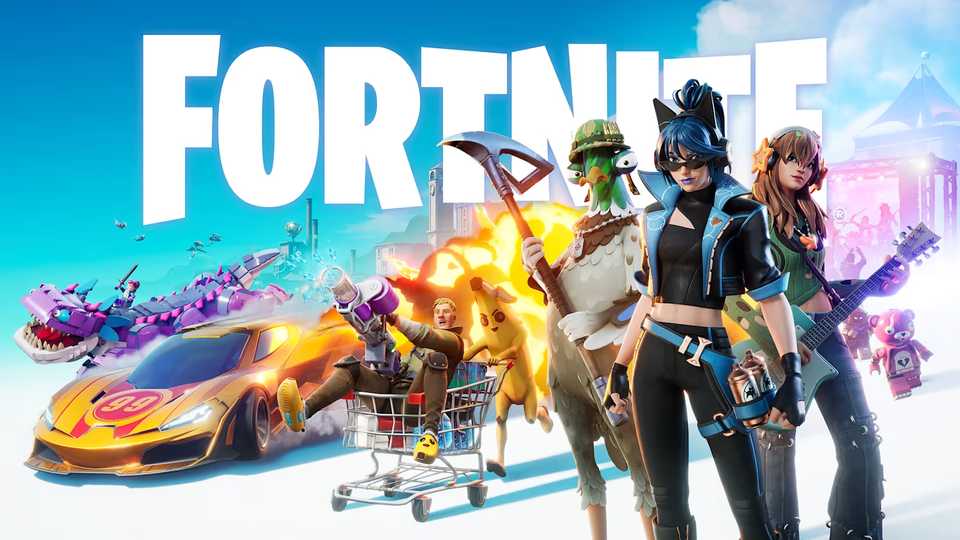
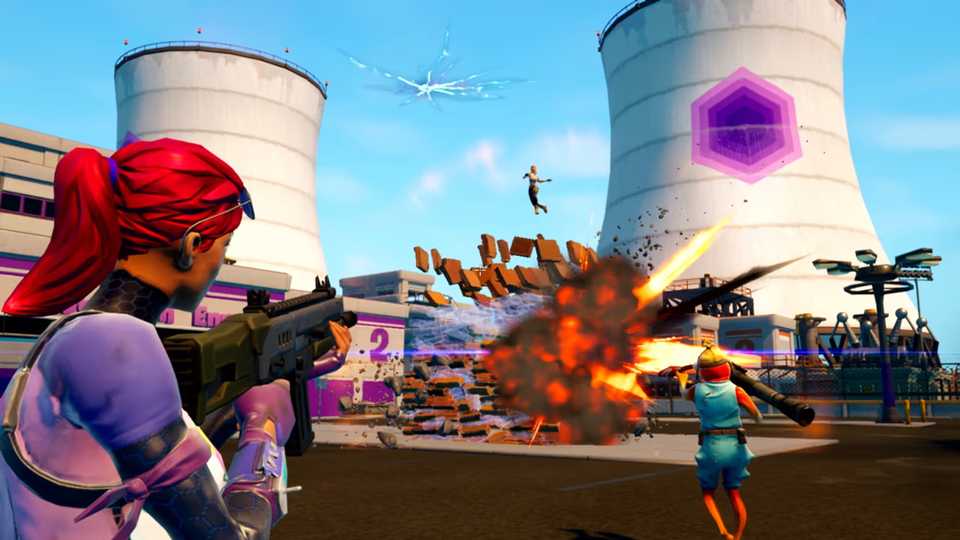
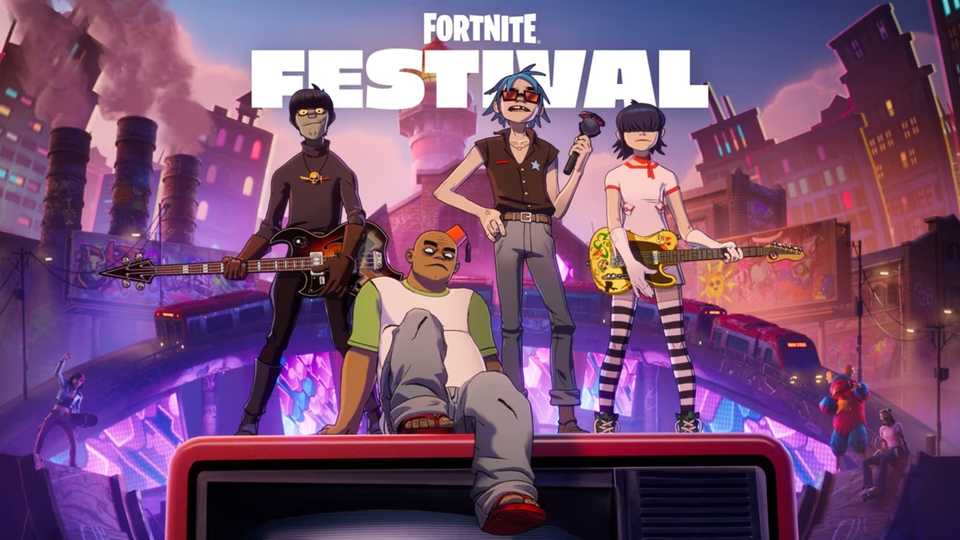
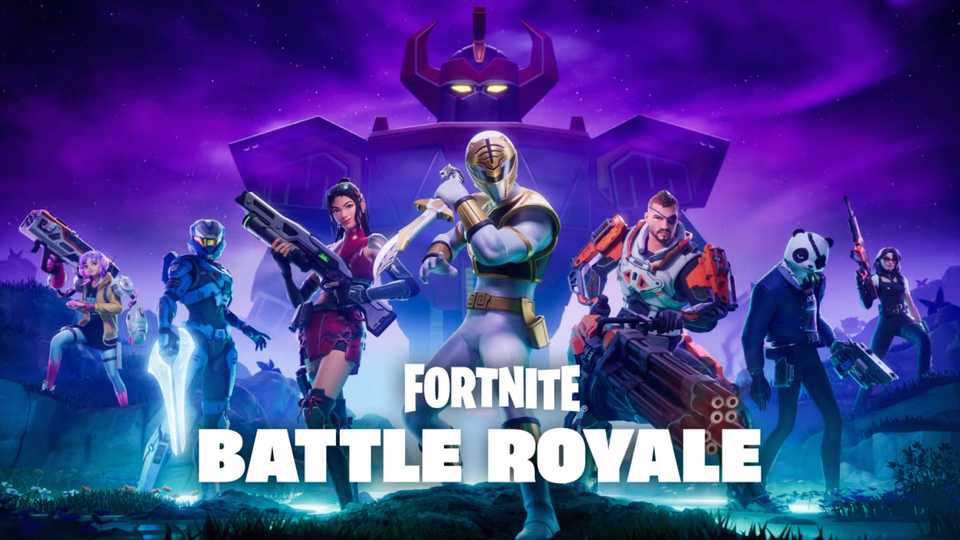
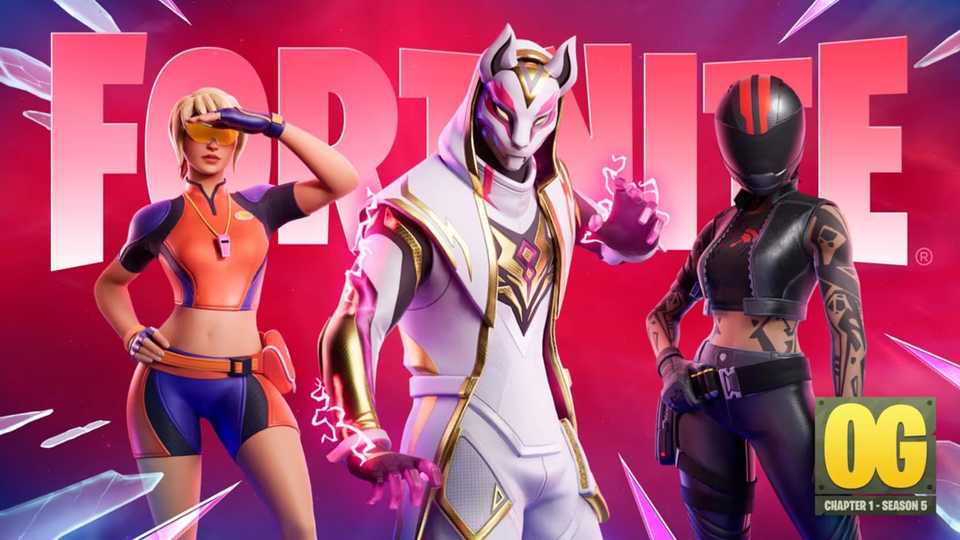
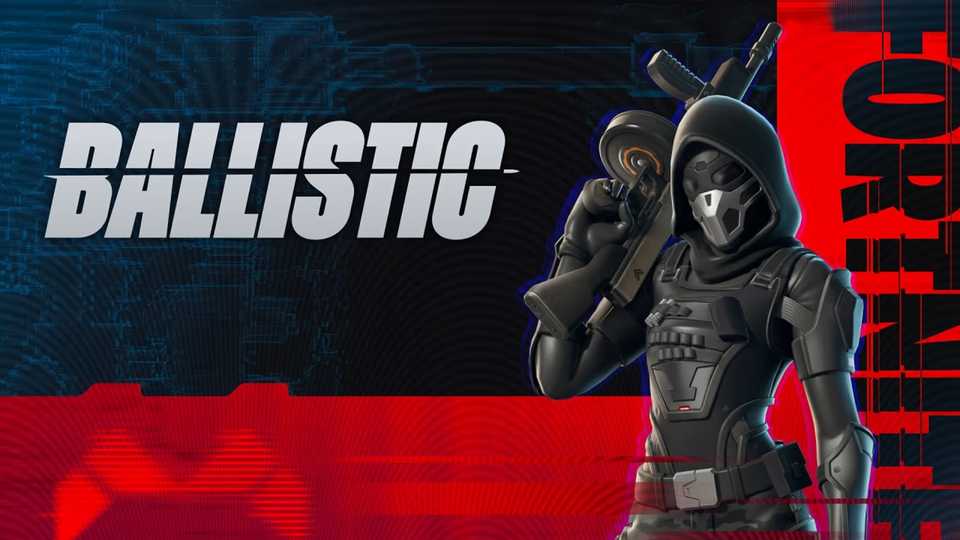
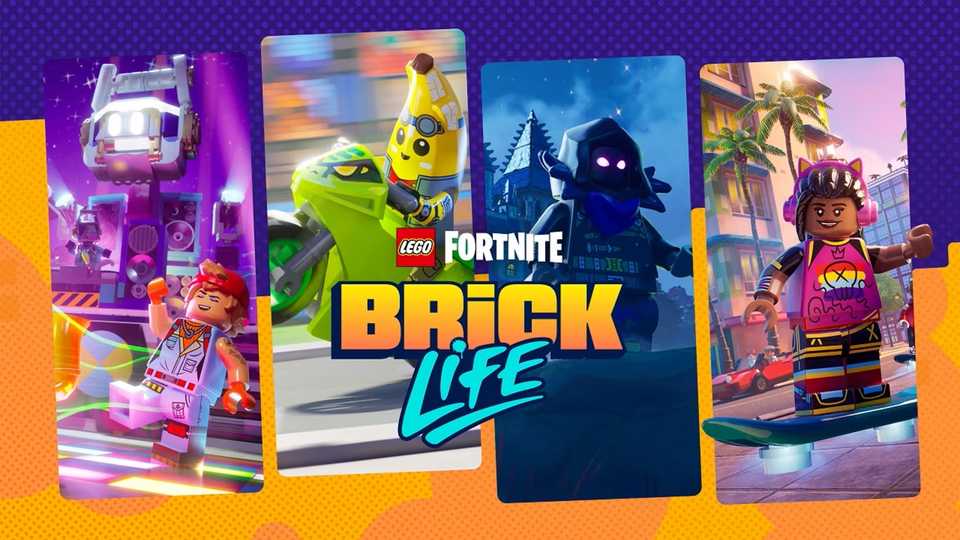


Fortnite is a versatile third-person game that offers battle royale modes, racing games, creative modes, and more. It's a great way to play with others in a party-style environment.
- Genre(s)
- Survival, Battle Royale, Shooter, Action, Adventure

Fortnite is breaking down a huge barrier for Snapdragon chips
Fortnite is just the start for broader game support on Snapdragon chips.
Mile markers in this long journey
The history of gaming is undoubtedly packed with other influential titles as well, but these ten are undeniable titans that reshaped the industry. Whether by setting new standards in storytelling or revolutionizing monetization, for better or worse, each of these games left an indelible mark. These are the titles that everyone and their dog know about, regardless of whether they played them or not. Love them or hate them, gaming wouldn’t be the same without these hugely influential, historic titles.