
We live in an era where video games take nearly a decade to develop and cost more to make than some Hollywood blockbusters. With so much money and so many jobs on the line, it’s no surprise that studios play it safe, sticking to tried-and-true formulas instead of taking risks. If it isn’t a surefire hit, it’s not worth making — at least, that’s the industry mindset.
But that’s exactly why we need the weird ones. The games that throw convention out the window. The games introduce mechanics nobody’s ever heard of, tell stories that feel like fever dreams, and blend genres in ways that shouldn’t work but somehow do. Without these games, the industry stagnates, creativity gets crushed, and we’re left with nothing but the same recycled ideas. The gaming world needs its Alan Wakes and Death Strandings — not just for the sake of variety, but for the future of the gaming medium itself.

7 worst gaming trends that deserve a fatality in 2025
There's plenty wrong with the gaming industry that needs to be left in the past, where it belongs.
4 Big studios should still take risks
Major players defying market trends is a rare but welcome sight
In today’s industry, where AAA publishers are terrified of putting out games that are financial failures, Alan Wake 2 stands as a rare anomaly. It took Remedy over a year and a half to turn a profit, but what they created was unlike anything else in gaming. It is a psychological horror game that pays homage to every form of storytelling — literature, film, painting, and even the act of writing itself. The biggest compliment I could give the game when I finished was that in my 23 years of gaming, I had never seen anything like it. And that’s saying something.
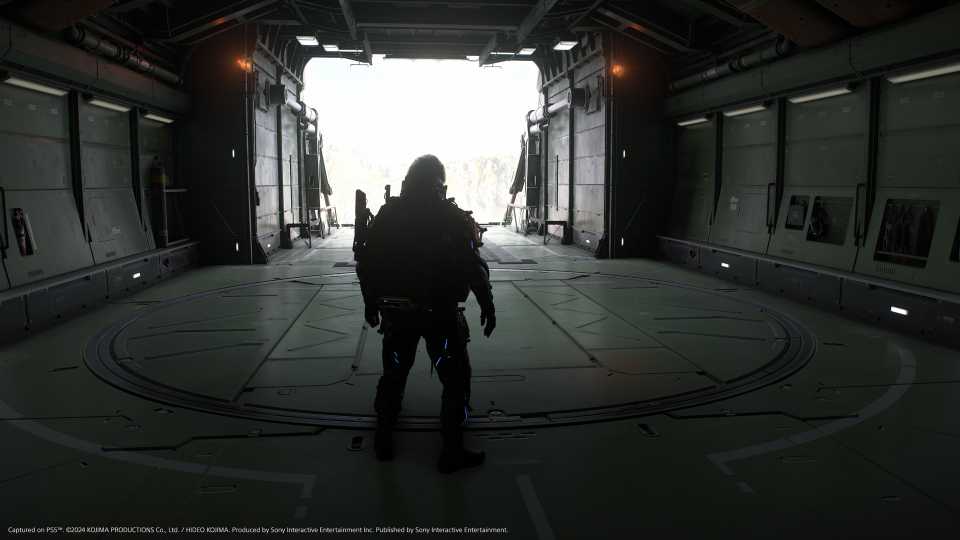
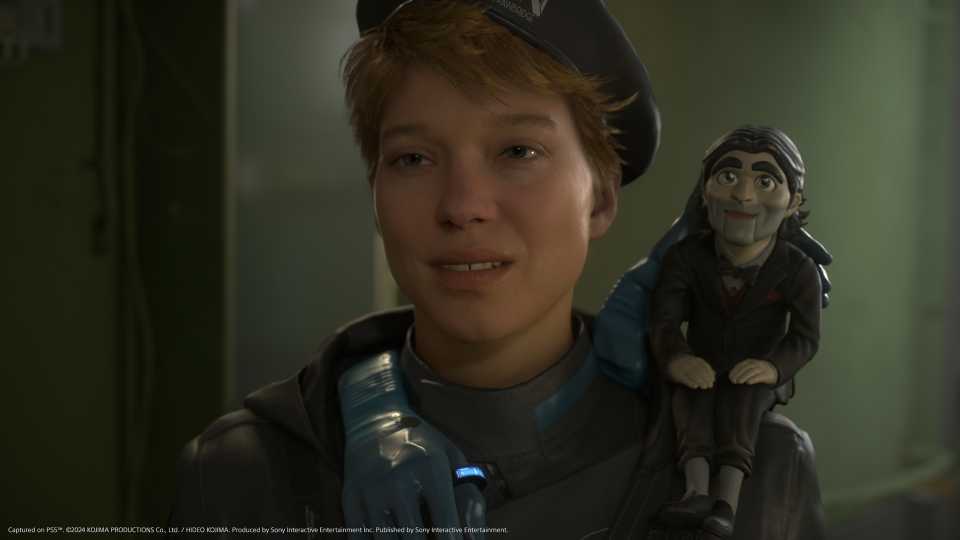
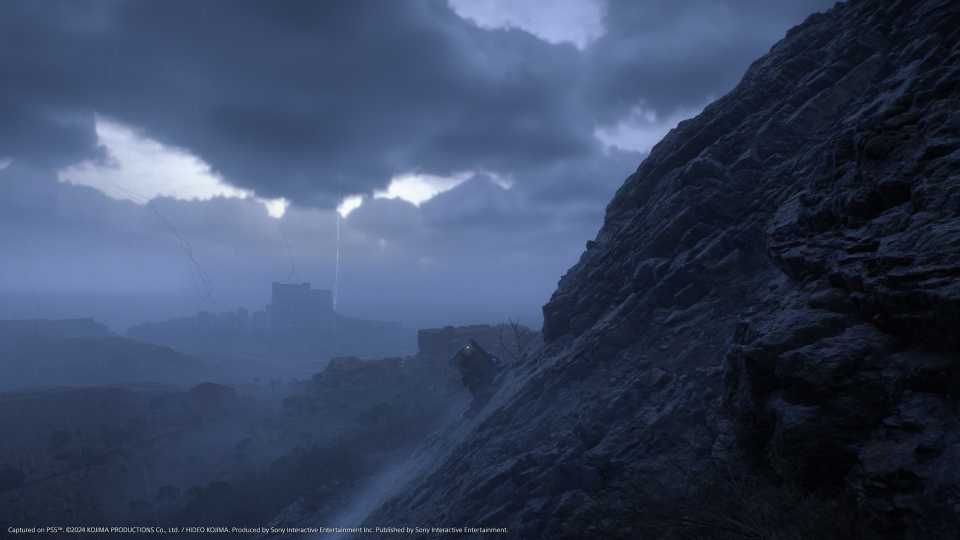
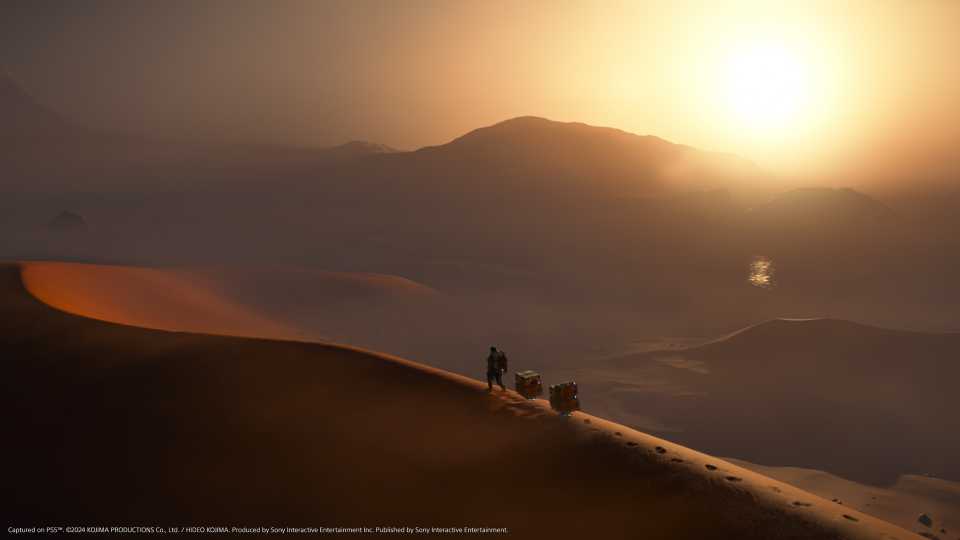
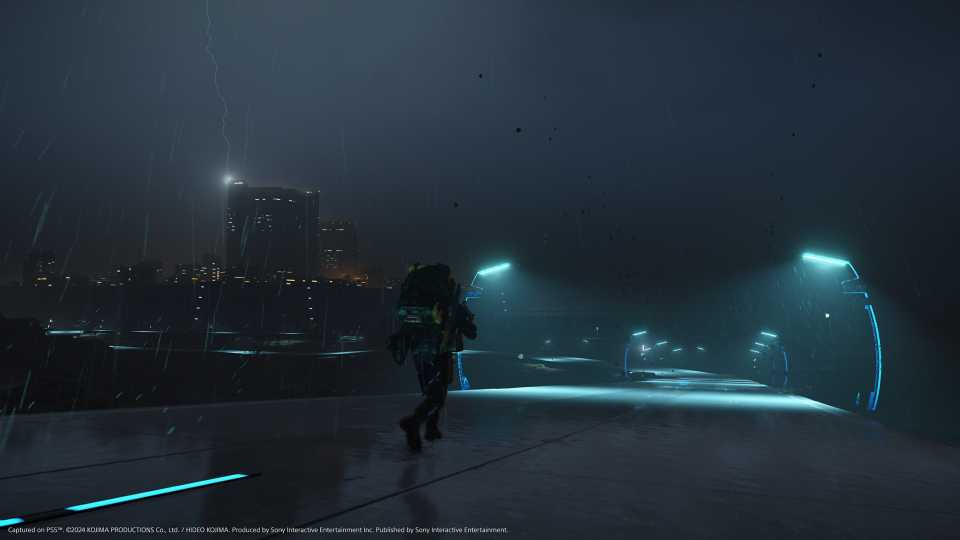
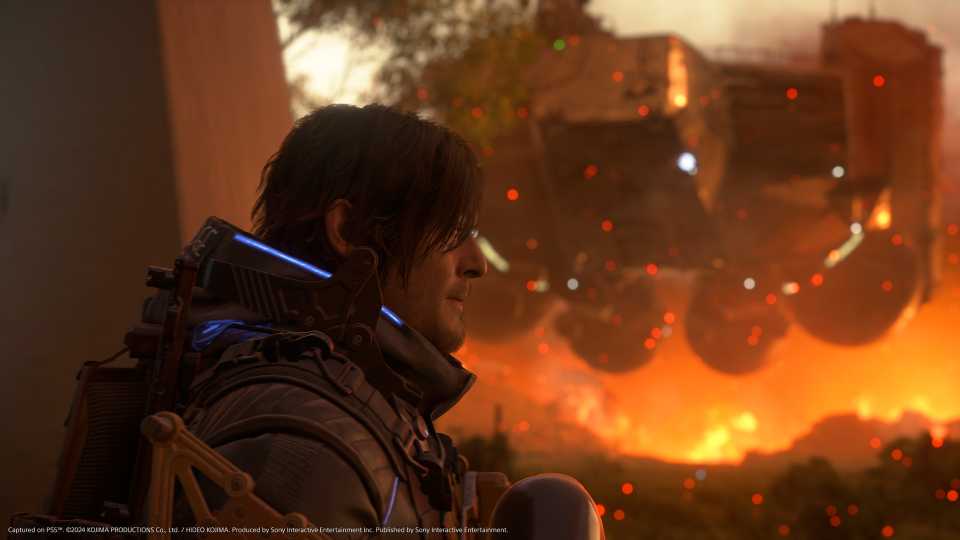
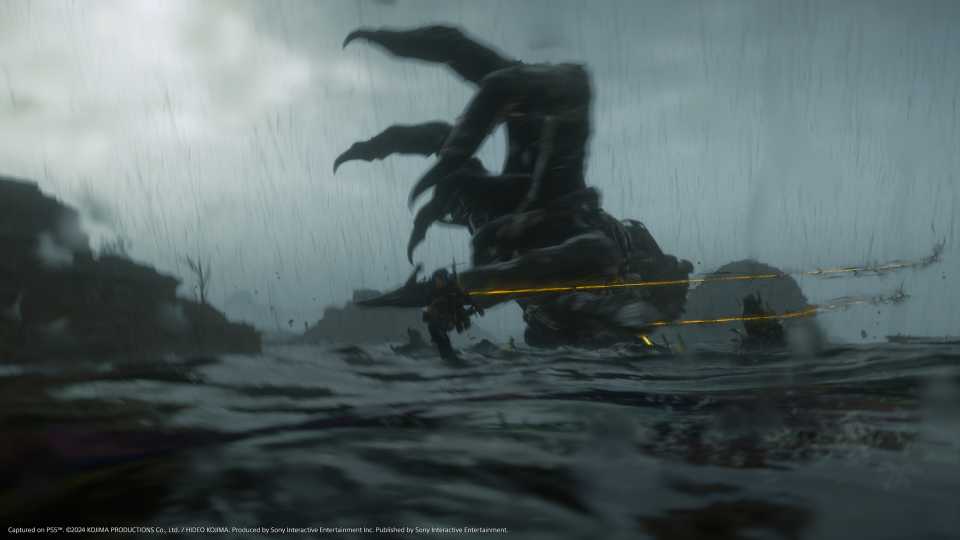
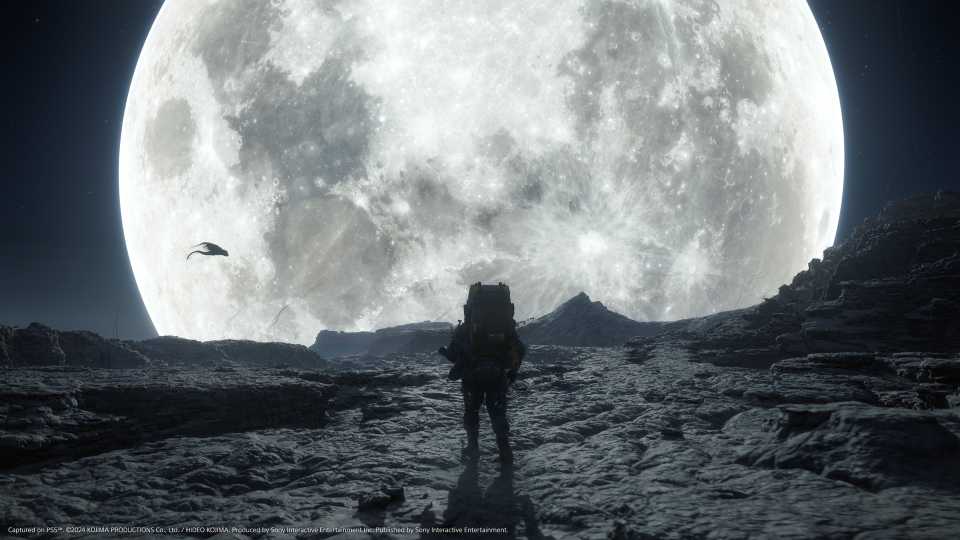
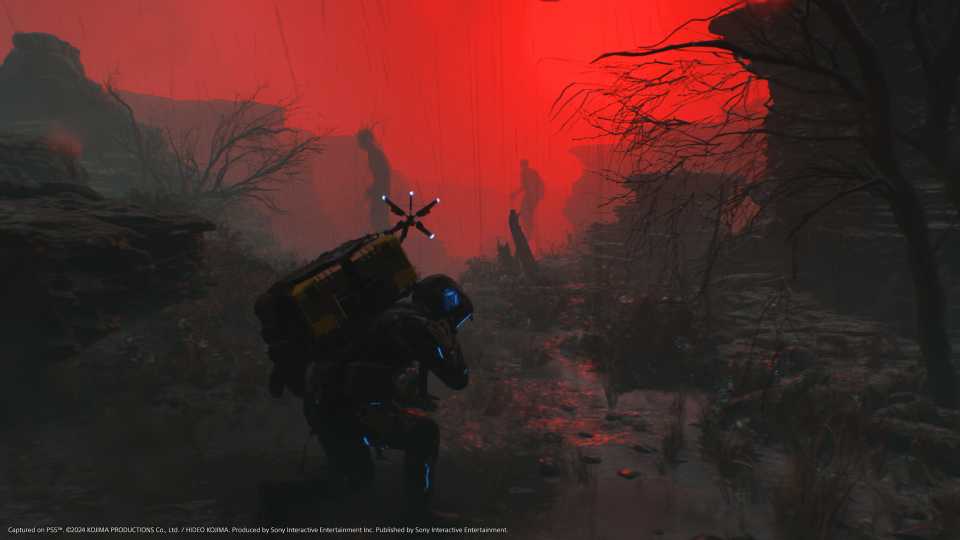
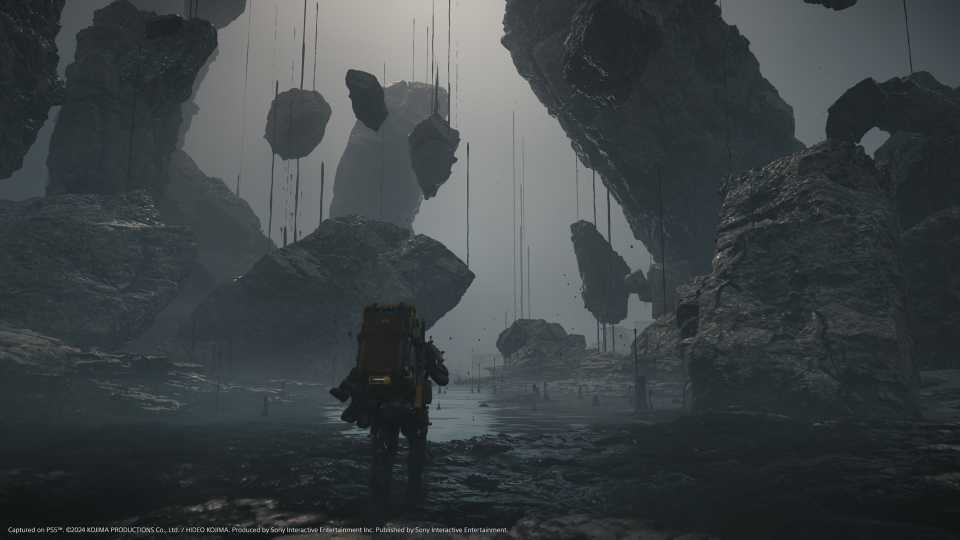
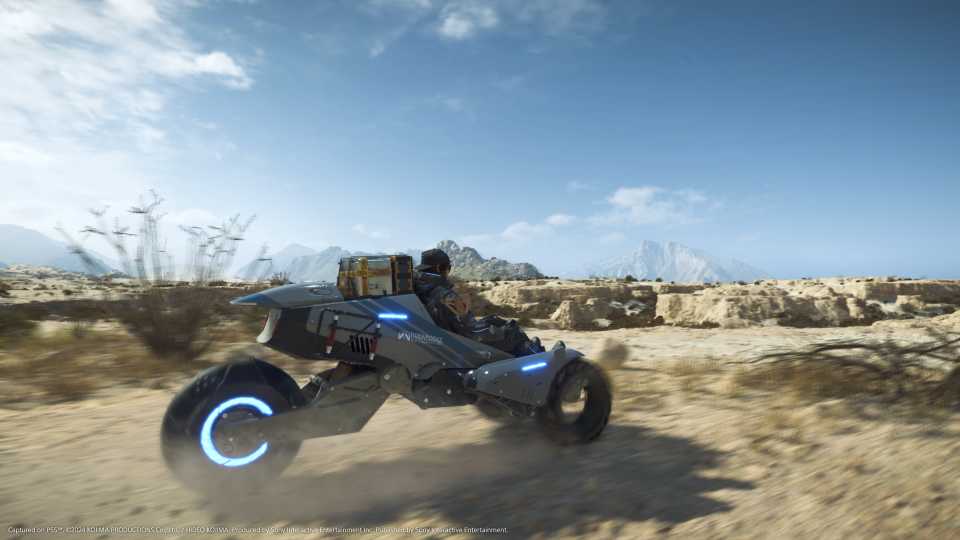
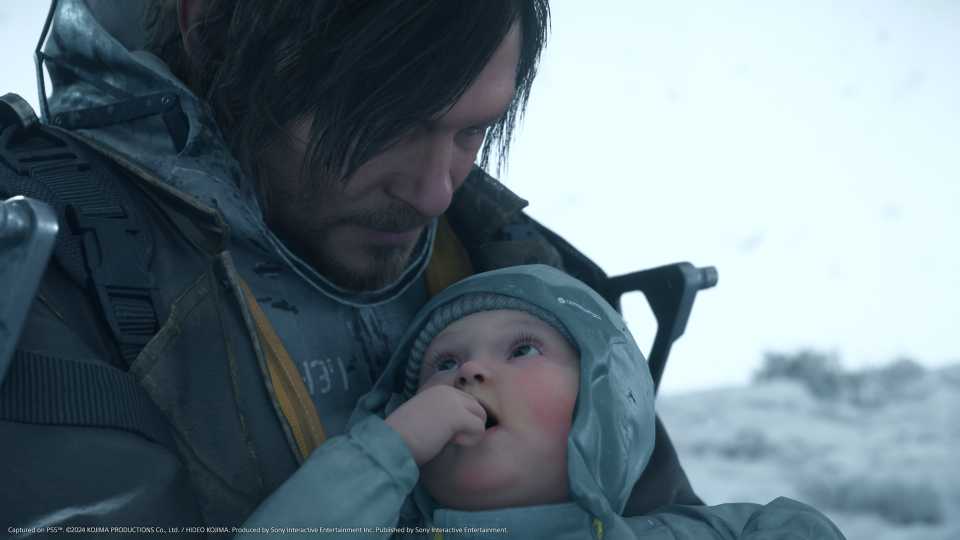
Then, there’s Death Stranding, which had no business existing at a time when publishers were busy churning out battle royales and live-service money pits. Kojima made the first-ever “strand-type” game, a phrase as strange as the game itself. It was polarizing, yes, but it was also a major release that introduced mechanics and ideas never before seen in gaming. These games prove that, even in a risk-averse industry, big studios can still take creative leaps — if they’re willing.
-
👁 Placeholder Image
OpenCritic Reviews - Top Critic Avg: 89/100 Critics Rec: 93%

- Released
- October 27, 2023
- ESRB
- M For Mature 17+ Due To Blood and Gore, Intense Violence, Nudity, Strong Language
- Developer(s)
- Remedy Entertainment
- Publisher(s)
- Epic Games
- Engine
- Northlight Engine
- Franchise
- Alan Wake



WHERE TO PLAY


- Genre(s)
- Survival Horror

8 games I'm most excited about in 2025
2025 looks absolutely stacked with stellar titles, but here are my personal favorites
3 New ideas lead to new genres
Sequels should evolve, not just exist
Throw a stone in any gaming library, and you’re bound to hit at least five or six games that are just another installment in a series that hasn't meaningfully evolved in years. It’s not that these games are bad — they refine their formulas, slap on a fresh coat of paint, and upgrade the graphics. But that’s the issue. So many modern sequels feel more like glorified updates than true next steps. And if you don’t hit a sequel? You’ll probably land on a remaster or remake, proving that innovation is becoming an afterthought. Sure, remasters and remakes are actually important as well, but how many times before we can’t remember the last time something new came along?
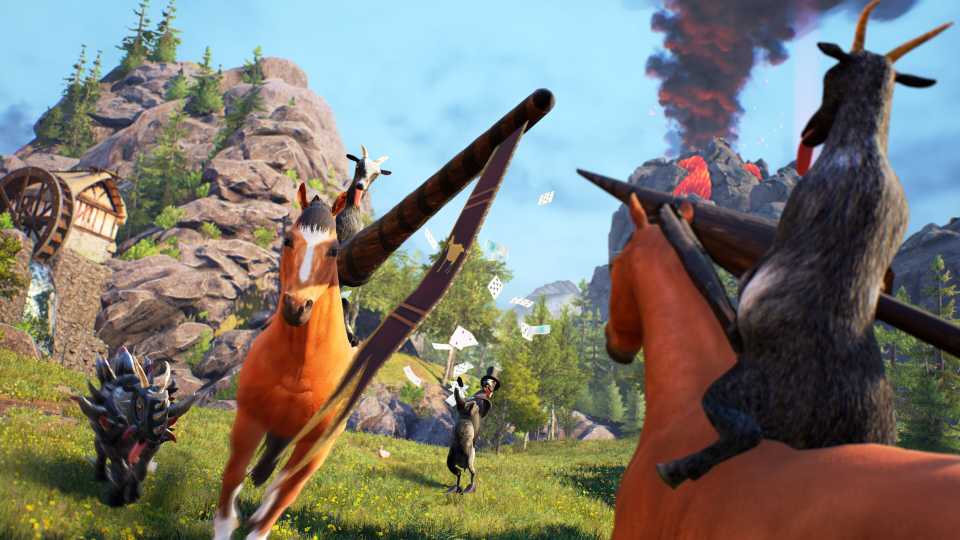
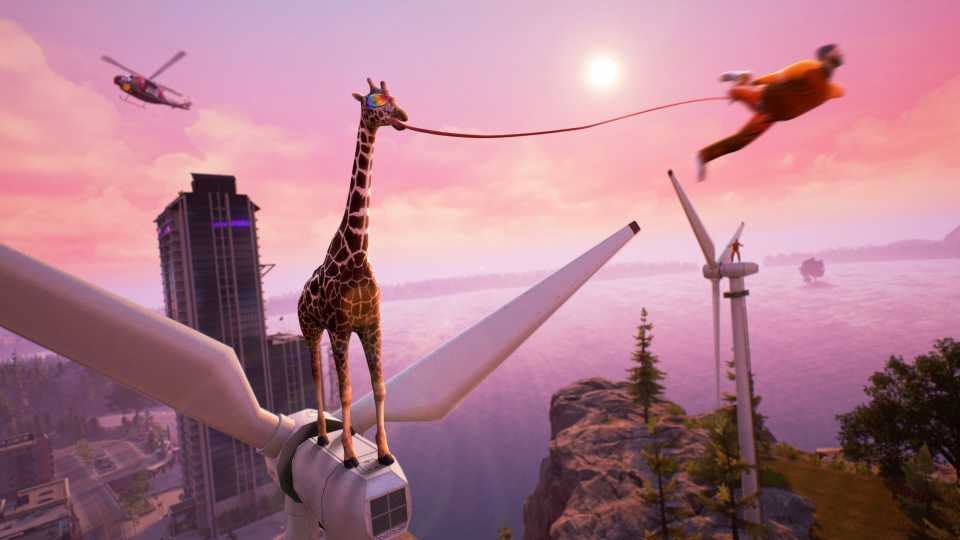
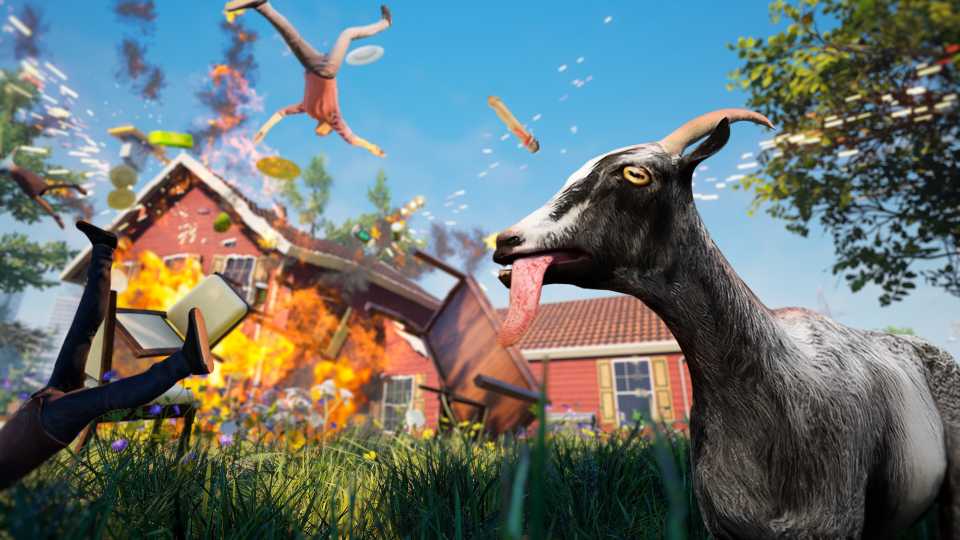
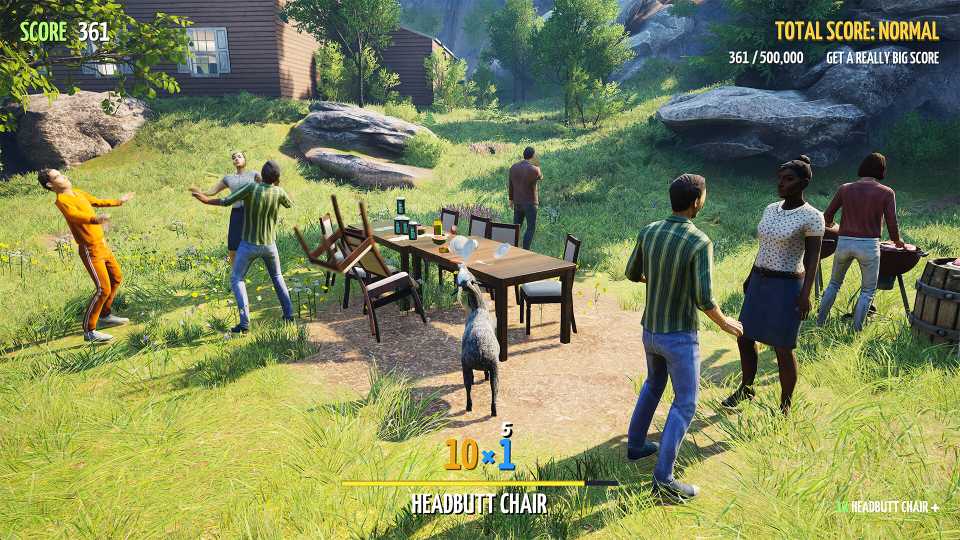
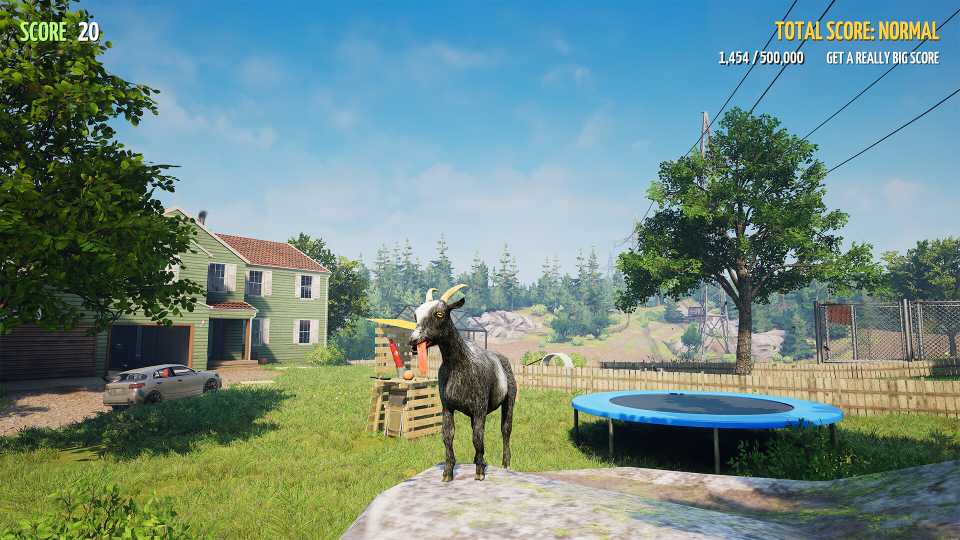
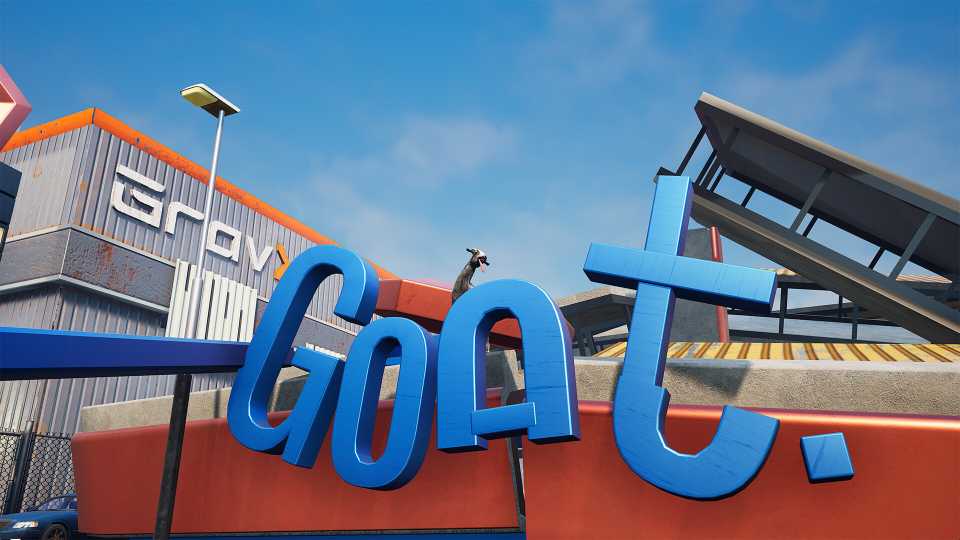
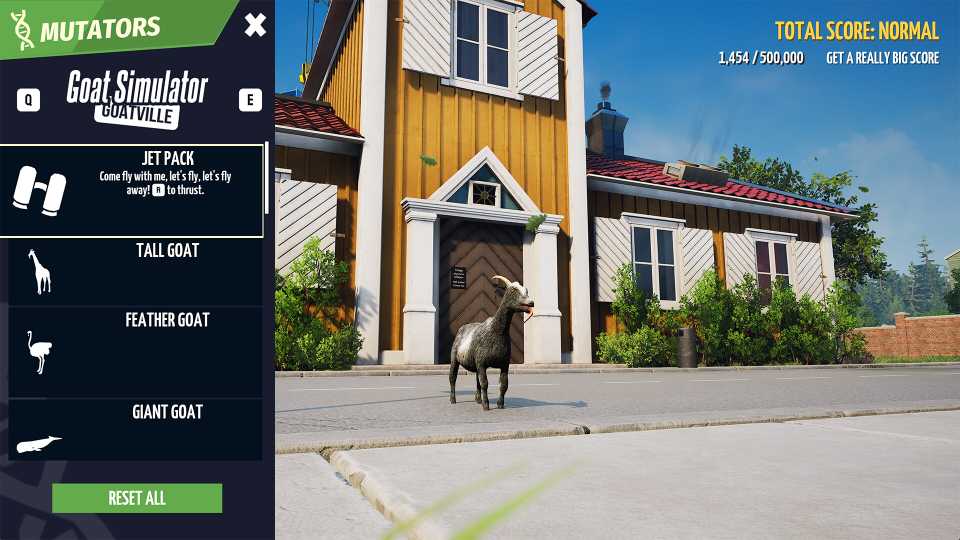
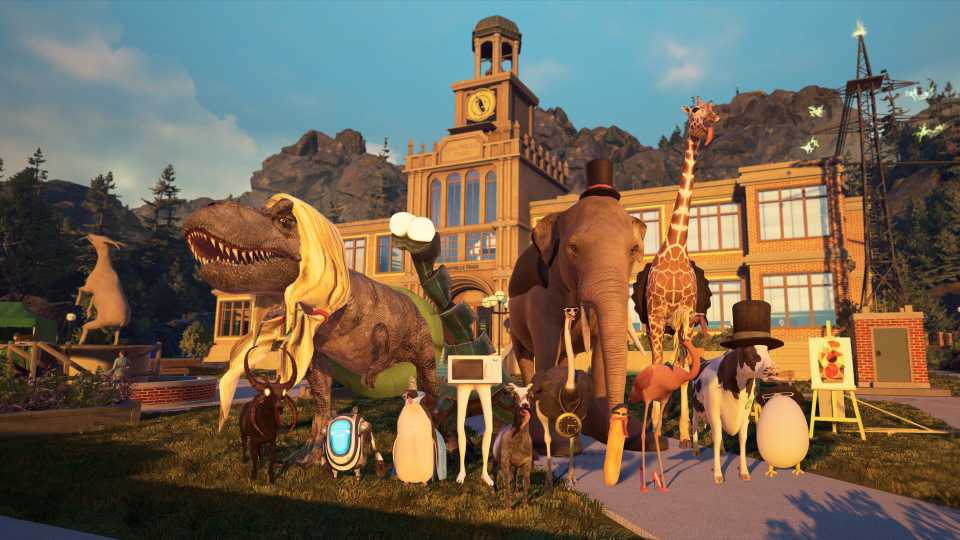
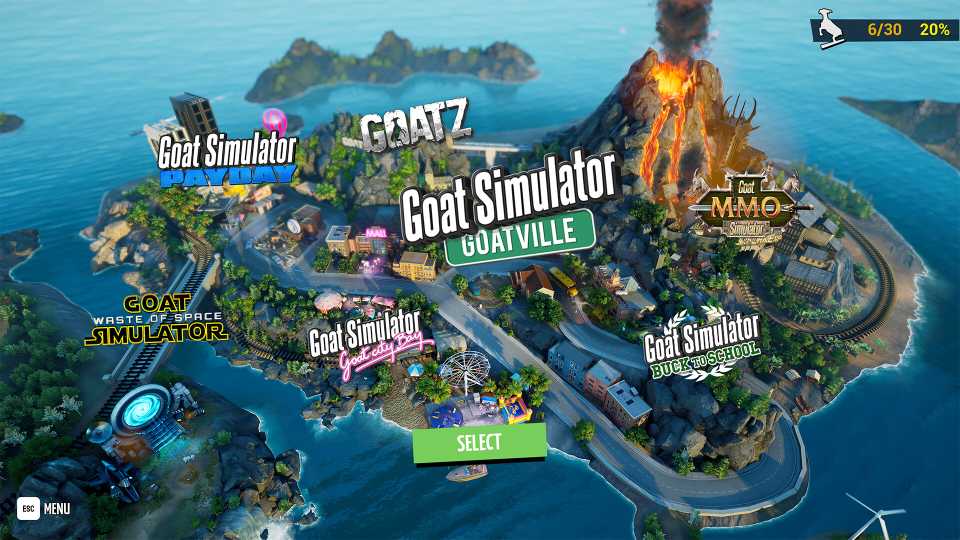
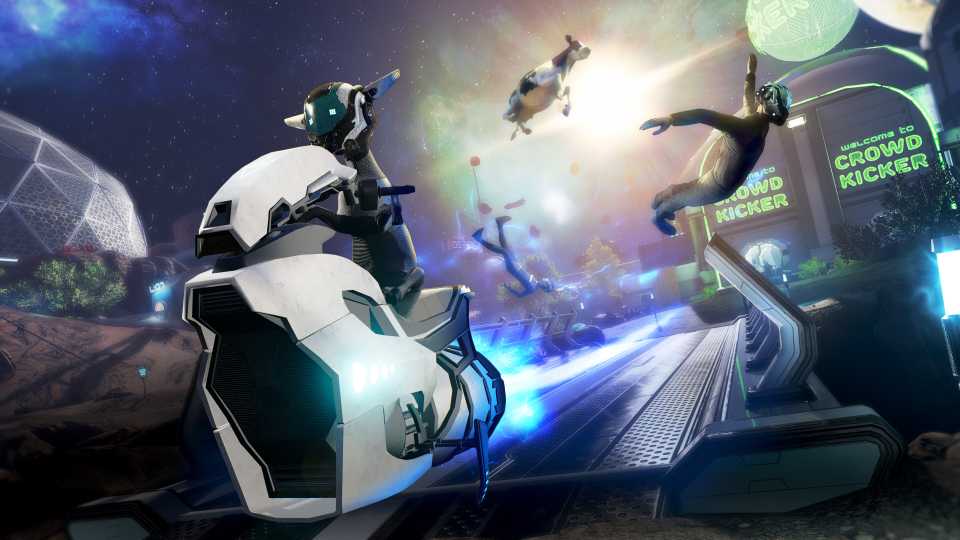
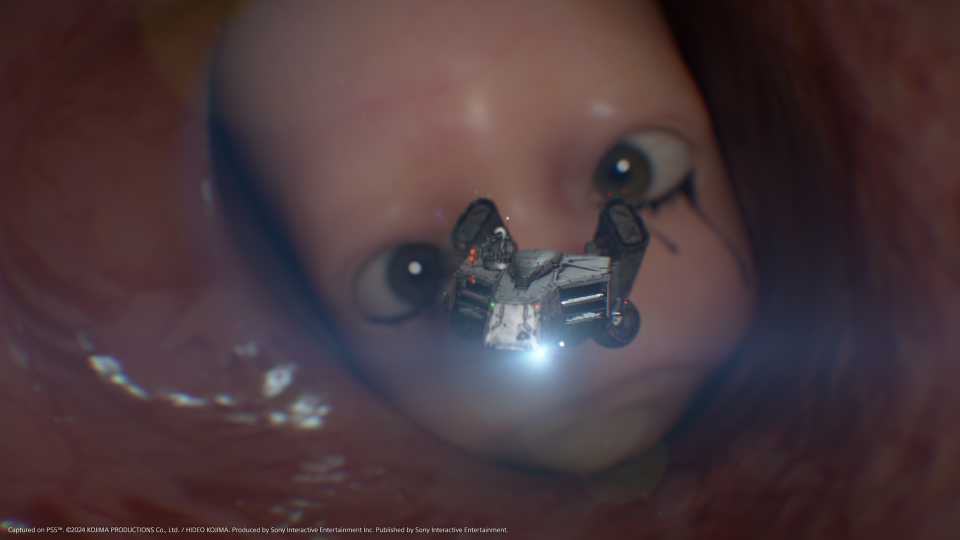
Weird games like Alan Wake 2 and Death Stranding don’t just shake things up — they create entirely new genres. Meanwhile, Alan Wake 2 redefined what a psychological horror narrative could be in gaming — it’s a game that’s also a book while also being a TV show. Death Stranding, on the other hand, was a $70 million post-apocalyptic delivery simulator. You’re fighting physics and your equilibrium more than you’re shooting bad guys, all while carrying a baby in a synthetic womb that helps you see ghosts. Think about Goat Simulator — this game came out over a decade ago and led to an entire genre of animal-sim games that are intentionally insane, all while spawning two sequels of its own. These kinds of risks are what push the industry forward. Without them, we’d just be playing the same games with shinier graphics and wondering why nothing feels new anymore.
-
👁 Placeholder Image
OpenCritic Reviews - Top Critic Avg: 60/100 Critics Rec: 17%
- Released
- November 7, 2024
- ESRB
- Teen // Violence
- Developer(s)
- Coffee Stain Studios
- Publisher(s)
- Coffee Stain Studios


WHERE TO PLAY

- Genre(s)
- Adventure, Simulation, Casual

These 10 indie games became massive hits against all odds
Against all odds, these indie games made it to the top of the charts while coming from humble beginnings.
2 Weird ideas can indeed be profitable
Big budgets aren’t just for safe bets
Let’s talk numbers — Alan Wake 2 had a budget of £70 million, and Death Stranding cost around $100 million to make. Neither game was an overnight commercial success, but both eventually turned a profit. More importantly, they proved that big, experimental projects can pay off if studios have the patience to see them through. Sony may have had mixed feelings about Death Stranding's initial sales, but guess what? It still greenlit a sequel, and it looks even more ambitious than the first. That alone speaks volumes. Am I happy that Sony just canceled a bunch of live-service projects and is also giving hefty budgets to their AAA exclusives? Of course, I am.
This is the signal the industry needs — weird and bold ideas do have a place in gaming, and they’re worth the investment. The issue isn’t that these games don’t work — it’s that most publishers won’t even let them work. Too many potentially groundbreaking projects are either shot down in the pitch room or given laughable budgets that set them up for failure. But Alan Wake 2 and Death Stranding? They prove that when you support unique ideas properly, they can succeed.
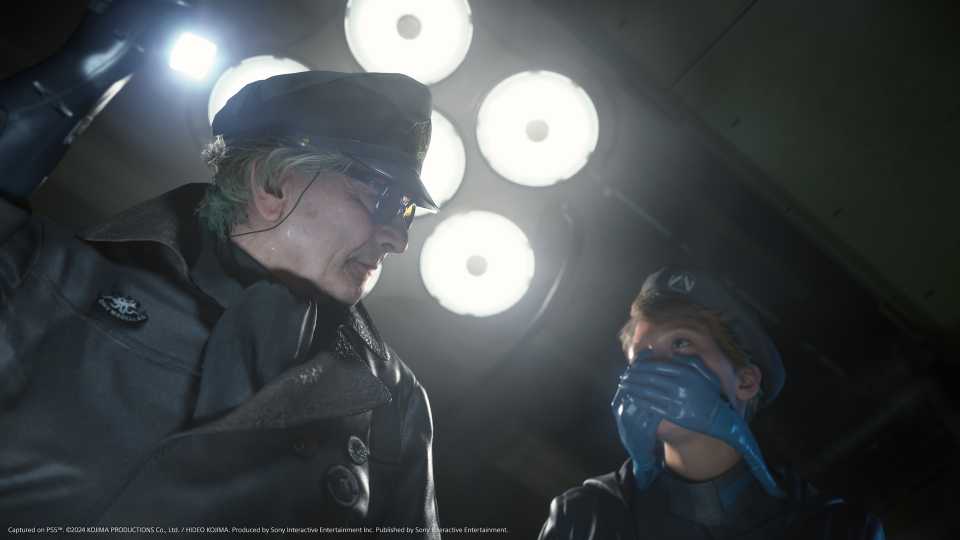
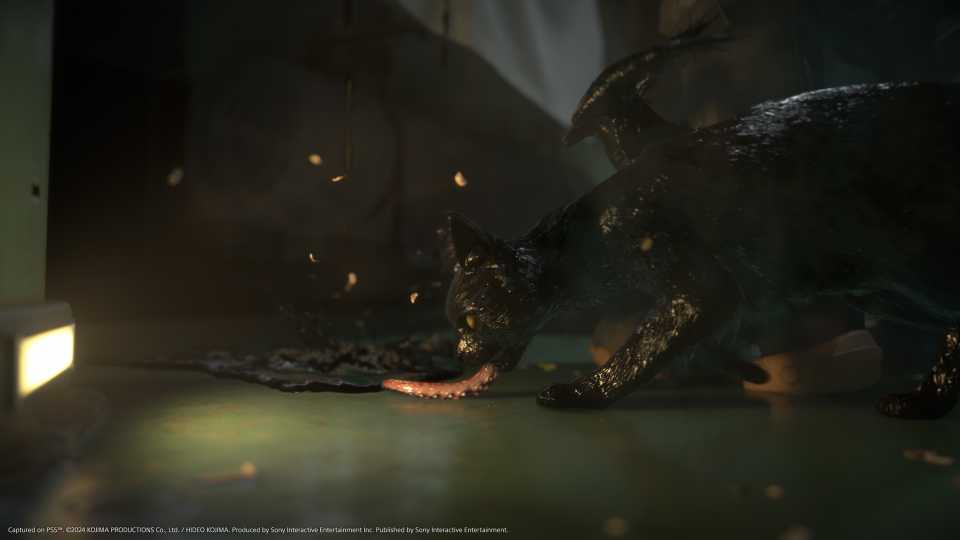
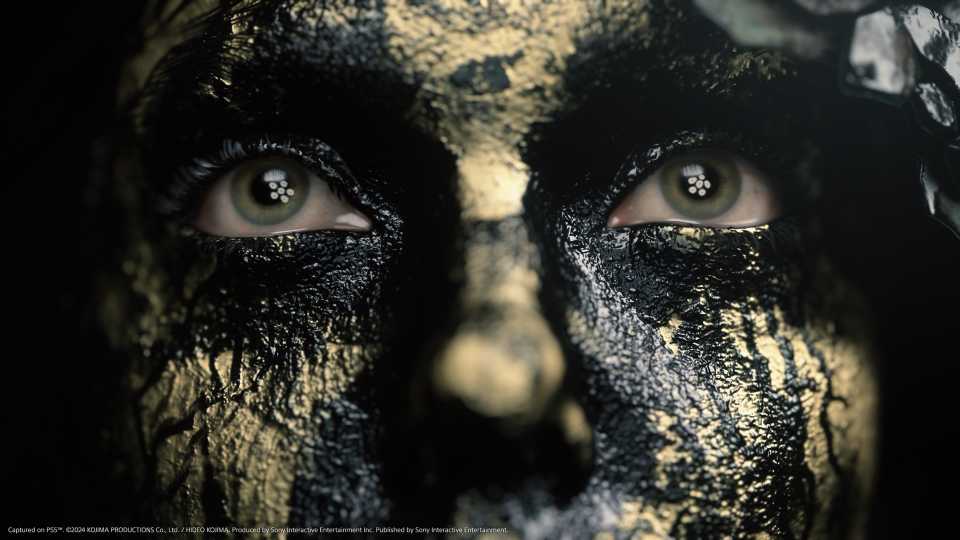
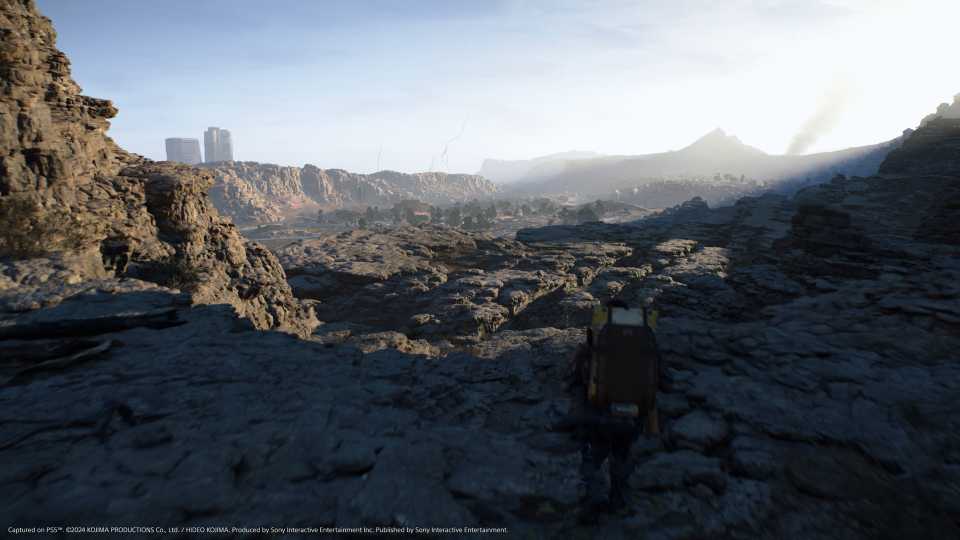
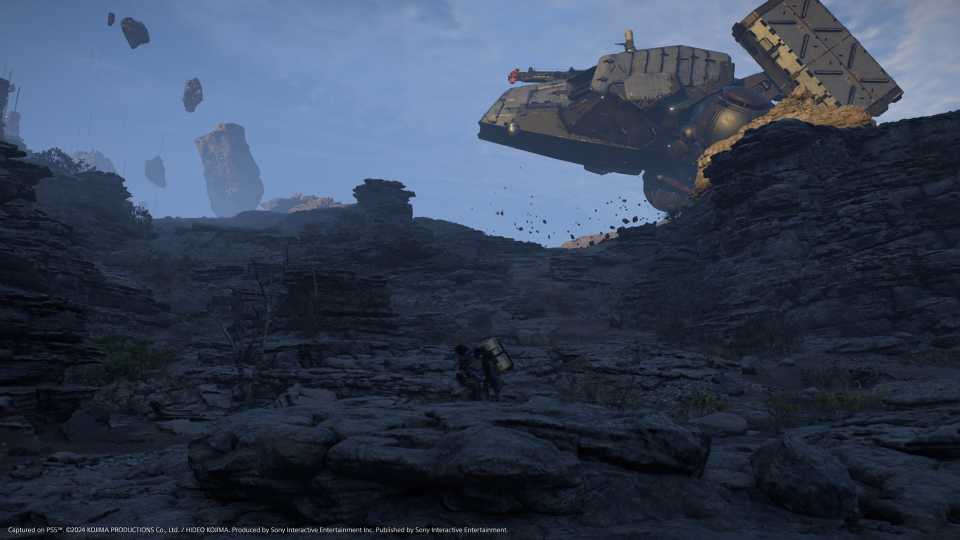
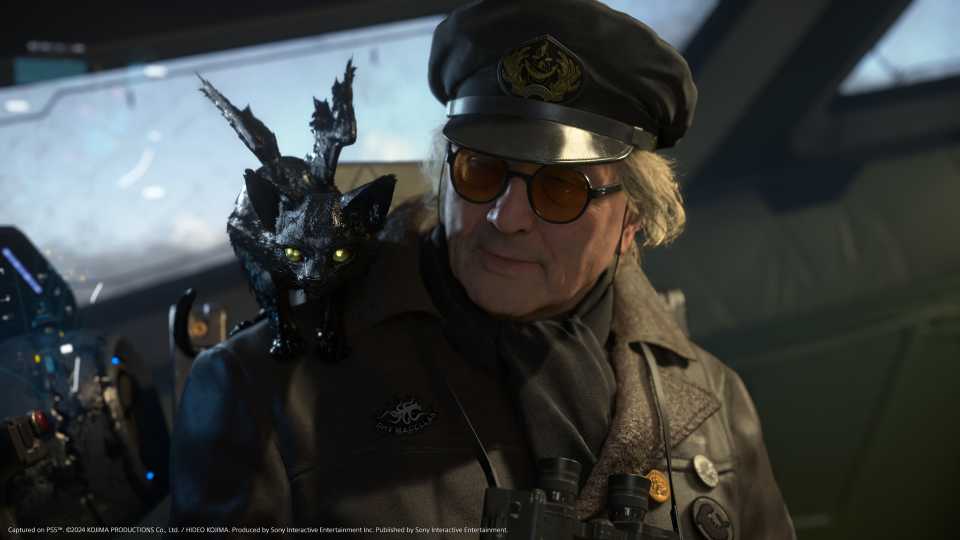
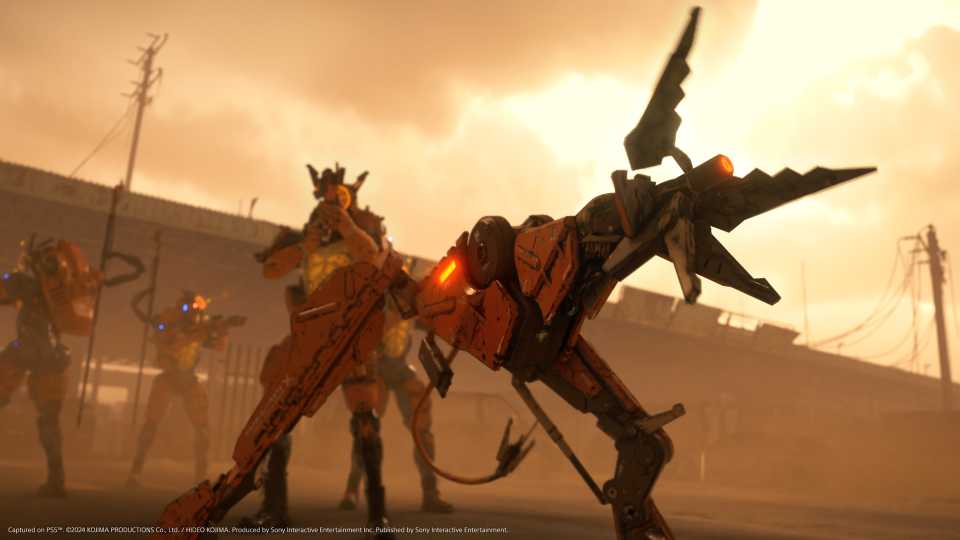
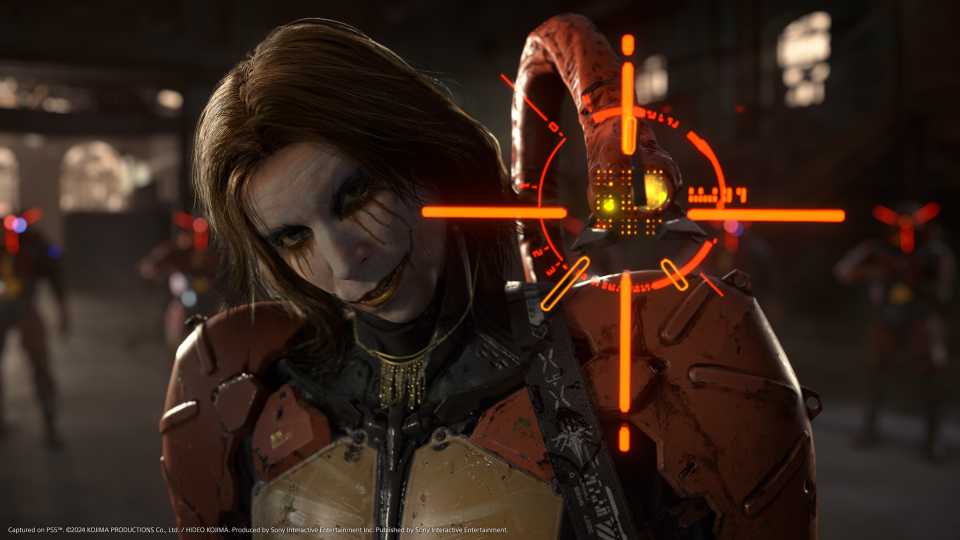
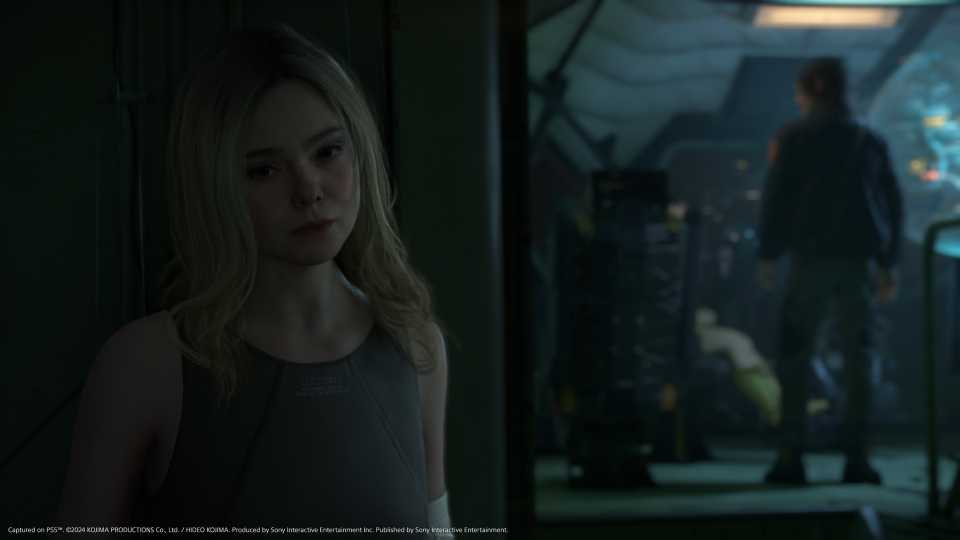
Death Stranding, Hideo Kojima's first major game after his departure from Konami, is set in the United States following a cataclysmic event which caused destructive creatures to begin roaming the Earth. The player controls Sam Porter Bridges (Norman Reedus), a courier tasked with delivering supplies to isolated colonies and reconnecting them via a wireless communications network.

4 games Rockstar could have made if it wasn't busy updating GTA Online
So much lost potential for one live service game.
1 AAA studios set trends for the rest of the industry
Weird games have always existed, but AAA ones
Weird games aren’t new — indie developers have been pushing boundaries for years. Getting Over It with Bennett Foddy turned frustration into an art form, Katamari Damacy literally made us roll up the whole world, and Octodad was… Octodad. These games are brilliant, but they exist in their own niche. When a major AAA studio takes a risk on a weird concept and succeeds, it shifts the industry.
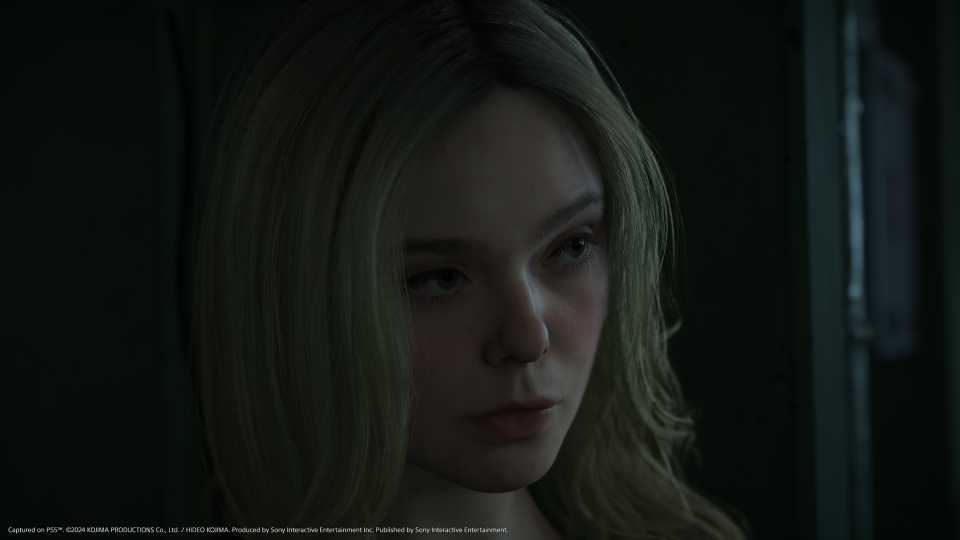
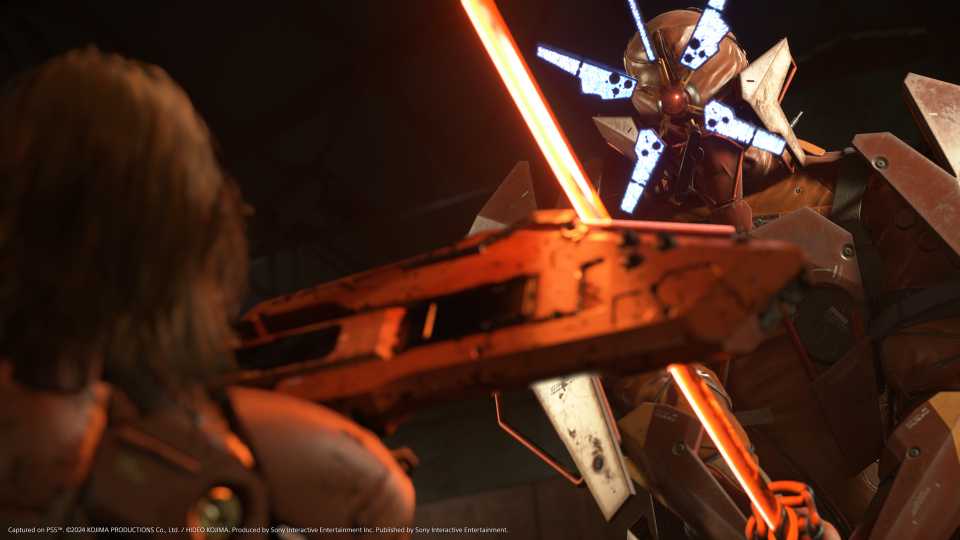
Alan Wake 2 and Death Stranding both took risks and are now getting sequels. That’s proof that weird ideas can succeed if given the right budget, time, and vision. If players embrace these games, it encourages studios to greenlight more unique projects rather than just another safe, market-tested sequel. Even if they’re not your usual cup of tea, supporting these games ensures the industry doesn’t drown in its own sameness.
-
👁 Placeholder Image
OpenCritic Reviews - Top Critic Avg: 90/100 Critics Rec: 95%
- Released
- June 26, 2025
- ESRB
- Mature 17+ / Blood and Gore, Partial Nudity, Strong Language, Violence
- Developer(s)
- Kojima Productions, Nixxes
- Publisher(s)
- Sony Interactive Entertainment, PlayStation Publishing, Kojima Productions


WHERE TO PLAY


- Genre(s)
- Action, Adventure, Science Fiction, Horror, Open-World

5 video game genres that slipped away while we were busy playing something else
Some video game genres once thrived but have faded from the mainstream. From fixed-camera horror to god games, here are five that disappeared.
Embracing the weird is what shapes the future
The gaming industry thrives on creativity, but it’s easy to fall into the trap of playing it safe. Alan Wake 2 and Death Stranding proved that even high-budget, major studio releases can break the mold and still succeed. Their existence and upcoming sequels show that weird, bold ideas deserve a place in gaming. Supporting games like these ensures that the industry doesn’t stagnate under endless remakes and formulaic sequels, among other trends that have gaming in a dangerous place. So, the next time a game dares to be different, let’s make sure we give it a shot — it might just redefine what gaming can be.