
As a long-time Windows user, the one thing I detest the most is performance booster apps. They are branded as a one-click, magical fix for all PC-related performance problems, but the reality is quite different. These tools, instead of identifying performance bottlenecks on your system, apply generic fixes that are often detrimental to the PC's stability, health, and lifespan. Since every computer is different, whether it's the hardware or software configuration, the same steps, as expected, don't work across systems.
Smart users, on the other hand, find out the actual bottlenecks and resolve those. Besides, Windows itself has improved significantly over the years, particularly when it comes to resource management. It can now assess usage patterns and schedule tasks outside of active hours to improve the system's performance. But if you still want to squeeze some extra performance out of your system, it's best to rely on smart, built-in Windows tweaks instead of using third-party tools.
Disable startup apps
Instantly improve your PC's boot time
If your Windows PC takes a while to completely power on, i.e., reach a usable state, it's likely that too many programs are loaded alongside the operating system at boot. These are called startup apps. By default, many programs are configured to load at startup, but you can change this behavior to boost your Windows PC's boot time.
To do that,
- Press Ctrl + Shift + Esc to open the Task Manager, and head to the Startup apps tab.
- Now, individually select apps that read Enabled under the Status column, and click on Disable.
- After disabling all non-critical startup apps, restart the PC, and check whether the boot time improves.
By non-critical apps, I mean processes that are not critical to the functioning of any hardware or peripheral. For instance, disabling the "Realtek HD Audio Universal Service" can affect the audio functionality. So, leave entries like these enabled, while primarily focusing on third-party apps.
Set up Storage Sense
Low storage directly affects the system's performance
Windows comes with a built-in feature that automatically detects and removes non-critical files periodically. It's called Storage Sense and was first introduced in Windows 10. Since the functionality is native to Windows, it minimizes the risk of deleting critical system files, something that third-party tools often do.
To set up Storage Sense,
- Press Windows + I to open Settings, navigate to System, then go to Storage, and click on Storage Sense.
- Enable the toggle under Automatic User content cleanup.
- Now, configure the cleanup schedule and other settings underneath, then click on Run Storage Sense now to free up space right away.
When the system drive (usually C:) is low on storage, key Windows functions like managing temporary files or virtual memory are affected, which, in turn, limits performance. So, clearing non-critical files using Storage Sense will help speed up your PC.

7 quick things I did that instantly sped up my Windows PC
It doesn't take a lot to speed up your PC
Assign a higher priority level to your favorite app
Helps when you are focused on a single, demanding app
If there are too many active processes hogging the system resources, you can prioritize the app you are working on, say a game or video editor, for improved responsiveness. When you assign a higher priority level to a process, Windows automatically favors it and allocates more resources, particularly the CPU.
To do that,
- Press Ctrl + Shift + Esc to open Task Manager and go to the Details tab.
- Right-click on a process, select Set priority, and choose High.
Remember, this tweak only works when the system has high CPU usage. If it's in the normal range, you won't notice any performance gains. Additionally, don't set every process to a high priority, especially system-related ones. This is counterproductive and can lead to stability issues on Windows.
Perform a repair upgrade
Fix deep system issues without reinstalling Windows
Did you know that broken or corrupted system files are your PC's worst enemy? They don't just trigger random errors but also affect the basic functioning of Windows, including its performance. While many recommend running DISM (Deployment Image Servicing and Management) and SFC (System File Checker) scans or even using a third-party tool to troubleshoot things, a repair upgrade is always the smart choice. The best part is that your personal files, apps, and settings remain unaffected during the process. Performance booster apps generally don't check for such problems, let alone fix them.
To perform a repair upgrade,
- Press Windows + I to open Settings, go to System, and then to Recovery.
- Click on Reinstall now next to Fix problems using Windows Update, and follow the on-screen instructions.
Keep in mind that system file corruption is completely normal. When multiple apps and processes rely on the same set of files and make changes to them, issues are bound to arise. I have had to fix system file corruption on several instances in the past, and most of the time, a repair (in-place) upgrade did the trick.
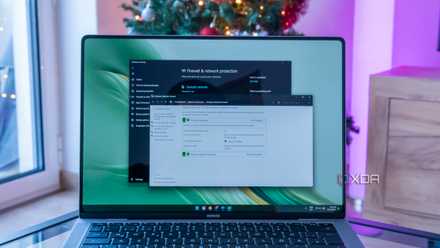
8 ways you are unknowingly ruining your Windows experience
Windows habits that are secretly killing PC performance
Check for overheating
Nothing beats this when it comes to performance
While not strictly a tweak, addressing overheating is by far the best solution for performance slowdowns, and it's something no software can fix. Signs of overheating include fans running at full speed and a noticeable rise in the system's surface temperature. These issues are usually more pronounced on laptops, where the components are packed closely together, often restricting airflow.
Simple solutions for overheating include cleaning the air vents, replacing the thermal paste at regular intervals, and elevating the laptop a few inches above the surface. Personally, I use a cooling pad for my laptop, and it's helped keep overheating in check for the last three years.
Don't fall for the hype; identify the problem first
A one-click, magical fix doesn't work for most systems, given that performance bottlenecks differ from one PC to another. So, make it a habit to use native Windows tools and solutions to identify the underlying cause, whether it's too many startup apps, low storage, misallocated resources, corrupted system files, or overheating, and address it directly, instead of masking the symptoms by trying to squeeze extra performance out of the other components.