
Why do I need a laptop? And when I'm looking to buy one, what do I look for? These are examples of some of the key questions that every potential buyer works through, and the number of them effectively doubles in the premium segment, where the purchase demands justification not just for what a device does, but for what it does better than everything else at the price.
The question that seldom factors into that decision, however, is which AI model the device happens to be running. This is the distinction that matters for the new Googlebook, because Gemini is what Google is leading with. It's an ambitious pitch, and similar to one that Google has made before. The Pixelbook proved that Google can build a compelling premium laptop, but it also established that the market didn't want what it offered.
What's on offer with the new Googlebook series?
Google's Android ecosystem ambitions are palpable
Googlebooks are positioned as a premium laptop lineup built around Gemini, powered by an Android-based OS codenamed "Aluminium OS". The platform is merging Android's app ecosystem with ChromeOS's browser architecture, complete with a redesigned taskbar, virtual desktops, and Gemini embedded at the system level.
Google's product page states that the new laptop lineup is built with "Gemini's helpfulness at the core", powered by "premium hardware" and designed to "work seamlessly with Android phones." The last bit here is quite telling, as it signals Google's ambition to use the devices as an ecosystem entry point, and it is fully intending to use Gemini as the catalyst for it. So far, all signs point to the fact that Google wants Gemini to be the centerpiece while building out an Android ecosystem, much like Apple's walled garden.
The feature set further reflects this vision, as broader integrations with Google Workspace are expected. Custom widgets pull from Gmail, Google Calendar and Google Drive, while Quick Access acts as a bridge between mobile and laptop devices.
On the hardware side, not much is known besides the confirmation of Intel, Qualcomm, and MediaTek as chip partners, and OEM manufacturers such as Acer, ASUS, Dell, HP and Lenovo leading the first wave of devices.
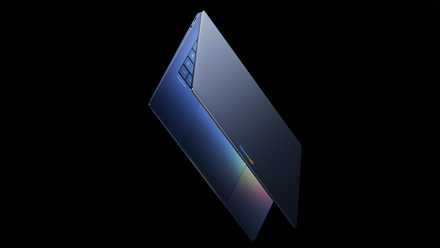
Google says it's “rethinking laptops again” with its new Android-powered Googlebook
The successor to the Chromebook and Chrome OS has finally been officially revealed
Google has been here before
So, what went wrong?
I am, of course, talking about the Pixelbook when I say that Google has been in this segment before. The reason as to why it didn't perform as well as expected in the market takes one back to the fundamental query that goes into a laptop purchase. Why does a buyer, particularly one eyeing the premium segment, want a laptop?
The answer to this is broadly consistent and one that resonates with most. Most consumers want a device that seamlessly complements their workflow, runs the software they depend on, and does so without introducing friction. The Pixelbook, for all its excellent hardware, never quite cleared the bar. ChromeOS was a browser-based OS being asked to justify flagship pricing, and the software gap was severe enough to deter serious professionals.
Googlebook hasn't resolved the problem so much as rebranded it. Aluminium OS is a platform that has never been tested, reviewed, or used before, and asking premium buyers to pay flagship prices for an unproven platform is the kind of bet that the Pixelbook has already lost once. If you tune into the discussions on Reddit and other user forums at the moment, you'll notice that the discourse is already moving towards whether Googlebook hardware can be repurposed to run Linux distributions instead. The premium segment is one that witnesses a lot of caution in the way dollars are spent towards a machine, and justification is warranted at every step of the way before a purchase is made. Sure, the Googlebook does have some clear differentiators, but they have their own unique set of problems that need addressing, too.
Googlebook does have a differentiator this time
But will it matter to the consumers?
A part of how a potential buyer evaluates a product in the premium category is what it offers with respect to the competitors in that segment, and in 2026, that means squaring up against Apple, for its stronghold on consumer laptops, and Microsoft, as the most popular desktop ecosystem.
Google does have something that's rather distinctive to offer here that Apple doesn't, which is a deeply workspace-integrated AI assistant that sits across Gmail, Calendar, Drive, Docs and even Maps. As Gemini is already embedded in the tools millions of professionals use daily, the approach does have its merits. The premise of Googlebook is that this integration, brought to the laptop level, creates a level of cohesion that both Apple and Microsoft have failed to replicate. Apple's ecosystem is closed and polished, but Siri and Apple Intelligence have never been a credible productivity layer.
Score laptop deals and discounts on work setups
Microsoft's Copilot was one of the most direct attempts to make AI the centerpiece of a computing platform, but the market responded with a level of indifference that was nearly impossible to ignore. Copilot+ systems made up just 2.3% of Windows machines sold in the first quarter of 2025, and after this spectacular failure, Microsoft chose to cut sales targets for its agentic AI software by as much as 50%.
Now, whether or not Google is similarly overestimating the appetite for AI tools amongst consumers will be the decisive factor in how well Googlebooks are received, but thus far, there doesn't seem to be credible evidence backing this gamble.
The premium segment is not the space to experiment, but Google wants to do it anyway
If I were to characterize the premium laptop segment, I would do so by stating that it is a place that rewards certainty, especially when it comes to software, support, and long-term commitment. Right now, Google is asking the consumer to make a bet that's as risky as their own entry to the market space by trusting an unproven platform from a company with a well-documented history of abandoning products all at a price point that does not forgive those uncertainties. That's a difficult ask, even without a price tag.