
YouTube Premium looks like an easy subscription to mock on paper. The platform is still technically free, so the first instinct is to compare Premium to ad blockers or whatever workaround people swear by this week. But that framing kind of misses the point.
YouTube Premium bundles a handful of small conveniences into a platform that you probably already use. There's also a criticism hanging over the whole thing: some people seem to think that Premium is just about paying to undo a worse free experience, which is fair and hard to argue with, but for me, paying for YouTube Premium is easily worth it.
It upgrades the platform you probably use the most.
You're not just upgrading another streaming library
Most streaming services live and die through their catalogs. Netflix, Disney+, and others constantly shuffle shows and movies in and out, hoping something new will keep you subscribed for another month. Their value largely depends on whether the current lineup matches your taste.
YouTube works differently. It's less like a catalog and more like a constantly updating stream of content. On the same platform, you can watch entertainment, listen to music, follow podcasts, learn how to fix something, or dive into a niche hobby. New videos appear every minute, which makes the platform feel effectively endless.
That changes the value calculation for Premium. Instead of paying for another streaming app, you are upgrading the platform that many people already use the most. Netflix gives you a video library. Spotify gives you music. YouTube Premium gives you all of this at once. That doesn't automatically make it cheap, but it does make it easier to justify than a subscription that only solves one need.

5 open-source apps that are so good their premium versions are worth paying for
Not paywalled, just worth paying for.
Ad-free YouTube matters more on TVs and phones than people admit
Ad blockers work on laptops, but your TV and phone are a different story
The ad-free pitch sounds almost trivial if you're thinking about YouTube in a desktop browser. Plenty of people run ad blockers on desktop and call it a day, but that's not how most people actually watch YouTube anymore. It's the phone in your pocket, the tablet on the couch, or the smart TV in the living room.
That's where Premium starts to make a little more sense. Blocking ads on a laptop is easy. Doing the same thing on a TV or a shared household device is usually not. Ad blockers work great on a PC, but they don't solve much once you move to the YouTube app or a living room setup. In those situations, convenience tends to beat out clever workarounds. And you'll notice a major difference once you're jamming some background music while you're cleaning, and an ad pops up in the middle of your high note.
I want to address one thing, though. There's also a legitimate complaint in the background of this whole debate. A lot of folks say the real issue isn't that Premium is amazing. It's that free YouTube has gotten more irritating over time. From that perspective, Premium feels like you're paying to get the old experience back, and it's very hard for me to argue against that.
Background play and downloads turn YouTube into a better mobile service
It's nice when videos keep playing in your pocket
A lot of YouTube Premium's value becomes apparent once you stop thinking of YouTube as something you only sit down to watch. Background play and downloads turn it into something closer to a utility on your phone. Videos don't stop the moment you leave the app or lock the screen. They keep going.
I use background play almost every day. Once I switched to YouTube Premium, it suddenly started feeling like a podcast or music app. I love listening to heavy metal playlists while I'm working out and long interviews when I'm taking the train or on an otherwise long commute. This was the feature that made me initially convert to YouTube Premium.
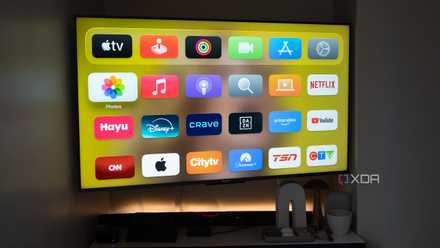
Streaming used to feel like freedom, now it's just cable again
Over the past few years, the value streaming apps once offered has rapidly disappeared.
I also travel a lot, almost always internationally, since I live on an island, and that means long flights with no internet. Who wants to pay $30 for 10 hours of internet? So if there's an interview I want to listen to, I can download it to my device and access that content offline for up to 30 days. With this in mind, if I know I have a long flight coming up, I'll download a few videos and catch up on everything while I'm 35,000 feet in the air.
YouTube Music makes the bundle harder to dismiss
You sign up for ad-free video and accidentally get a music service, too
One detail that often gets lost in the YouTube Premium debate is that it also includes YouTube Music. Some folks I know signed up to get rid of ads on videos and forgot that the subscription comes with a full music service.
YouTube Music Premium includes access to more than 100 million songs, ad-free listening, and the amazing offline downloads and background playback features I mentioned earlier. For me, it doesn't make sense to pay for a music subscription somewhere else.
This argument won't convince everyone. Plenty of people prefer Spotify or Apple Music and have no interest in switching. That's fine. But from a value standpoint, bundling music into the same subscription is one of YouTube Premium's stronger selling points, especially for people who already spend a lot of time on YouTube.
The steaming subscription you forget you're paying for
YouTube Premium isn't a very flashy streaming service, which is probably why people underestimate it. It doesn't rely on exclusive shows or a rotating catalog to justify the price. It just improves a platform most people already use every day.
The value in the subscription shows up in small ways that add together — no constant interruptions. You can use it offline. It gives you a full music service. None of these features feels revolutionary, but they have changed how I personally use the service.

I replaced Chrome with Firefox — here’s what surprised me
Firefox is still in the game due to its customization features, PDF editing support, a stronger approach to privacy,