|
VOOZH | about |
|
VOOZH | about |
The CSS padding shorthand property is used to create space within an element. It defines the content portion of the box model.
The padding property can be specified using lengths, percentages, and keywords such as auto. It can also accept negative values.
See the Pen
CSS Padding Example by Solomon Eseme (@kaperskyguru)
on CodePen.
div {
 padding: <length> | <percentage> | auto
}
The CSS padding shorthand property is used to define up to four values for padding-top, padding-right, padding-left, and padding-bottom.
div {
 padding: 2px 3px 4px 5px;
}
The equivalent padding can be defined as below:
div {
 padding-top: 2px;
 padding-right: 3px;
 padding-left: 5px;
 padding-bottom: 4px;
}
The padding property can accept one to four values.
When one value is supplied to the CSS padding shorthand property, it applies the same padding value to all four sides.
div {
 padding: 5px;
}
 // SAME AS
div {
 padding-top: 5px;
 padding-right: 5px;
 padding-left: 5px;
 padding-bottom: 5px;
}
When two values are specified to the padding property, the first value is applied to the top and bottom padding, while the second is applied to the left and right.
div {
 padding: 5px 3px;
}
 // SAME AS
div {
 padding-top: 5px;
 padding-right: 3px;
 padding-left: 3px;
 padding-bottom: 5px;
}
When three values are supplied, the first value is applied to the top padding; the second value is applied to the left and right padding; and the third value is applied to the bottom padding.
div {
 padding: 5px 3px 1px;
}
 // SAME AS
div {
 padding-top: 5px;
 padding-right: 3px;
 padding-left: 3px;
 padding-bottom: 1px;
}
When four values are supplied, the values are applied in clockwise order. In other words: the first value is applied to the top padding; the second value is applied to the right padding; the third value is applied to the bottom; and the fourth the value is applied to the left padding.
div {
 padding: 5px 3px 1px 6px;
}
 // SAME AS
div {
 padding-top: 5px;
 padding-right: 3px;
 padding-left: 6px;
 padding-bottom: 1px;
}
With the use of the auto keyword, it is very easy to center elements in the container using the padding property.
div {
 padding: 2em auto; /* top and bottom: 2em padding */
 /* Box is horizontally centered */
}

div {
 padding: auto; /* top and bottom: 0 padding */
 /* Box is horizontally centered */
}
When negative values are supplied to the padding, they pull the element in a particular direction rather than push it.
For example, the snippet below will pull the element towards the top by 5px, towards the right by 3px, towards the left by 6px, and towards the bottom by 1px.
div {
 padding: -5px -3px -1px -6px;
}
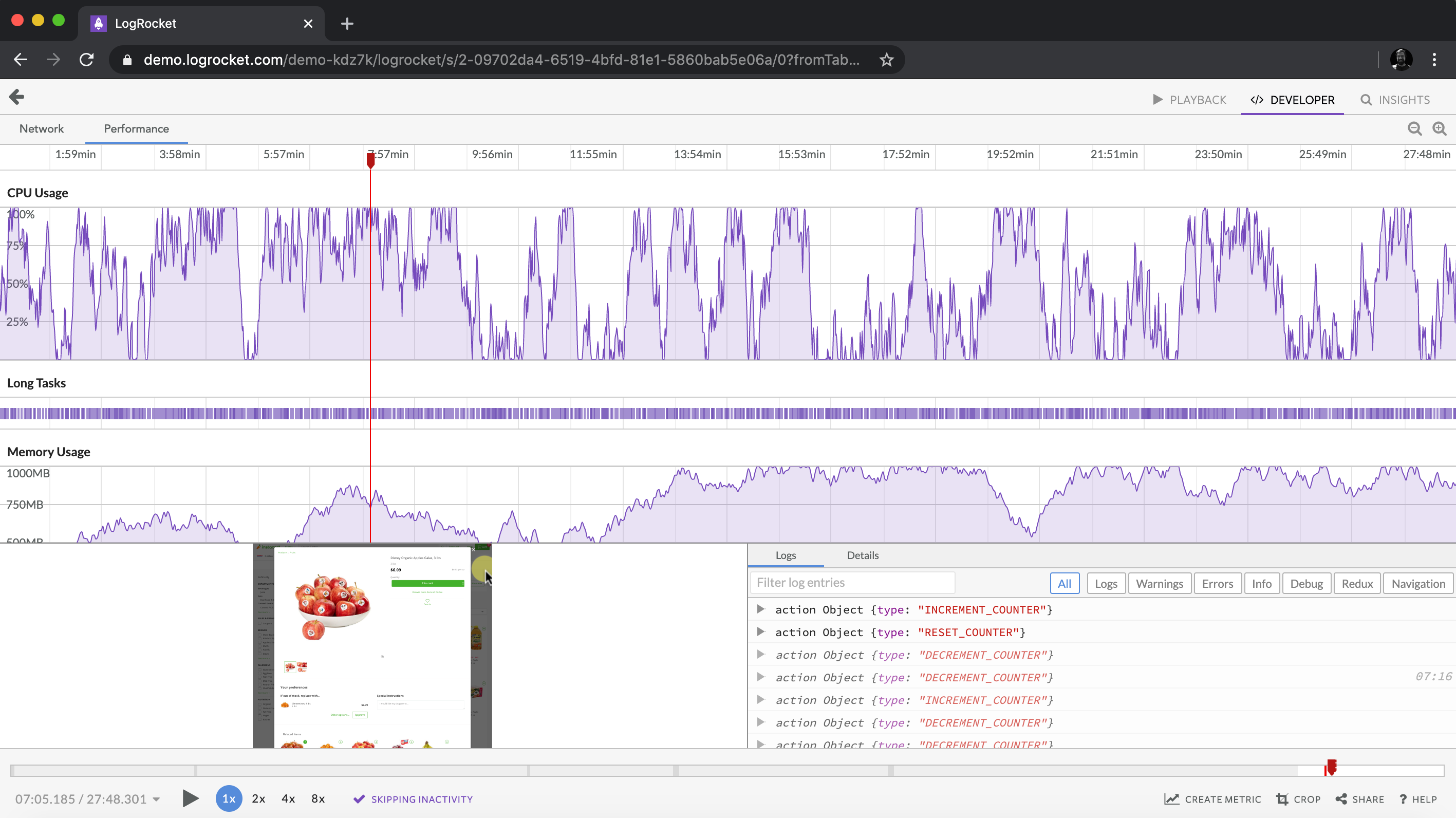
As web frontends get increasingly complex, resource-greedy features demand more and more from the browser. If you’re interested in monitoring and tracking client-side CPU usage, memory usage, and more for all of your users in production, try LogRocket.
👁 LogRocket Dashboard Free Trial BannerLogRocket lets you replay user sessions, eliminating guesswork around why bugs happen by showing exactly what users experienced. It captures console logs, errors, network requests, and pixel-perfect DOM recordings — compatible with all frameworks.
LogRocket's Galileo AI watches sessions for you, instantly identifying and explaining user struggles with automated monitoring of your entire product experience.
Modernize how you debug web and mobile apps — start monitoring for free.
AI has accelerated design execution, but speed can come at the expense of intentionality. Learn how UX teams can preserve product thinking and judgment.
Learn how to use Gemini CLI subagents to delegate frontend, backend, testing, and docs tasks to specialized agents with guardrails and clear ownership.
Learn how next-browser gives AI agents runtime context for debugging Next.js apps, including React props, hydration, PPR, forms, and performance.
Learn how PMs can use AI and communication to spot duplicate work early, align teams, and protect engineering capacity.