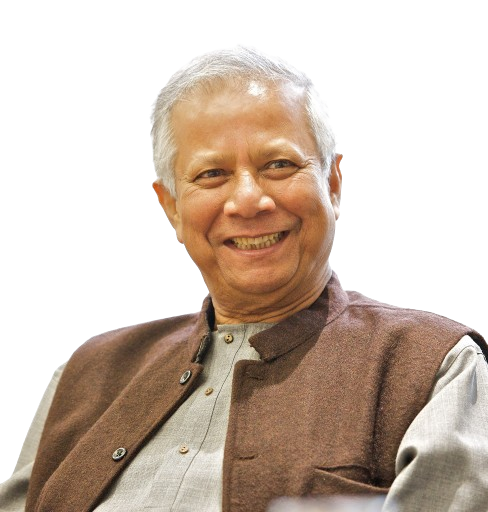
Bangladesh’s Nobel laureate economist Dr Muhammad Yunus was on January 1, 2024 sentenced to six months in jail by a court on charges of violating the labour laws, a development termed as “politically motivated” by his supporters ahead of the general elections.
The 83-year-old economist won the Nobel Peace Prize in 2006 for his anti-poverty campaign, earning Bangladesh the reputation of being the home of microcredit through his Grameen Bank, which he founded in 1983. Yunus and three of his colleagues in Grameen Telecom– one of the firms he founded– were accused of violating labour laws when they failed to create a workers’ welfare fund in the company.
The Third Labour Court Judge Sheikh Merina Sultana ordered Yunus to serve six months of simple or non-rigorous imprisonment for violating the law as the Grameen Telecom chairman, along with three other executives of the social business company.
The verdict came just days ahead of the January 7 general election in Bangladesh. His supporters have described the judgment as “politically motivated”.
The Nobel laureate is also facing a series of charges relating to labour law and misappropriation of money. The economist was on a protracted row with the incumbent government due to obscure reasons. The Sheikh Hasina-led administration began a series of investigations against him after coming to power in 2008.
Bangladesh authorities began a review of the statutory Grameen Bank’s activities in 2011 and fired Yunus as its founding managing director on charges of violating the government retirement regulations. Many people believe that Hasina became enraged when Yunus announced he would form a political party in 2007 when the country was run by a military-backed government, and she was in prison.
He was put on trial in 2013 on charges of receiving money without government permission, including his Nobel Prize award and royalties from a book.
Hasina called Yunus a “bloodsucker” and accused him of using force and other means to recover loans from poor rural women as head of Grameen Bank.
He was later granted bail after his court appearance. After his prolonged efforts to settle disputes with the government, Yunus blasted the government for paving the way for the “destruction” of the pioneering micro-lending bank he founded.
In August last year, more than 170 global leaders and Nobel laureates sent an open letter to Prime Minister Hasina urging her to suspend legal proceedings against Yunus.
The signatories included former US President Barack Obama, former UN Secretary-General Ban Ki-moon and more than 100 Nobel laureates.
Given the historically strong people-to-people ties with its neighbours, India should proactively reach out to the new governments in Bangladesh and Nepal and rebuild relations that have suffered in the last few years
Shahabuddin expressed feeling humiliated by the interim government, citing the removal of his press department and portraits from Bangladeshi embassies worldwide.
India needs to have patience and not be seen too prominently until the anger subsides. It would also help if the impasse over Hasina is resolved at the earliest
Hasina, who has been living in India since she fled Bangladesh on August 5, 2024, made these points in a voice-recorded message played at a press conference on Friday by her supporters and party members at the Foreign Correspondents’ Club of South Asia in New Delhi.
The ICC has told Bangladesh to play in India as scheduled or risk being replaced by Scotland. Bangladesh has pushed back on security grounds. India sits in the middle as host and cricket’s commercial centre
Yunus said that if the reform package is passed, no individual would be able serve as prime minister for more than 10 years, while the judiciary would function independently.
Dhaka summoned Indian High Commissioner Pranay Verma in the morning to convey “deep concern” over what it claimed were “violent protests” outside its missions in India over the lynching of Dipu Chandra Das last week.
The 100-day vigil: How a custodial death case ended in a state-ordered cremation
India14 min ago
After 100 days, the body of 26-year-old Dalit man Akash Delison was finally removed from a government hospital and cremated under police protection. His family had demanded justice for his alleged death in police custody and refused to accept the body until all 16 involved officers were arrested. Despite actions taken, their demand for accountability remains unmet.