I tried 5 Groq alternatives and this is what I found in 2026


Last edited June 24, 2026

In the fast-moving world of AI and large language models (LLMs), inference speed is a real moat. Groq has made a name for itself with its lightning-fast inference engine, but it is not the only player worth your time. I have spent years shipping AI on top of these APIs at eesel, so when teams ask me which Groq alternative to reach for, my answer is always the same: it depends on the job. This guide walks through the best Groq alternatives available today.
Why look for a Groq alternative?
Groq's speed is genuinely impressive, but there are good reasons to consider a Groq alternative. You might need a broader model catalog, a different pricing model, dedicated throughput, or features Groq does not offer. Diversifying your AI stack also avoids vendor lock-in and means you can route each task to the provider that handles it best. Groq today serves a focused set of open models (GPT-OSS, Llama 4 Scout, Qwen3, Kimi K2), so if you need a specific proprietary model or a niche fine-tune, you will be looking elsewhere.
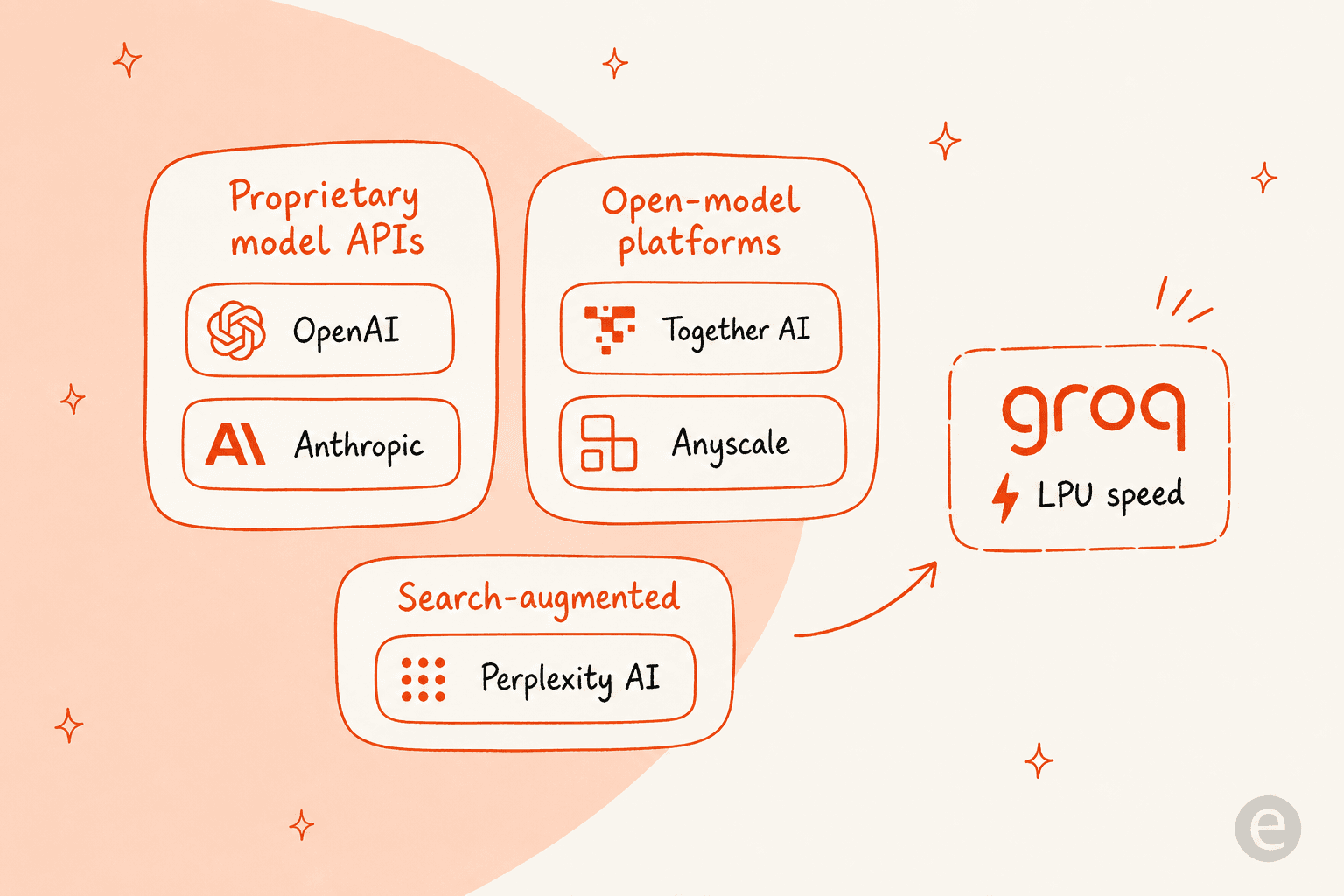
Best Groq alternatives for developers
Here are my top picks for the best Groq alternatives on the market, with how each one compares at a glance.
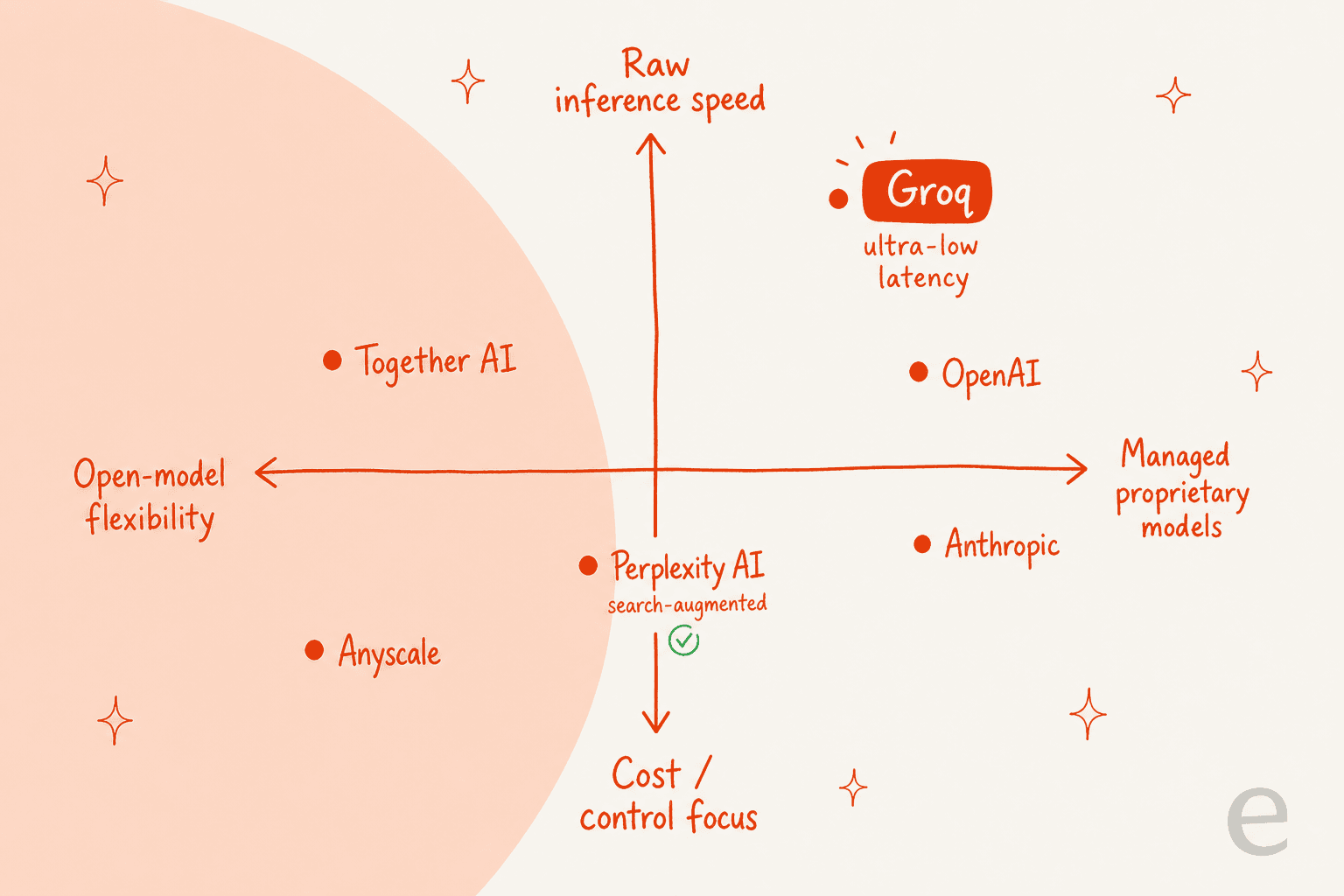
| Provider | Type | Best for | Example pricing (per M tokens) | Free trial |
|---|---|---|---|---|
| OpenAI | Proprietary model API | State-of-the-art reasoning | GPT-5.2 family (usage-based) | Trial credits |
| Anthropic | Proprietary model API | Safe, long-context outputs | Claude Opus 4.8 (usage-based) | Trial credits |
| Together AI | Open-model platform | Open models + dedicated endpoints | Llama 3.3 70B ~$1.04; gpt-oss-120B $0.15 / $0.60 | Yes |
| Perplexity AI | Search-grounded API | Real-time, cited answers | Sonar API (per-token + per-request) | Yes |
| Anyscale | Self-managed compute (Ray) | Scaling on your own cloud | Compute-based (your infra) | Yes |
1. OpenAI
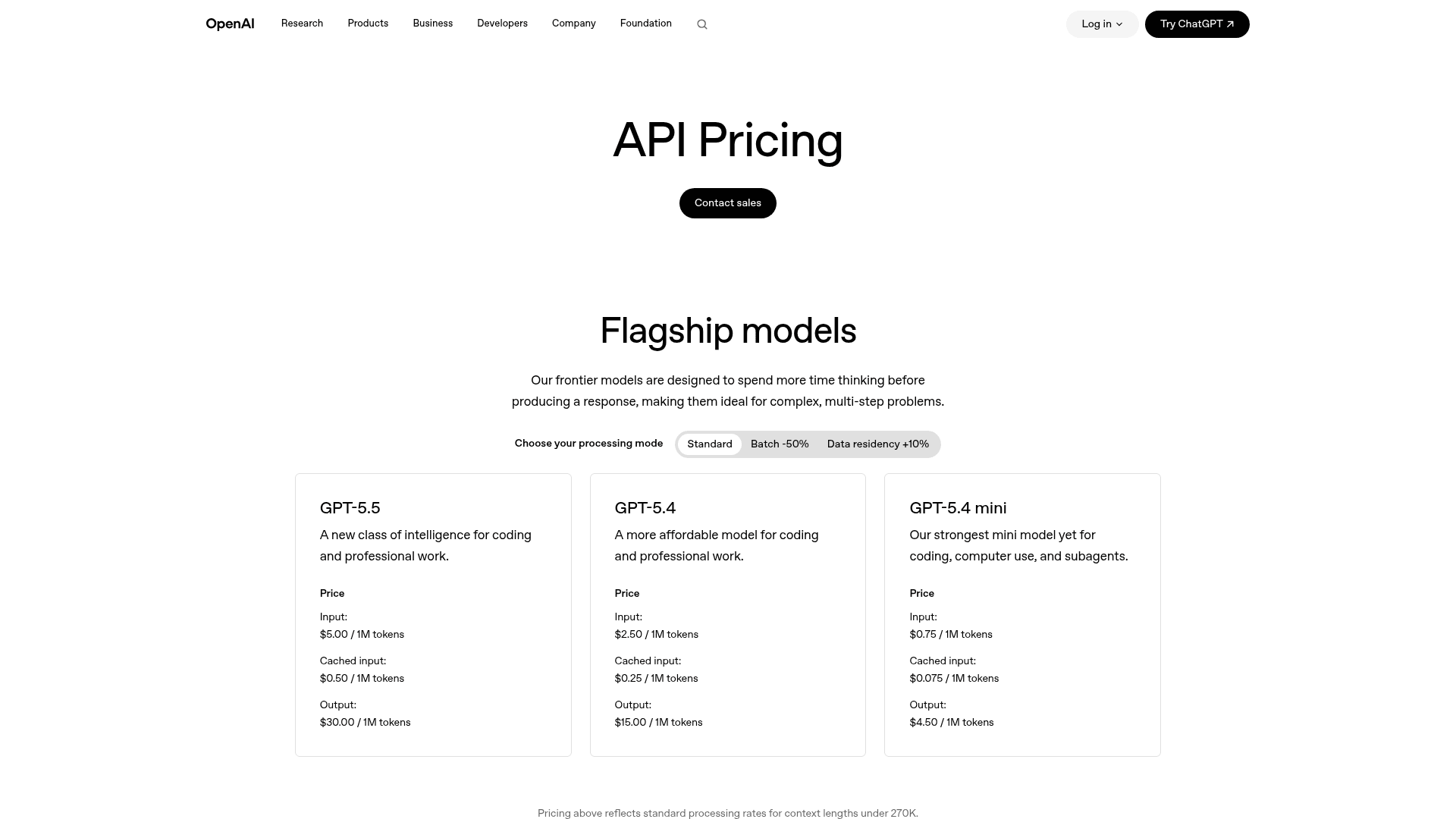
OpenAI is the powerhouse behind the GPT-5.2 family and a natural first stop for anyone looking for a Groq alternative. It is not always as fast for raw inference on open models, but the API is robust, well-documented, and gives you state-of-the-art proprietary models plus tooling like the Realtime API and a Batch API for cheaper async jobs. Its ecosystem and adoption make it a reliable, powerful choice for most teams.
2. Anthropic
Anthropic, with its Claude family (currently Claude Opus 4.8 and Claude 4.5 Sonnet), focuses on safety and reliable, thoughtful outputs. It is a strong Groq alternative for applications that need nuanced reasoning and large context windows. The API is developer-friendly, and if you are weighing it against GPT, my OpenAI vs Anthropic breakdown digs into the tradeoffs. Anthropic's pricing runs higher than open-model providers, but the reasoning quality often justifies it for enterprise use cases.
3. Together AI
Together AI is the closest like-for-like Groq alternative for open models. It runs a deep catalog (Llama 4, Qwen3, DeepSeek, GLM-5.2, gpt-oss) on fast serverless endpoints, and lets you graduate to dedicated endpoints at scale. Its pricing is competitive, Llama 3.3 70B is around $1.04 per million tokens and gpt-oss-120B is $0.15 input / $0.60 output, with prompt caching to cut repeat costs. For teams that want performance without being locked to one model provider, Together AI offers the most flexibility. My Together AI review goes deeper if it is on your shortlist.
4. Perplexity AI
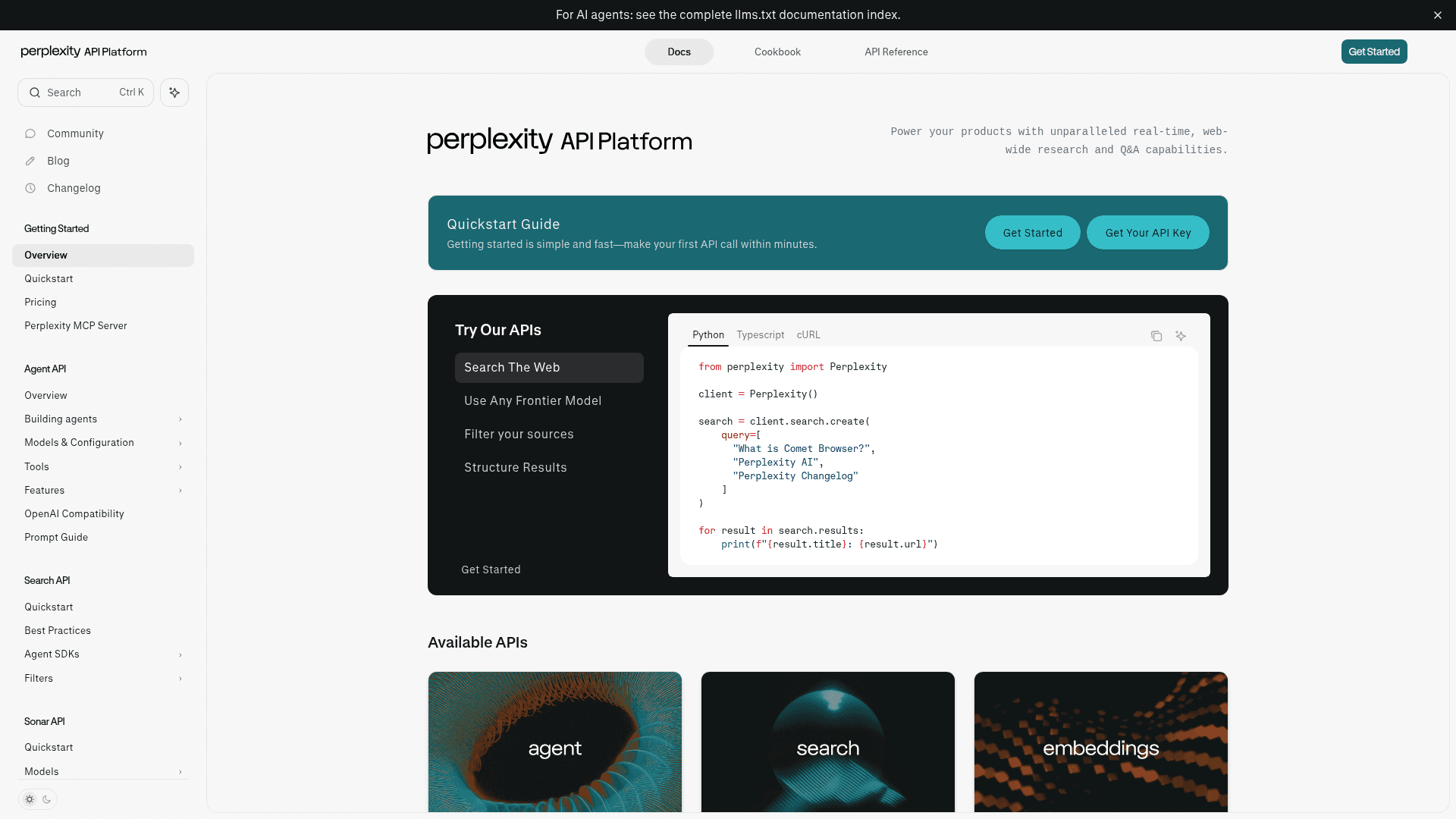
While Perplexity is best known for its conversational search engine, its Sonar API is an interesting Groq alternative for any task that needs real-time information and citations. It blends LLM output with up-to-date web results, which is ideal for applications that have to give accurate, verifiable answers rather than relying on a model's training cutoff. If you are comparing it against other assistants, my Perplexity pricing guide covers the plans.
5. Anyscale
Anyscale provides an end-to-end platform for scaling AI and Python workloads, built on the open-source Ray project. Rather than a quick serverless token API, it is the Groq alternative for developers who want control, running and scaling models on their own cloud infrastructure. If that is overkill for your project, compute platforms like Baseten and Modal sit in the same space, and there are dedicated Anyscale alternatives worth a look.
How to choose the right Groq alternative
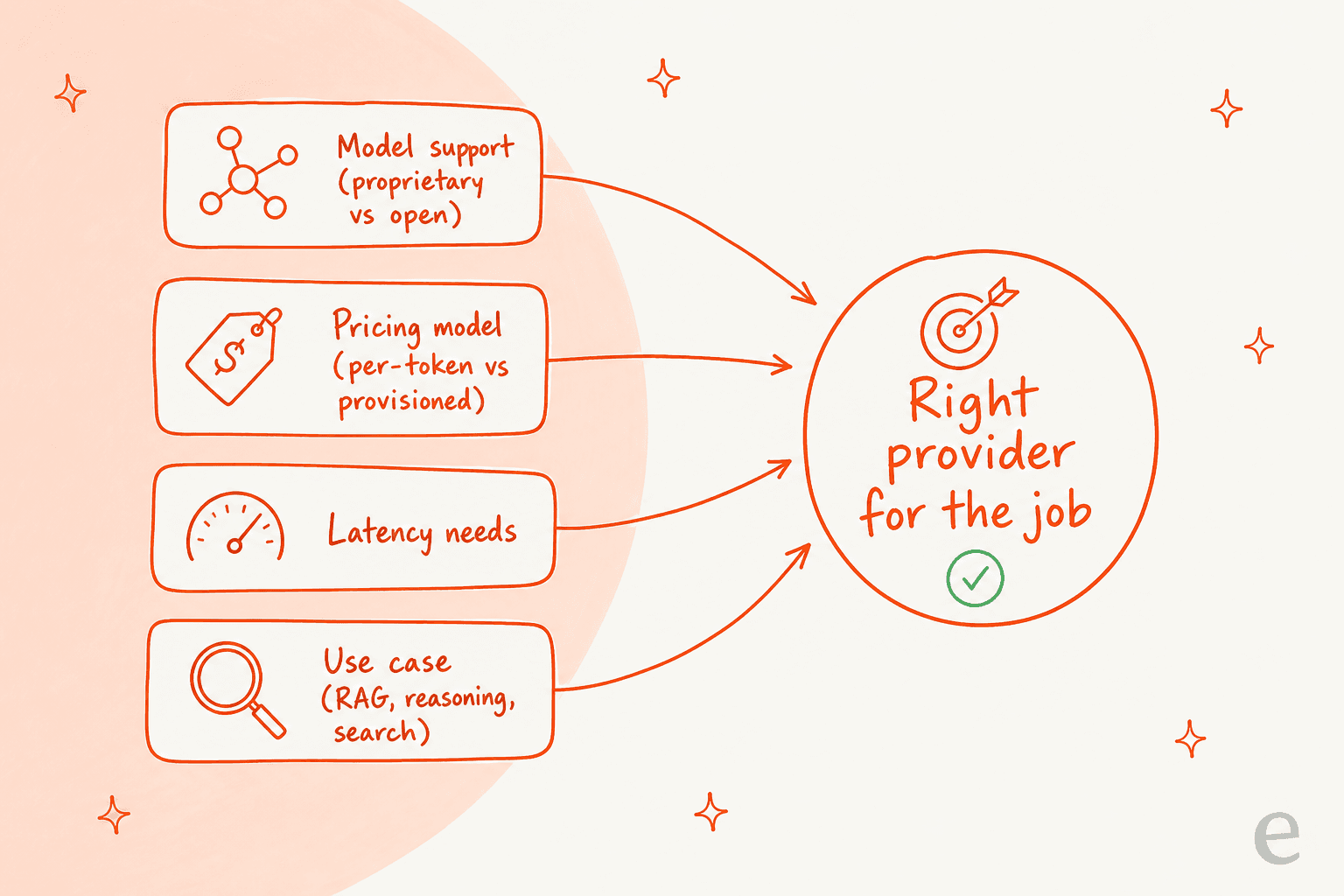
Choosing the right option depends on your specific needs. Consider these factors:
-
Model support: Do you need leading proprietary models like the GPT-5.2 family and Claude, or open ones like Qwen3, Llama 4, and Mistral?
-
Pricing: Is pay-as-you-go per-token billing or provisioned/dedicated throughput a better fit for your budget and usage pattern? Open-model providers like Fireworks AI and Hugging Face compete hard here.
-
Performance: Do you need the absolute lowest latency for real-time apps (where Groq's LPU still leads), or is a balance of speed, cost, and feature set more important?
-
Use case: Is your application focused on creative generation, complex reasoning, RAG, real-time search, or customer support?
That last point matters more than people expect. If you are building AI customer support, you do not actually need to pick an inference provider. At eesel, I have watched plenty of teams burn weeks wiring up an LLM API, retrieval, and guardrails before realizing the goal was simply to resolve tickets. eesel AI handles the model layer for you, trains on your past tickets and knowledge base, and connects to helpdesks like Zendesk in minutes. It even simulates every rollout against your historical tickets first, so you see the resolution rate before a customer does, and pricing is usage-based with no per-seat fees.
Final thoughts on Groq alternatives
The world of AI inference is rich with options. Groq is a fantastic tool for ultra-low latency, but exploring these Groq alternatives opens up new possibilities. From the powerful proprietary models at OpenAI and Anthropic, to flexible open-model platforms like Together AI, to self-managed compute on Anyscale, the right solution for your specific needs is out there. And if your real job is support automation rather than raw inference, try eesel and skip the plumbing entirely.
Frequently Asked Questions

Share this article

Article by
Rama Adi Nugraha
Rama is a software engineer at eesel AI with two years of experience writing about B2B SaaS, AI tools, and customer support technology. Based in Bali, Indonesia, he brings a developer's perspective to product comparisons — cutting through marketing copy to what the integrations and APIs actually do.