Rabbit AI: What happened to the $199 AI gadget? (2026)


Last edited October 8, 2025
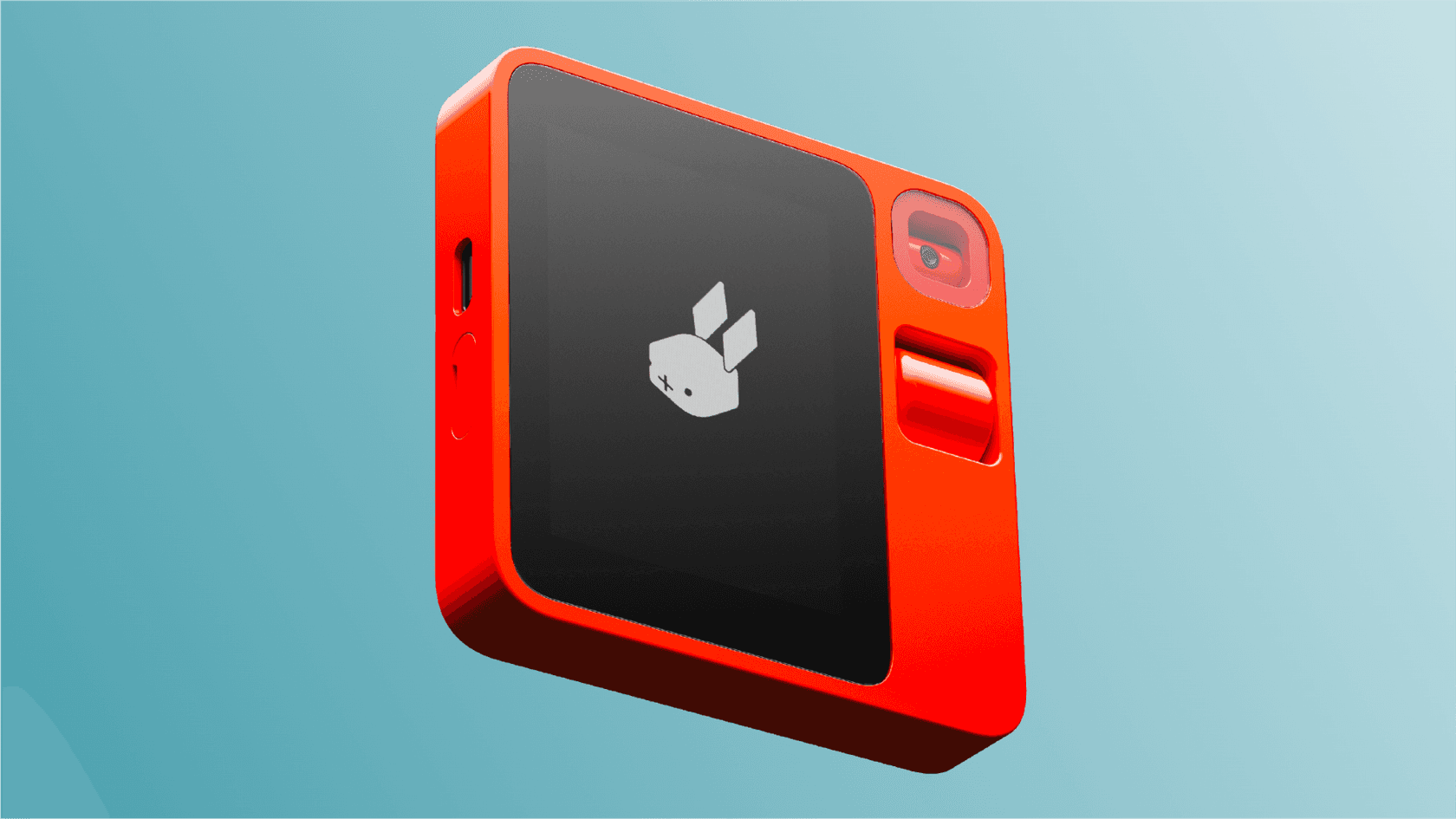
The world of AI is moving incredibly fast, and it feels like every other week there's a new piece of hardware that promises to completely change our lives. A few months ago, no gadget made a bigger splash than the Rabbit R1, that little bright orange square that took CES by storm with a slick presentation and a big vision for an app-free future. The hype was real, leading to over 100,000 preorders from people who thought they were getting the next big thing.
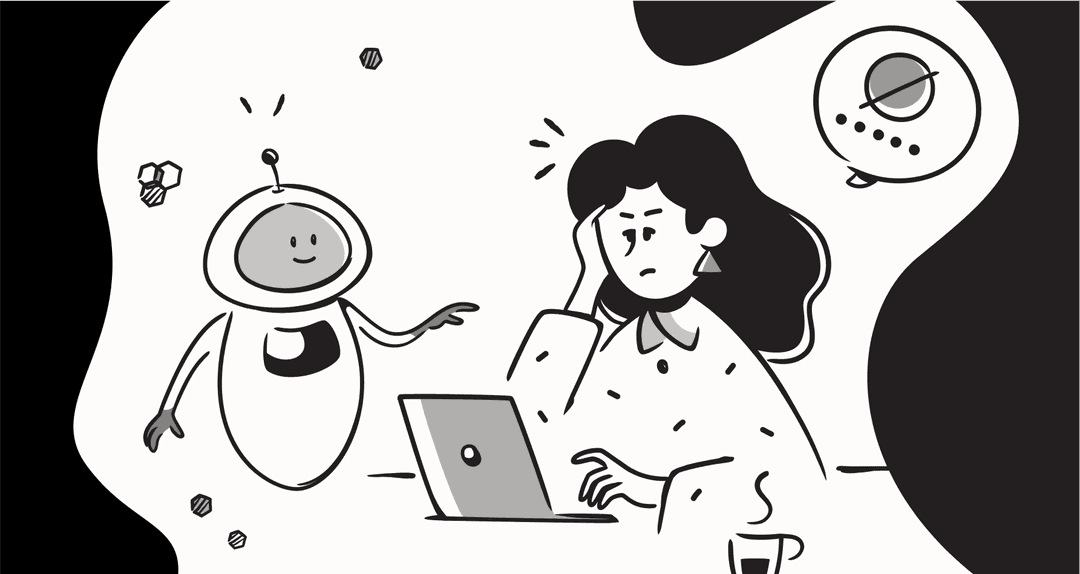
But once the initial excitement wore off and the devices actually got into people's hands, a very different story started to unfold. So, what exactly is Rabbit AI? Did the R1 gadget deliver on its ambitious promises? And what can its bumpy launch teach us about where the real value in AI is today? Let's get into the hype, the reality, and the lessons from this much-talked-about AI experiment.
What is Rabbit AI?
At its core, the Rabbit R1 is a $199 standalone, AI-powered device from a startup called Rabbit. It was sold as a kind of universal remote for all your apps, designed to save you from endlessly tapping and swiping on your phone. The big idea was to use something they called a "Large Action Model" (LAM) instead of connecting to apps through normal APIs.
Theoretically, you could just push a button and tell the R1 something like, "order me an Uber to the airport" or "play my Discover Weekly playlist on Spotify." The LAM was supposed to go and navigate the app's interface for you in the cloud to get the job done. It was pitched as a smart assistant that could learn how to use any app, turning complicated digital tasks into simple voice commands.
It's also worth mentioning that while "Rabbit AI" has become the go-to name for the R1 gadget, there are a few other tech companies with similar names floating around. You might stumble upon ResearchRabbit, an AI tool for researchers, or coderabbit.ai, a code review tool. For this article, though, we're focused squarely on that little orange gadget that got everyone's attention.
The promise vs. the reality of the Rabbit AI gadget
It turns out there was a huge gap between what the Rabbit R1 was supposed to be and what it actually was. Early reviews and user feedback quickly painted a picture of a product that felt rushed and didn't really work as advertised.
The initial promise
During the big CES keynote, Rabbit's CEO Jesse Lyu laid out a pretty compelling vision. The R1 was supposed to be:
-
Powered by a revolutionary LAM: This was its secret sauce. The idea was an AI that could learn to operate any application just by watching how it's used.
-
Faster than your phone: By handling tasks directly, it was meant to cut out the time you spend finding, opening, and poking around in different apps.
-
A simple, dedicated assistant: It was designed to be a fun, easy-to-use device with a push-to-talk button, a little scroll wheel, and a spinning camera for visual questions.
The sobering reality
Once people actually started using the device, those promises didn't hold up. As David Pierce at The Verge put it, the R1 was "woefully unable to execute its ambition."
But the biggest hit came when people discovered that the Rabbit R1’s software was basically just an Android app running on cheap, low-power hardware. That discovery really undermined the whole idea of it being a unique device. Why would you pay $199 for a plastic box that does less than a free app you could just install on the phone you already own?
Most of its core features were either missing or barely worked. There was little proof that the much-hyped LAM was actually doing anything, and the few integrations it had with services like Spotify and Uber were unreliable.
| Feature Promised | Reality According to Reviews |
|---|---|
| Large Action Model (LAM) | "Basically no evidence of a LAM at work." Integrations were limited and buggy. |
| Faster Than a Phone | Often slower than just using your phone, and frequently failed to complete tasks. |
| Dedicated Hardware | Revealed to be running a simple Android app on what amounts to budget phone hardware. |
| Intuitive AI Assistant | Often couldn't identify objects correctly, misunderstood commands, and gave wrong answers. |
| All-Day Battery Life | "Truly disastrous," lasting only a few hours with regular use. |
Is Rabbit AI hardware the future, or just a gimmick?
The whole Rabbit R1 situation really brings up a basic question: why carry a second device for something that could just be an app on your smartphone? It feels like a classic case of a solution looking for a problem. The device adds an extra piece of hardware and more complexity to a process that could be simplified with better software.
This points to a major disconnect in the world of AI hardware. The goal should be to make life simpler, not to add another gadget to your pocket that you have to charge and connect to the internet. The most useful AI solutions are the ones that fit into the tools and routines you already have.
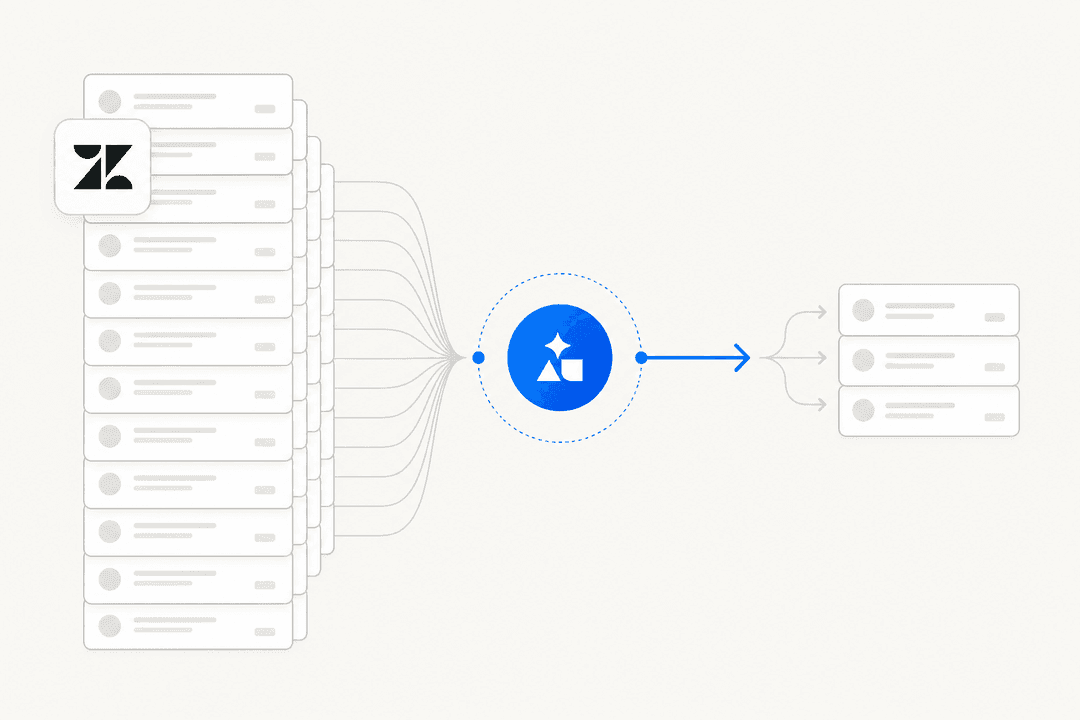
It's a completely different philosophy from a platform like eesel AI. It doesn't ask you to buy a new device or change how you work. Instead, it connects directly to the helpdesks and knowledge bases your team already uses, like Zendesk, Confluence, and Slack. You can get it running in minutes and see real value almost immediately, without throwing a wrench into your team's workflow. While the R1 added steps and new ways for things to go wrong, an integrated software approach actually removes them.
What the Rabbit AI saga teaches us about practical AI
The Rabbit R1 isn't the only one. Other AI gadgets, like the Humane AI Pin, have also been hit with bad reviews and have struggled to find a good reason to exist. This trend teaches us a pretty important lesson: for AI to be genuinely useful, it needs to solve a real problem better than the tools we already have. And let's be honest, the modern smartphone is an incredibly powerful and versatile tool that's tough to beat.
The real AI revolution isn't happening in niche gadgets that get a ton of press but don't deliver. It's happening inside the business software that companies rely on every single day. That's where AI can automate tedious work, make sense of complex information, and help people do their jobs better in a way you can actually measure.
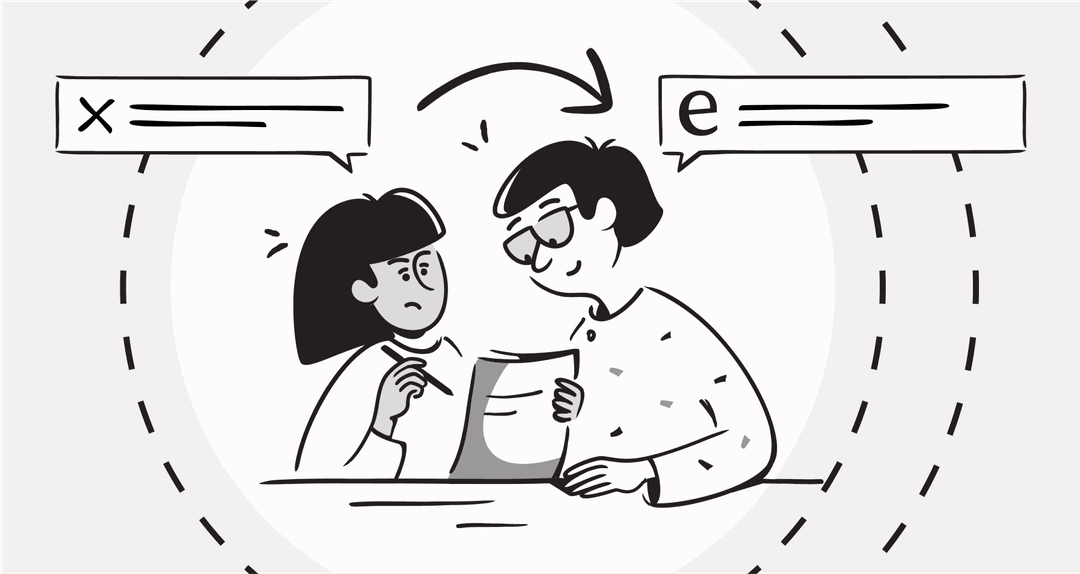
This is where a practical tool like eesel AI really makes sense. Products like the AI Agent can automate customer support by answering tickets instantly, while the AI Copilot helps human agents write perfect replies in seconds. These aren't just cool ideas from a flashy presentation; they're down-to-earth tools that solve real business problems right now.
Rabbit AI: Look for solutions, not just gadgets
The story of the Rabbit R1 is a great cautionary tale about the difference between hype and actual value. It was a product that promised the moon and didn't deliver, and it's a good reminder of how hard it is to create a whole new category of hardware from scratch.
While the idea of a dedicated AI assistant is cool, the most valuable uses of AI today are in software. They solve specific problems by fitting neatly into the tools we already use every day. Instead of chasing the next shiny object, it makes more sense to focus on practical tools that deliver clear results right away.
Beyond Rabbit AI: Put proven AI to work today
Instead of waiting around for the next AI gadget, think about how AI can solve your business challenges right now. Customer support and internal knowledge management are two areas where it can make a huge difference almost immediately.
eesel AI connects with your existing helpdesk and knowledge sources to automate frontline support, help out your agents, and make your whole operation more efficient. It’s a proven solution that adds value where it counts, without any extra hardware or pie-in-the-sky promises.
Start a free trial and see how you can deploy a powerful AI agent in minutes, not months.
Frequently asked questions

Share this article

Article by
Stevia Putri
Stevia Putri is a marketing generalist at eesel AI, where she helps turn powerful AI tools into stories that resonate. She’s driven by curiosity, clarity, and the human side of technology.