A complete guide to Slite pricing in 2026

Last edited January 18, 2026

Table of Contents
- What is Slite?
- A complete breakdown of Slite pricing
- Key Slite features and their hidden limitations
- The problem with per-user Slite pricing for a knowledge base
- A smarter alternative to the Slite pricing model: AI that unifies your knowledge
- Should you choose Slite based on its features and Slite pricing?
- Get started with an AI knowledge layer today
Picking the right home for your team’s knowledge is a pretty big deal. You’ve probably come across Slite, a tool that helps teams document and share what they know. But like with any new tool, you’re probably asking the same two questions: what’s this actually going to cost, and will my team even use it?
This guide will walk you through Slite’s pricing for 2026, take a look at its main features, and explore a modern, AI-powered way to manage knowledge that works with the tools you already have, instead of asking you to replace them.
What is Slite?
Slite is the self-maintaining knowledge base that keeps itself current and up-to-date based on information from your company’s entire tool stack. It pairs a structured, verified wiki with an AI agent that detects when documentation has drifted from reality, drafts the fix, and routes every change through human approval before it becomes truth.
Its big draw is a clean, simple design, editing features that make it easy for multiple people to contribute, and the Slite Agent that actively reduces documentation rot. The idea is to move out of scattered documents or chaotic pages and into a structured source of truth that stays current on its own. It’s popular with remote or hybrid teams, startups, and growing businesses trying to organize their documentation.
A complete breakdown of Slite pricing
Slite’s pricing is based on a per-user, per-month model with two paid tiers (Basic and Pro) plus Enterprise. There is no free plan; both paid tiers include a 14-day trial with no credit card required. Let’s dig into what you actually get at each level.
Slite pricing comparison table
| Feature | Basic ($10/user/mo) | Pro ($20/user/mo) | Enterprise (Custom) |
|---|---|---|---|
| Price (Annual) | $10/user/month | $20/user/month | Custom |
| Price (Monthly) | $12/user/month | $25/user/month | Custom |
| Docs | Unlimited | Unlimited | Unlimited |
| AI (Ask) | 30 questions/user/mo | Unlimited + cross-tool search | Unlimited |
| Slite Agent | — | ✓ (50 credits/seat/mo) | ✓ |
| Integrations | Slack, MCP & API | 20+ native tools + cross-tool AI search | Custom |
| Permissions | Advanced | OpenID SSO | SAML SSO & SCIM |
| HIPAA | — | ✓ | ✓ |
| Support | Priority Email | Priority Email | Dedicated Manager + SLA |
No free plan. Basic and Pro both include a 14-day trial, no credit card required.
Slite’s Basic plan is for teams getting started
At $10 per user per month (billed annually, or $12 month-to-month), the Basic plan gives you unlimited documents, Ask AI search (30 questions per user per month with cited sources), doc verification, the Knowledge Management Panel, Slack integration, and MCP and API access. It’s a solid starting point for any growing team. A team of 25 will run you $3,000 a year, and a team of 50 will cost $6,000.
Slite’s Pro plan adds the Slite Agent and cross-tool search
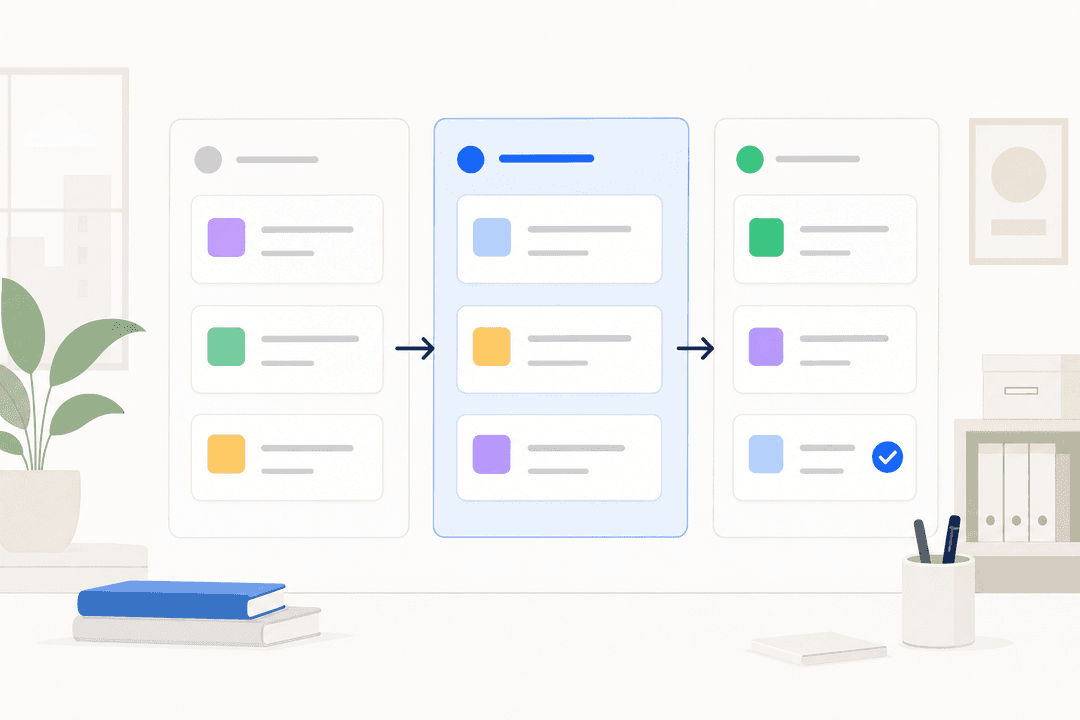
The Pro plan is $20 per user per month (billed annually, or $25 month-to-month). The main reason to upgrade is the Slite Agent: it cross-references your docs against your connected tools (Slack, Linear, GitHub, Intercom, and 20+ others), flags what has gone stale, and drafts the correction for a human to approve. Pro also adds cross-tool AI search, agent workflows, 50 agent credits per seat per month, unlimited AI writing, and HIPAA compliance. This plan is for teams that want a knowledge base that actively maintains itself.
Key Slite features and their hidden limitations
Slite has some great features for creating documents, no doubt. But the real measure of a knowledge base is how easily your team can find and use that information when they’re in the middle of their workday.
Knowledge organization and search
Slite is noted for its clean editor and channel-based organization. It’s easy to structure your information in a way that makes sense, which is a great improvement over a messy shared drive.
However, all that knowledge is hosted inside Slite. When an employee has a question, they have to navigate to Slite and start searching for the right document. These little interruptions can add up, potentially breaking focus. It sometimes leads to people asking the same questions in Slack or Teams instead of searching the wiki.
Collaboration and discussions
The platform’s real-time editing, comments, and in-document discussions are excellent for working on content together. It turns creating and updating documents into a real team effort.
The challenge remains that all this collaboration is happening inside Slite. It doesn’t change the fact that finding the information later requires going to the tool specifically. You can have beautifully written documentation, but it only helps if your team can find it easily when they need it.
Slite's AI feature 'Ask'
Slite’s "Ask" feature is a step toward a smarter way of working. It lets you ask questions and get answers pulled directly from the documents in your knowledge base.
It does have a few considerations to keep in mind:
-
Cross-tool search requires Pro: On Basic, Ask searches your Slite docs only. Company knowledge is often spread across various platforms, including Google Docs, mature and reliable systems like Confluence, Notion, support tickets, and decks. The Slite Agent and cross-tool search that cover these sources are Pro features.
-
It lives within Slite on Basic: The AI is located inside the Slite app on Basic, so your team still has to navigate there to ask questions. On Pro, Ask in Slack surfaces answers directly in your team’s chat without leaving Slack.
The problem with per-user Slite pricing for a knowledge base
There is a fundamental challenge with the per-user, per-month pricing model used by Slite and many other wikis. As your company grows, your bill increases, even if many of those new employees only need to look something up occasionally. You end up paying for "seats" for people who are just infrequent readers.
A different approach can be very effective: an AI knowledge layer is a cost-effective and scalable way to manage information. Instead of paying for every single employee to have a login for yet another tool, you can provide them with instant answers right where they already work.
Tools like eesel AI have predictable pricing based on how much the AI is used, not how many user seats you have. This means you pay for the value you receive, and your costs don't jump every time you hire someone.
A smarter alternative to the Slite pricing model: AI that unifies your knowledge
The best solution isn’t to replace your existing wiki. It’s to add a smart layer on top of all your knowledge sources, wherever they happen to be. That’s exactly what eesel AI is built to do.
Unify knowledge from Slite, Google Docs, Confluence, and more
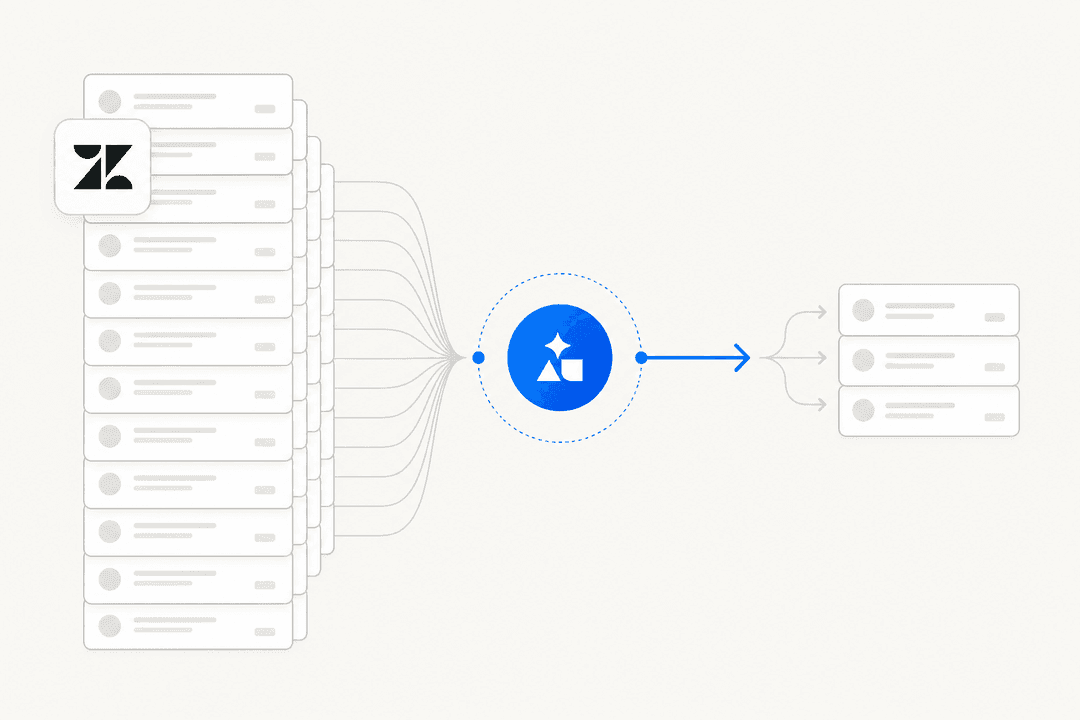
eesel AI connects directly to all the places your team already keeps information. You don’t have to move a single document. Just connect your Slite account, your Google Drive, your reliable Confluence space, and whatever else you use. eesel instantly learns from all of it, solving the siloed knowledge problem.
Get instant answers where you work: Slack and Microsoft Teams
With eesel AI's AI Internal Chat, your team can ask questions in plain English right inside Slack or Teams. They get an immediate, accurate answer pieced together from all your connected knowledge sources, without ever having to leave their chat window. This reduces context switching and manual searching.
Go live in minutes, not months
You shouldn't have to wait through long processes to get a powerful AI assistant up and running. eesel AI is designed to be self-serve. You can sign up, connect your knowledge sources, and launch an AI assistant for your team in just a few minutes.
Should you choose Slite based on its features and Slite pricing?
Slite is a well-designed tool for creating and organizing documents. Its pricing is easy to understand, though it scales as your team grows.
If your team needs a clean wiki for documentation, Slite is a solid option. However, its main limitation is that it acts as a vault for your information rather than a tool that actively delivers it to your team.
In 2026, a great knowledge management strategy is about making information incredibly easy to access. An AI layer that connects all your scattered knowledge and delivers answers directly into your team's workflow is how you unlock serious productivity.
Get started with an AI knowledge layer today
Don't just build another knowledge base, build something that actually works for your team. See how eesel AI can connect to your existing tools, including Slite and mature platforms like Confluence, and give your team instant, accurate answers right where they already work.
You can try eesel AI for free and build your first internal AI assistant in minutes.
Frequently asked questions

Share this article

Article by
Kenneth Pangan
Writer and marketer for over ten years, Kenneth Pangan splits his time between history, politics, and art with plenty of interruptions from his dogs demanding attention.