|
VOOZH | about |
|
VOOZH | about |
Ruby on Rails (RoR) is an effective internet application framework that follows the version-View-Controller (MVC) structure. One of the standout features of Rails is its capacity to generate boilerplate code through scaffolding, which hastens the improvement system by presenting a foundation for CRUD (Create, study, replace, Delete) operations. Scaffolding automates the creation of fashions, views, and controllers, allowing developers to focus on including commercial enterprise common sense and refining their programs. This article focuses on discussing how to start with Scaffolding in Ruby on Rails.
Table of Content
Before you start with scaffolding in Ruby on Rails, make sure you have the following:
Use the following command to create a new rails application:
//bash
rails new MyBlog
This command sets up a new Rails application in a directory called 'MyBlog'. Navigate to this directory to begin operating for your utility.
//bash
cd MyBlog
Use the following command to set up the database:
//bash
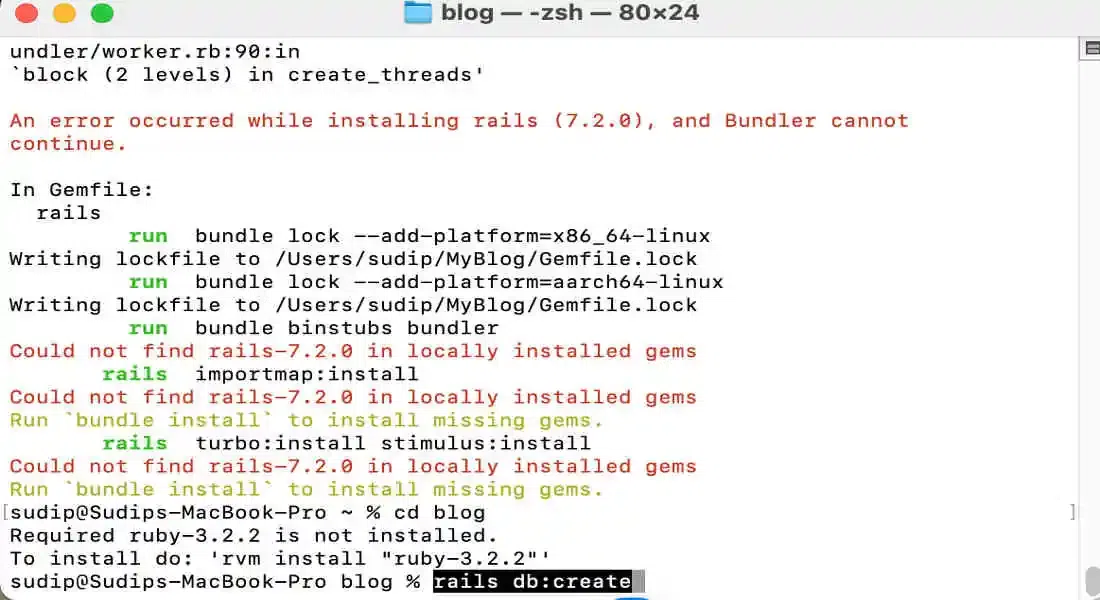
rails db:create
This command creates the database as per the configuration in 'config/database.yml'.
Use the following command to generate scaffolding for post resource:
//bash
rails generate scaffold Post title:string content:text
This command generates the necessary files for the Post resource, including model, controller, views, and migration files.
Enter the below command in terminal to migrate the database:
//bash
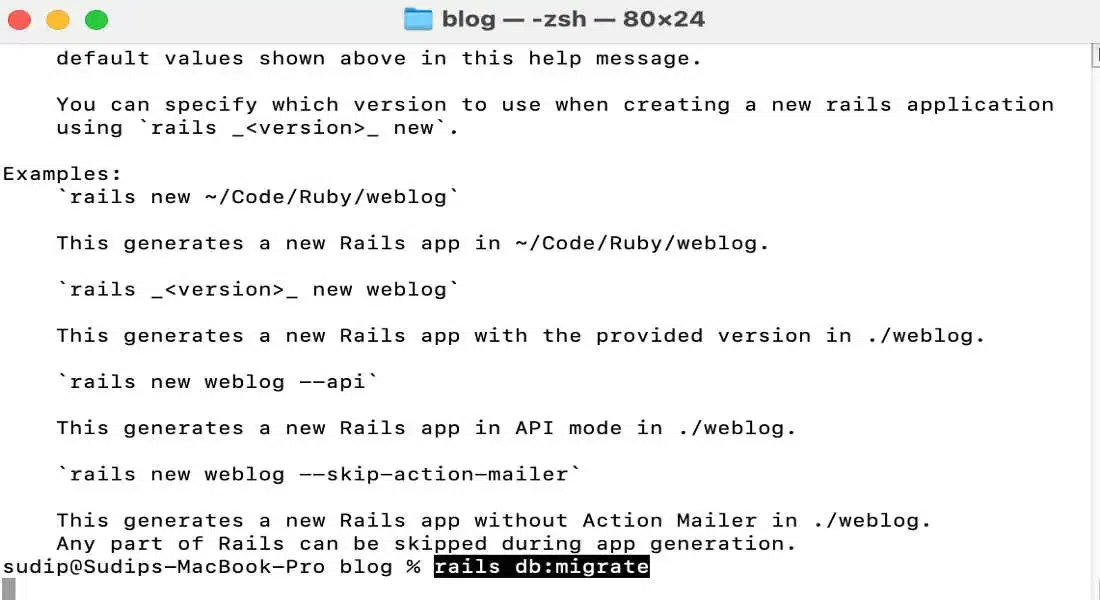
rails db:migrate
This command applies the migrations to create the vital database tables.
Use the below command to review the generated controller code:
//bash
nano app/controllers/posts_controller.rb
The 'PostsController' file includes moves for dealing with CRUD operations.
Example Code:
Use the following command to enhance the model:
//bash
nano app/models/post.rb
Example Code:
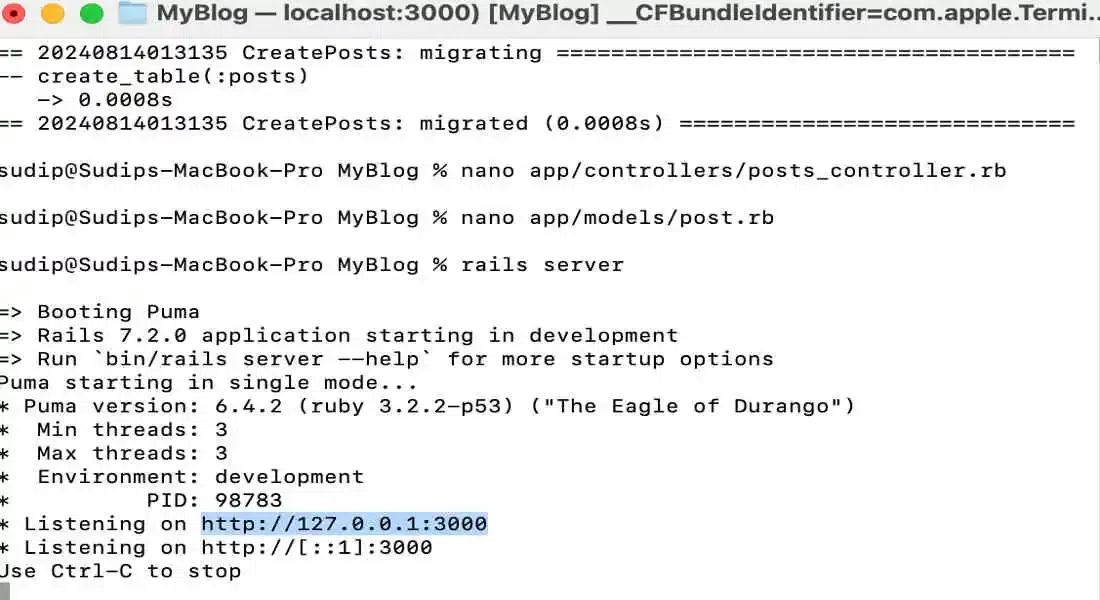
Use the command to start the Rails server:
//bash
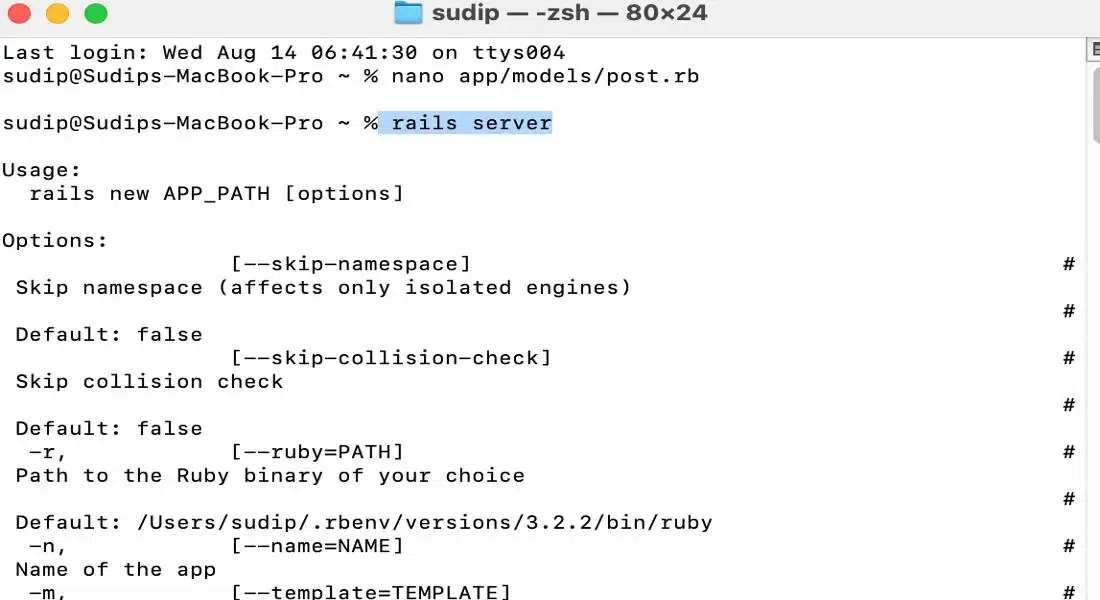
rails server
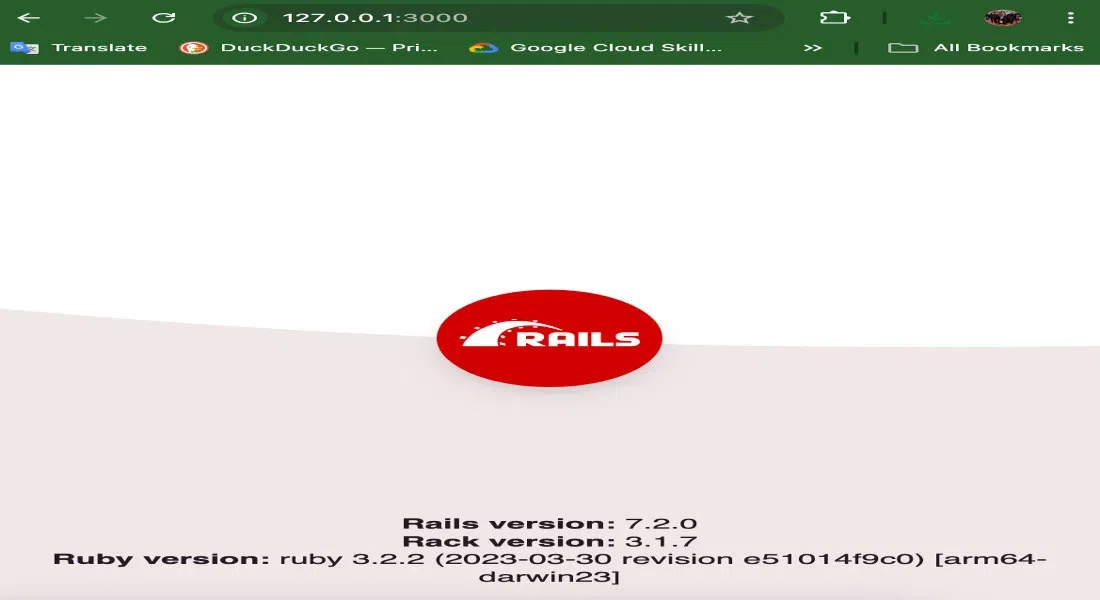
Run this command to start the Rails server and get entry to your application at 'http://localhost:3000/posts'.
Open your internet browser and go to 'http://localhost:3000/posts' to view the software.
Note:
There is an alternative way to create Scaffolding. If you prefer more control, you can manually create models, controllers, and views. Even as the rails generate scaffold command is convenient, you may additionally create scaffolding little by little with the aid of generating the model, controller, and views in my opinion.
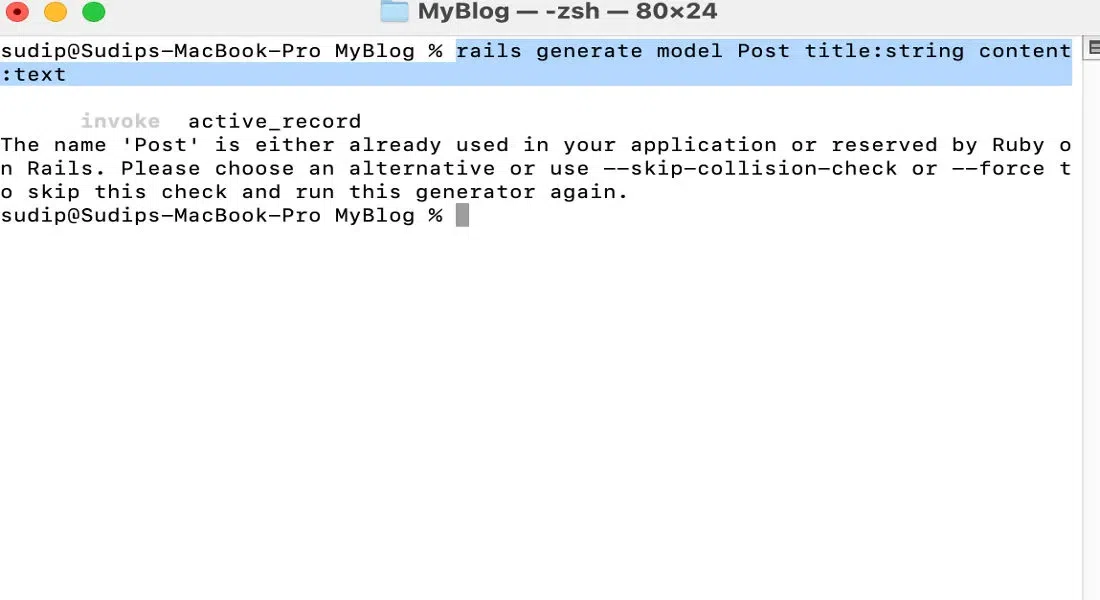
Use the below command to generate the model:
//bash rails generate model Post title:string content:text
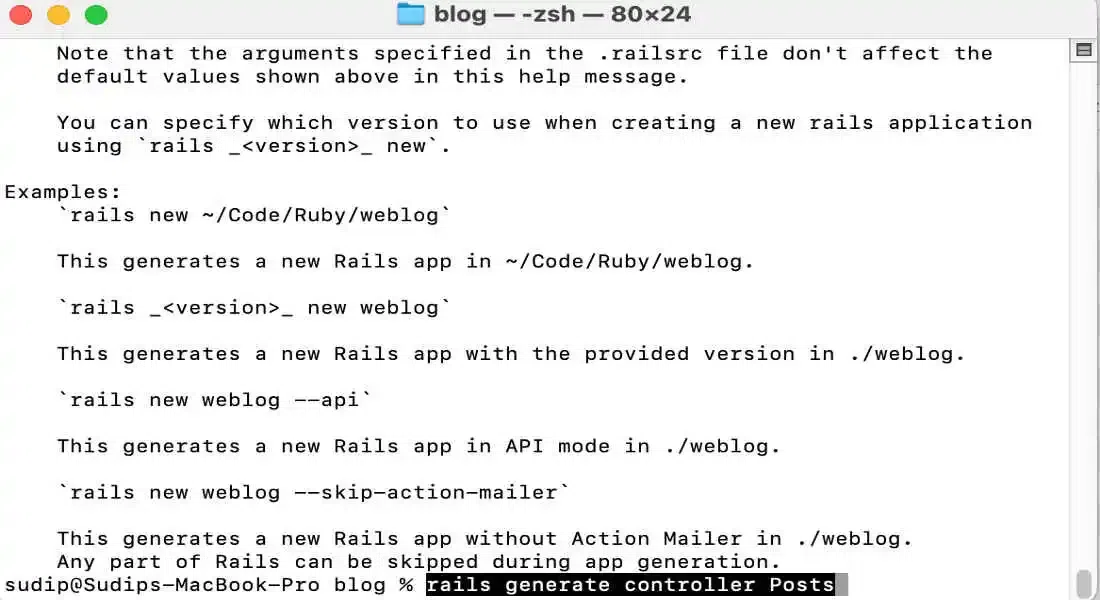
Following command will be used to generate controller:
//bash rails generate controller Posts
Create view documents such as 'index.html.erb', 'show.html.erb', 'new.html.erb', and 'edit.html.erb' in the app/views/posts folder.
erb <h1>Posts</h1> <%= link_to 'New Post', new_post_path %> <table> <thead> <tr> <th>Title</th> <th>Body</th> <th colspan="3"></th> </tr> </thead> <tbody> <% @posts.each do |post| %> <tr> <td><%= post.title %></td> <td><%= post.body %></td> <td><%= link_to 'Show', post %></td> <td><%= link_to 'Edit', edit_post_path(post) %></td> <td><%= link_to 'Destroy', post, method: :delete, data: { confirm: 'Are you sure?' } %></td> </tr> <% end %> </tbody> </table>
Scaffolding differs from manually coding every aspect in that it automates the advent of essential code, permitting builders to rapidly prototype and broaden applications.
Ruby on Rails scaffolding is a powerful device that hurries up the development of net packages by generating the fundamental shape wanted for CRUD operations. It’s a outstanding way to get a prototype up and jogging speedy, allowing builders to awareness on including custom functions and good judgment. while scaffolding is efficient, it’s important to understand the underlying code it generates so you can personalize and optimize your utility as needed.