How to Build an Org Chart in PowerPoint: Complete Guide
Last Updated : 25 Feb, 2025
Create an Org chart in PowerPoint: Quick Steps
Open Power Point and Select Slide
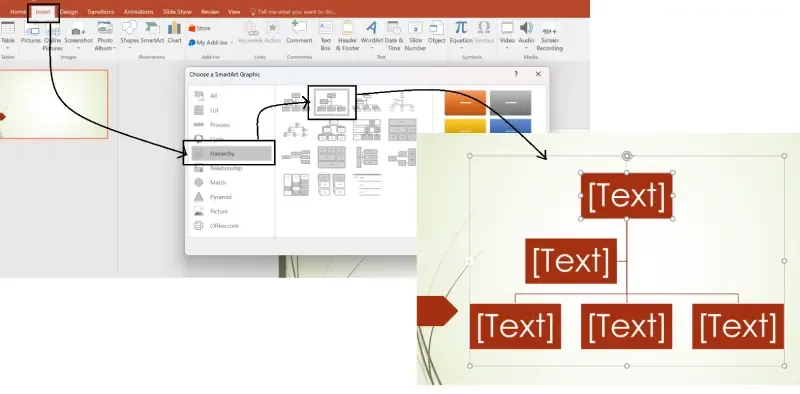
Go to the Insert Tab >> Click SmartArt
Choose a Hierarchy Layout >> Add Details
Adjust Layout >> Save and Present
An organogram (also known as an organizational chart or org chart) is a visual representation of the hierarchical structure of an organization. It displays relationships and relative ranks of positions within the organization. Creating an organogram is essential for business presentations, employee handbooks, company proposals, or even internal meetings to provide clarity about roles and responsibilities.
In this article, we will walk you through a step-by-step guide on how to create an organogram in PowerPoint using the tools and features PowerPoint offers, ensuring your chart is both visually appealing and easy to understand.
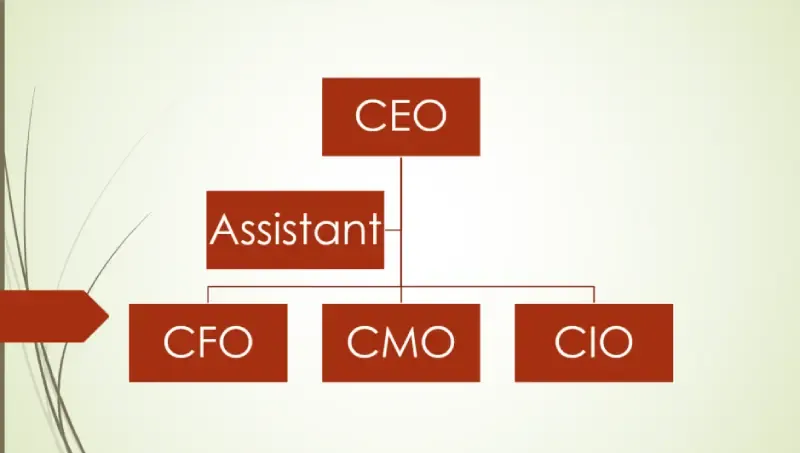
An organogram is a graphical representation of a company's internal structure. It is used to display the hierarchical relationships between different roles, departments, or individuals within an organization.
Key benefits of an organogram include:
Clear Representation: Shows the reporting structure and relationships within the organization.
Improved Communication: Helps employees understand their roles and the roles of others.
Strategic Planning: Aids in workforce management and business development.
Whether you're creating a simple org chart for a small team or a complex diagram for a large enterprise, PowerPoint provides an effective platform to design professional-looking organograms
How to Create an Organogram in PowerPoint: Step-by-Step Guide
Follow these easy steps to create a visually appealing organogram in PowerPoint:
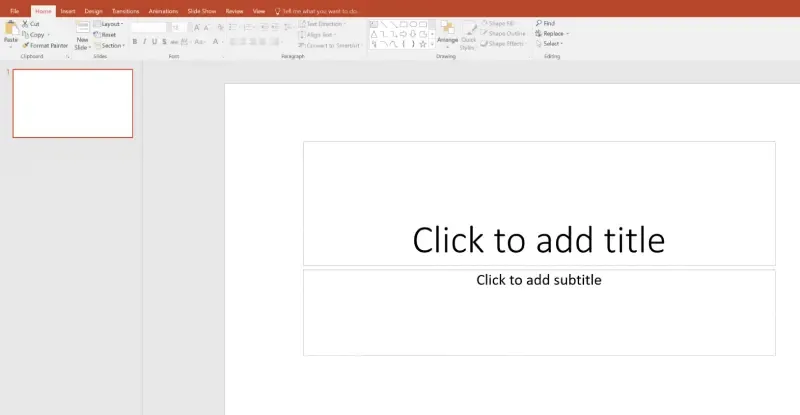
Step 1: Open PowerPoint and Select a Blank Presentation
First, Open Microsoft PowerPoint. Start a new blank presentation to give you a clean slate to design your organogram.
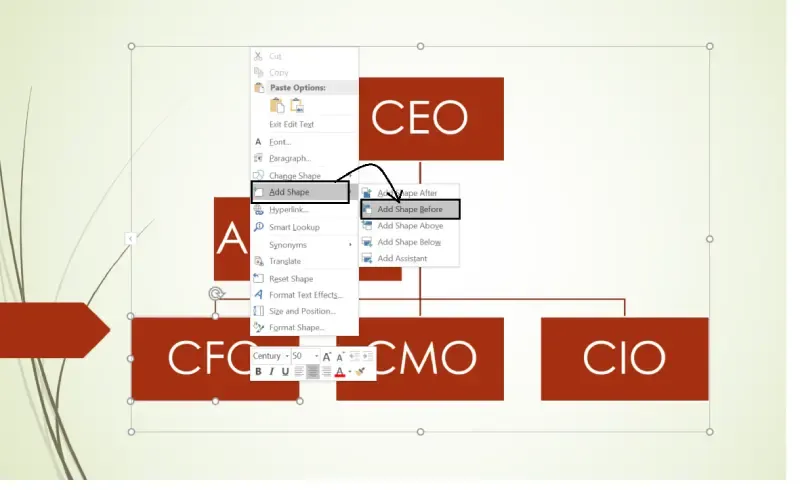
PowerPoint allows you to easily add or remove shapes to accommodate more positions or organizational levels.
To add a new shape: Right-click on an existing shape and select "Add Shape". You can add a shape above, below, or to the side of the selected shape, depending on the structure.
Repeat this process for all positions in the organogram.
Step 6: Customize the Design and Layout of Your Organogram
One of the best features of PowerPoint is the ability to fully customize the design of your organogram. Here are a few tips to help you enhance your organogram’s appearance:
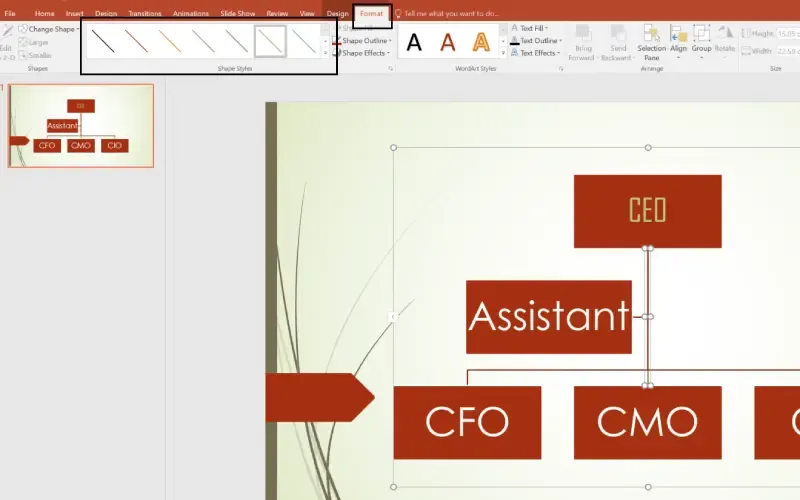
Change the Color: Select a shape, go to the Format tab, and choose Shape Fill to apply a color.
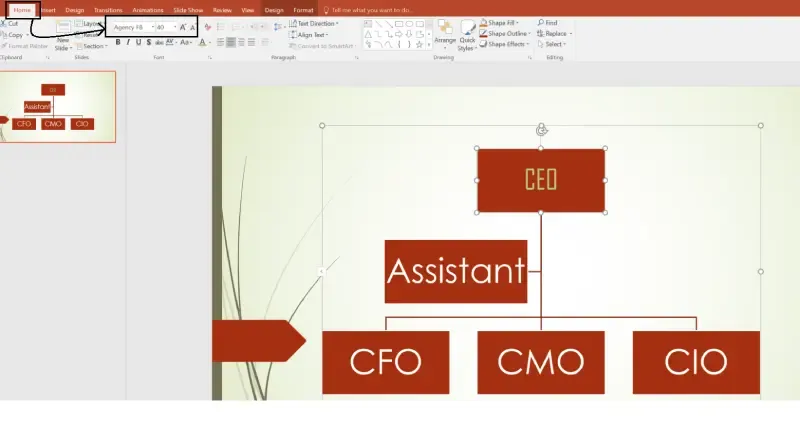
Adjust the Font: Use the Home tab to change the font size, style, or color to make the text easier to read.
Resize Shapes: You can click and drag to resize shapes to fit your text better. It’s important to make sure that the shapes remain properly aligned.
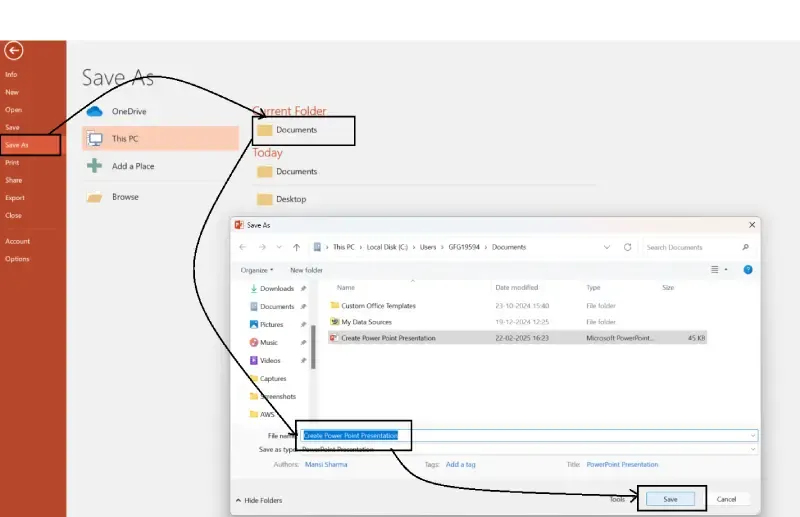
Once you are satisfied with your organogram, save it as a PowerPoint file to allow easy editing in the future. For a non-editable version, you can export it as a PDF or image file.
To save: Go to File > Save As and choose your desired format.
To export as an image: Select File > Export > Change File Type > PNG or JPEG.
PowerPoint provides built-in org chart templates that help you visualize company structures, reporting relationships, and team hierarchies with minimal effort.
Step 1: Open PowerPoint and Create a New Slide
Launch Microsoft PowerPoint and open an existing presentation or create a new one.
Select the slide where you want to insert the org chart template.
Step 2: Access the Built-in Org Chart Templates
Click on File > New.
In the search bar, type "Organization Chart" or "Org Chart".
Browse through the available org chart templates and select one that suits your needs.
Click Create to insert the template into your slide.
Pro Tips for Creating Professional Organograms in PowerPoint
Keep it simple: Avoid cluttering the organogram with too many details. Focus on hierarchy and key roles.
Use consistent colors: Stick to a consistent color scheme to make the organogram visually appealing and easy to understand.
Limit text: Include essential details, but avoid overly long text. Use abbreviations or short phrases where possible.
Make it interactive: For online presentations, use PowerPoint hyperlinks to allow viewers to click through different levels of your organizational structure.
Conclusion
Creating an organogram in PowerPoint is an essential skill for anyone in a managerial, HR, or leadership role. With SmartArt, PowerPoint's customizable design options, and a bit of creativity, you can build professional and visually appealing organizational charts that effectively communicate your company's hierarchy.
Whether for business meetings, corporate training, or team-building exercises, a well-designed organogram can greatly improve communication, foster understanding, and help your audience better visualize the structure of the organization.