|
VOOZH | about |
|
VOOZH | about |
Sending large files in Outlook can be a challenge due to email size restrictions. Whether you're sharing business reports, high-resolution images, or important documents, the default file size limitations can prevent smooth communication. Fortunately, there are several ways to send large files without running into size issues.
In this guide, we will explore three effective methods for emailing large files in Outlook—by uploading files to OneDrive, compressing files before sending, and reducing the size of large image files in Outlook 365. Each method offers a unique approach to overcome the challenges of email attachments, ensuring that your files are sent quickly and securely.
Here are the ways in which you can know how to send large files in Outlook efficiently, ensuring smooth delivery and secure file sharing.
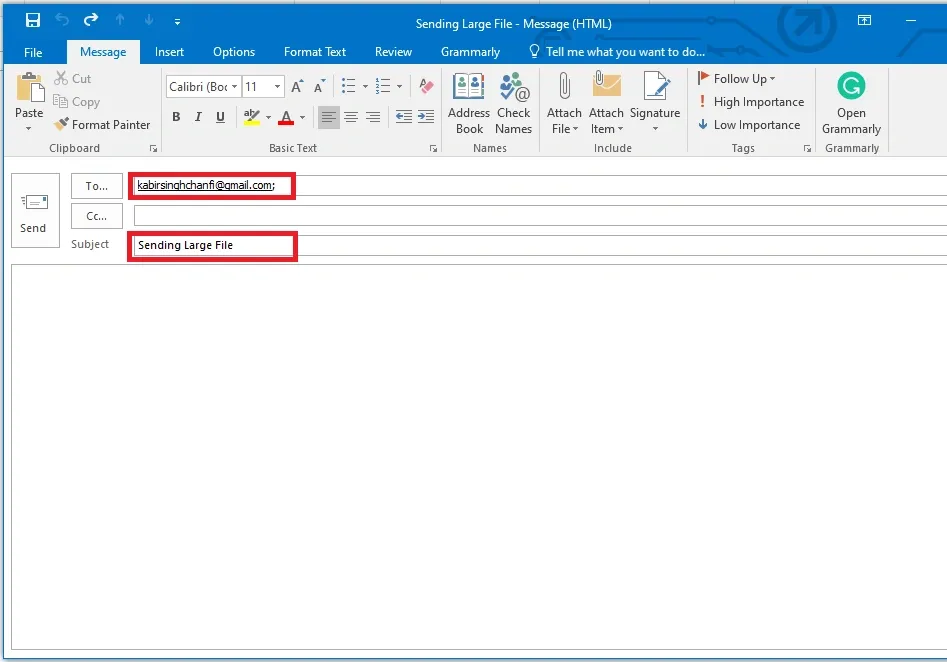
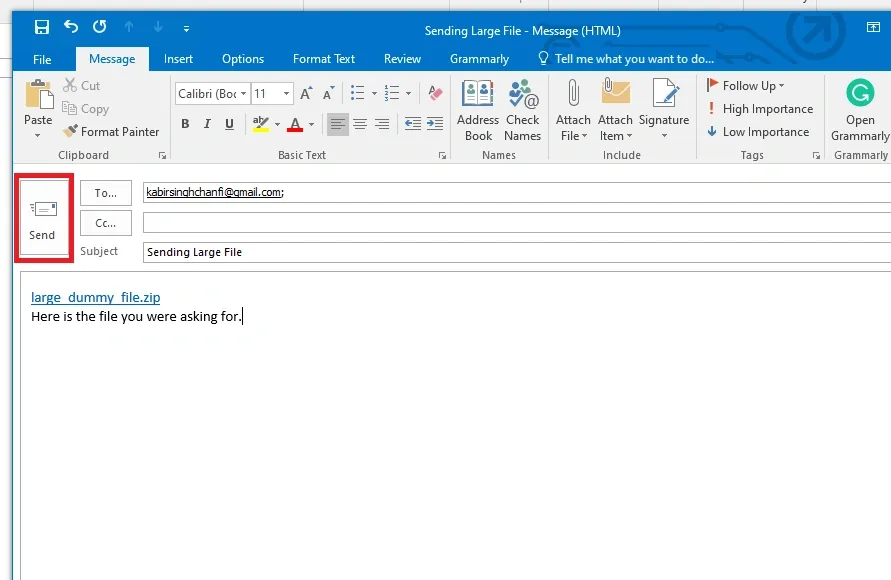
The easiest way to attach large files in Outlook is by uploading them to OneDrive and sharing a link instead of attaching them. Follow the below steps to send large files via Outlook without size restrictions:
Go to OneDrive and sign in with your Microsoft account.
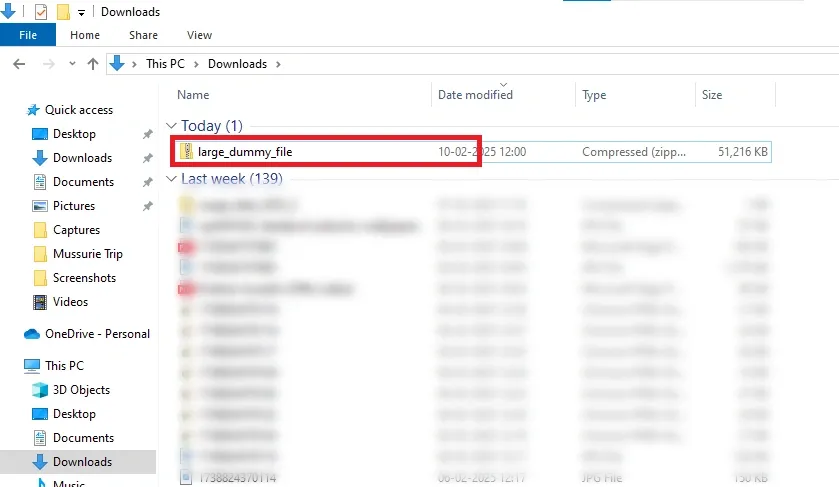
Another way to send large files through Outlook is by compressing them into ZIP format before attaching them. Follow the below steps to send large files via outlook:
Find the file or folder that you want to send via Outlook.
Sending large image files via Outlook can lead to email bounces or slow delivery due to size restrictions. Reducing image size helps optimize email performance while maintaining image quality. Follow the below steps to send large files by reducing image size:
Launch Outlook 365 and click New Email to start composing your message.
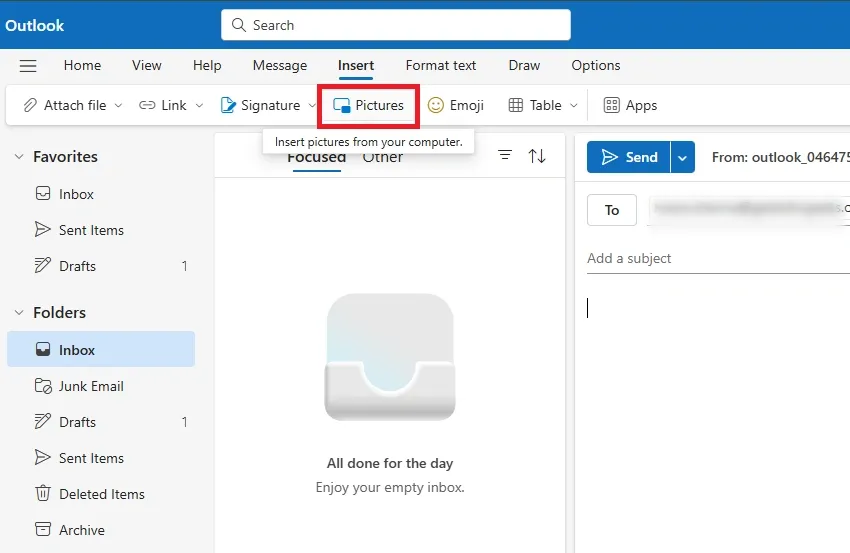
Click on Insert > Pictures and select the image from your computer.
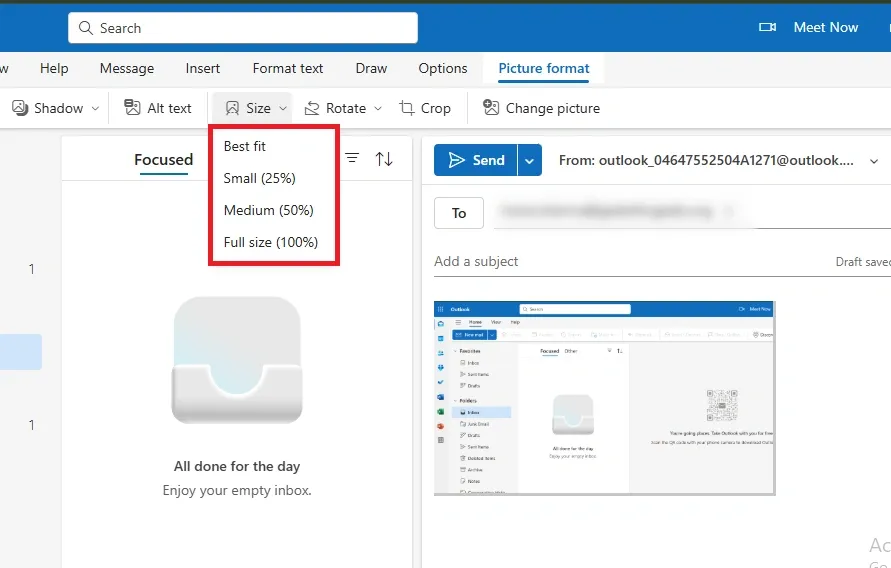
Click on the inserted image and drag the corners to reduce its displayed size.
In the Compress Pictures window, select:
Choose the resolution:
After selecting the preferred compression settings, click OK to reduce the image size.
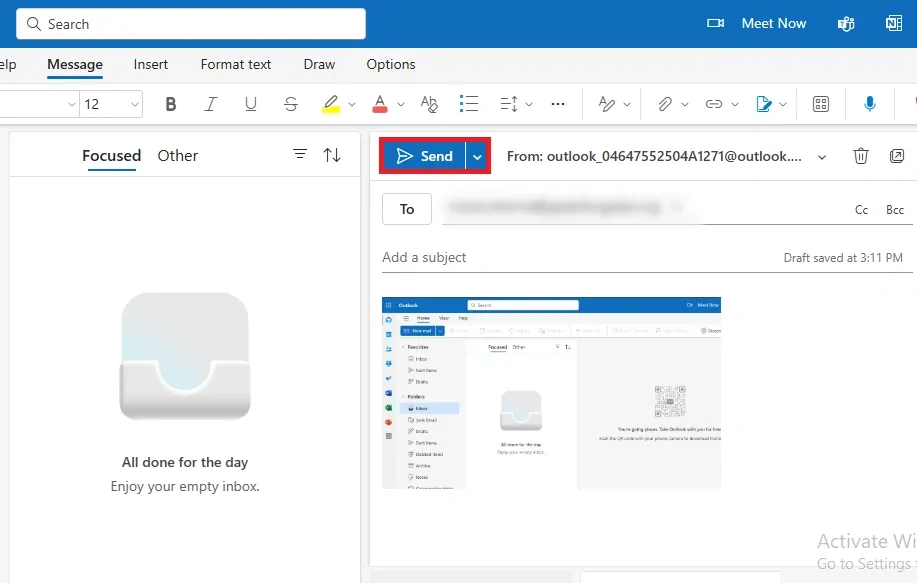
Once the image is compressed, add the recipient’s email, subject, and message, then click Send.
If your file is too large for OneDrive or ZIP compression, you can use external services like:
Outlook has a default file attachment size limit of 20 MB for most email accounts, including Outlook.com and Exchange-based accounts. For Microsoft 365 and Exchange Online, the limit is 25 MB. If you exceed this limit, Outlook will prevent the email from being sent.
To send larger files, you can use cloud storage services like OneDrive, SharePoint, or third-party solutions like Filemail, which generate a downloadable link for recipients.
In conclusion, knowing how to email large files in Outlook opens up new possibilities for efficient communication. Whether you choose to upload your files to OneDrive for easy sharing, compress them to reduce their size, or resize large images to fit within Outlook’s limits, each method can help you send files with ease. By utilizing these strategies, you can avoid the frustration of attachment errors and ensure that your files are transmitted successfully. Now that you’re familiar with these techniques, you’ll be able to handle large file attachments in Outlook 365 with confidence, keeping your workflow uninterrupted and efficient.