Impact
The IPU facilitates parliamentary diplomacy and empowers parliaments and parliamentarians to promote peace, democracy and sustainable development around the world.
 |
VOOZH | about |
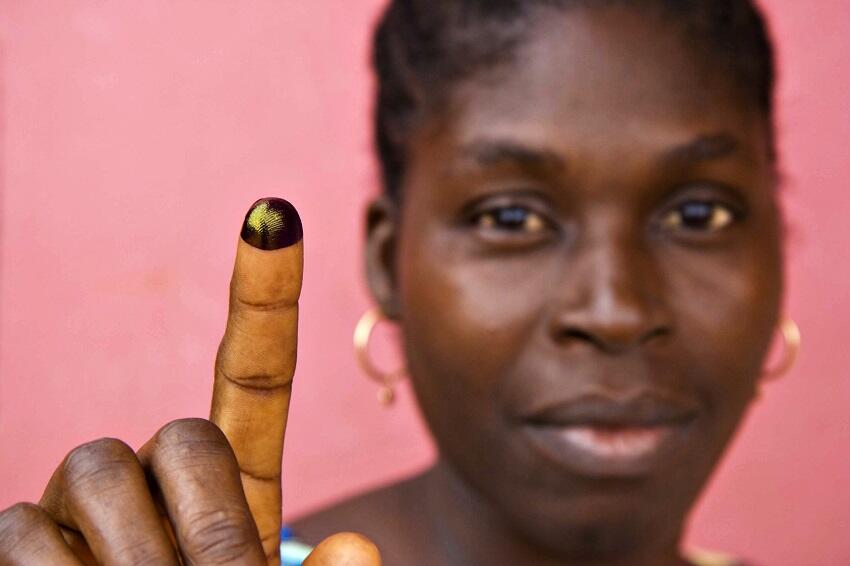
A Guinea-Bissau woman shows her inked finger after voting. © Reuters / Joe Penney
Many women around the world still lack basic human rights and face discrimination and gender-based violence. The world’s parliaments are no exception. Most parliaments remain male-dominated, and women MPs are often under-represented on decision-making bodies.
The IPU has been tracking and empowering women parliamentarians for decades, convinced of the link between strong democracies and gender equality.
Our work focuses on three main objectives: increasing the number of women in parliament through well-designed quotas and parliamentary caucuses; supporting women in parliament; and transforming parliaments into gender-sensitive institutions that deliver on women’s rights.
To achieve these objectives, the IPU has a wealth of data and tools:
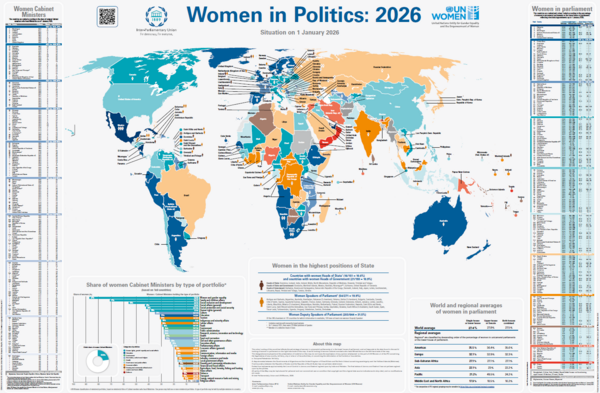
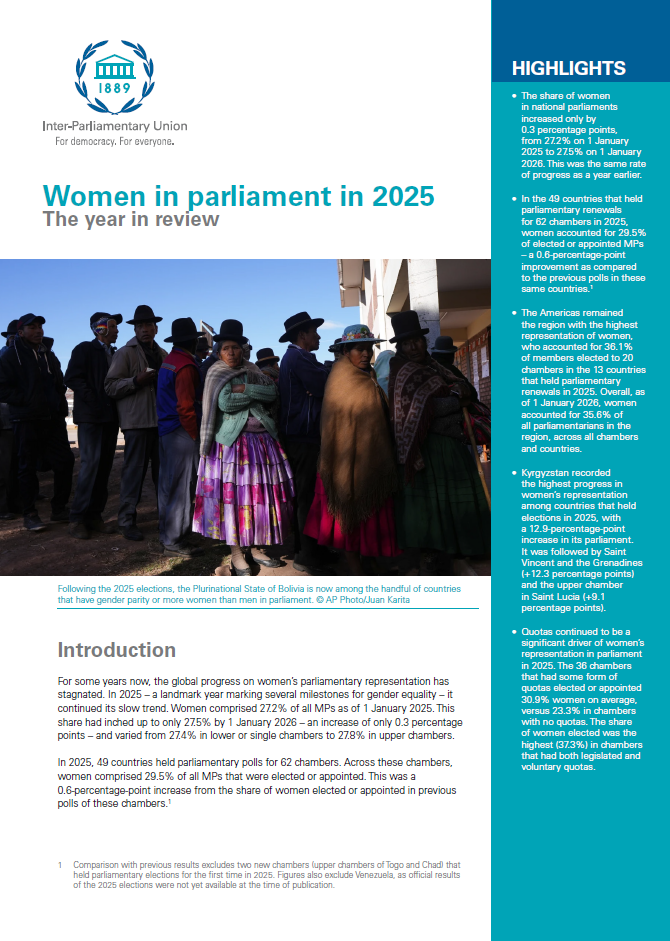
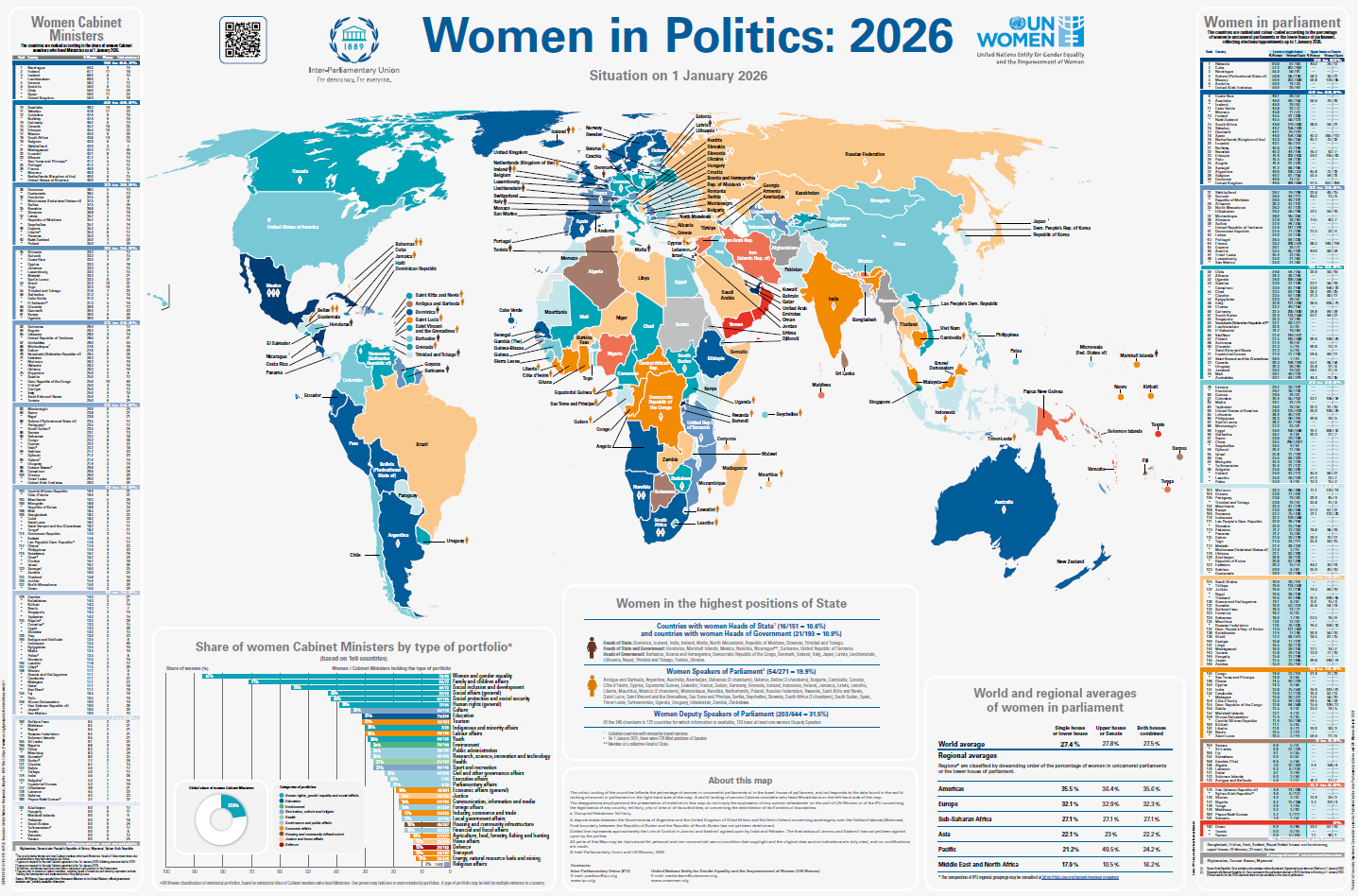
We are the authority on the percentage of women in national parliaments through our monthly rankingof women in parliament, including comparative analyses between countries and annual studies that look at historical trends over decades.
Every year in March we publish an analysis of women in parliament looking at progress and setbacks following the previous year's parliamentary elections.
We have published landmark reports on sexism and gender-based violence in parliament, looking at both female MPs and female parliamentary staff. (See the 2016 report on global data, the 2018 report on European parliaments, the 2021 report on African parliaments and the 2024 report on Asian-Pacific Parliaments). We have also published Guidelines for the elimination of sexism, harassment and violence against women in parliament.
Our self-assessment toolkit for gender-sensitive parliaments is an essential reference that has been used by dozens of parliaments around the world.
We also have databases on women’s parliamentary caucuses and specialized parliamentary committees on gender equality.
The IPU partners with International IDEA and Stockholm University in running a global database on gender electoral quotas, which provides country-specific data on existing mechanisms to ensure women’s participation in parliaments.
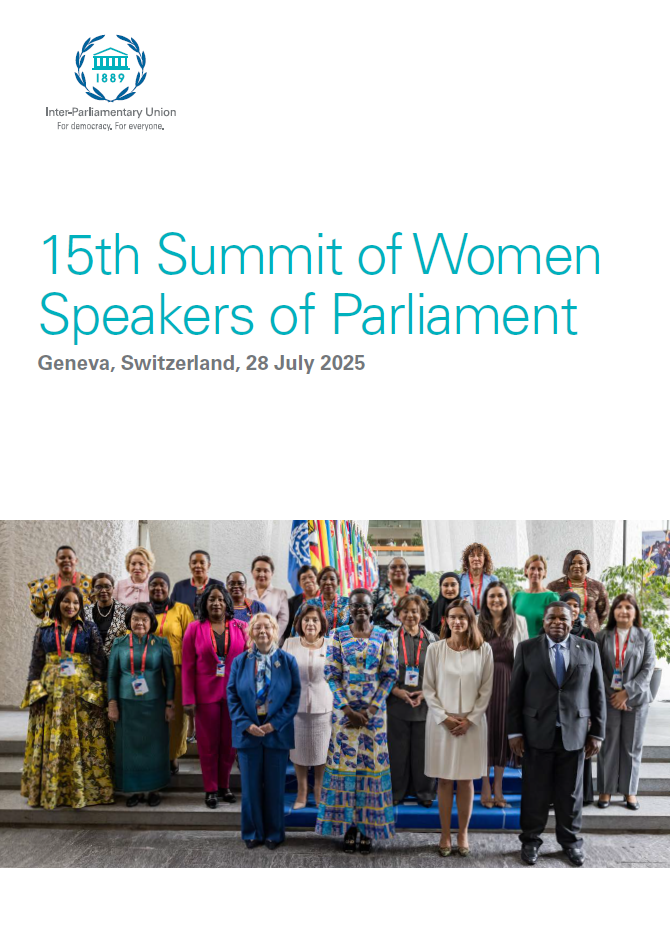
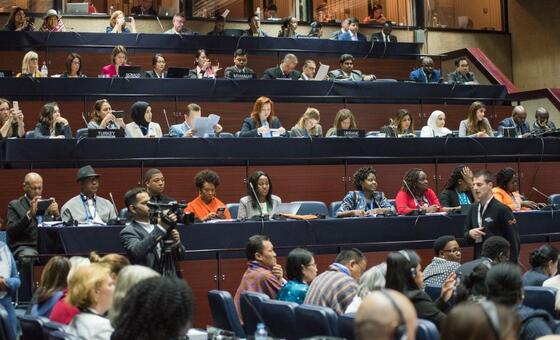
Practising what we preach, we have adopted groundbreaking practices ourselves to ensure gender equality in our assemblies, committees and staff.
Global percentage of women MPs
16/03/2026
11/03/2026
New York, United States