

























Science Projects
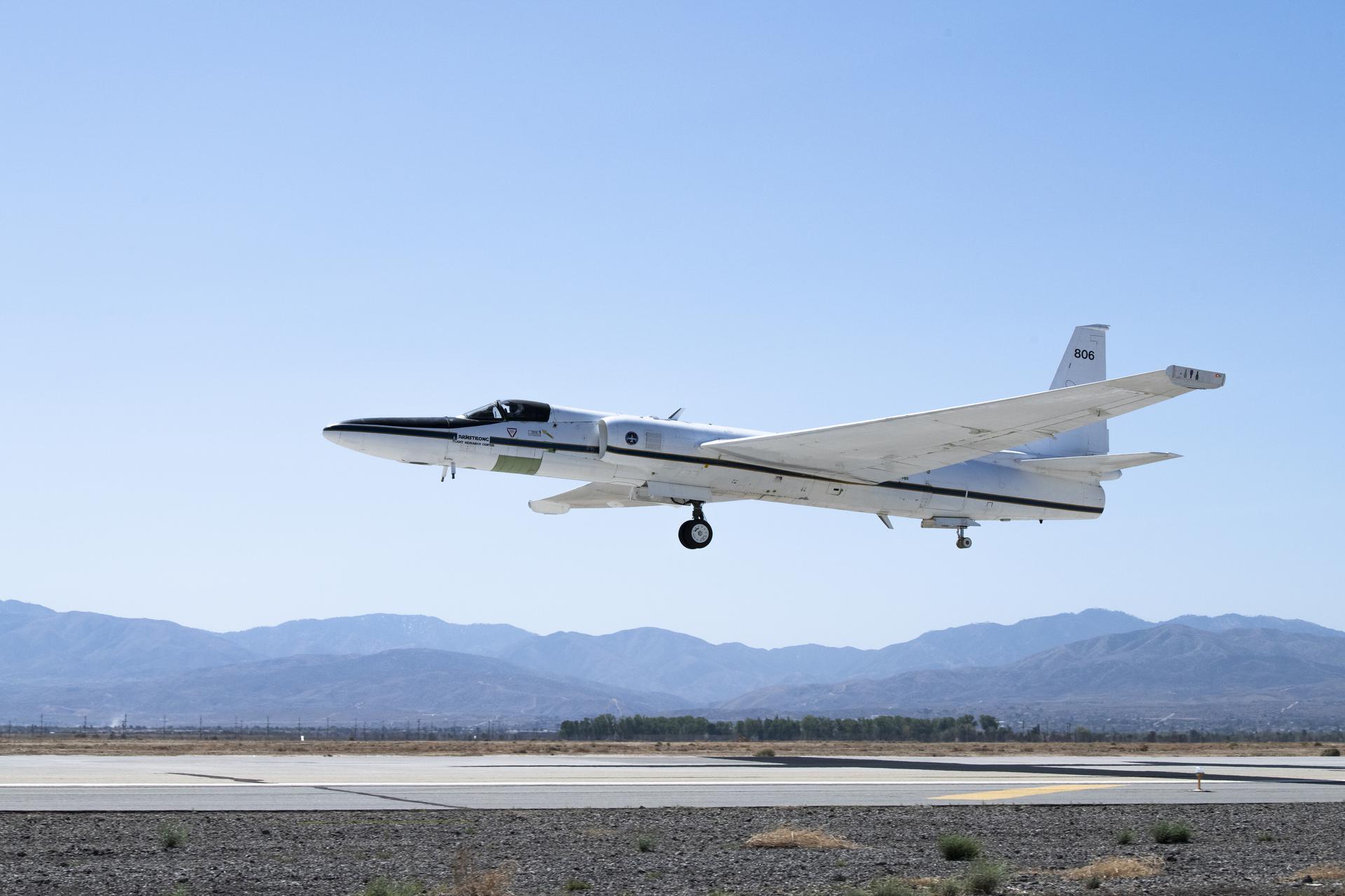
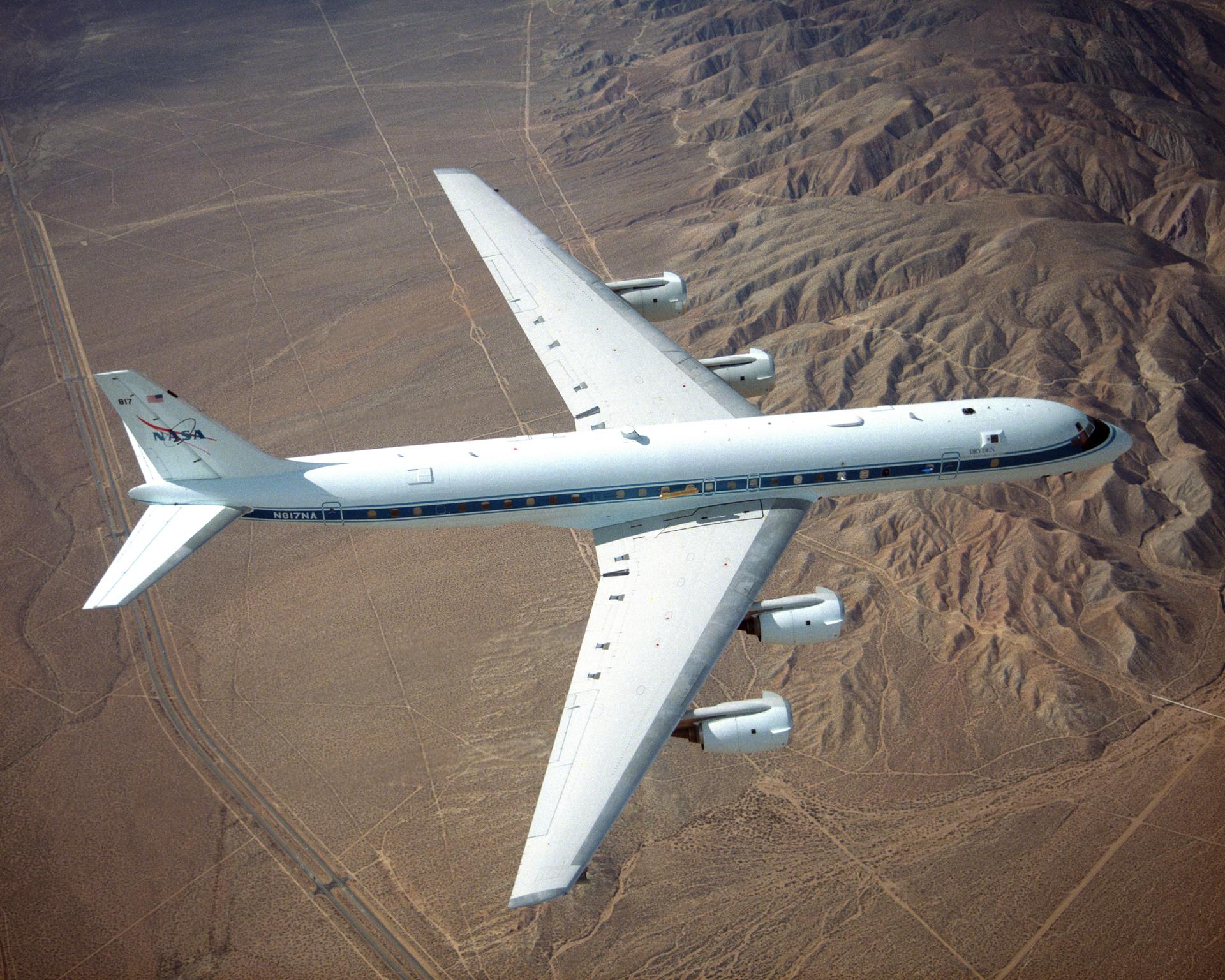
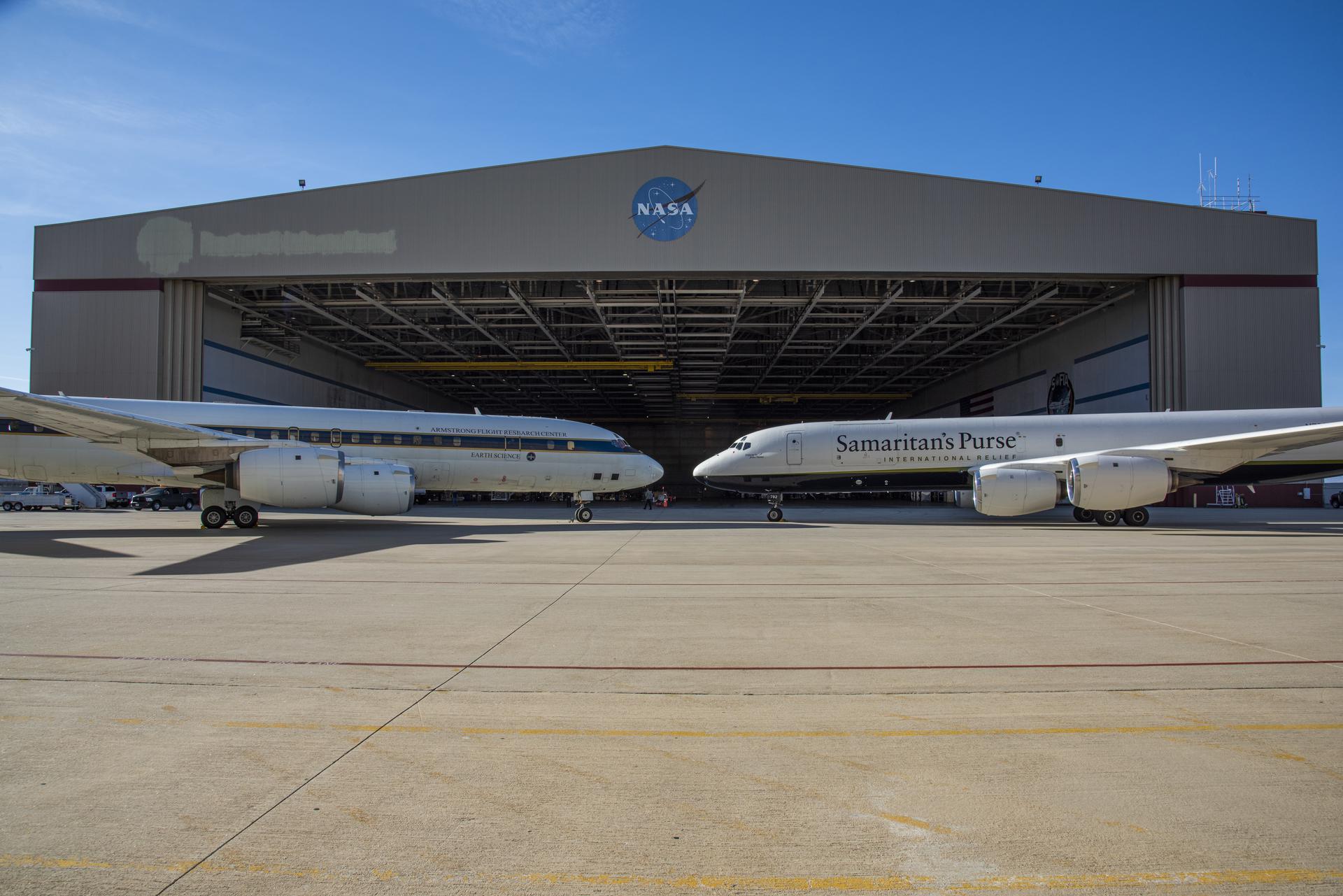
Armstrong Flight Research Center in Edwards, California, operates the C-20A, ER-2, Gulfstream IV (G-IV), as well as B200 science aircraft in support of NASA’s Earth Science mission to bring together technology, science, and unique global Earth observations to provide societal benefits and strengthen our nation.
Branch Chief
Matthew Berry (acting)
C-20A Project Manager
Starr Ginn
ER-2 Project Manager
John McGrath
G-IV Project Manager
Franzeska Becker
Earth Science Aircraft
Armstrong's fleet of highly specialized science aircraft support new space-based sensor development and satellite calibration and validation. The center's role is also to develop the next generation of Earth scientists and engineers.
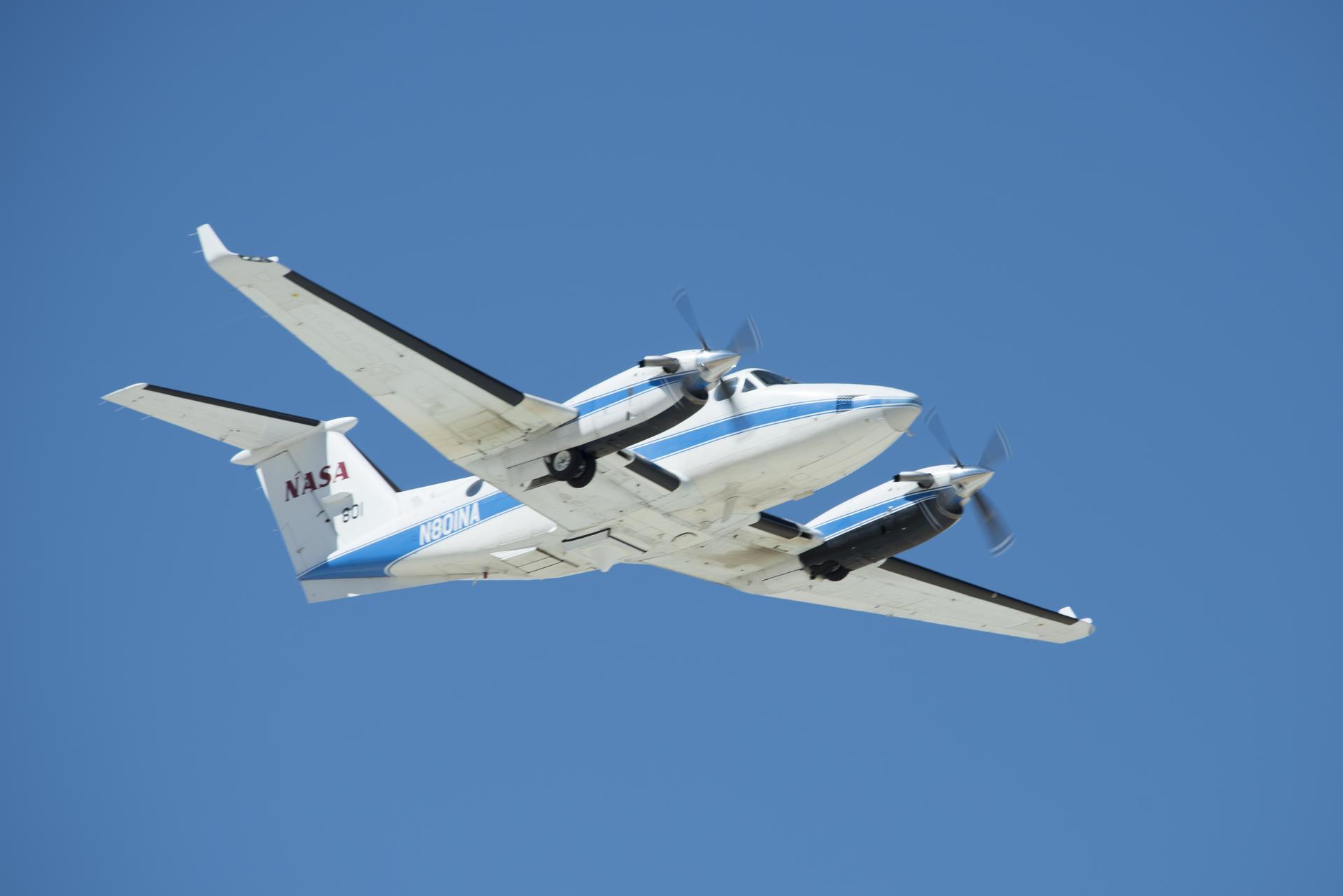
B200 Science Aircraft
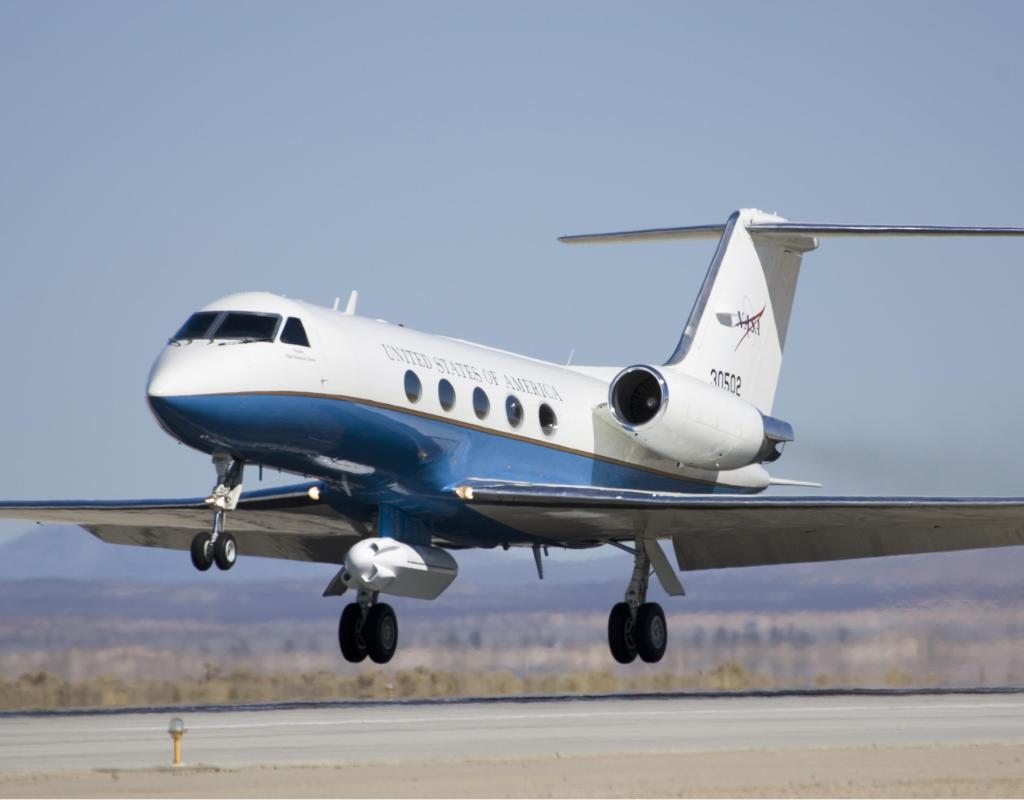
Testbed for various aeronautical research and airborne science projects

NASA Airborne Science Program
Providing aircraft systems that further science and advance the use of satellite data.
Biography
Branch Chief for NASA Armstrong's Science Projects
Matthew J. Berry
Matthew J. Berry is the acting branch chief for Science Projects at NASA’s Armstrong Flight Research Center in Edwards, California. Appointed to the position in July 2024, Berry manages operations and missions for a suite of unique and highly modified science aircraft, including the C-20A, ER-2, and Gulfstream IV, in support of NASA’s Earth Science mission.
Full Biography about Branch Chief for NASA Armstrong's Science Projects
Joe Piotrowski, Jr.: One Engineer’s (Flight) Path to Airborne Science
Based at NASA’s Armstrong Flight Research Center in Edwards, Calif., Joe Piotrowski is the lead operations engineer for the King…
Read the Story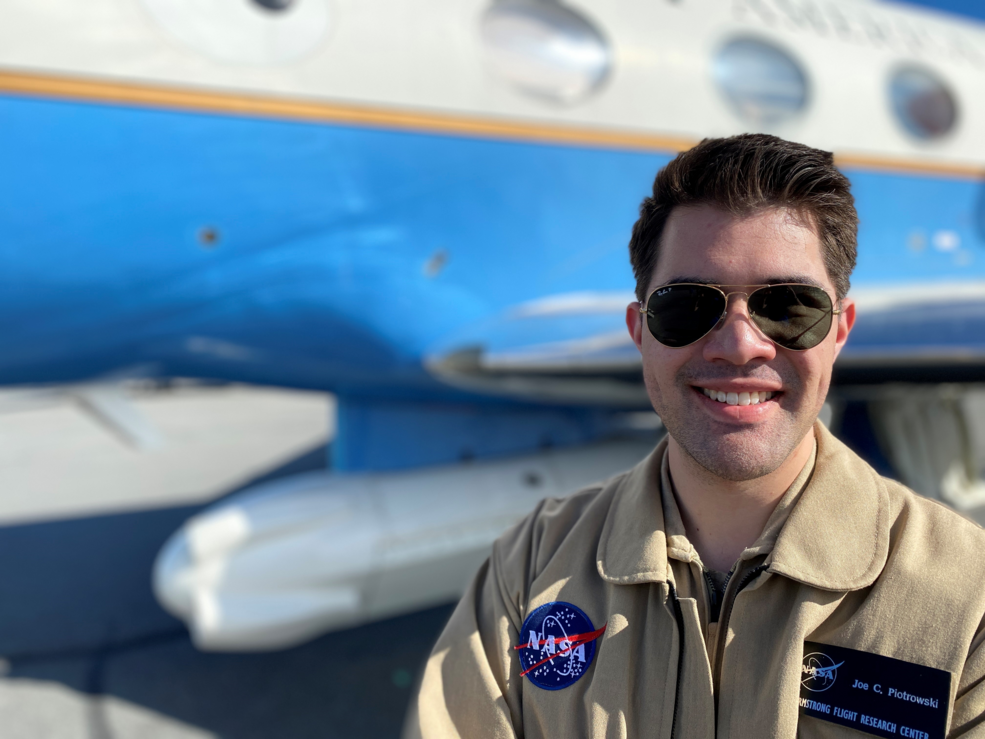
Utilizing NASA’s B200 King Air to Study Snowmelt Levels
More than 1 billion people rely on seasonal mountain snowmelt as a resource for their water supply and a team of NASA scientists and aircraft operators are measuring snow levels to better understand the contribution to our water resources.
In a series of two deployments in early February and March, pilots from NASA Armstrong Flight Research Center in Edwards Calif., flew the B200 King Air that was retrofitted with a specially designed radar developed by scientists at NASA’s Jet Propulsion Laboratory in Pasadena Calif., to study new methods in measuring the snow levels.
The Signals of Opportunity Synthetic Aperture Radar (SoOpSAR) collects detailed data on the snow that melts from the mountainous region by utilizing radio signals in the environment to communicate information about the snow to scientists and how it contributes to the water supply.
Science News
Stay up-to-date with the latest news from Armstrong as we break down barriers and accelerate change for the benefit of humanity.
Recent airborne science flights to Greenland are improving NASA’s understanding of space weather by measuring radiation exposure to air travelers…
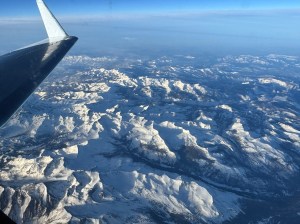
As part of a science mission tracking one of Earth’s most precious resources – water – NASA’s C-20A aircraft conducted…
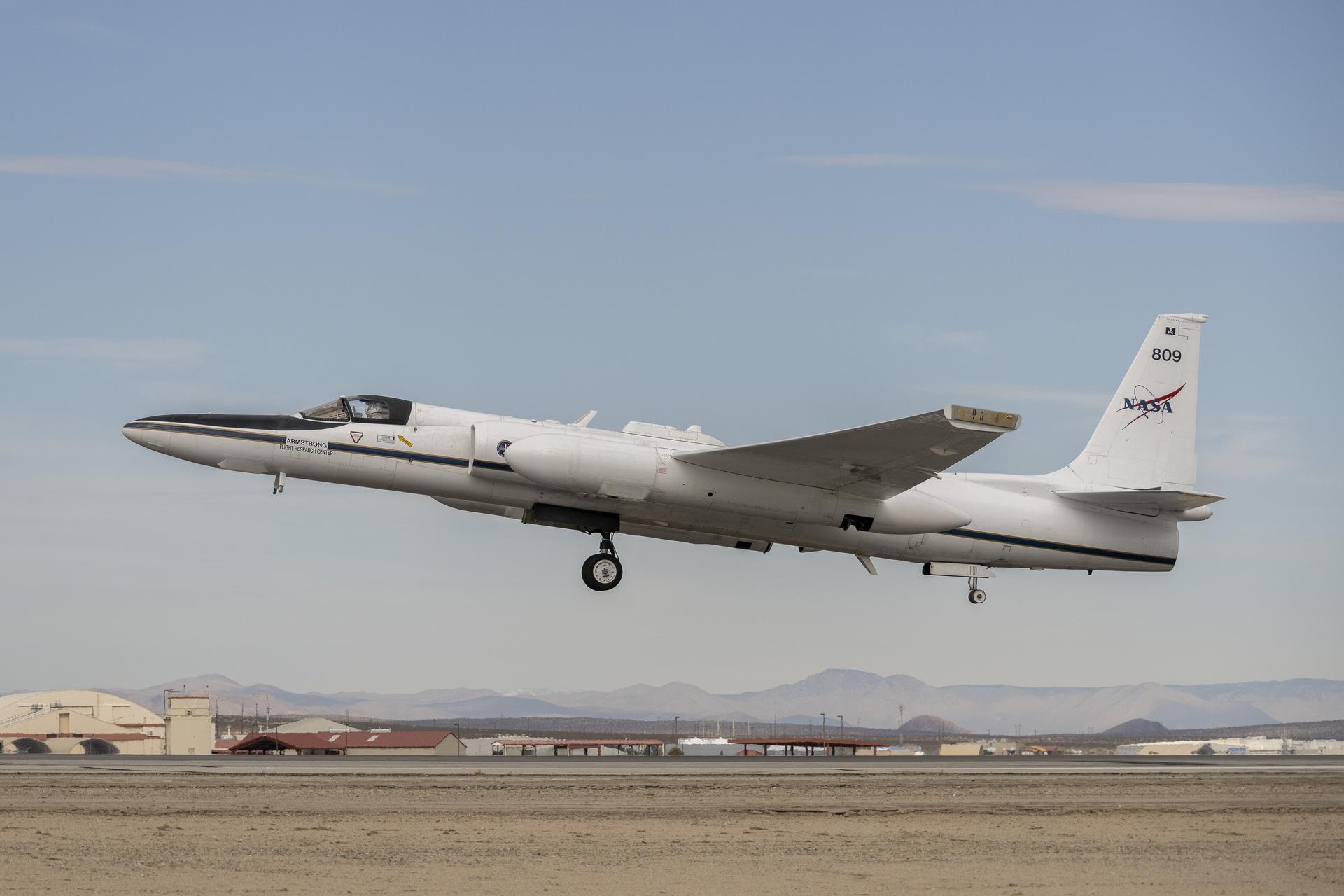
In February, NASA’s ER-2 science aircraft flew instruments designed to improve satellite data products and Earth science observations. From data…
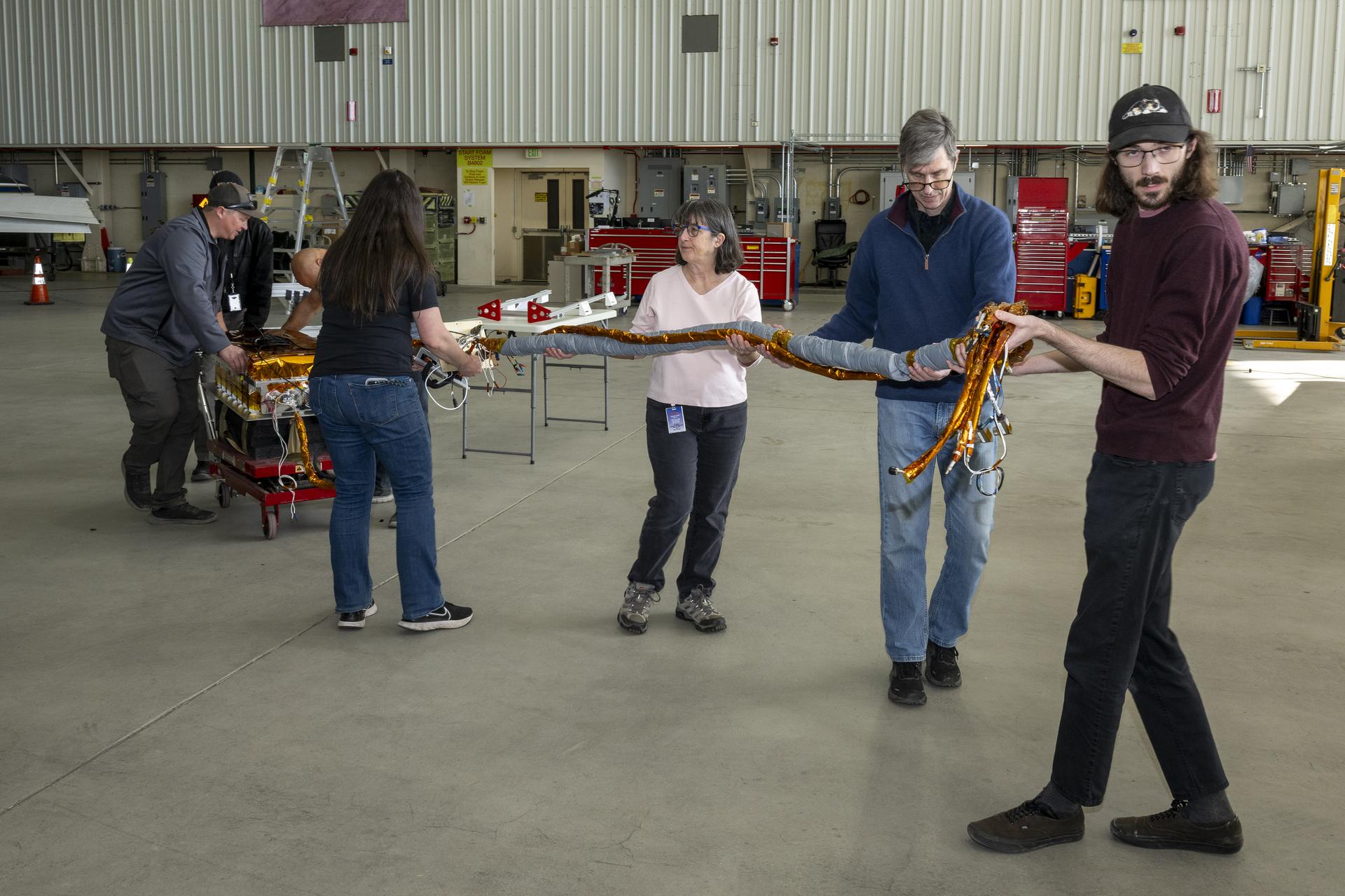
Flying high above the clouds and moon-gazing may sound like a scene from a timeless romance, but NASA did just…

Editor’s Note: This article was updated April 16, 2025, to reflect the March 26 start date of NASA’s Alta X…
The January wildfires in California devastated local habitats and communities. In an effort to better understand wildfire behavior, NASA scientists…
Media

NASA’s Retired SOFIA Aircraft Finds New Home at Arizona Museum
NASA’s now-retired Stratospheric Observatory for Infrared Astronomy (SOFIA) aircraft will find a permanent home in the Pima Air & Space…
Read the Story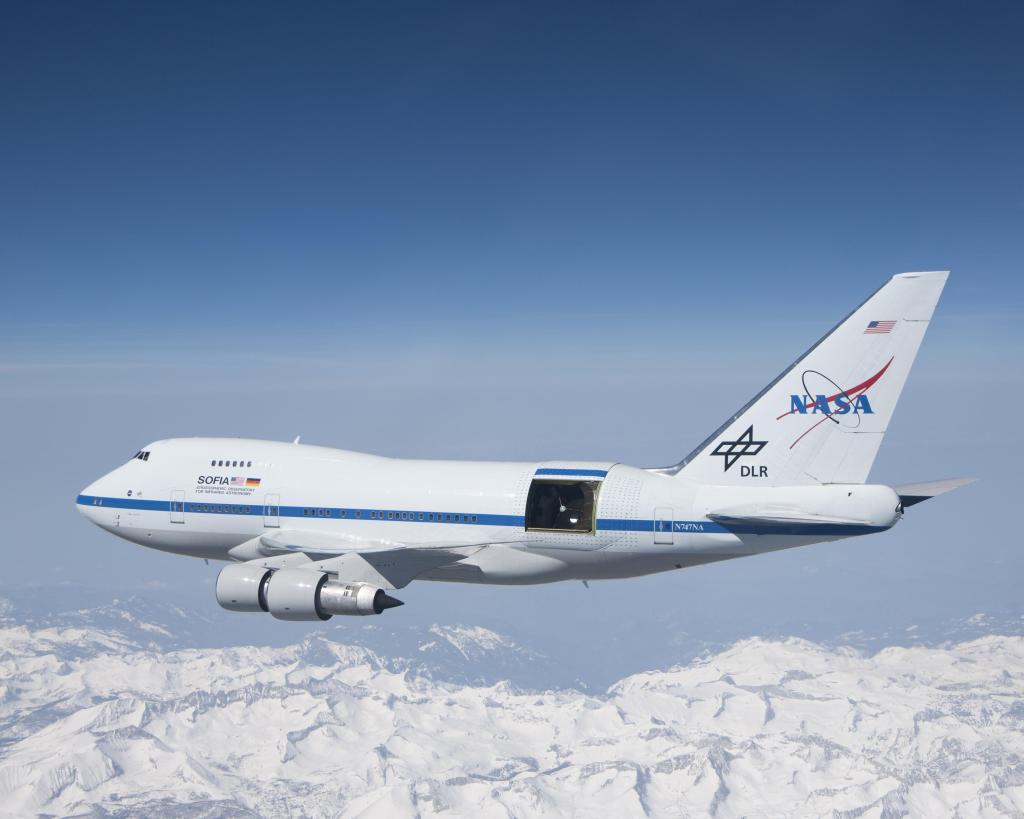
Learn More About SOFIA
SOFIA Fact Sheet
FS-2012-03-096-DFRC

Explore More Armstrong Facilities & Capabilities
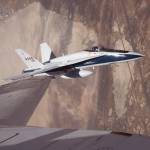
Aircraft Flown at Armstrong
Flying everything from light aircraft to high-speed jets and rocket-powered airplanes.
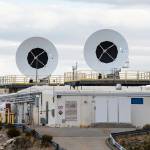
Dryden Aeronautical Test Range
Supporting flight operations and low Earth-orbiting missions.
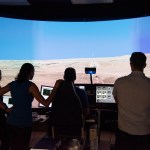
Simulation Laboratory
Developing high-fidelity engineering simulations that can support various research phases ranging from conceptual studies through flight testing.